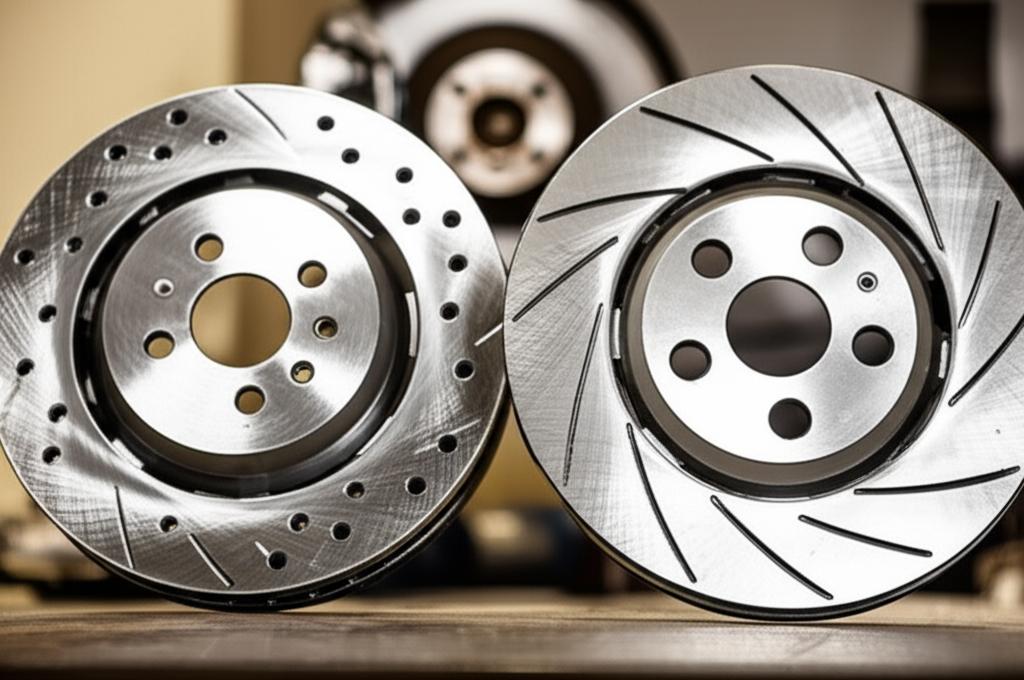

Ceramic brake materials moved from racing and aerospace into road cars in the late 20th century, and manufacturers such as Porsche helped popularize carbon-ceramic rotors as a premium option in the 1990s.
That racing pedigree matters for everyday drivers too: commuters who tow, mountain drivers, and people who enjoy an occasional track day all benefit when brakes stay predictable under stress. Buyers now face a choice between common cast-steel rotors and increasingly available carbon-ceramic options, and marketing claims can be confusing.
For many drivers—especially those who value performance, longevity, and cleaner operation—ceramic brake systems offer distinct advantages over traditional steel brakes across performance, maintenance, and environmental measures. Here are seven benefits to consider.
Performance and Safety Benefits
High-temperature performance and predictable behavior under sustained loads are the main reasons performance cars adopted ceramic materials. The physics is straightforward: ceramic composites tolerate higher surface temperatures and show less thermal distortion, which translates to steadier friction and reduced brake fade in demanding conditions. Some ceramic compounds deliver less initial cold bite, so there are trade-offs for short, light urban stops.
1. Greater resistance to brake fade at high temperatures
Ceramic rotors resist fade better than steel under prolonged heavy braking because they maintain friction characteristics at higher operating temperatures. Independent tests and manufacturer data typically show cast-iron discs begin to show measurable fade in the 400–600°C range, while carbon-ceramic systems sustain consistent friction well into the 800–1,000°C band in laboratory and track measurements.
The practical effect is safer, more predictable stopping after repeated hard stops—important on long downhill runs, during towing, or on track. That’s why GT teams and OEMs such as Porsche specify carbon-ceramic brakes for high-performance models where heat management is critical, though light daily driving rarely exercises those limits.
2. More consistent stopping performance under repeated stress
Ceramic systems deliver steadier braking force across repeated stops because they resist thermal expansion and glazing that can change pad contact. Tests and road reviews often record lower lap-to-lap variance in stopping distance when ceramics are fitted versus cast-iron discs—some independent measurements cite roughly 20–30% less variance over a string of severe stops.
That consistency reduces unpredictable pedal feel and helps maintain braking geometry (less rotor warping), which matters during spirited driving, emergency braking in heavy traffic, or towing. Remember, pad compound still matters: match pads specified for ceramic rotors to get the promised repeatability.
3. Improved fade recovery and pedal feel in demanding conditions
Ceramic rotors often recover baseline braking performance faster after severe use. Test drivers and reviewers commonly note that pedal modulation returns more quickly once the system cools, compared with steel setups that may stay softened or develop a mushy feel until fully cooled or resurfaced.
Faster recovery matters on routes with repeated heavy braking—mountain descents, long downhill stretches, or back-to-back emergency stops—because it reduces the window where stopping power is compromised. Still, ceramics won’t eliminate all temperature-related effects; proper cooling and pad choice remain important.
Durability, Maintenance, and Longevity
Ceramic rotors typically last longer than cast-iron equivalents but come with different wear modes and inspection needs. They resist corrosion and thermal warping, yet are more brittle and can chip or crack if abused or improperly mounted. Understanding expected service life and maintenance trade-offs helps decide if the higher upfront cost makes sense.
4. Longer rotor life and lower frequency of replacement
Ceramic rotors often outlast steel discs under comparable use because the composite material is harder and more wear-resistant. Typical replacement intervals for cast-iron rotors fall in the 30,000–70,000 mile range depending on driving style and environment, while carbon-ceramic rotors on many high-end cars are commonly reported to reach 100,000 miles or more—or remain serviceable for most of the vehicle’s life (OEM reports vary).
For owners who keep cars long-term or who put on high mileage towing or commuting, fewer rotor replacements can offset the initial premium. Caveat: aggressive driving, incorrect pads, or road hazards can shorten ceramic life, so inspect surfaces for chips or delamination during routine service.
5. Less corrosion, warping, and brake-related maintenance
Ceramic composites don’t rust the way cast-iron rotors do, so owners see fewer problems with pitting, surface corrosion, and the subsequent need to resurface or replace rotors. Steel discs commonly develop rust, grooves, or heat-related warping that lead to vibration and NVH complaints.
Maintenance shifts from addressing corrosion and warping to watching for surface damage on ceramics: small chips, edge cracking, or pad-attachment wear. Proper pad selection and regular inspections every service interval will catch problems early and extend service life.
Cost, Efficiency, and Environmental Considerations
There are trade-offs: ceramic brakes carry a higher upfront price but can reduce some long-term costs and deliver handling and environmental benefits. Upfront ceramic upgrades commonly cost several times a comparable steel kit, but weight savings, fewer replacements, and reduced wheel cleaning can influence total ownership cost. Environmental impacts depend on manufacturing energy, dust composition, and end‑of‑life recycling options.
6. Reduced unsprung mass and handling/fuel-efficiency benefits
Ceramic rotors typically weigh less than cast-iron equivalents, lowering unsprung mass and improving suspension response. OEMs often report per-axle savings in the low single-digit kilograms to around 8–12 kg depending on the model and rotor size, which improves steering precision and transient handling feel more than it changes straight-line acceleration.
The fuel-efficiency gains are modest—measured in fractions of a mile per gallon in most real-world testing—but the handling difference is noticeable on twisty roads or during aggressive driving. For drivers prioritizing crisp suspension response, the weight reduction is a tangible benefit.
7. Less brake dust, cleaner wheels, and potential environmental advantages
Ceramic systems generally produce less visible metallic brake dust and cause less wheel staining. Some lab comparisons and owner surveys report roughly 30–50% less visible dust from carbon-ceramic setups versus aggressive steel-pad/iron-rotor combinations, producing a cleaner wheel appearance and less frequent wheel washing.
Lower metallic particulate release near roadways could have air‑quality benefits, though lifecycle factors matter: manufacturing composites is energy-intensive and recyclability differs from steel. Balanced decisions require weighing reduced dust and fewer replacements against higher production footprint and current recycling practices.
Summary
- Ceramic rotors deliver superior high-temperature performance and more consistent braking under repeated heavy use.
- They typically last longer and resist corrosion and warping, though they require inspections for surface chipping or cracks.
- Upfront cost is higher—ceramic upgrade kits often run multiple times the price of a steel replacement—but lower replacement frequency and reduced brake dust can offset some lifetime costs.
- Drivers who benefit most include frequent track-day participants, heavy-towing owners, and those who keep performance cars long-term; steel rotors remain sensible for budget builds and light urban driving.
- When choosing, weigh performance needs, expected mileage, and local service/recycling options, and consult OEM specifications or a trusted mechanic before upgrading from cast-iron discs to carbon-ceramic systems.
Other Comparisons

James Kowalski
More from James KowalskiHow we reviewed this article
This article was researched against manufacturer records and editorially reviewed before publishing. We accept no payment for coverage.