Harley-Davidson began in 1903 in a small Milwaukee shed; more than a century later some models from that lineage are still known for simply getting riders where they need to go, mile after mile.
Why does reliability matter for Harley ownership? Riders trade on a brand promise of long rides, two-up touring and machines that hold value, so mechanical robustness, easy serviceability and predictable upkeep shape ownership satisfaction. This piece picks eight models owners consistently point to as dependable — chosen for drivetrain longevity, parts availability, mechanical simplicity, widespread owner reports and stable resale. The list groups the machines into three practical categories (touring, big-twin/Softail, and Sportster/lightweight) and each entry notes why the bike is reliable, supporting evidence like engine families and service intervals, plus real-world ownership notes to help you match a bike to how you ride.
Touring and Long-Distance Cruisers
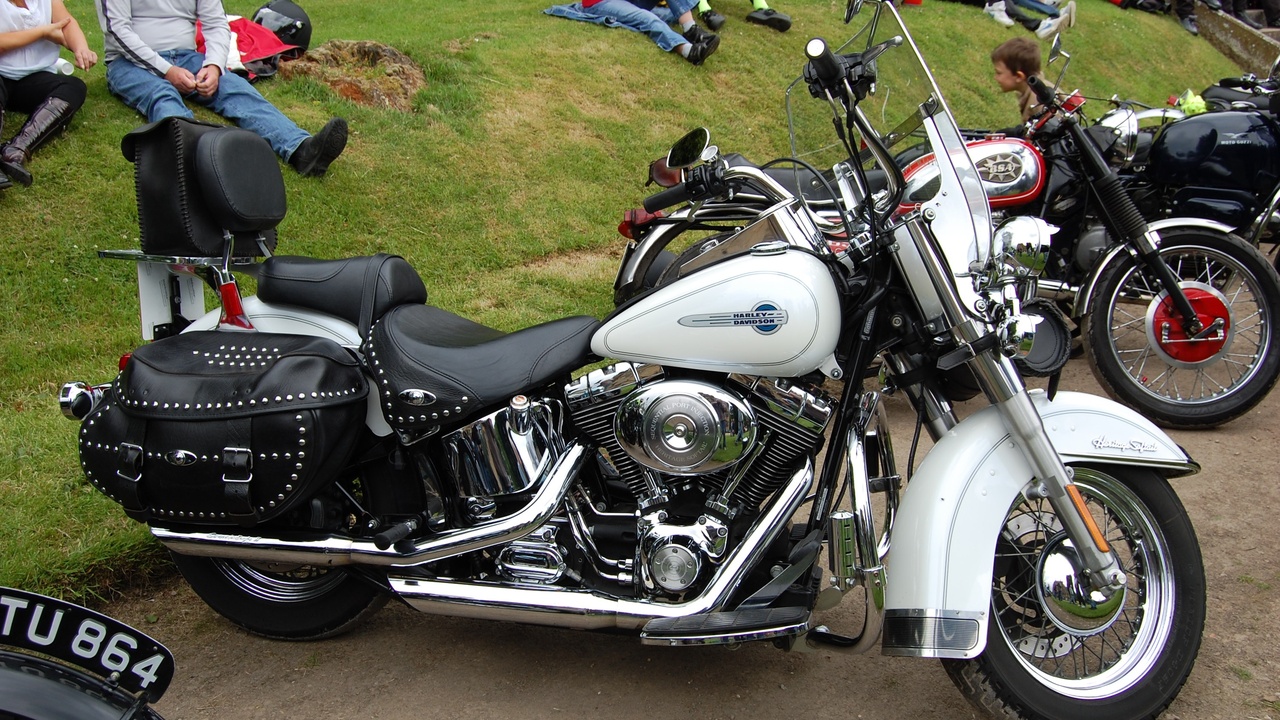
Touring bikes rack up high annual miles, carry heavier loads and travel long stretches between services, so they need proven drivetrains and broad support networks. The Milwaukee‑Eight engine family, introduced in 2017, improved heat management and reduced vibration versus some prior units, and well‑maintained tourers commonly exceed 50,000 miles. Dealer parts stock and aftermarket saddlebags, suspension and brake options also reduce downtime, so riders who plan long trips benefit from models with established service procedures and widely available components.
1. Harley-Davidson Electra Glide — Touring Stability and Proven Drivetrain
The Electra Glide has long been a favorite for highway reliability thanks to its full-dress touring setup and durable V‑twin architecture. Owners put Electra Glides into club touring and cross‑country service, often logging 5,000–15,000 miles per year and surpassing 50,000 miles with routine oil and timing‑chain service. Its simple pushrod V‑twin layout and substantial fairing reduce rider fatigue, which in turn encourages timely maintenance. Variants like the Electra Glide Ultra Classic are common long‑haul choices, and dealer networks that support touring trims make scheduled service and parts replacement straightforward.
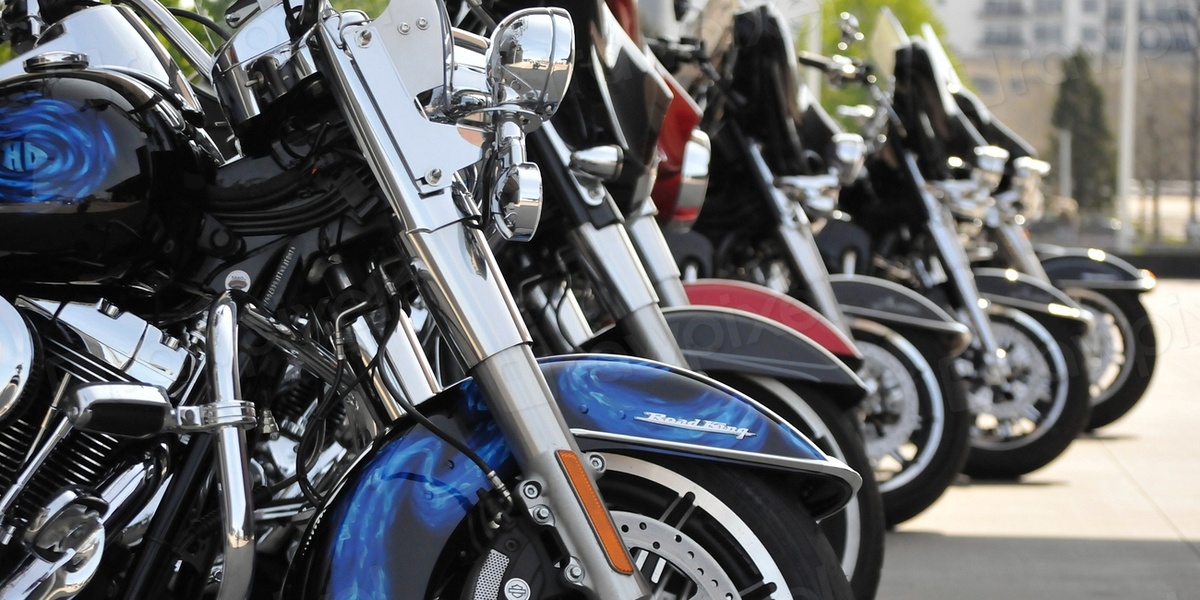
2. Harley-Davidson Road King — Simple, Easy-to-Maintain Touring Workhorse
The Road King appeals for classic styling and a straightforward mechanical package that keeps failure points low. Base models often skip complex electronics, and the common belt final drive plus pushrod engines offer accessible service points. Standard service intervals—valve checks and oil changes—fall in the 5,000–10,000 mile range depending on the engine family (for example, Milwaukee‑Eight models follow Harley’s recommended 5,000‑mile oil interval for many owners). That simplicity yields predictable maintenance costs and makes the Road King a sensible choice for daily commuting plus weekend touring when owners want easy-to-source parts and modular accessories.
3. Harley-Davidson Street Glide — Balanced Ride, Reliable Bagger Platform
The Street Glide is a go‑to bagger that balances comfort with fewer moving parts than some full‑touring Ultra models. Its frame‑mounted fairing improves stability and reduces head shake, and many riders report long‑term reliability when they retain stock suspension and follow scheduled services. Street Glides commonly use Milwaukee‑Eight 107 or 114 engines, so maintenance procedures and parts are well documented. Year‑round commuters in temperate climates and weekend tourers favor the Street Glide for predictable handling and easy access to spare parts through both dealers and a large aftermarket.
Big Twin Classics and Softails — Rugged, Easy-to-Service Machines
Softail models and other big‑twin Harleys emphasize chassis durability, parts commonality and straightforward maintenance. The 2018 Softail redesign consolidated many features and improved parts interchangeability, and big‑twin components tend to be widely stocked by dealers. That chassis and drivetrain commonality lowers repair time and costs, and decades of owner experience create a deep pool of repair knowledge for common service items.
4. Harley-Davidson Fat Boy — Durable Styling and Solid Build Quality
The Fat Boy is known for solid construction and predictable mechanicals, with heavy cast components and a wide front wheel that stabilizes steering. Modern Fat Boy variants typically house Milwaukee‑Eight 107 (1746 cc) or 114 (1868 cc) engines; those large, lower‑revving displacements place less stress on internals during typical riding. Owners who use a Fat Boy for daily commuting and light touring report long overhaul intervals when they follow regular oil changes and basic tuneups. A strong aftermarket for wheels, brakes and cosmetic parts also helps owners keep these bikes running without long lead times.
5. Harley-Davidson Heritage Classic — Traditional Design, Proven Chassis
The Heritage Classic blends old‑school styling with practical gear—saddlebags and a windshield—that make it a sensible everyday bike. Its chassis and drivetrain have seen incremental upgrades rather than wholesale redesigns, which helps long‑term reliability because replacement parts and repair know‑how are abundant. Riders commonly report clutch and primary‑drive service intervals that match standard big‑twin recommendations, and the bike serves well for weekend touring or two‑up commuting with fewer electronic complexities to worry about.
6. Harley-Davidson Low Rider / Softail Standard — Versatile and Rider-Friendly
Low Rider and Softail Standard models appeal to those who want an uncomplicated big‑twin with easy service access. Base trims often use simpler electrical setups and conventional suspension components, and parts interchangeability across the Softail line reduces downtime. Maintenance costs tend to be lower than on electronics‑heavy baggers because there are fewer sensors and control modules to fail. Many owners customize cosmetics or ergonomics while keeping the stock drivetrain to preserve reliability and predictable upkeep.
Sportster and Lightweight Models — Simplicity Means Fewer Things to Break
Sportsters and smaller Harleys often outperform bigger machines in reliability because they carry fewer complex systems, weigh less and are easier for owners to handle routine maintenance on. The Sportster lineage goes back to 1957, and familiar displacements like 883cc and roughly 1200cc mean parts and community knowledge are abundant. Among riders, the Iron 883 often appears on lists of the most reliable harley-davidson motorcycles for entry‑level ownership and low‑cost upkeep.
7. Harley-Davidson Sportster Iron 883 — Simplicity and Low Operating Costs
The Iron 883 is a frequent recommendation for first Harley buyers because of its uncomplicated setup and low running costs. Its 883cc V‑twin is a long‑lived displacement in the Sportster family, and base models carry minimal electronics. Many owners report fuel economy in the high‑40s mpg and follow oil changes every 3,000–5,000 miles to keep these motors healthy. A large aftermarket and active owner community make inexpensive replacement parts and how‑to guidance easy to find, so the Iron 883 works well for city commuting and inexpensive daily ownership.
8. Harley-Davidson Forty-Eight / 1200 Series — Compact Power, Easy Ownership
The Forty‑Eight and other 1200cc Sportsters offer more midrange torque and lower cruise RPMs than an 883, which often reduces engine strain during highway riding. A 1200cc Sportster typically provides noticeably more midrange torque, so owners report easier overtakes and more relaxed highway cruising with similar upkeep to the smaller Sportster. The platform remains mechanically straightforward, making it a good compromise for riders who want compact power without added electronic complexity.
Summary
These eight bikes earned selection for drivetrain simplicity, parts availability, owner longevity reports and easy serviceability. Use the grouping—touring, big‑twin/Softail, Sportster—to match a model to your intended use and budget before you buy.
- Match bike to use: choose touring machines for high‑mile highway work, Softails for rugged everyday use, and Sportsters for simple, low‑cost ownership.
- Prioritize mechanical simplicity and common engine families (for example, Milwaukee‑Eight 107/114 or Sportster 883/1200) to ease repairs and parts sourcing.
- Check maintenance records: oil‑change history, belt and clutch condition, and any aftermarket electrical mods that could affect reliability.
- Talk to local dealers and owner forums for model‑specific longevity reports and common service costs before committing.

Sarah Thornton
More from Sarah ThorntonHow we reviewed this article
This article was researched against manufacturer records and editorially reviewed before publishing. We accept no payment for coverage.