
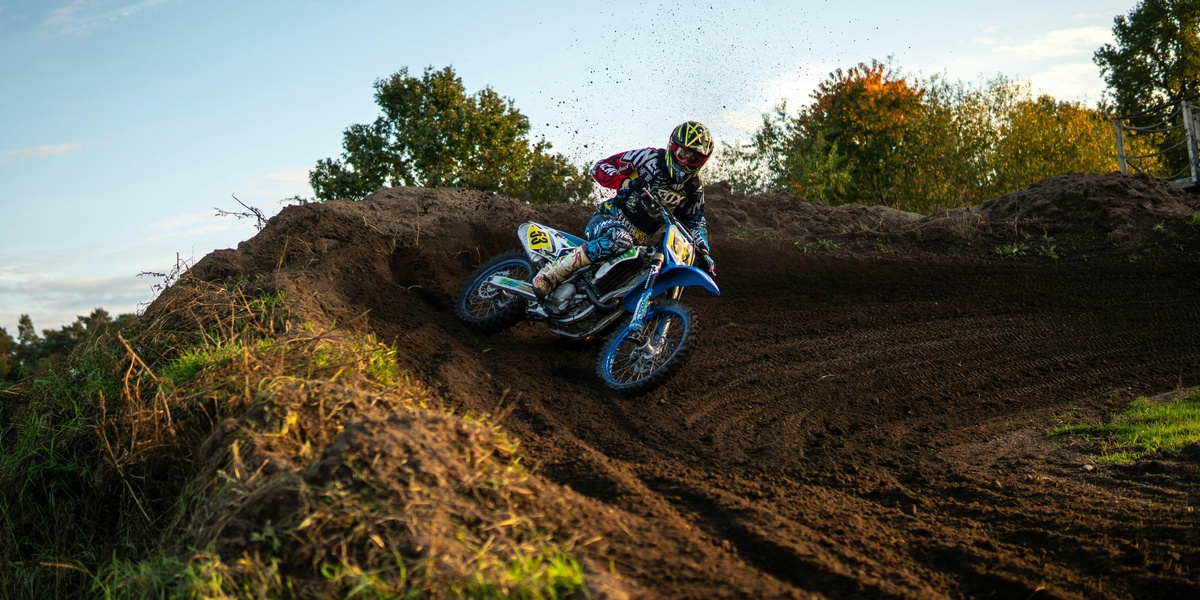
Motocross evolved from British motorcycle “scrambles” in the 1920s, when riders pushed lighter, faster machines over rough terrain—a clear break from the heavier, multi-use trail bikes of the era.
Picture a 1920s scramble rider launching off a dirt berm and compare that image to a modern weekend trail loop; the two machines have diverged in purpose. If you’re deciding what to buy, rent for a track day, or race this season, that split matters: the choice affects lap times, maintenance rhythms, and how quickly you develop technique.
A motocross bike is a purpose-built racing machine and, compared with a general dirt/trail bike, it delivers clearer advantages across handling, power delivery, ergonomics, maintenance and competitive value—here are eight tangible benefits. If you’re weighing a motocross bike vs dirt bike for track use, the differences show up fast.
Below you’ll find eight specific advantages with examples, numbers, and practical takeaways so you can match a bike to how you actually ride.
Performance and Handling Advantages
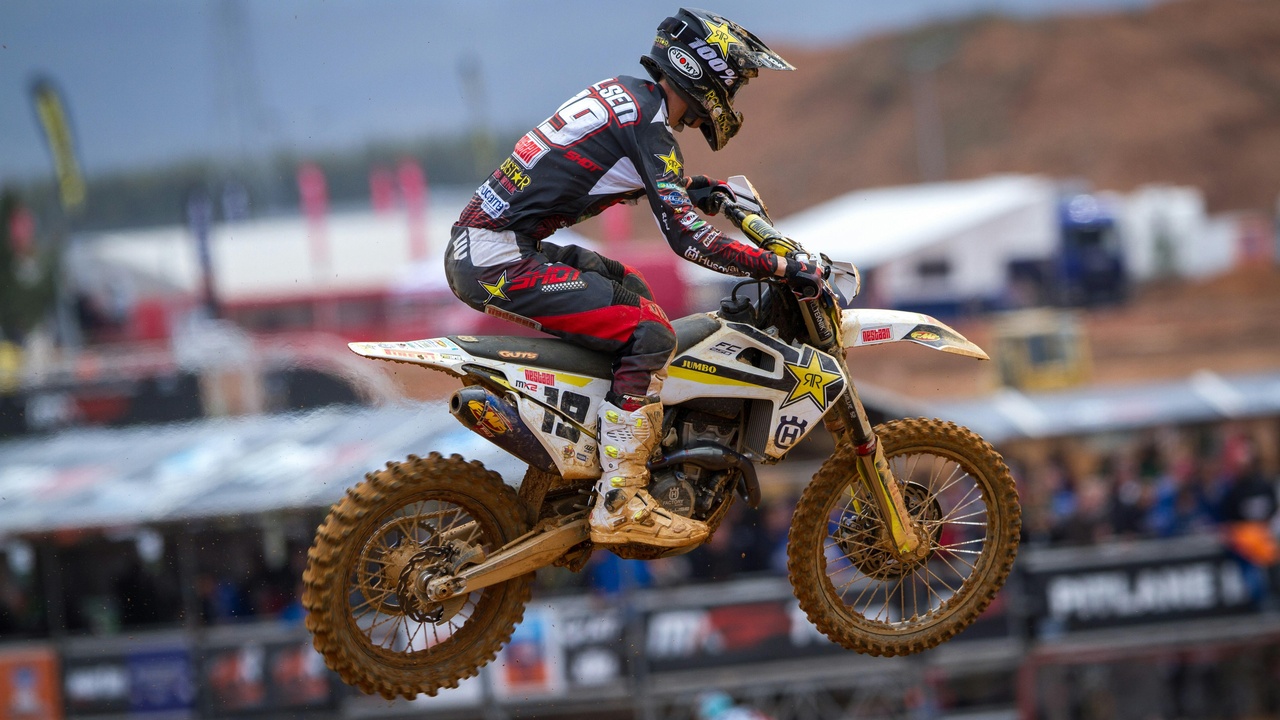
On a race track handling isn’t just comfort—it’s lap time. Motocross machines prioritize suspension travel, damping adjustability and geometry tuned for repeated jumps and rapid direction changes, while trail bikes often compromise for comfort or durability over varied terrain.
1. Suspension tuned for jumps, landings and rough tracks
Motocross forks and rear shocks deliver more travel and race-oriented damping than general dirt bikes. Typical MX front travel sits around 300–320 mm (12–12.6 in), versus many trail machines at roughly 230–270 mm.
That extra travel combines with adjustable compression and rebound settings—and lighter internal components—to absorb repeated landings and chop without packing down. On a technical motocross track this translates to faster corner entries, higher average speed over whoops, and less rider fatigue after multiple laps.
For example, the Yamaha YZ250F lists about 310 mm of front travel while the dual-sport WR250R is nearer 270 mm; rent the former for a track day and you’ll notice crisper landings and more confidence over tabletops. If you plan to hit jump-heavy tracks, choose the motocross setup for safer, quicker laps.
2. Lighter chassis and geometry for sharper agility
Motocross bikes prioritize low weight and nimble geometry to win races. Typical wet weights for 250cc MX bikes fall in the 105–115 kg (231–253 lb) range, whereas trail-focused 250s often weigh 120–140 kg (264–308 lb).
The lower mass improves acceleration off the corner, gives better mid-air control when adjusting attitude, and makes quick direction changes easier on tight tracks. Shorter wheelbases and steeper steering geometry further sharpen turn-in and allow riders to scrub speed on the approach.
Look at a KTM 250 SX-F for a race-oriented example: geometry and component choices are tuned for agility. Contrast that with a Honda CRF250L—built for versatility and comfort—and the trade-offs become clear: the CRF is friendlier on trails but slower through technical, berm-filled laps.
Engine, Power Delivery and Drivetrain Benefits

Race engines, gearbox ratios and clutch systems on motocross bikes are calibrated for rapid, repeatable bursts of power. That allows precise exits, quick passes, and consistent starts—advantages that compound over a race or a day of practice.
3. Race-focused power delivery for quick exits and overtakes
Motocross engine tunings favor immediate, usable power where traction and exits matter most. Racing classes commonly split into 125, 250 and 450 cc groups, and tunings emphasize a tight, accessible powerband rather than fuel economy or low-speed tractability.
On a tight moto track that means a crisp 250cc MX bike will accelerate out of berms faster and deliver more predictable mid-corner drive than a detuned trail engine. That predictability helps when you’re lining up an overtake in a single-line section.
Examples include the Honda CRF250R and KTM 250 SX-F, both set up with raceable power curves that let riders rely on roll-on throttle response for consistent lap times. Pro series still use 250/450 classes, which keeps these tunings optimized for competition.
4. Gearing and clutch tuned for frequent shifts and launches
Motocross transmissions use closer gear ratios and robust clutch packages to handle repeated launches and fast, sequential shifts. Shorter gear steps accelerate you quicker between turns, and race clutches resist fade from multiple hard starts.
Manufacturers and racers often spec stronger clutch plates or performance kits to survive heavy use; brands like Hinson and Rekluse are standard upgrades. Kawasaki’s KX450, for instance, comes with gearing and clutch durability geared toward holeshots and repeated full-throttle sprints.
For riders who do a lot of starts and stop-and-go technical sections, these drivetrain choices reduce mechanical wear and improve consistency off the line—so you spend more time racing and less time fussing with gearbox limitations.
Ergonomics, Rider Control and Safety

Motocross ergonomics center on standing, aggressive inputs, and rapid weight shifts. Controls, seating and braking are all arranged to help riders move the bike under them and manage high-speed technical sections with confidence.
5. Rider-focused ergonomics for standing and shifting weight
Motocross machines are built around a standing rider: higher footpegs, flatter and narrower seats, and handlebar placement that promotes quick weight transfers. Those choices let riders shift weight forward or back instantly when hitting whoops or steep landings.
In practice this improves consistency through technical sequences; standing lets you absorb bumps with your knees and move the bike under you, so lines stay cleaner lap after lap. Compare a Kawasaki KX250 ergonomically tuned for aggressive riding to a CRF250L, which favors seated comfort and lower peg positions for trails.
If you race or practice on tight layouts, the motocross ergonomics will shorten your learning curve and make repeated hard sections less punishing on your body.
6. Braking and steering tuned for quick technical sections
Brakes, rotors and front-end stiffness on motocross bikes are selected for aggressive entries and repeated heavy braking. Larger rotor diameters and stronger master cylinders give firmer bite and repeatable feel during race laps.
A stiffer fork setup helps steering precision under load, so you can hit a braking marker hard and still place the bike for the next turn. Many racers upgrade to high-performance calipers or lines; Brembo-style systems or OEM race-grade options are common on factory models and aftermarket builds.
That combination trims tenths of seconds at corner entry and reduces the chance of wandering under heavy braking—useful when the track gets rutted or when you’re closing in on another rider.
Parts, Competition Support and Resale Value

Motocross bikes benefit from a deep aftermarket, clear race-class rules, and steady demand among club racers—factors that make upgrading, repairing and reselling easier than for many multi-use dirt bikes.
7. Wide aftermarket and race-parts ecosystem
There is a broad market for MX-specific upgrades: suspension suppliers (Öhlins, WP, Showa), clutch makers (Hinson, Rekluse), and exhaust builders (FMF, Akrapovic) all cater to racers. Common upgrade categories include suspension valving, aftermarket clutch kits, exhaust and engine mapping.
That availability matters on a race weekend: damaged plastics, a tired shock or a clutch that slips can be repaired or replaced quickly. Pit-day upgrades are straightforward and supported by a robust parts pipeline—so racers often get back on track the same day.
For riders who compete regularly, that ecosystem shortens downtime and makes reliability upgrades more accessible than on less-supported trail platforms.
8. Clear class rules and stronger resale in racing markets
Purpose-built motocross machines tend to retain value in racing markets because classes are standardized (250/450) and amateur racers constantly seek season-ready bikes. That demand creates a predictable used market for well-maintained race machines.
After a season many riders sell Yamaha YZ250F, KTM 250 SX-F or similar bikes to club racers looking for an out-of-the-box racer. Because parts and setup knowledge are widespread, buyers understand what they’re getting—which often keeps resale velocity higher than for multi-use trail models.
If your plan is to race, consider that a sharp motocross machine is easier to sell to another racer than a heavily modified trail bike; the market for class-appropriate 250/450 machines remains steady at club and amateur levels.
Summary
- Handling wins: motocross suspension travel (~300–320 mm), lighter chassis (250cc MX ~105–115 kg) and race geometry deliver quicker lap times and safer landings.
- Power and drivetrain: race-tuned powerbands (125/250/450 classes), closer gearing and beefed-up clutches (Hinson, Rekluse) give better starts, exits and overtakes.
- Ergonomics and control: higher pegs, narrow seats and firmer brake/steering setups improve performance in whoops, berms and technical sections.
- Support and value: a broad aftermarket (Öhlins, WP, FMF, Akrapovic), clear class demand and an active racer resale market make upgrades and secondhand sales easier.
If you’re leaning toward racing or frequent track days, test-ride a purpose-built machine at a track day or talk to a local motocross shop about setup and parts. Match the bike to your goals, and you’ll get more performance per dollar and faster skill gains.
For direct comparisons in buyer listings and shop conversations, remembering the practical differences above will help you pick the right machine for how you want to ride.
Other Motorcycle Type Comparisons

Sarah Thornton
More from Sarah ThorntonHow we reviewed this article
This article was researched against manufacturer records and editorially reviewed before publishing. We accept no payment for coverage.