The 10 Best Cars of the 2010s
Between 2010 and 2019 the auto industry saw dramatic shifts: electric range jumped, performance benchmarks fell, and pickup-truck sales hit record highs. Global plug-in electric-vehicle sales grew from roughly 17,000 units in 2010 to over 2 million by 2019, and that pace forced automakers to rethink powertrains and software delivery.
The decade mattered because it was transitional — lightweighting, widespread turbocharging, and mainstream driver-assist tech arrived right alongside a serious push to electrify. This curated list focuses not on raw volume but on innovation, real-world value, driving enjoyment, reliability, and cultural influence.
Below are ten standout models of the 2010s grouped into three categories: Performance & Iconic Sports Cars, Technology & Electrification, and Practicality, Value & Design. Each entry highlights why the car mattered then and why it still matters now.
Performance & Iconic Sports Cars
The 2010s updated classic performance formulas: lighter materials, turbocharged small-displacement engines, and hybrid boosts joined chassis refinements that kept driver involvement central. These cars proved you could add technology without losing feel, and many variants—from street-friendly trims to track-ready GT models—kept enthusiasts happy.
1. Porsche 911 (991 generation): Master of Balance
The 991-generation 911 (2011–2019) stood out for consistent driving dynamics across a vast model range, from Carrera to Turbo and GT3. The Carrera S delivered roughly 400 hp in early years while the GT3 (991.1) made around 475 hp and earned genuine track credentials; the Turbo S variants posted sub-3-second 0–60 times.
Practical as a daily-driven GT and capable as a weekend track car, the 991 combined modern tech (PDK transmissions, adaptive aerodynamics) with a famously balanced chassis. Critics praised its refinement—Car and Driver regularly noted its “remarkable balance”—and resale values have remained strong compared with rivals.
2. Mazda MX-5 Miata (ND): Lightweight Fun Reimagined
Introduced in 2015, the ND Miata returned to a strict lighter-is-better philosophy: reduced curb weight, sharper steering, and a tighter chassis made the small roadster feel alive. Mazda tuned the platform around a compact footprint and a playful balance rather than piling on horsepower.
The ND’s engines focused on responsiveness over raw numbers—most markets saw roughly 150–180 hp depending on displacement and tune—while trims like the Club offered performance hardware (Bilstein dampers, limited-slip diff) at affordable prices. Enthusiasts loved the Miata for easy maintenance, strong aftermarket support, and pure driving enjoyment.
3. Chevrolet Corvette (C7): Supercar Performance Without the Sticker Shock
When the C7 debuted for 2014 it reset expectations for American sports-car value. The base Stingray’s LT1 V8 produced roughly 455 hp, while the supercharged Z06 (introduced later) cranked out about 650 hp and delivered low‑3s 0–60 sprints in many tests.
The C7 offered track-capable hardware—electronic limited-slip differential, available carbon-fiber options—and a price that undercut many European rivals. Reviews often pointed to the Corvette’s performance-per-dollar as its defining trait, and real owners found the car equally at home on long drives and race weekends.
4. Ford Mustang (S550): Modern Muscle with Refined Handling
The sixth-generation Mustang (S550), launched in 2015, mattered because it finally ditched a live rear axle for independent rear suspension, improving ride and cornering while keeping the muscle-car feel. Engine choices ranged from a frugal 2.3L EcoBoost to a 5.0L V8 in GT trims.
Shelby variants pushed the envelope: the GT350 used a 5.2L flat-plane-crank V8 with over 500 hp and a distinctly track-focused setup (GT350R emphasized weight savings and aerodynamic upgrades). Enthusiasts praised the Mustang for mixing classic character with up-to-date chassis engineering.
Technology & Electrification
The 2010s accelerated electrification and software-defined features: long-range EVs forced upgrades to charging infrastructure; automakers rolled out driver-assist suites; and plug-in hybrids proved useful for anxious buyers. These models nudged the industry toward battery-electric powertrains and regular over-the-air fixes.
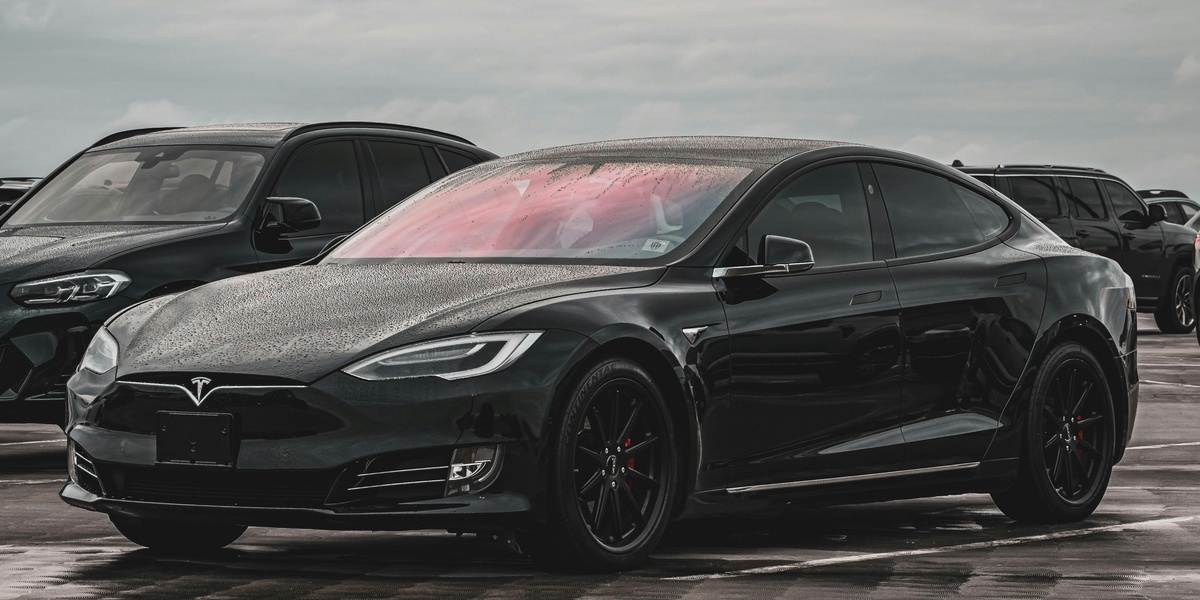
5. Tesla Model S: Making EVs Desirable
Launched in 2012, the Model S reframed electric cars as desirable performance vehicles. Early long-range versions offered about 265 miles EPA range, and later 100 kWh variants pushed beyond 300 miles; Performance and Ludicrous modes produced 0–60 times that rivaled supercars.
Tesla’s OTA software updates changed the ownership experience and the expanding Supercharger network eased long-distance use. Journalists noted the Model S’s influence—its combination of range, performance, and software made rivals accelerate their EV programs and helped normalize fast charging nationwide.
6. Chevrolet Volt: Practical Plug-In Bridging the Gap
The Volt arrived in 2010 and the second-generation model launched in 2016 with meaningful improvements. The first-gen Volt typically delivered roughly 35–40 electric miles, while Gen2 extended electric-only range into the 40–50+ mile band, giving many commuters all-electric daily driving with a gasoline back-up for long trips.
The Volt’s architecture proved that a plug-in could ease range anxiety without demanding new infrastructure. Owners commonly reported routine commutes handled entirely in electric mode, and reviewers praised the car’s real-world economy and pragmatic engineering.
7. Nissan Leaf: The Mass-Market EV Pioneer
Launched in 2010, the Nissan Leaf was one of the first widely available, affordable EVs aimed at mainstream buyers. Early models offered about 73–100 miles of range depending on year and test cycle, while later revisions in the decade bumped range and battery capacity substantially.
Because it was relatively affordable and easy to drive, fleets and city drivers embraced the Leaf, helping normalize EV ownership. Nissan’s early sales demonstrated that many buyers would take electric driving seriously if the price and charging convenience made sense.
Practicality, Value & Design
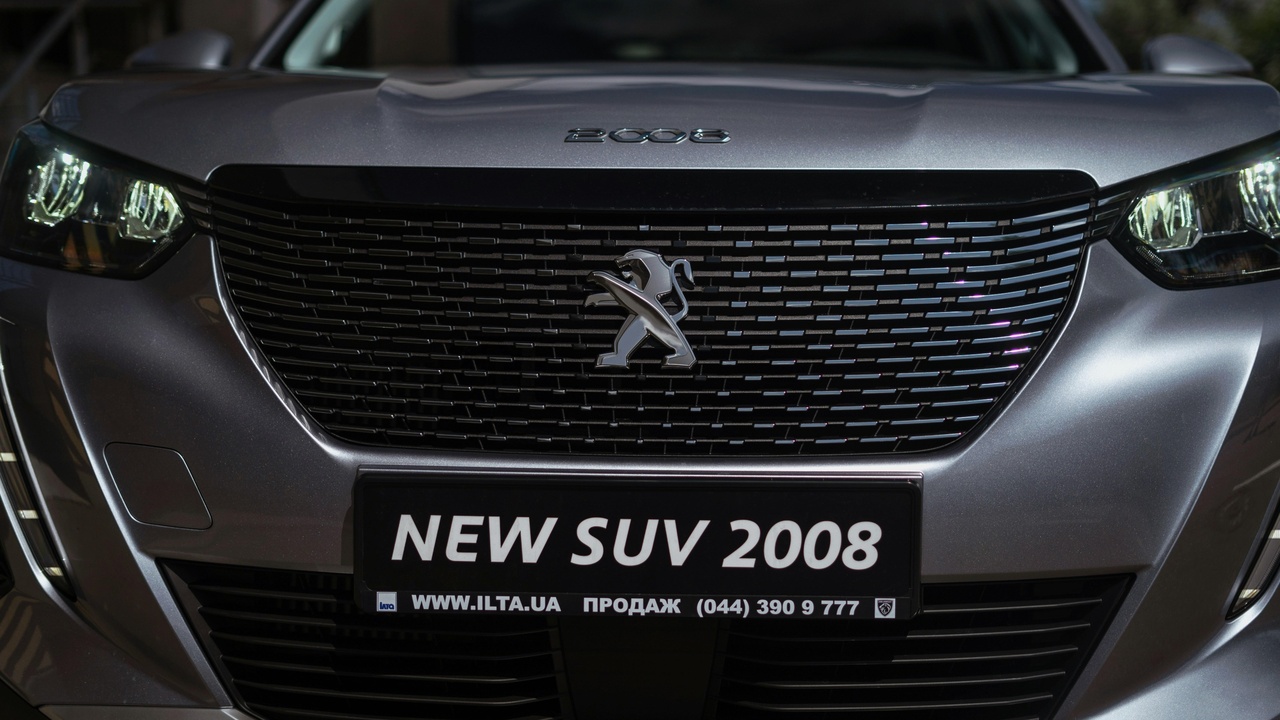
The 2010s also produced everyday winners: cars and trucks that combined usability, fuel efficiency, strong resale, and thoughtful design. These mainstream models shaped buyer expectations, from compact-car refinement to pickup innovation.
8. Honda Civic (10th Gen): Reasserting the Compact Benchmark
The 10th-gen Civic, arriving globally in 2015–2016, reset the compact-car standard with improved materials, sharper styling, and modern powertrains. The turbocharged 1.5T became the go-to balance of efficiency and punch, with roughly 174 hp in many markets and high EPA ratings for daily driving.
Variants like the Civic Si (with about 205 hp in Si trim) offered engaging driving without sacrificing practicality. Buyers appreciated roomy interiors, strong reliability scores, and resale values that kept the Civic competitive in the segment.
9. Ford F-150 (2015): Rethinking the Pickup with Aluminum
Ford’s 2015 F-150 overhaul mattered because of extensive use of high-strength aluminum to reduce curb weight—Ford cited up to roughly 700 pounds of savings versus the prior generation. That lightweighting helped improve fuel economy while preserving towing and payload capability.
Engine choices such as the 3.5L EcoBoost combined power with better efficiency, and the truck remained a top seller for fleets and private owners. The redesign shifted competitors toward new materials and forced debates about repairability and insurance that persist today.
10. Volkswagen Golf GTI (Mk7): The Practical Hot Hatch Perfected
The Mk7 GTI, introduced in 2013 on VW’s MQB platform, became the reference in the hot-hatch class by blending usable interior space with lively turbocharged performance. Typical outputs sat in the low-220s horsepower range, enough to be brisk without sacrificing fuel economy for daily use.
Reviewers praised the Mk7’s balance and refinement, and owners liked that the GTI was a genuinely practical commuter that could be spirited on back roads. Choices of manual or DSG transmissions, plus a healthy tuning scene, kept the GTI in the conversation for years.
Summary
- Performance in the 2010s blended analog feel with digital assists: classic sports-car dynamics survived alongside turbocharging and hybrid boosts.
- Electrification went from niche to mainstream push, with long-range EVs and plug-in hybrids changing charging habits and OEM product planning.
- Mainstream redesigns—like the Civic and F-150—raised everyday expectations for refinement, efficiency, and usable technology.
- The decade produced diverse winners: lightweight roadsters, high-value American performance, mass-market EVs, and practical haulers that all influenced the 2020s.
- Test-drive a 2016–2019 example before buying, check local listings, and weigh longevity, resale, and charging infrastructure when considering an electrified option.

Marco Delantero
More from Marco DelanteroHow we reviewed this article
This article was researched against manufacturer records and editorially reviewed before publishing. We accept no payment for coverage.