
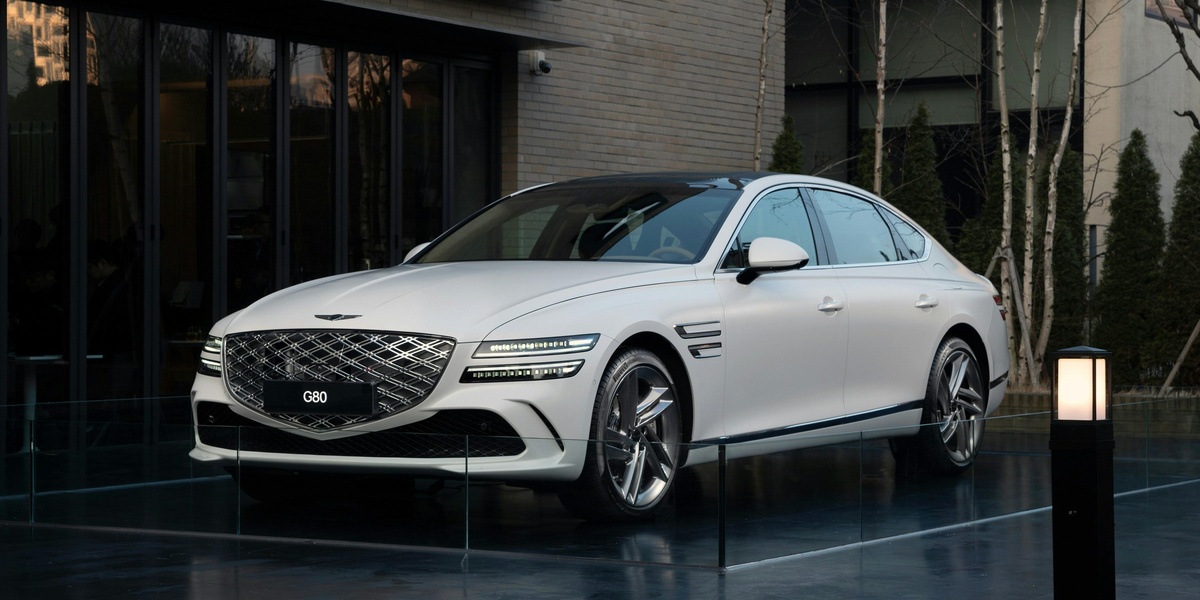
Luxury marques often promise refinement and reliability, yet early owner reports and industry surveys have flagged specific Genesis models for outsized defect and recall activity. Reliability matters because faults translate directly into repair bills, unexpected downtime, and weaker resale — all of which erode the premium ownership experience people expect from a luxury brand. This list identifies the eight models with the clearest evidence of reliability risk and explains the nature of complaints, real-world impacts, and practical buyer actions. The picks below are based on owner complaints, NHTSA recall summaries, and third-party notes (J.D. Power, Consumer Reports) rather than sweeping judgments, so readers should verify VIN histories and service records before deciding. Expect three broad categories: early-generation teething, software and infotainment headaches, and higher-cost powertrain or mechanical failures.
Early-generation growing pains

When Genesis split from Hyundai and rapidly expanded its lineup, several early model years carried over platforms and components that hadn’t fully matured for a premium segment. That transition produced a noticeable cluster of complaints from roughly 2013 through 2019, with platform carryover, introduction of new infotainment hardware, and initial calibration of advanced driver aids all contributing to elevated recall and service-bulletin activity (NHTSA complaint summaries; manufacturer recall notices). First model years commonly show higher variability as suppliers and engineers iterate hardware and software; that pattern showed up in warranty-return rates and owner-forum reports. Elevated early recall counts also compressed resale values: used-market premiums for later, trouble-free model years rose while early units often traded at a discount despite strong equipment levels. Buyers should pay special attention to registration-year ranges, documented recall completions, and any extended-warranty transfers when evaluating pre-2018 Genesis examples.
1. 2015–2017 Genesis G80 — early reliability complaints
The 2015–2017 Genesis G80 is frequently cited for early electrical gremlins, transmission hesitation, and infotainment glitches as owners adopted new luxury features. NHTSA complaint logs for 2015–2017 models show multiple entries for warning-light illumination and intermittent transmission hesitation (NHTSA complaint summary, 2016–2018), and Hyundai/Genesis issued at least one recall and several service bulletins addressing software/ECU updates in that window. Owners on forums such as GenesisOwnersForum report repeated dealer visits for infotainment re-flashes and occasional torque-converter shudder under light throttle (forum reports, 2016–2018). In everyday terms this can mean inconvenient trips to the dealer, occasional limp-home modes, and repair costs that add up: expect diagnostic visits in the $150–$250 range and some repairs (software plus parts) that can cross $1,000 if hardware replacement is needed.
Buyer checklist: verify recall and service-history completion by running a VIN recall check (NHTSA VIN lookup), test drive for transmission smoothness across city and highway shifts, check that infotainment updates are documented, and consider an extended powertrain warranty if the vehicle is outside factory coverage.
2. 2017–2019 Genesis G90 — flagship stumbles
The G90’s 2017–2019 examples, as the brand’s flagship, drew complaints for high-cost systems: air suspension failures, advanced-electronics malfunctions, and complex ADAS calibration issues. Recalls and technical service bulletins in 2018–2019 addressed suspension compressors and ECU-related software fixes (manufacturer recall notices, 2018–2019). Because flagship components are expensive to replace, out-of-pocket repair estimates are often steep — a failing adaptive air-ride compressor or module replacement can land in the $2,500–$7,000 range depending on parts and labor.
For prospective buyers prefer later-model-year examples that benefited from dealer updates, and ask for full service invoices showing suspension and electronics work. If an early G90 has active adaptive suspension codes or uneven ride height, factor likely repair costs into the purchase decision.
3. 2013–2014 Hyundai Genesis (early platform) — legacy headaches
Before Genesis split into its own marque, the 2013–2014 Hyundai Genesis platform showed issues that later reappeared in early Genesis-branded cars: notable engine oil consumption reports, occasional injector or turbo-related faults on certain trims, and some transmission complaints (NHTSA complaint summaries, 2013–2015). Owners reporting high oil consumption often logged top-ups every few hundred miles, and serious engine work (head gasket or rebuild) can exceed $3,500–$6,000 in labor and parts.
Used-market trade-offs are real: older examples can be bargain-priced, but buyers should insist on a pre-purchase inspection that includes an oil-consumption test, compression check, and a review of service invoices to confirm timely oil changes and any engine-related repairs.
Electronics and infotainment headaches
Modern luxury cars lean heavily on software and high-resolution infotainment hardware; when integration falls short, owners suffer repeated dealer visits and lost convenience. In Genesis examples, software-update recalls, persistent screen freezes, and wireless connectivity breakdowns have been common enough to merit service bulletins and documented dealer procedures. Frequent software flashes not only inconvenience owners but can raise safety concerns if ADAS modules lose calibration or if warning lights affect driver confidence (manufacturer service bulletins; J.D. Power infotainment satisfaction notes). Below are models where infotainment and electronics issues have been most reported.
4. 2020–2022 Genesis GV80 — early software and electrical faults
The GV80, introduced for the 2021 model year (with some 2020 production), experienced a notable cluster of electrical warnings, ADAS-calibration notes, and infotainment freezes during its early production run. NHTSA and manufacturer documents show software-related recalls and multiple service bulletins issued in 2021–2022 to address electrical harness routing, module programming, and camera/module calibration (manufacturer recall notices, 2021). Owners reported repeated dealer visits for software reflashes and intermittent loss of driver-assist features (forum reports, 2021–2022), which can compromise convenience and, in edge cases, safety if critical sensors are affected.
Buyer actions: prefer vehicles produced later in the run (mid-2021 or newer) when many updates were applied, ask the dealer for a printout of software versions and completed reflashes, and test ADAS features (adaptive cruise, lane-centering) during a trial drive under controlled conditions.
5. 2021–2023 Genesis GV70 — infotainment and connectivity complaints
Early GV70 owners commonly reported connectivity problems: Bluetooth dropouts, intermittent wireless Apple CarPlay/Android Auto disconnections, and occasional system reboots. Consumer complaint entries and owner threads from 2021–2023 detail repeated sessions at dealers for module updates and wireless-pairing fixes (consumer complaint summaries, 2021–2023). While these issues rarely disable a vehicle, they directly affect daily usability: missed calls, navigation interruptions, and repeated pairing hassles.
Practical pre-purchase checks include pairing multiple phones, testing wireless CarPlay/Android Auto with music and navigation loaded, and asking whether infotainment module recalls or TSBs have been completed. If repeated reflashes appear in service records, that indicates a history of software instability.
6. Electrified G80 / EV variants — integration and charging software quirks
Electrified and EV variants sometimes reveal issues unique to battery management and charging-software integration. Early owner reports include irregular state-of-charge displays, slower-than-expected AC charging, and inconsistent range-estimation behavior after firmware updates (owner-reported charging anomalies, 2021–2023). Manufacturer bulletins for EVs occasionally address charging control modules and battery-management firmware; incomplete or delayed updates can materially reduce convenience for daily charging routines.
Buyers should verify that firmware updates for battery-management systems are current, test DC fast and AC charging during the evaluation (note charge acceptance rates), and examine any dealer notes on range recalibration or battery-service work. Ask for the EV’s charging logs if available and confirm warranty coverage for high-voltage components.
Powertrain and mechanical concerns
Mechanical failures—transmission faults, engines with high oil consumption, and cooling or turbocharger issues—tend to produce the highest direct repair costs and the most durable reliability scars. Unlike software bugs that can sometimes be fixed with reflashes, major mechanical work (transmission rebuilds, turbo replacements, head repairs) typically carries large bills and long downtime. Service bulletins and owner-complaint trends point to particular model-year and powertrain clusters; when multiple owners report the same mechanical symptom before 50,000–80,000 miles, that pattern should raise caution and prompt deeper inspections (TSBs, owner-complaint logs). Below are the Genesis models most frequently associated with tangible mechanical risk.
7. 2019–2021 Genesis G70 — transmission and drivetrain reports
The G70’s 2019–2021 examples generated repeated reports of transmission shudder, abrupt downshifts, and delayed engagement—symptoms owners said sometimes appeared before 50,000 miles (owner reports, 2019–2021). Manufacturer technical bulletins addressed clutch and torque-converter calibration for certain transmissions, and some dealers performed adaptive learning resets or fluid-service interventions. Where software fixes weren’t effective, deeper transmission work (clutch pack or torque-converter replacement) could run $2,500–$6,000 depending on labor and parts.
Pre-purchase checks should include a cold-start and hot-drive test to observe any shuddering, a review of transmission-service history (fluid changes, software updates), and, if possible, a dealer diagnostic printout showing any historical transmission codes.
8. GV80 / large SUVs — oil consumption and cooling-system issues
Among larger Genesis SUVs, owners have reported excessive oil consumption, coolant leaks, and occasional turbocharger-related maintenance in specific production batches (owner complaints and NHTSA entries, 2020–2022). Excessive oil use—measured in quarts per 1,000 miles—was a recurring anecdote (owners reporting top-ups every few hundred to 1,000 miles), which increases ownership cost and raises long-term wear concerns. Cooling-system failures and leaks can further lead to overheating events if not addressed promptly.
During inspection, log oil levels over a week or 500 miles, have a UV-dye coolant pressure test performed, and ask the dealer about any turbo or coolant-related recalls/TSBs. If significant oil consumption is present, request documentation of the cause and any corrective action under warranty.
Summary
- Patterns: early-generation Genesis models (2013–2019) and newly introduced EV/infotainment systems produced the bulk of reported issues; electronics and software complaints are frequent, while powertrain failures carry the highest repair cost (NHTSA complaint summaries; manufacturer TSBs).
- Notable examples: the 2015–2017 G80 for infotainment and transmission complaints; the GV80 (2020–2022) for software and ADAS recalibration work; and the G70 (2019–2021) for transmission shudder reports.
- Buyer actions: always run a VIN recall check (NHTSA VIN lookup), request full service invoices showing software reflashes and mechanical repairs, perform specific tests (transmission smoothness, ADAS function, charging behavior), and obtain a professional pre-purchase inspection with compression and oil-consumption checks.
- Warranty and cost mitigation: favor later production dates that received field fixes, insist on documented software updates, and consider purchasing an extended powertrain or electronics warranty for models outside factory coverage.
- Validate claims: cross-check any concerning items against NHTSA recalls, J.D. Power or Consumer Reports notes, and owner-forum threads (e.g., GenesisOwnersForum) before completing a purchase.

Marco Delantero
More from Marco DelanteroHow we reviewed this article
This article was researched against manufacturer records and editorially reviewed before publishing. We accept no payment for coverage.