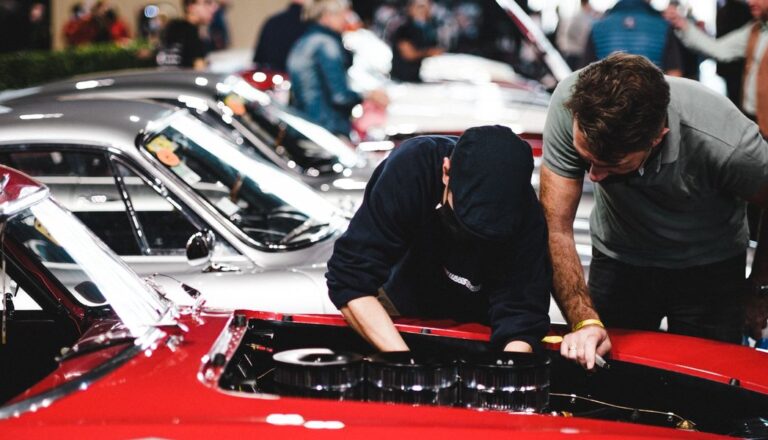
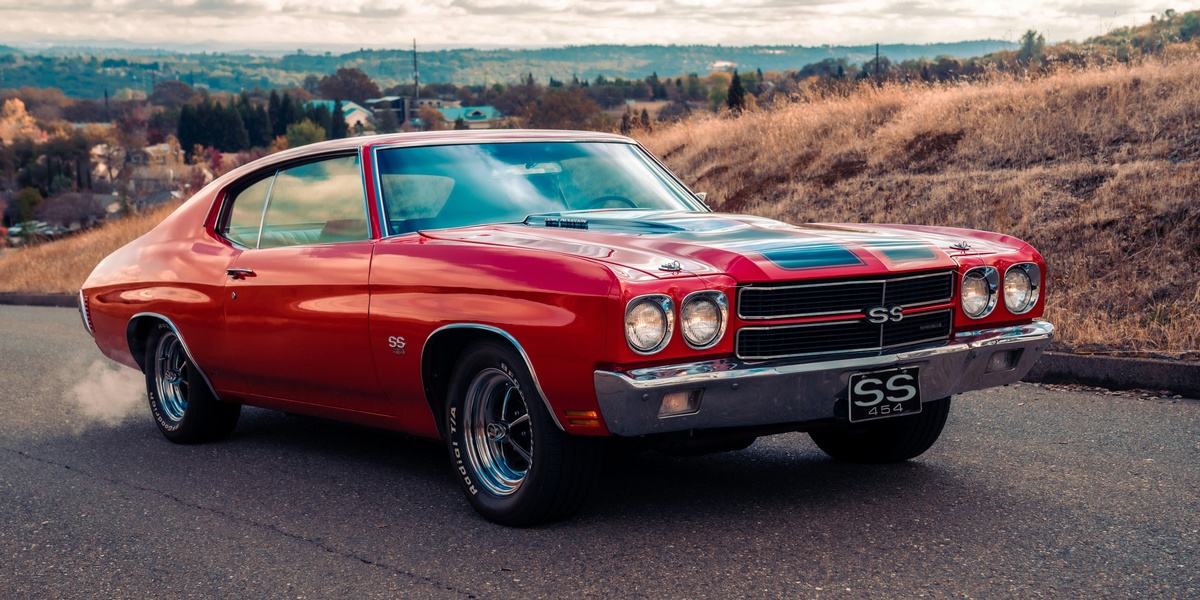
In 1964 the Ford Mustang launched a cultural tidal wave. Within two years Detroit answered with a new category: affordable performance for the masses. That era, roughly 1964–1972, set the terms for a long-running debate about which cars best captured American speed and style.
Comparing muscle car vs pony car matters for enthusiasts, buyers, and collectors because the choices mean different ownership costs, restoration paths, and future value. One car favors raw displacement and quarter-mile numbers. The other sells a sporty, compact persona with broader daily-use appeal.
Thesis: While both share fastback lines and V8 allure, classic muscle cars offer seven clear advantages — superior straight-line performance, simpler V8 architecture, vast aftermarket support, bolder styling, stronger collectibility, easier maintenance, and a richer ownership culture.
Below are those seven advantages, grouped into performance and engineering, design and culture, and practical ownership benefits.
Performance and Engineering Advantages
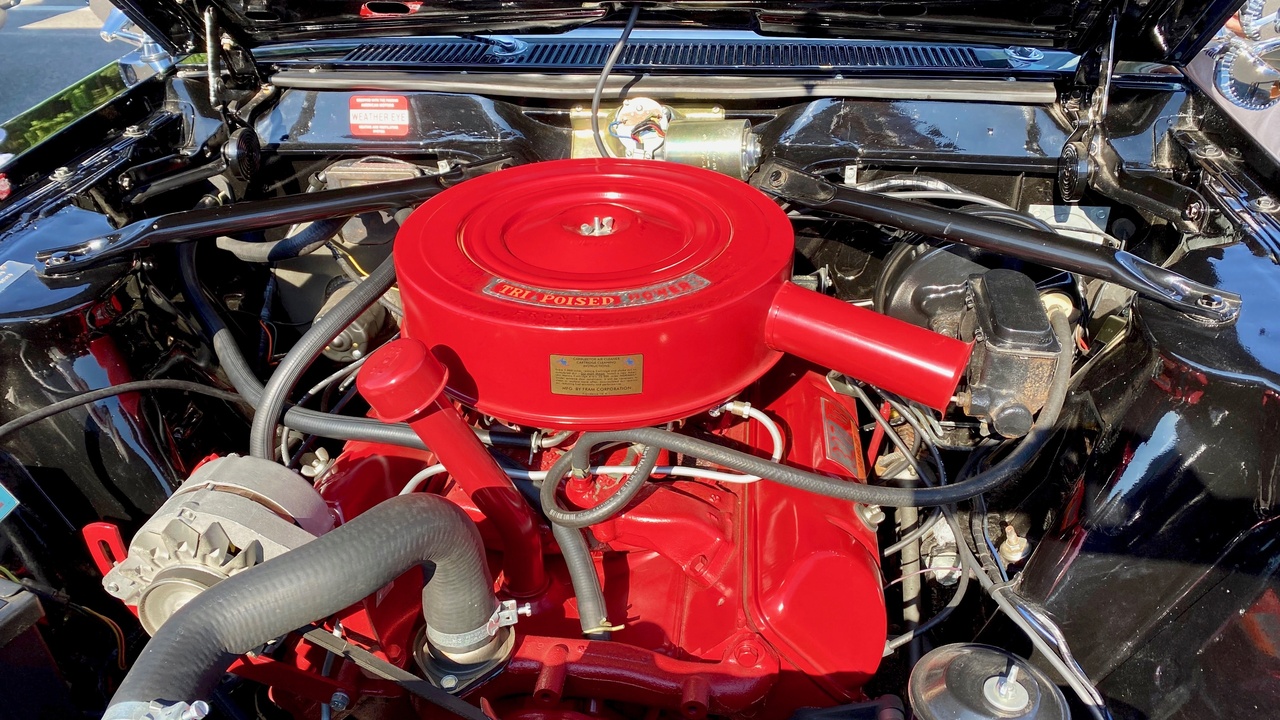
From about the mid-1960s through the early 1970s, muscle cars were engineered around big-displacement V8s and straight-line speed. The next three points show why builders prioritized horsepower, simple mechanical design, and an upgrade-friendly platform for owners and racers.
1. Raw Power and Straight-Line Performance
Muscle cars were built to maximize horsepower and torque for fast launches and low quarter-mile times. Late‑1960s production power ratings commonly ran from about 300 to 425+ hp on full‑size V8s.
That translated to measurable performance. Some factory Hemi‑era cars could dip into the mid‑5 second 0–60 range when set up for the strip, while many stock late‑60s muscle cars ran low‑ to mid‑13s in the quarter-mile.
For buyers and collectors this matters because straight‑line speed is usable in drag racing, spirited highway passing, and show credibility. Examples include the 1969 Dodge Charger R/T with factory figures near 425 hp and the 1967 Chevrolet Camaro SS with a 396 V8 aimed directly at acceleration performance.
2. Simple, Robust V8 Architecture
Classic muscle cars used relatively simple pushrod V8s with durable, serviceable components. The valve trains were straightforward and there were far fewer electronics than on modern engines.
That simplicity cuts repair complexity and cost. The Chevrolet small‑block — introduced in 1955 and evolved across decades — illustrates how long production runs keep parts plentiful for more than 60 years.
For hobbyists and independent shops this means easier DIY work, cheaper rebuilds, and predictable maintenance intervals. You can swap heads, replace camshafts, or rebuild a block without needing factory-level diagnostic gear.
3. Aftermarket Tuning and Upgradability
Muscle cars benefit from an aftermarket ecosystem built over 50+ years. There are thousands of suppliers offering parts, and crate engines that produce anywhere from 400 to 800+ hp are common.
That gives owners a wide power spectrum to choose from — mild bolt‑ons for streetability or full race packages for track work. Popular upgrades include Edelbrock Performer RPM cam and intake combos and Holley carburetor or EFI conversion kits.
Contemporary crate swaps — for example Chevrolet crate LS engines — let older cars match or exceed original outputs without extensive fabrication. The result: cost‑effective performance gains and long service life.
Design, Culture, and Ownership Advantages
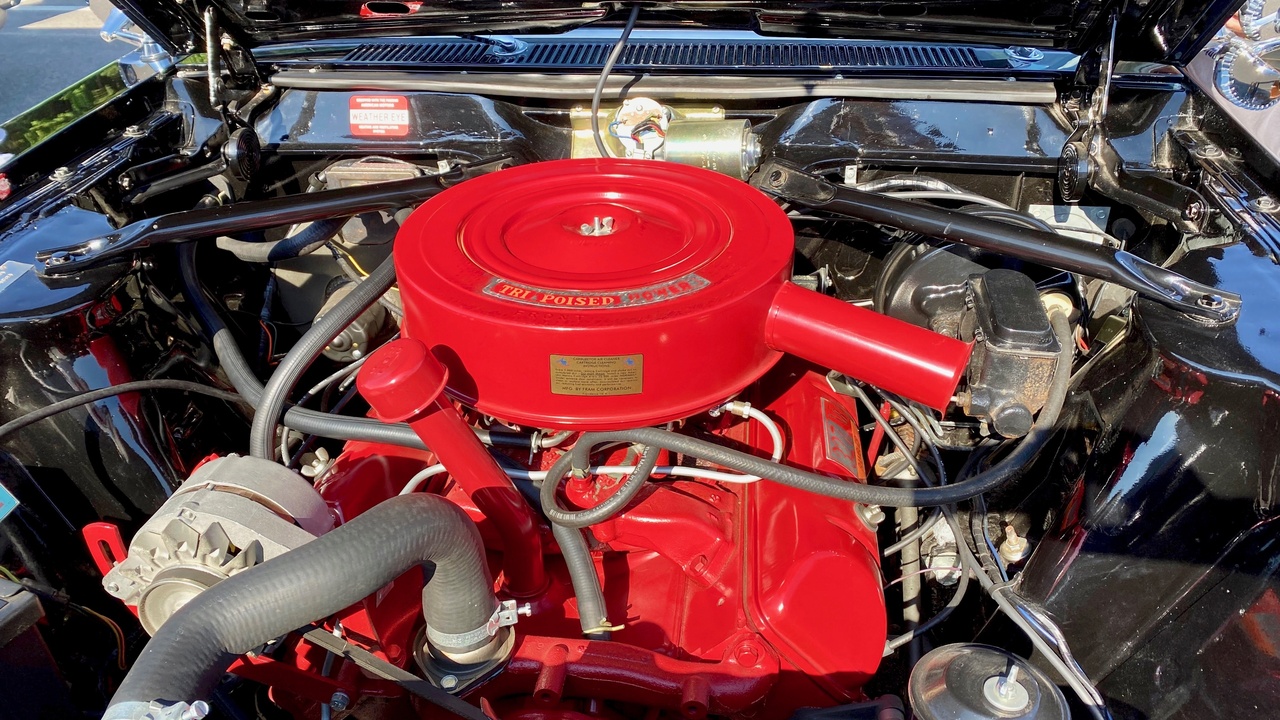
Beyond raw numbers, muscle cars carry a visual and cultural heft that pony cars often don’t match. Styling, media presence, and collector interest create a distinct identity that helps resale and social cachet.
4. Iconic Styling and Presence
Muscle cars deliver a visual and visceral presence thanks to wide stances, long hoods, and short decks. Those proportions were designed to showcase big engines and aggressive intent.
That language created signature models: the Charger, GTO, Chevelle, and Plymouth ‘Cuda are instant recognitions of performance. The look matters at shows and on the street because it signals capability and pedigree.
Examples like the 1970 Plymouth ‘Cuda and the 1969 Chevrolet Chevelle SS still draw higher attention and offers simply because of their stance and detailing.
5. Collectibility and Resale Value
Many muscle cars have proven collectible and can appreciate substantially. Rarity, factory high‑performance options, and documented provenance often push prices into six or seven figures.
Concrete auction results underline that fact: certain 1970 Plymouth Hemi ‘Cuda examples have crossed the $1,000,000 mark, and well‑documented 1969 Yenko Camaros trade for high six figures depending on options and condition.
For buyers this means checking production numbers, option codes, and VIN data is critical. Cars with matching numbers, verified option packages, and intact documentation typically hold value best.
Practical Ownership Benefits

Outside of thrills and style, muscle cars often make practical sense for owners. Standardized parts, reproduction panels, and strong clubs keep maintenance down and community support high.
6. Straightforward Maintenance and Parts Availability
Many muscle cars were built using standardized parts and decades of reproduction suppliers now supply tens of thousands of SKUs. That includes sheet metal, trim, brake components, and driveline pieces.
Because the mechanical systems are simpler than modern cars, labor time is often lower and independent shops can handle most repairs. Reproduction quarter panels for 1967–1969 Camaros and remanufactured carburetors are everyday examples.
For weekend restorers this means lower parts cost, shorter turnaround, and clearer restoration paths compared with rare modern specialty components or electrified systems.
7. Community, Events, and Ownership Experience
Muscle‑car ownership comes with a social dividend: clubs, cruises, track days, and swap meets that help new owners get up to speed. Local cruise nights often attract dozens to hundreds of cars; national gatherings can number in the thousands.
Events like Goodguys shows and regional Mopar or Mustang club meets are hubs for parts trading, tech advice, and hands‑on learning. Swap meets remain a primary source for tricky trim pieces and NOS parts.
That community reduces friction for first‑time restorers and creates shared knowledge that keeps these cars on the road and in shows year after year.
Summary
Classic American muscle offers more than loud exhaust and big numbers. The surprising mix is durability from simple V8 designs, an aftermarket large enough to supply crate engines and restoration panels, and real auction values that reward rarity and provenance.
Taken together, those strengths help explain why collectors and home mechanics still favor big‑displacement platforms for performance projects and investment cars.
- Consider engine simplicity when buying a project car—matching‑numbers V8s ease restorations.
- Check production numbers and option codes for collectibility before bidding or buying.
- Factor aftermarket support into cost estimates—crate engines, EFI kits, and repro panels cut time and expense.
- Attend a local cruise or national show to compare models and source parts firsthand.
Want to learn more? Start by visiting a local muscle‑car meet, browsing parts catalogs for your model, or subscribing to restoration guides for deeper build checklists.
Other Car Type Comparisons

Marco Delantero
More from Marco DelanteroHow we reviewed this article
This article was researched against manufacturer records and editorially reviewed before publishing. We accept no payment for coverage.