Top 8 Most Reliable Jeep Cars
Jeep’s reputation for rugged longevity goes back decades: many Wrangler and Cherokee examples regularly pass 200,000 miles with routine maintenance.
That reputation started with military roots and evolved into consumer four-by-fours built for utility more than gadgetry. Early Jeeps used heavy steel, simple drivetrains, and straightforward electrical systems, while later models kept that DNA but added modern comforts. Buyers often want capable off-road vehicles that don’t become money pits; picking the right model and doing a few basic maintenance tasks makes all the difference. This article identifies eight Jeep models that consistently earn praise for durability, straightforward engineering, and real-world longevity — useful picks if you want a Jeep that lasts. Below, the list is grouped into classic durability picks, modern models with proven mechanicals, and ownership tips that extend service life.
Classic models known for longevity
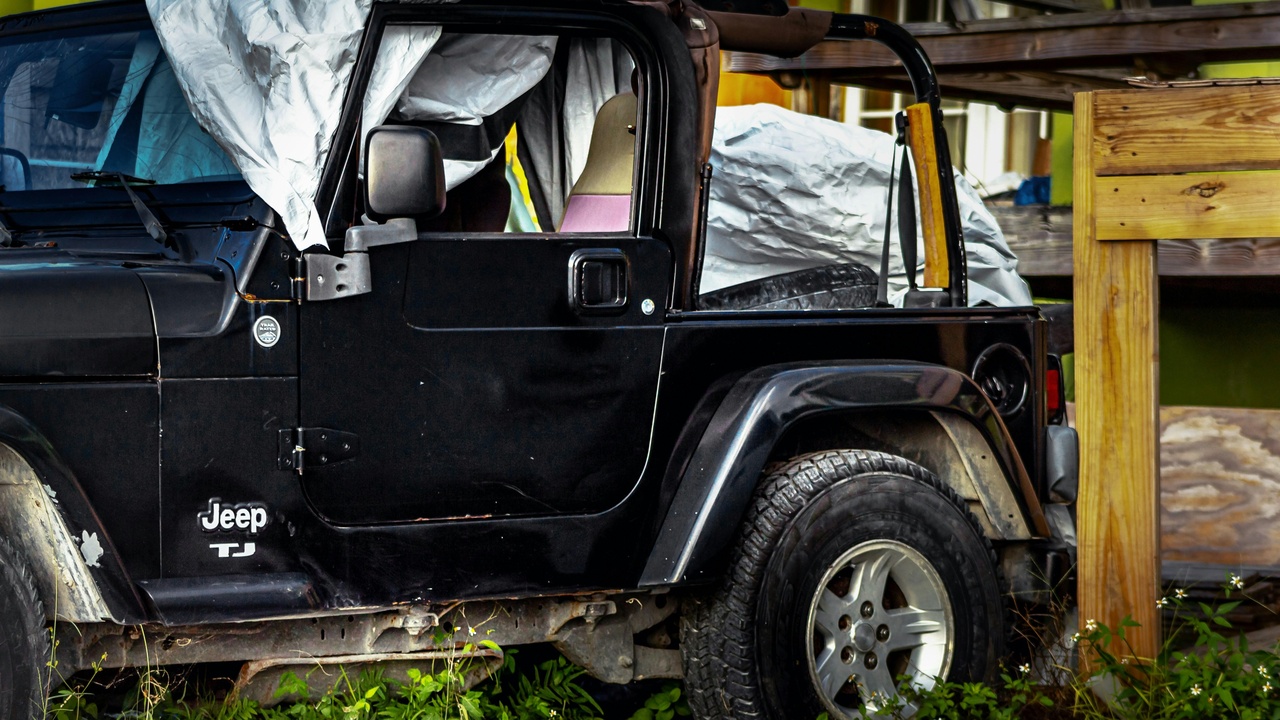
Older Jeeps often outlast many contemporary vehicles because their mechanical simplicity makes them easier to maintain and repair in the field. Fewer sensors and simpler wiring reduce failure points, while robust drivetrains and a massive aftermarket mean worn parts are easy to find and replace. Below are three classic models that owners frequently report driving far past the 200,000-mile mark.
1. Jeep Wrangler (TJ / JK / JL) — enduring go-anywhere workhorse
The Wrangler—across TJ (1997–2006), JK (2007–2018), and JL (2018–present)—is the most iconic and commonly cited durable Jeep. Body-on-frame construction, solid axles front and rear on most trims, and a simple transfer case/transmission layout make it straightforward to repair after trail damage. Owners frequently report Wranglers reaching 200,000 miles and beyond; there are well-known examples north of 300,000 miles used as daily drivers and trail rigs. Commonly durable components include manual transmissions, NP/NV transfer cases (when serviced properly), and replaceable axle assemblies. Huge aftermarket support means replacement differentials, lift components, and brake parts are inexpensive and easy to install, keeping old Wranglers on the road for decades.
2. Jeep Cherokee XJ (1984–2001) — simple, durable commuter and trail partner
The Cherokee XJ, produced 1984–2001, is renowned for the 4.0L inline-six that delivers long life with modest maintenance. Its unibody chassis and straightforward electronics kept repair costs low and made it popular for overlanding and daily driving. Real-world reports of XJs hitting 250,000+ miles are common when owners address the cooling system, replace head gaskets as needed, and maintain valve clearances where applicable. Aftermarket parts and donor components are abundant, so a tired XJ can be rebuilt without breaking the bank. Practical upgrades like reinforced cooling, an upgraded radiator, and fresh ignition bits often return years of additional service from these hardy machines.
3. Jeep Wagoneer SJ (1963–1991) — full-size tough with lasting hardware
The full-size Wagoneer SJ (1963–1991) relied on heavy steel frames and large-displacement engines—225 cu in straight-six up through 360 cu in V8s—so many spent decades in farm and utility roles. Their simple mechanicals and plentiful parts from the era make restoration and long-term ownership realistic; plenty of SJ Wagoneers remain roadworthy after 30–40 years with routine rebuilds. Owners who regularly service oil and cooling systems and address rust early report these trucks can serve as family haulers or utility rigs for generations. The combination of mass, simple drive components, and easy-to-source engines keeps many SJs on the road today.
Modern models with proven mechanicals
Some newer Jeeps pair modern conveniences with established engine families and better corrosion protection, delivering reliable service when maintained. The Pentastar 3.6L V6 (introduced broadly in 2011) and conservative drivetrain choices offer strong trade-offs between performance and durability. Below are three modern models that balance comfort and long-term dependability.
4. Jeep Gladiator (JT) (2019–present) — modern pickup with Wrangler DNA
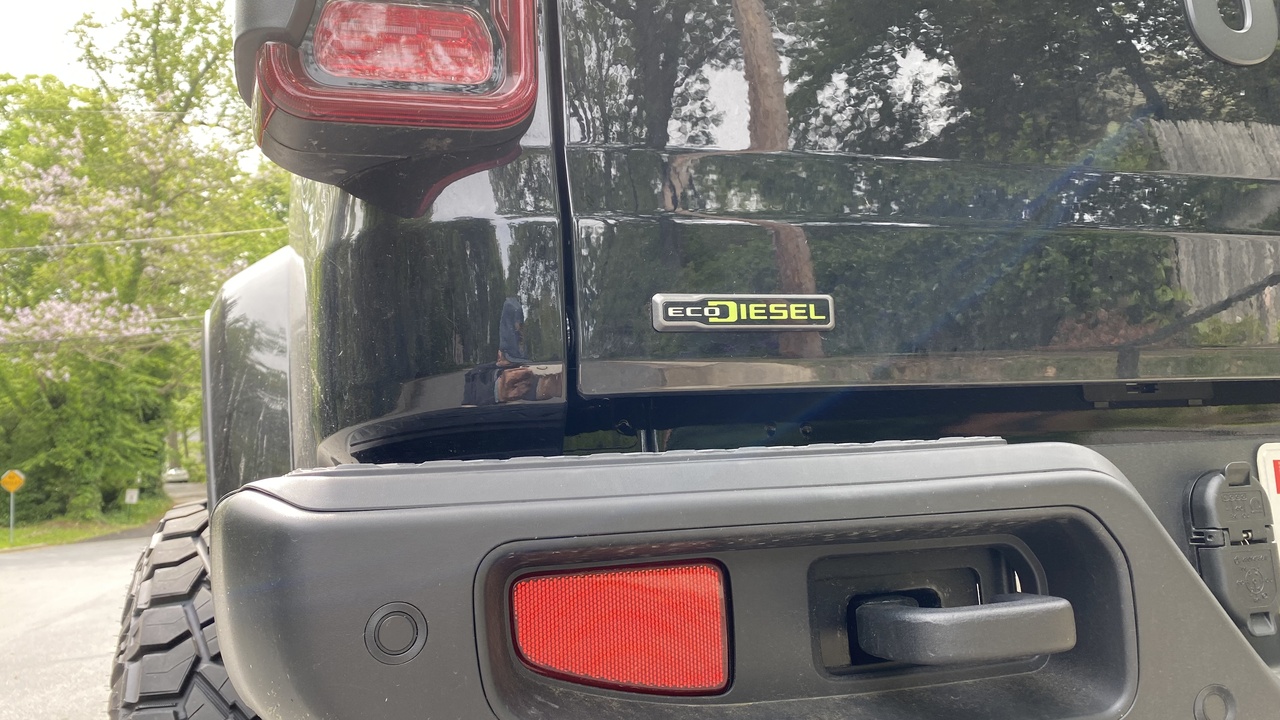
The Gladiator (introduced 2019) shares much of its underpinnings with the contemporary Wrangler, giving it proven transfer cases and axle setups plus strong parts interchangeability. Engine choices include the tried-and-true 3.6L Pentastar V6 and an optional 3.0L EcoDiesel; properly maintained Pentastar-equipped Gladiators tend to hit high-mileage thresholds without exotic repairs. Depending on configuration, towing capacity goes up to about 7,650 lb while payload varies by trim, making the JT practical for boats or trailers as well as overland gear. Owners benefit from Wrangler-compatible service parts, and the truck-bed utility means many Gladiators see mixed commercial and recreational use yet still return solid longevity when routine service is followed.
5. Jeep Grand Cherokee WK2 (2011–2021) — refined platform with reliable Pentastar V6
The WK2 Grand Cherokee (2011–2021) improved fit-and-finish and offered the Pentastar 3.6L V6, an engine family introduced broadly in 2011 with generally solid service records. Many owners report 150,000–250,000 miles with regular oil changes and coolant maintenance, and later models paired the V6 with an 8-speed automatic that, when serviced, performs reliably. For buyers seeking a modern, comfortable SUV that still prioritizes mechanical simplicity, mid‑trim V6 WK2s are a smart choice—fewer forced-induction components, widely available service parts, and good corrosion protection compared with older Cherokees.
6. Jeep Grand Cherokee WJ / ZJ (1993–2004) — simple electronics, proven V6/V8 options
Earlier Grand Cherokees—the ZJ (1993–1998) and WJ (1999–2004)—combine comparatively simple electronics with durable drivetrains. The ZJ offered options like the 5.2L V8 on some trims, while the WJ refined comfort without becoming overly complex mechanically. These models remain popular in the used market because parts interchange, straightforward repair procedures, and serviceable engines make long-term ownership affordable. Typical roles include family hauling, moderate towing, and light off-road use after modest suspension and skid-plate upgrades.
Ownership and maintenance choices that improve reliability
Model matters, but ownership habits often determine whether a Jeep reaches 200,000+ miles. Routine preventive care, choosing simpler engine options, and using the vast aftermarket for protective upgrades keep Jeeps on the road much longer. The two entries below cover simple trucks that are DIY-friendly and practical maintenance choices that extend service life for any Jeep.
7. Jeep Comanche (MJ) (1986–1992) and similar simple-platform trucks — easy to maintain
The Comanche MJ (1986–1992) shares many parts with the Cherokee XJ—most notably the 2.5L inline-four and the 4.0L inline-six—making it economical to keep running. Limited electronics and a simple mechanical layout allow owners to perform many repairs themselves, from carburetor/tune-up work to suspension refreshes. Key maintenance tasks that extend life include regular oil changes, rust prevention on the frame and cab, cooling system checks, and following valve/ignition service intervals on older engines. For owners who enjoy hands-on upkeep, small trucks like the Comanche are forgiving and inexpensive to maintain into high mileage.
8. Choosing the right trim and following maintenance — what adds years to a Jeep
Reliability often depends more on trim and upkeep than model year alone. Prefer naturally aspirated engines such as the 3.6L Pentastar in modern Jeeps and avoid turbocharged or high-strung options unless you plan on meticulous service. Keep oil changes at roughly every 5,000–7,500 miles, refresh cooling components (radiator, hoses, water pump, thermostat) around every 100,000 miles, and inspect rust-prone areas annually. Simple aftermarket upgrades—skid plates, upgraded cooling, and sealed electrical connectors—reduce failure risk for off-road use. Always check service records, look for evidence of frame or flood repairs, and, when possible, choose vehicles with documented maintenance to maximize years of reliable use.
Summary
- Prioritize models with proven, serviceable engines: older Wranglers, Cherokee XJ (4.0L), and Pentastar‑equipped Grand Cherokees tend to deliver the best longevity for the least headache.
- Classic Jeeps win on simplicity—solid axles, mechanical transfer cases, and fewer electronics mean easier field repairs and long service life (many examples exceed 200,000 miles).
- Modern choices like the Gladiator and WK2 Grand Cherokee balance comfort with durable mechanicals; pick naturally aspirated engines and follow factory service intervals.
- Ownership choices matter: oil every 5,000–7,500 miles, cooling-system refreshes near 100,000 miles, annual rust checks, and reviewing service records before purchase add years to any Jeep.

James Kowalski
More from James KowalskiHow we reviewed this article
This article was researched against manufacturer records and editorially reviewed before publishing. We accept no payment for coverage.