In the late 1950s and early 1960s British rockers stripped road bikes down to shave seconds between transport cafés, and that Ton-Up scene gave the cafe racer its look. At the same time, off-road tinkering and early scrambles fed the scrambler story. Those two threads still shape how people choose a bike today.
For a typical rider—commuting, weekend road rides, working with a modest customization budget, and thinking about resale—the differences matter. Comparing cafe racer vs scrambler choices often comes down to on-road focus versus off-road readiness, styling, and cost to modify.
This piece lays out seven clear advantages of choosing a cafe racer over a scrambler, grouped into three categories: performance & handling; design & practicality; and cost, customization & community.
Performance and Handling Advantages
Design choices—weight, wheels and tires, ergonomics, and gearing—drive how a bike behaves on pavement. The next three points explain why cafe-style machines often feel quicker and more focused on roads and twisty backcountry tarmac.
1. Sharper on-road handling thanks to lower weight and geometry
Cafe builds usually trim bodywork, ditch passenger comforts, and fit narrower road tires to cut mass and rotational inertia. That translates to crisper turn‑in and faster flicks between lanes.
As a rule of thumb, lightweight cafe conversions can drop 10–30 kg compared with an equivalently equipped scrambler setup. Many cafe-oriented bikes keep 17″ road wheels, while scramblers commonly run 17″–19″ wheel combos or knobby tires that slow steering response.
Steeper rake and a shorter wheelbase (even differences of 10–40 mm or a degree or two of rake) give quicker steering. The real-world effect is easier lane changes, less rider fatigue in traffic, and livelier canyon rides—something test riders from mainstream motorcycle magazines often note when comparing tuned roaders to mixed-surface machines.
2. Gearing and power delivery tuned for road speed
Cafe-oriented setups favor taller final drives and engine mapping that rewards mid‑to‑high rpm cruising. That means smoother, lower-rpm highway runs and stronger roll-on performance when passing at speed.
By contrast, scramblers often use shorter gearing to give grunt at low speeds and better hill or trail tractability. Swap a larger front sprocket or shorten the rear on a scrambler and you lose relaxed cruising rpm; give the cafe taller ratios and highway pace feels effortless.
Owners commonly tune with a final‑drive change or an ECU remap to bias the powerband for road use. The result is more decisive exits from corners and less gearbox hunting during steady-state motorway riding.
3. Lower center of gravity and aggressive ergonomics for faster cornering
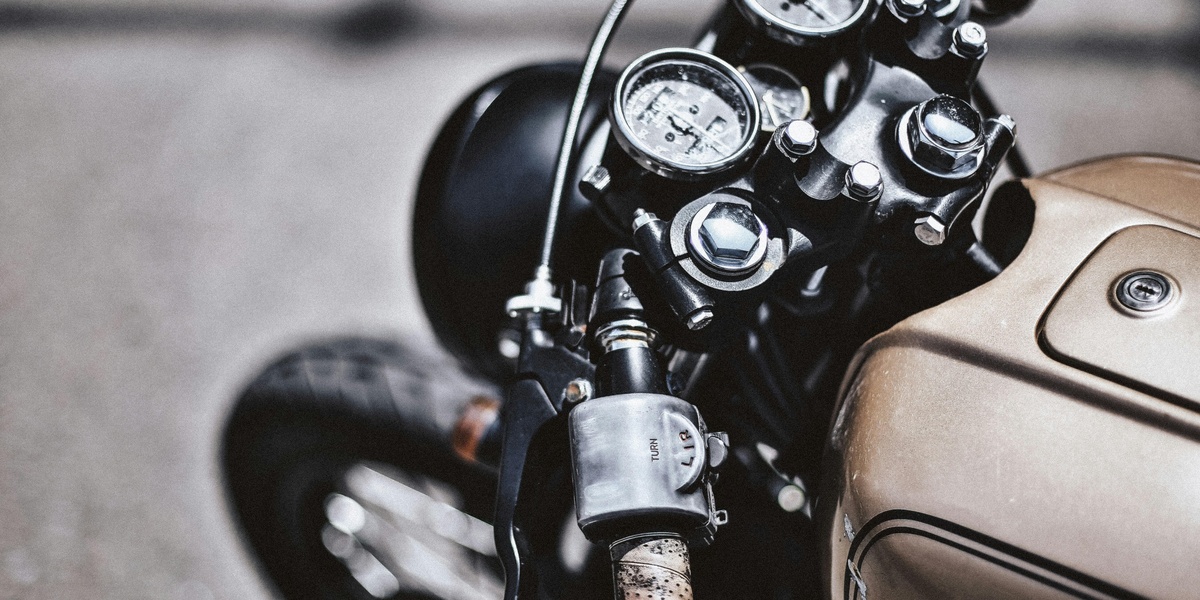
Cafe racers commonly use lower clip‑on bars and rearset footpegs, moving the rider forward and lowering the bike’s center of gravity. That improves front‑end load and steering feedback.
Typical conversions drop bars by 60–120 mm and move pegs back 20–60 mm, depending on the frame. That shift helps the rider preload the front tire through turns and commit to a line on mountain roads.
The trade‑off is comfort: long highway stints feel firmer, and two‑up riding is less practical. For riders who prioritize sporty pavement performance, the ergonomic change is a net gain.
Design, Culture and Practicality
Styling and day‑to‑day practicality form the second axis of differences between these bikes. Cafe racers carry a mid‑century visual language that still reads as intentional and compact on city streets.
4. Streamlined aesthetics and a clear cultural identity
The cafe look traces back to the 1950s–60s Ton‑Up scene—single seats, low bars, and a focus on speed between cafés. That history gives cafe machines a recognisable silhouette that appeals at shows and on social feeds.
Because the style is so catalogued, aftermarket fairings, solo seats, and clip‑on packages are abundant. Turning a Triumph Bonneville into a cafe‑style build, for example, is a well‑trodden path that tends to raise visual desirability and, in some markets, resale interest.
5. Narrow profile and practical day-to-day advantages in urban riding
Slim tanks and compact bodywork make filtering, lane changes, and tight parking easier. In rush‑hour traffic a narrower handlebar span—many cafe setups aim under ~760 mm—helps slip through gaps that wider adventure or scrambler bars struggle with.
Single‑seat configurations cut clutter and can shave weight, which matters when you carry the bike up a narrow stairwell or squeeze into tight garages. The compromise is obvious: less space for a pillion and limited luggage unless you add racks that alter the look.
Cost, Customization and Community Advantages
Cafe racers benefit from a large aftermarket and strong urban communities, which together make many builds quicker and cheaper than scrambling together an off‑road‑ready scrambler conversion.
6. Easier and often cheaper customization paths
The cafe scene has mature, affordable parts: solo seat kits commonly run $100–$600, clip‑ons $150–$450, and mid‑level brake or fork upgrades $500–$2,000. That pricing keeps a DIY weekend project in reach for many riders.
A modest DIY cafe conversion—seat cowl, new bars, short rear subframe, and a tidy exhaust—can be done in the $1,500–$5,000 range depending on parts and tools. A professional shop build that includes paint and suspension work often starts around $6,000 or more.
Because the path is clear—seat, bars, exhaust, and stance—you can phase upgrades and still get a coherent result at each stage. That predictability lowers both cost and the learning curve for novice builders.
7. Strong urban suitability, resale demand, and enthusiastic communities
Cafe racers often match city buyers’ preferences for style, compactness, and rideability. In many metropolitan markets, well‑executed cafe builds draw faster buyer interest than generic commuter bikes.
Local clubs, monthly bike nights, and online forums focused on cafe builds make troubleshooting and sourcing parts easier. Those communities also boost visibility at shows, which helps resale when the time comes.
That said, scrambler communities are lively too; the point is that cafe builds enjoy a particularly deep ecosystem that favors urban owners and hobbyists who want predictable, staged projects.
Summary
- Performance edge: lighter builds, tighter geometry, and road‑biased gearing make cafe machines sharper on pavement.
- Styling and culture: a clear 1950s–60s heritage gives cafes a timeless visual identity and plentiful aftermarket parts.
- Urban practicality: narrow profiles and compact layouts suit commuting, filtering, and tight parking better than many scrambler setups.
- Cost and community: abundant, affordable parts and strong local scenes make cafe conversions accessible for DIYers and attractive on resale.
Want to be sure? Test‑ride both styles and visit a local meetup or bike night before committing. A short ride and some hands‑on time will show which advantages matter most to your riding life.
Other Motorcycle Type Comparisons

Sarah Thornton
More from Sarah ThorntonHow we reviewed this article
This article was researched against manufacturer records and editorially reviewed before publishing. We accept no payment for coverage.