
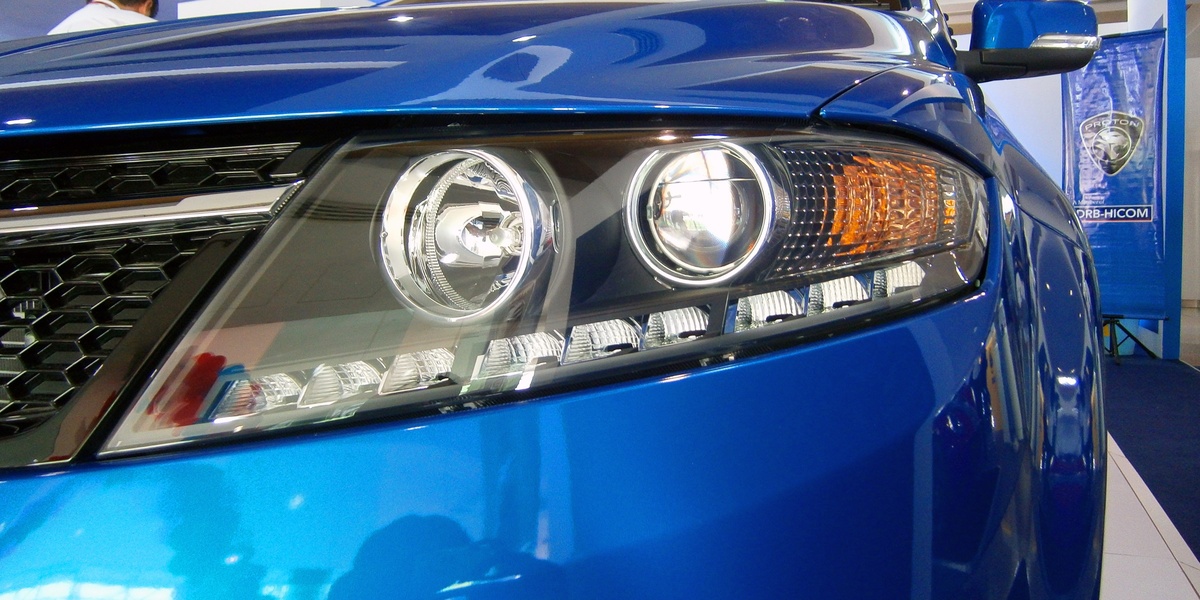
Up to two to three times more usable light on the road after dark — that’s the difference drivers notice when a vehicle uses xenon HID lamps instead of traditional halogen bulbs.
On a late‑night stretch of two‑lane highway, the painted lines suddenly seem to “pop,” reflective signs step forward earlier, and a deer at the roadside is visible with enough time to slow. That improved sightline matters for safety, comfort, and long‑term cost: better illumination reduces reaction time, eases eye strain on long drives, and can mean fewer replacements. High‑Intensity Discharge headlights deliver clear advantages over filament lamps in several areas — but there are trade‑offs. This article breaks down eight specific benefits to help you decide whether an HID upgrade is right for your driving patterns and budget.
Performance and safety advantages

Beam performance is more than a specification sheet — it shapes what you actually see. Nighttime driving produces roughly half of fatal crashes despite fewer miles driven after dark, so how a headlamp lights the road directly affects reaction time and safety. Below are three performance benefits where xenon systems typically outperform traditional filament lamps.
1. Significantly better nighttime visibility
HID systems provide noticeably more usable light down the road than halogen. Typical halogen bulbs produce about 700–1,200 lumens per lamp, while xenon HID systems commonly range from roughly 2,500–3,500 lumens — about 2–3× the usable illumination. That extended reach means you spot road signs, pedestrians, animals, and reflective markers earlier, improving stopping distance and reaction time (real drivers report seeing signs and hazards several seconds sooner on open roads).
Manufacturers and lighting safety studies back those ranges, and many factory‑fitted xenon systems (early‑2000s Audi and BMW premium trims are a good example) pair lamps with calibrated optics for predictable coverage. Next, color and contrast play a big role.
2. Cleaner color temperature and improved contrast
Xenon lamps typically run in the 4,300–6,000 K range, which is closer to daylight than halogen’s warm 3,200 K tone. Whiter light improves color rendering and contrast at night, so lane markings, signs and roadside hazards stand out more clearly.
Many OEM xenon setups use about 4,300 K because it balances visibility and glare; very high‑Kelvin aftermarket bulbs (6,000 K+) can look bright but often reduce effective road illumination and increase scatter. For practical visibility and less eye strain, 4,300–5,000 K is a sensible middle ground.
3. Better beam control when paired with proper optics
HID performance depends heavily on headlamp optics. Projector housings with precise shutters create a sharp cutoff that lights the road while minimizing glare for oncoming traffic. Factory projector xenon systems are tuned to deliver that controlled pattern.
By contrast, shoehorning HID bulbs into simple reflector housings (common with cheap retrofit kits) often produces scattered light and excessive glare, which is both dangerous and, in many places, illegal. If you want HID performance without bothering other road users, match bulbs to projector optics and have the system aimed professionally.
Efficiency and operating cost

HID systems usually cost more up front, but they typically draw less electrical power and last longer, which changes the total cost of ownership. The two main financial benefits are higher luminous efficacy (more light per watt) and lower lifetime operating cost driven by longer bulb life and fewer replacements.
4. Higher luminous efficacy and lower power draw
Xenon HID lamps produce far more lumens per watt than halogen filament bulbs. Typical halogen efficacy falls in the 12–20 lm/W range, while xenon HID systems commonly deliver 60–90 lm/W. Automotive HID modules usually run around 35 W per lamp (ballast included), versus many halogen systems at roughly 55 W per bulb.
That lower draw reduces alternator load, which can slightly improve fuel efficiency and eases strain on a vehicle’s electrical system — a meaningful benefit for cars with many electronic accessories or when adding auxiliary lighting.
5. Lower lifetime operating cost despite higher upfront price
Although HID bulbs and ballasts cost more initially, longer life and fewer replacements often make them cheaper over time. Halogen bulbs last around 450–1,000 hours, while xenon HID bulbs typically last about 2,000–3,000 hours.
For example: a halogen replacement might cost $10–$20 per bulb plus labor ($50±), and you could replace bulbs once or twice over a few years depending on usage. An HID bulb runs $50–$150 and a ballast $50–$150, so upfront expense is higher, but fewer replacements and lower labor frequency can offset that within a few years — especially for drivers who do a lot of night miles.
Durability, maintenance, and practical considerations

Longevity and maintenance shape the ownership experience. HID systems generally require less frequent attention but add components and complexity. Here are two practical factors to weigh before upgrading.
6. Longer service life reduces maintenance frequency
Because xenon lamps don’t rely on a fragile filament, they avoid a common failure mode of halogen bulbs and tend to maintain output longer before dimming. With HID lifespans commonly two to five times longer than halogen, drivers who rack up night miles see the biggest maintenance payoff.
Fewer bulb swaps mean less downtime and lower labor costs over the life of the vehicle. If you commute nightly or frequently drive rural roads, that reduced replacement frequency is tangible savings.
7. Installation, compatibility, and legal considerations
HID systems need ballasts, proper bulbs and occasionally wiring changes, so they are rarely a straight plug‑and‑play swap into halogen sockets. Space for ballasts, secure mounting, and correct connectors are all practical concerns during installation.
Retrofit kits in reflector housings often create excessive glare and may fail inspection in some jurisdictions (rules differ between ECE and DOT regions). If you upgrade, choose OEM systems or high‑quality conversion kits designed for your headlamp housing, and have a shop install and aim the lights to ensure performance and compliance.
Design, comfort, and everyday user experience
Beyond measurable numbers, the quality of light affects comfort and aesthetics. Many owners prefer whiter HID illumination for both perceived visibility and the modern look it gives a car. Keep style and function in balance when picking color temperature.
8. Improved color rendering and driver comfort
Whiter light from xenon lamps helps object recognition and can reduce eye fatigue for many drivers. Aim for 4,300–5,000 K to get a crisp, white beam without the overly blue tint that some high‑K bulbs produce.
In rain or light fog, that balanced color rendering improves contrast so signs and lane markings are easier to read compared with warm halogen light. Modern LED systems now compete strongly on color quality and styling, but HID remains a solid option for drivers after bright, white illumination without extreme blue coloration.
Summary
- HID headlights provide higher light output and whiter color, improving nighttime visibility and contrast compared with traditional filament lamps.
- They typically use less electrical power per lumen and last substantially longer, which can lower lifetime operating costs despite higher initial expense.
- Optics and aiming matter: factory projector xenon systems deliver the best performance with minimal glare, while poorly matched retrofits can cause problems and may be restricted by local rules.
- Weigh your driving habits, budget, and local regulations before upgrading; prefer OEM or reputable retrofit kits and professional installation for the best balance of safety and convenience when comparing hid vs halogen headlights.
Other Comparisons

James Kowalski
More from James KowalskiHow we reviewed this article
This article was researched against manufacturer records and editorially reviewed before publishing. We accept no payment for coverage.