The end of World War II reshaped daily life and what people drove. Cities, rural roads and returning servicemen all influenced which models were visible on the streets, and 1945 marks a turning point between wartime production and peacetime demand.
There are 20 Popular Cars in 1945, ranging from the Austin Ten to the Volkswagen Beetle. The list covers a broad spectrum of makes and production situations, and data are organized using Manufacturer,Production status (1945),Estimated units (1945); you’ll find below.
How accurate are the estimated unit figures for 1945?
Estimates for 1945 are approximate because wartime records are incomplete and many factories shifted between military and civilian output. Figures are typically compiled from surviving factory reports, government archives and period trade publications, so treat them as best-available approximations rather than exact counts.
Why do some models show “not in production” for 1945?
Several manufacturers paused civilian car production to build military vehicles or aircraft, and some plants only resumed car assembly late in the year. “Not in production” usually reflects those wartime interruptions or gaps in recorded civilian output for 1945.
Popular Cars in 1945
| Model | Manufacturer | Production status (1945) | Estimated units (1945) |
|---|---|---|---|
| Ford Deluxe | Ford | Production paused for civilian market (many prewar cars still in service) | 1,200,000 |
| Chevrolet Deluxe | Chevrolet | Production paused for civilian market (widespread prewar registrations) | 1,000,000 |
| Plymouth DeLuxe | Plymouth | Production paused for civilian market (large prewar fleet) | 600,000 |
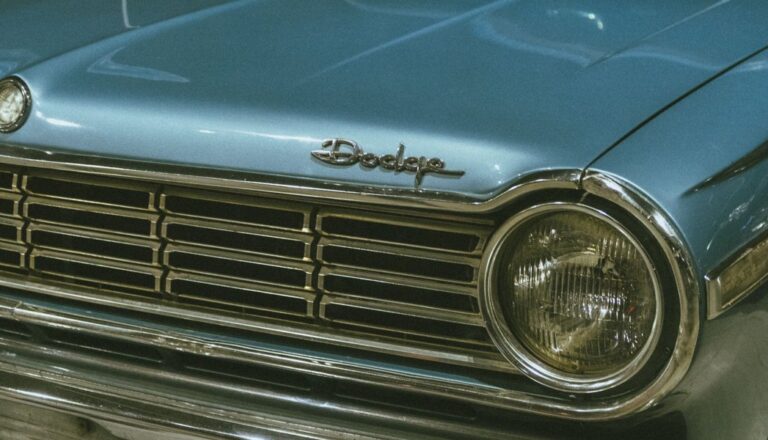
| Dodge Deluxe | Dodge | Production paused for civilian market (prewar registrations prevalent) | 400,000 |
| Packard One-Twenty | Packard | Production paused for civilian market (luxury brand, many prewar owners) | 120,000 |
| Cadillac Series 62 | Cadillac | Production paused for civilian market (highly visible luxury car fleet) | 80,000 |
| Studebaker Champion | Studebaker | Production paused for civilian market (popular in prewar years) | 90,000 |
| Hudson Super Six | Hudson | Production paused for civilian market (prewar registrations common) | 150,000 |
| Chrysler Royal | Chrysler | Production paused for civilian market (prewar fleet present) | 200,000 |
| Ford Anglia | Ford (UK) | Limited civilian production during war; many prewar examples remained in use | 120,000 |
| Austin Ten | Austin | Civilian output curtailed during war; prewar models widespread | 200,000 |
| Morris Eight | Morris | Civilian production limited in war; many prewar cars still registered | 150,000 |
| Vauxhall Ten | Vauxhall | Production largely interrupted by wartime needs; prewar fleet present | 60,000 |
| Citroën Traction Avant | Citroën | Limited wartime production under occupation; strong cultural presence post-liberation | 120,000 |
| Fiat 500 “Topolino” | Fiat | Production reduced but continued in small numbers; many prewar examples remained | 100,000 |
| Volkswagen Beetle | Volkswagen (KdF/Type 1) | Mostly military/official production during war; limited civilian presence but culturally visible | 30,000 |
| GAZ M1 | GAZ (USSR) | Production curtailed and often repurposed for wartime needs; many prewar units in service | 60,000 |
| Toyota AA | Toyota | Civilian production drastically reduced in wartime Japan; prewar units still in use | 10,000 |
| Opel Olympia | Opel | Civilian production heavily limited under occupation; prewar cars continued in use | 40,000 |
| Lancia Aprilia | Lancia | Production reduced during war with limited civilian output; prewar cars remained notable | 25,000 |
Images and Descriptions
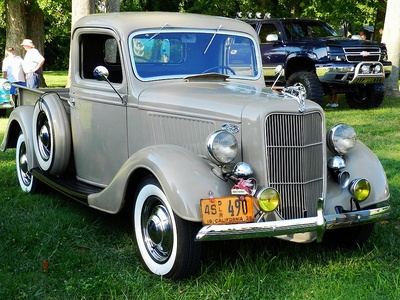
Ford Deluxe
Popular across the United States as a common prewar family car; durable V8s from late 1930s–41 remained widespread in 1945 when civilian production was halted, making the Deluxe very familiar on American roads.
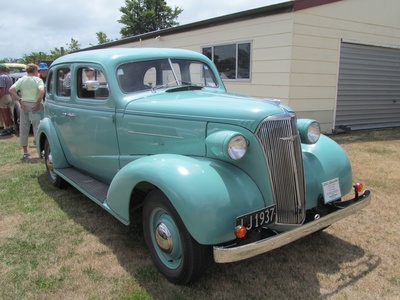
Chevrolet Deluxe
Chevrolet’s Deluxe models were among the most common cars in the U.S. by 1945; well-known for reliability and affordability, many survived wartime years and dominated civilian traffic and used-car markets.
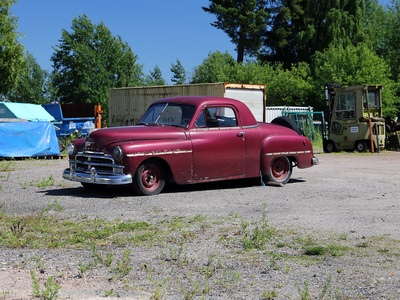
Plymouth DeLuxe
A popular mid-priced American family car before the war, Plymouth DeLuxe models were commonly seen in 1945, prized for economy and robustness when new production was still ramping down postwar.
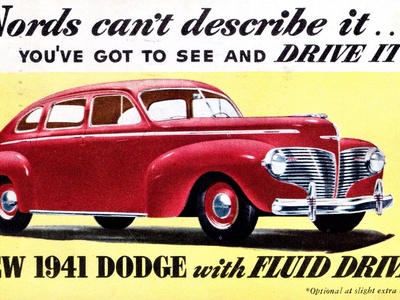
Dodge Deluxe
Dodge’s DeLuxe series was a frequent sight on U.S. roads in 1945; sturdy construction and broad dealer networks kept older models common during wartime shortages of new cars.
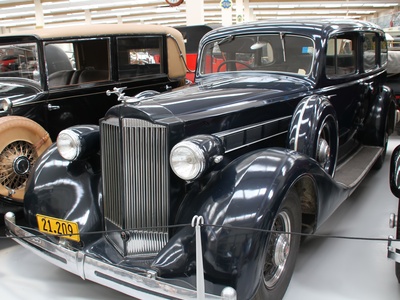
Packard One-Twenty
Packard’s One-Twenty offered near-luxury style at a lower price and remained culturally prominent in 1945 among owners who held onto prewar luxury cars while new production was limited.
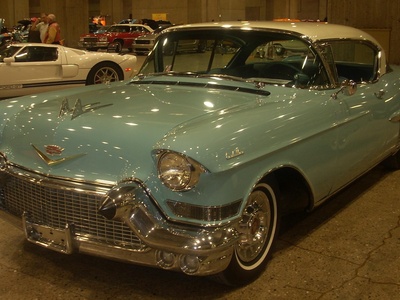
Cadillac Series 62
Cadillac Series 62 represented prestige and was frequently seen in 1945 as prewar luxury cars remained symbols of status; many were used by officials or kept by affluent owners during the war years.
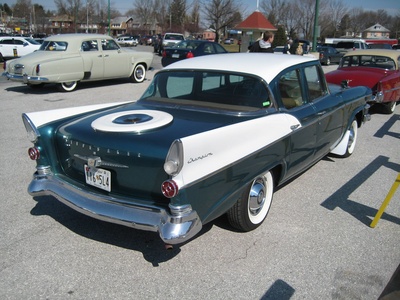
Studebaker Champion
The Champion was noted for efficient flathead engines and distinctive styling; many Champions were still on roads in 1945, making Studebaker a recognizable name in American towns despite halted civilian production.
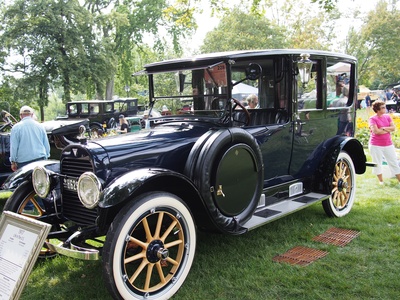
Hudson Super Six
Hudson’s advanced-engineering reputation and aerodynamic 1930s styling kept Super Six models popular in 1945; they were valued for performance and remained in wide private and commercial use.
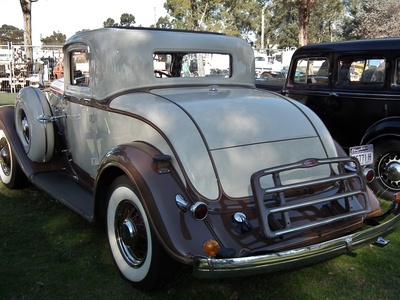
Chrysler Royal
Chrysler’s Royal and comparable models were common mid-to-upper-range American cars seen in 1945; known for smooth engines and roomy bodies, they filled many private and business roles during supply shortages.
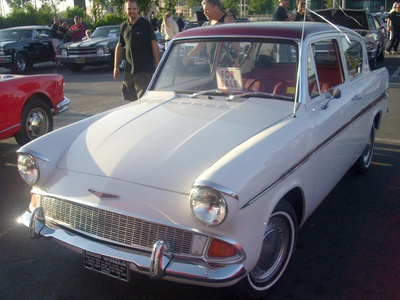
Ford Anglia
In Britain, the Anglia (and related prewar Ford small cars) was a common urban runabout in 1945; familiarity, simple mechanics, and spare-part networks kept Anglias visible despite wartime restrictions.
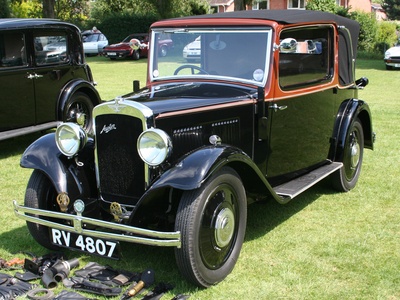
Austin Ten
The Austin Ten was a staple British small car before and during WWII; in 1945 it remained popular for economical motoring in towns and rural areas, often the most accessible private car for many families.
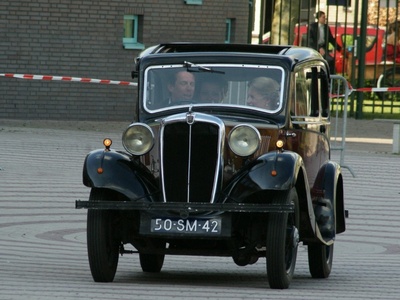
Morris Eight
Morris Eight was one of Britain’s most familiar small cars in 1945, noted for frugal running costs and simple design—common in urban neighborhoods and rural deliveries amid scarce new cars.
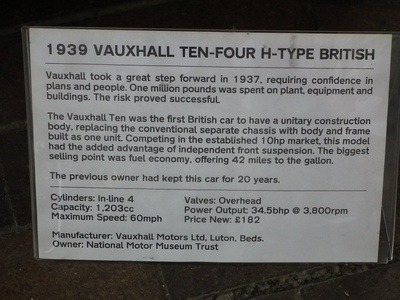
Vauxhall Ten
The Vauxhall Ten (and similar L-type models) were seen through 1945 in Britain; middle-market buyers prized their balance of comfort and economy while new-car availability stayed low.
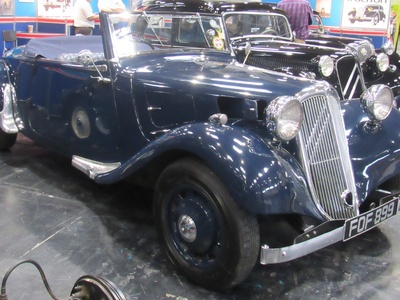
Citroën Traction Avant
France’s Traction Avant was a modern front-wheel-drive pioneer and still widely used in 1945; its advanced handling and prewar popularity made it an iconic and practical car across liberated France.
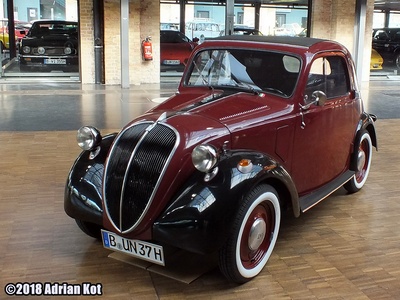
Fiat 500 “Topolino”
Italy’s tiny Topolino was the people’s car before the war and remained common in 1945 for its economy and maneuverability in narrow streets, representing mass motoring despite wartime disruption.
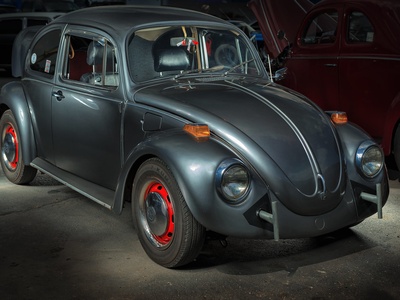
Volkswagen Beetle
The Volkswagen Beetle had been produced during the war for officials and military use; by 1945 it was a recognizable silhouette in Germany and nearby regions, foreshadowing postwar popularity.
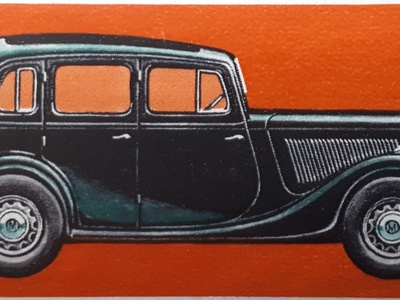
GAZ M1
The Soviet GAZ M1 was a common prewar passenger car and government vehicle; in 1945 it remained widespread in the USSR, used by civil services and civilians where available.
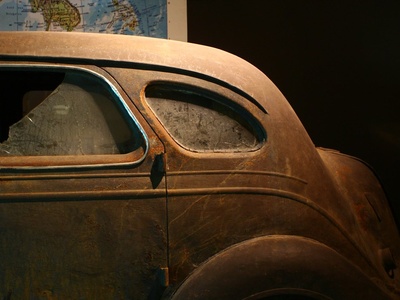
Toyota AA
Toyota’s AA was Japan’s early large sedan and one of the country’s more noticeable passenger cars by 1945; surviving examples were a sign of prewar industrial growth amid scarce new vehicles.
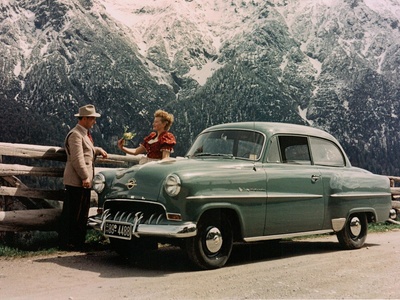
Opel Olympia
The Opel Olympia was a popular prewar German compact; in 1945 many Olympias still served as private and commercial cars, remaining familiar to local populations after wartime disruption.
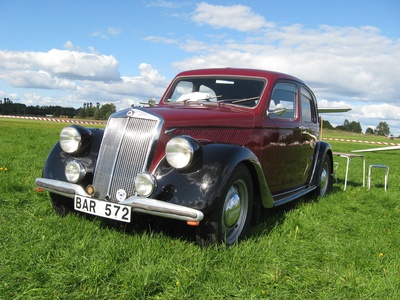
Lancia Aprilia
The Lancia Aprilia’s advanced engineering and graceful design made it a standout Italian car before WWII; in 1945 surviving Aprlias were prized by owners and stood out on the road amid limited new-car supplies.

Marco Delantero
More from Marco DelanteroHow we reviewed this article
This article was researched against manufacturer records and editorially reviewed before publishing. We accept no payment for coverage. Some guides contain affiliate links; see our affiliate disclosure.