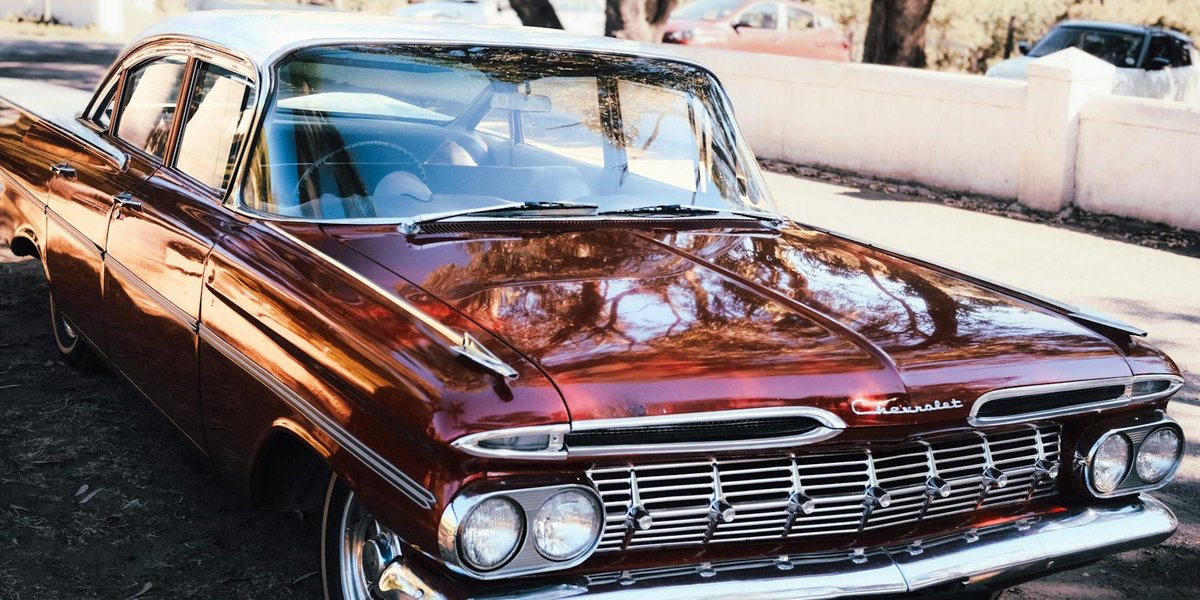

In the 1920s open-top touring cars were the norm; by the 1970s enclosed hardtops dominated — that long push-and-pull between wind-in-the-hair freedom and enclosed practicality has shaped car design for a century.
Car buyers still face a confusing choice: emotional appeal pulls toward open-air driving while everyday needs push toward enclosed roofs. Deciding the right balance means weighing enjoyment, safety and weather protection, and long-term cost and resale value.
Thesis: Choosing between a convertible and a hardtop is a trade-off across three areas — driving experience and performance, practicality and safety, and financial outcomes — and the seven benefits below clarify those trade-offs.
Driving experience & performance

Emotion and measurable performance both matter when you pick an open-top versus an enclosed car. Some benefits are purely sensory — the smell, sound and sight of the road — while others affect handling because convertibles need added structure. This category covers three advantages: sensory engagement, handling trade-offs and style/visibility, with examples ranging from the lightweight Mazda MX-5 Miata to the Porsche 911 Cabriolet and BMW 4 Series Convertible.
1. Open-air driving and sensory engagement
Nothing matches the sensory enjoyment of driving with the top down: wind, engine note and an unobstructed view make a short drive feel like an event. Owner surveys and enthusiast polls routinely rank convertibles high for driver satisfaction, and lightweight roadsters like the Mazda MX-5 Miata (around 1,100 kg curb weight) are engineered specifically to maximize that feeling.
Practical use is straightforward — weekend tours, scenic coastal runs and seasonal motoring are prime contexts for an open-top car. Luxury drop-tops such as the Porsche 911 Cabriolet add refined systems to enhance that experience without sacrificing comfort on longer drives.
2. Handling trade-offs: center of gravity and tuning opportunities
Convertibles can drive differently because removing a fixed roof reduces structural stiffness, so manufacturers add reinforcements that typically add roughly 50–200 kg depending on the model and required safety structure (check manufacturer specs for exact figures). That extra mass can raise the center of gravity and blunt initial turn-in.
Automakers respond by retuning suspension, adding bracing and using lighter materials; many testers at Car and Driver and Motor Trend note that modern convertibles like the BMW 4 Series Convertible are tuned to approach their coupe siblings’ dynamics. For older or classic convertibles, aftermarket chassis bracing can restore sharper handling without altering the car’s character.
3. Style, visibility, and social signaling
Convertibles are often chosen for style and visibility — literal panoramic sightlines with the top down and a social signal that many buyers find appealing. Market data shows convertibles are a small share of overall sales (roughly 1% of new car sales in some markets between 2020–2023), which keeps them visible but niche (industry sales summaries).
Real-world scenarios where this matters include coastal and sunbelt regions where open-air driving is practical and urban buyers who favor the look of a drop-top. Models that illustrate these points are the Ford Mustang Convertible and the MINI Convertible, both of which trade on style as much as performance.
Practicality, safety & weather considerations
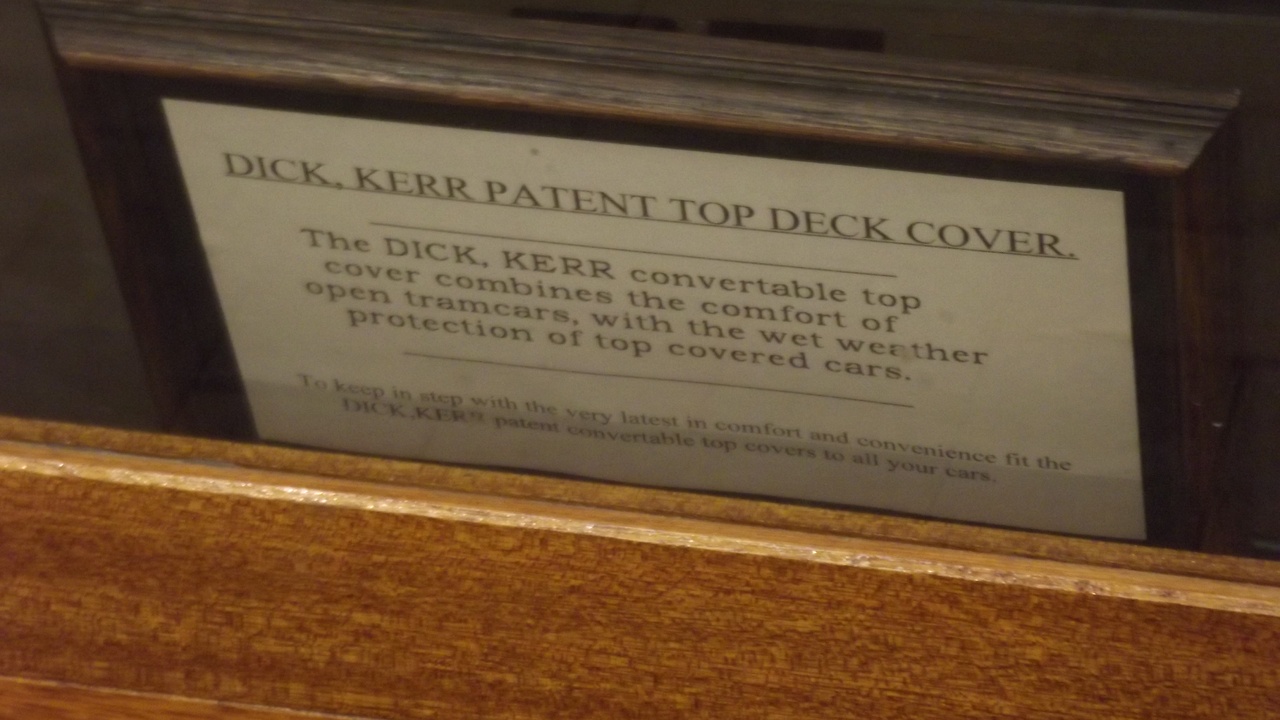
Hardtops generally win on everyday practicality and passive protection. Noise levels, thermal insulation and theft resistance are measurable advantages for enclosed roofs, which makes them better suited to commuting, all-season driving and families. Below are two clear hardtop strengths: cabin comfort and structural/security benefits.
4. Weather protection and cabin comfort (hardtop advantage)
Hardtops typically reduce cabin noise by several decibels compared with fabric soft-tops in published tests (see sound-level comparisons by Car and Driver and Edmunds), and the fixed roof improves thermal insulation so HVAC systems work more efficiently on highway drives. That translates to less wind noise at speed and more stable interior temperatures in cold or hot weather.
For commuters and long-distance drivers a hard roof means fewer drafts, less likelihood of water ingress and a quieter environment for calls or sustained cruising. Examples include the Tesla Model S and BMW 3 Series fixed-roof versions, which consistently score well in comfort and NVH (noise, vibration, harshness) tests.
5. Security and structural safety (hardtop advantage)
Hardtops are usually harder to break into and can offer stronger roof performance in certain crash scenarios; insurance and loss data commonly reflect lower theft and vandalism rates for enclosed cars. Convertibles do come with engineered rollover protection (pop-up hoops, reinforced A-pillars), but roof strength and intrusion resistance vary by model and should be checked against IIHS and NHTSA ratings.
In practical terms that means lower risk of theft or weather damage for daily parking, and sometimes lower repair exposure after minor impacts. Buyers who prioritize passive safety and predictable crash behavior often choose a hardtop for those reasons.
Cost, maintenance & resale — financial trade-offs
Money matters: purchase price, maintenance and insurance all differ between open-top and enclosed models. When weighing convertible vs hardtop, expect different upfront premiums, routine service needs and variable resale prospects; sources like Kelley Blue Book (KBB) and Edmunds provide model-specific pricing and depreciation data.
Below are two financial areas to consider: purchase/maintenance costs and resale behavior, with concrete ranges and examples to guide realistic budgeting.
6. Purchase price and maintenance costs
Convertibles frequently carry a price premium for the roof mechanism. Mechanical retractable hardtops have been known to add roughly $2,000–$7,000 to MSRP over a coupe depending on complexity and brand (verify with model options lists). Soft-tops are cheaper initially but can require replacement or repair over time.
Soft-top replacement costs vary widely — expect roughly $500–$3,000 for parts and labor depending on material and labor rates — and hydraulic or motor-driven top failures can be expensive to fix. Some insurers also charge higher premiums for convertibles, reflecting theft and damage exposure (check quotes through your carrier and KBB/Edmunds insurance guidance).
7. Resale value and market niche
Resale depends on model desirability and local demand. Enthusiast convertibles like the Mazda MX-5 Miata often retain value well because of steady demand among hobbyists, while mainstream convertibles may depreciate faster in colder regions where buyers are scarce (KBB/Edmunds valuations illustrate these regional differences).
Hardtops usually have broader appeal and more predictable depreciation curves. A practical approach is to consult KBB or Edmunds for model-specific 3-year retained value percentages and factor local climate — demand for a drop-top in a snowy region can be markedly lower than in sunbelt markets.
Summary
- Open-air driving delivers unmatched sensory enjoyment for many buyers; lightweight roadsters (e.g., Mazda MX-5) are built around that experience.
- Hardtops win on day-to-day comfort, noise insulation and theft resistance, which matters for commuting and all-season use (see IIHS/NHTSA and NVH tests).
- Convertibles often require reinforcements that add roughly 50–200 kg and can cost more to buy or maintain (retractable-top premiums ~ $2,000–$7,000; soft-top replacement ~$500–$3,000).
- Resale is model- and market-dependent: enthusiast convertibles can hold value (Miata example), while hardtops usually offer more predictable depreciation — check KBB/Edmunds for model-specific estimates.
- Test-drive both roof types, factor climate and parking/security realities, and verify reliability and resale data for the exact model you’re considering before you decide.
Other Comparisons

Marco Delantero
More from Marco DelanteroHow we reviewed this article
This article was researched against manufacturer records and editorially reviewed before publishing. We accept no payment for coverage. Some guides contain affiliate links; see our affiliate disclosure.