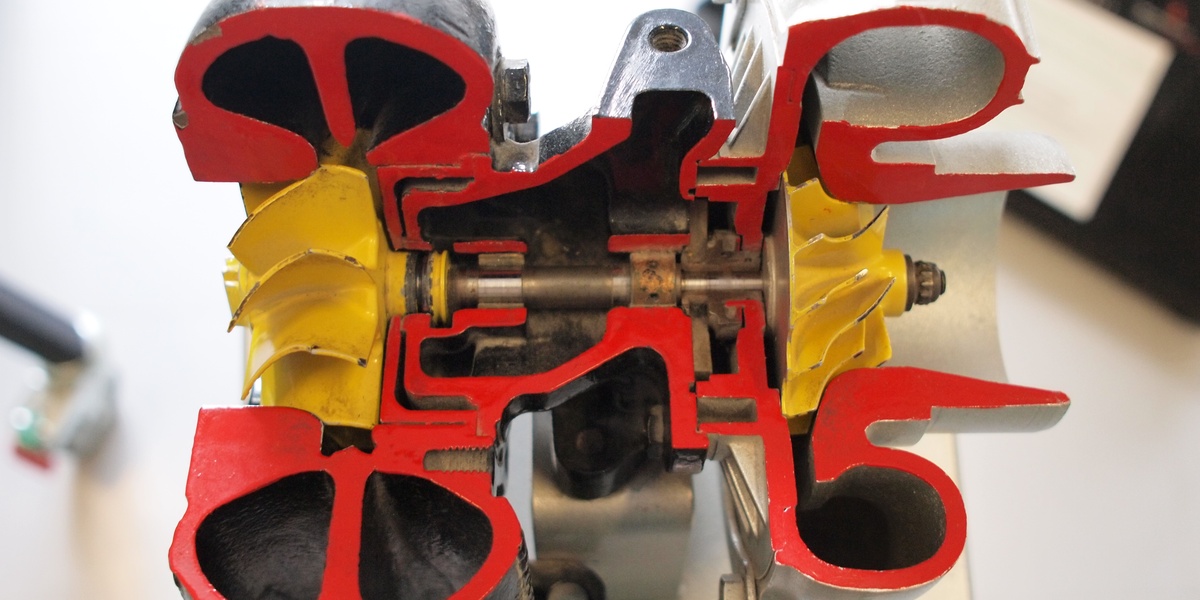
In 1905 Alfred Büchi patented the turbocharger concept, a technology that quietly reshaped engines over the next century.
From early industrial boilers to rally cars and highway sedans, turbos moved into mainstream automobiles between the 1960s and the 1990s as materials and controls improved.
Car buyers and enthusiasts often debate turbocharged vs naturally aspirated choices without clear, comparable criteria; the trade-offs affect power delivery, fuel use, packaging, and ownership costs.
Below are six concrete benefits — three favoring turbocharged engines and three favoring naturally aspirated designs — with real-world examples and numbers to help you decide.
Performance and Efficiency
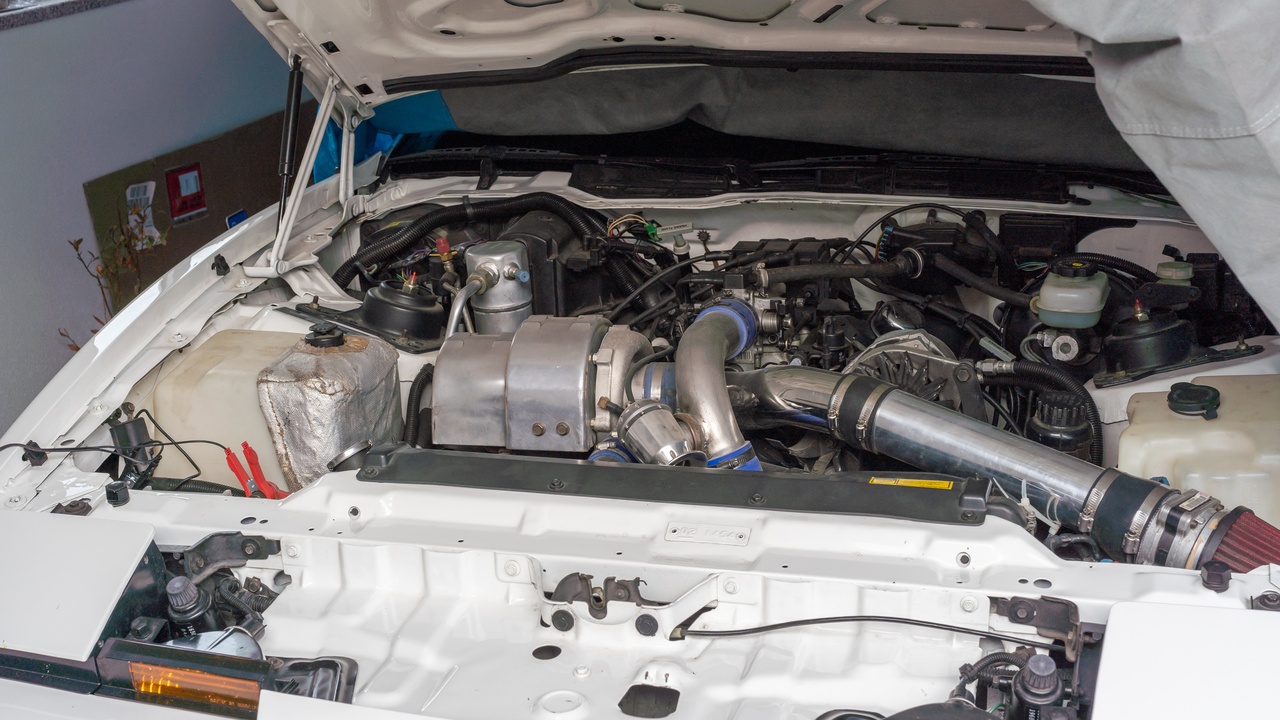
Power density and fuel use are where the most measurable differences show up. Turbocharging boosts power per liter and lets manufacturers downsize displacement while keeping output high.
1. Higher power density — turbocharged advantage
Turbocharged engines typically produce more horsepower per liter than equivalent naturally aspirated units, often increasing power density by roughly 20–50% depending on boost level and tuning.
Define power density as horsepower divided by displacement; a 2.0-liter turbo making 260 hp yields about 130 hp per liter versus a 2.5-liter NA at 175 hp (70 hp per liter), roughly an 85% advantage in this comparison.
That difference matters for compact performance cars: the Subaru WRX’s 2.0L turbo (~268 hp) shows how smaller-displacement turbos deliver sporting performance without a big engine, and families of engines like Ford’s EcoBoost demonstrate how downsized turbos keep power high while shrinking displacement.
2. Better fuel economy on average when downsized — turbocharged advantage
Downsizing to a turbocharged, smaller-displacement engine often improves real-world fuel economy because there’s less pumping loss and lower mass to accelerate during typical driving.
Industry comparisons show EPA and fleet results commonly in the 10–25% fuel-economy improvement range versus a larger NA engine doing similar duty, though aggressive driving will reduce that gain.
Examples include Ford’s EcoBoost engines replacing older V6s in sedans and SUVs, and many modern three-cylinder turbos that bested previous four-cylinder NA rivals in combined MPG tests.
Driving Feel and Response

Driving feel is often the decisive factor for enthusiasts. Naturally aspirated and turbocharged layouts offer distinct advantages in how power arrives and how the car encourages a driving style.
3. Linear throttle response and high-rev character — naturally aspirated advantage
Naturally aspirated engines tend to deliver a more linear, predictable throttle response and higher rev ceilings, which many drivers find more engaging on a track or canyon road.
High-rev examples include the Honda S2000’s 9,000 rpm redline and numerous sports-car NA engines that cruise to 7,000–9,000 rpm; that broad rev band rewards throttle modulation and precise gear selection.
Models like the Mazda MX-5 Miata or Porsche 911 GT3 showcase how rev-happy, naturally aspirated designs create a direct link between driver inputs and engine response, ideal for spirited driving where revs matter more than torque at low RPM.
4. Strong low-end and midrange torque for everyday drivability — turbocharged advantage
Turbocharged engines typically deliver peak torque much lower in the rev range, often between roughly 1,500 and 3,000 rpm, which improves overtaking, merging, and urban acceleration.
That low-end shove can be 20–40% higher than a similarly tuned NA engine, so a turbo car will feel quicker off the line in normal driving without needing to rev hard.
Examples include the Volkswagen Golf GTI and many EcoBoost-equipped Fords, plus modern turbo pickups and SUVs that replaced older NA V6s specifically to boost midrange pulling power for towing and daily driving.
Cost, Packaging, and Maintenance
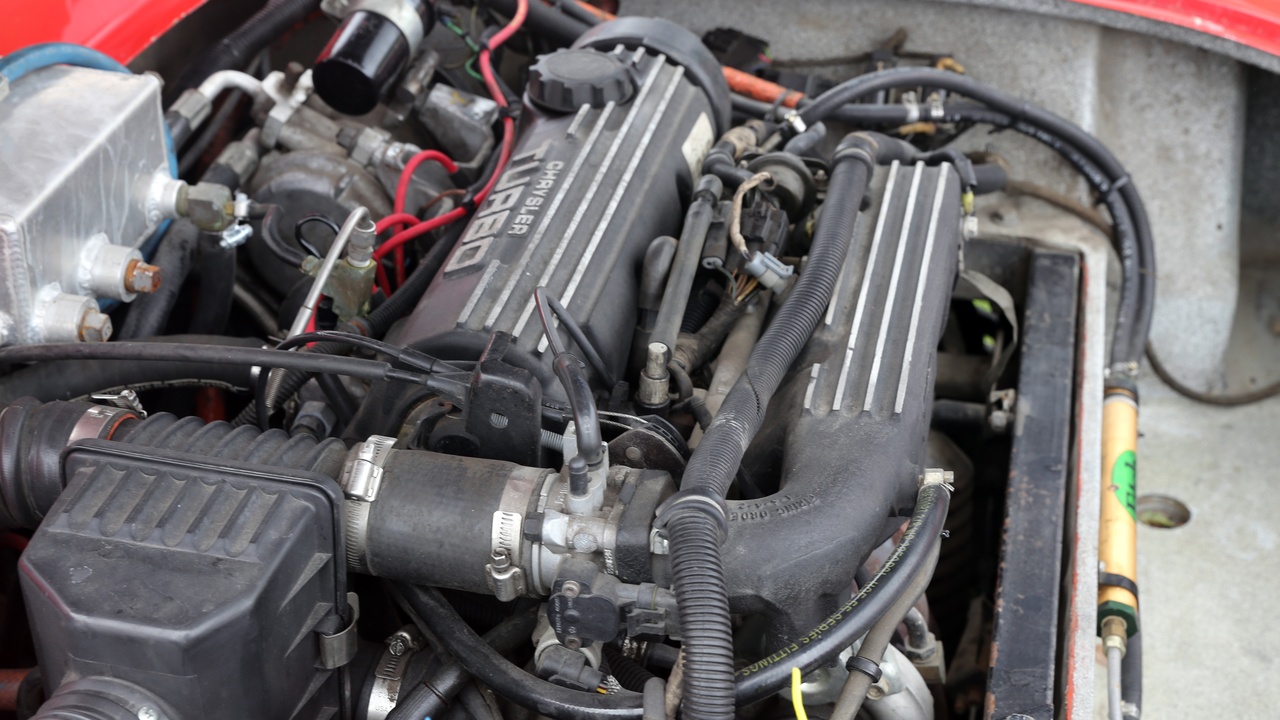
Total cost of ownership and packaging trade-offs often steer buyers. Turbocharging can shrink engines and free space, but it adds complexity that can affect maintenance and repair bills.
5. Smaller engine packages and lighter vehicles — turbocharged advantage
Because a turbo lets a smaller-displacement engine match the power of a larger NA unit, manufacturers can save weight and packaging space; typical engine mass differences can range from about 30 to 100 pounds (14–45 kg) depending on the compared units.
Smaller engines free room for crash structures, hybrid components, or extra cabin space, which is why many compact cars now use three-cylinder turbo mills and why European brands embraced downsizing early.
Examples include modern 3-cylinder turbo engines in compact models and small-displacement turbos from Ford and BMW that helped designers improve weight distribution and interior layout without sacrificing performance.
6. Simpler maintenance and proven longevity — naturally aspirated advantage
Naturally aspirated engines are mechanically simpler and often more forgiving with maintenance, which can translate to lower long-term ownership risk for high-mileage drivers.
Turbocharger repairs or replacements commonly range from roughly $800 to $3,000 depending on vehicle, parts, and labor, and turbos are sensitive to oil quality and warm-up/cool-down habits that affect longevity.
Brands like Toyota and Honda have long pedigrees of durable NA engines; for owners who prioritize simplicity and easy servicing in rural or high-mileage use, a proven naturally aspirated unit can be a safer long-term bet.
Summary
- Turbos deliver higher power density and strong low-end torque, making smaller engines feel much punchier in everyday driving.
- Downsized turbo engines often return 10–25% better real-world fuel economy versus larger NA engines, depending on driving style.
- Naturally aspirated engines reward drivers seeking linear throttle response and high-rev character, and they tend to be simpler to maintain long-term.
- Turbocharger maintenance can add costs (roughly $800–$3,000 for major work) and demands attention to oil and thermal habits; NA designs usually cost less to service.
- Pick based on how you drive: commute, tow, or want compact packaging (favor turbos); prefer high-rev thrills or minimal maintenance complexity (favor NA). Test-drive comparable models to confirm which suits you.
Other Comparisons

Marco Delantero
More from Marco DelanteroHow we reviewed this article
This article was researched against manufacturer records and editorially reviewed before publishing. We accept no payment for coverage. Some guides contain affiliate links; see our affiliate disclosure.