The Paris–Dakar rally taught engineers to build bikes that could survive days of hard riding across sand, rocks and nothing but open desert. That lineage — rally-raids and long-distance endurance machines — eventually shaped the modern adventure-tourer: bikes like the BMW GS family that now make up a surprisingly large share of global motorcycle touring sales. Riders who reach for a sportbike for everything often prize peak horsepower and razor-sharp handling, but they tend to underestimate the trade-offs on real roads and mixed surfaces.
For many riders, adventure bikes offer distinct advantages over sport bikes when it comes to versatility, comfort for long distances, luggage and utility, and real-world rideability — and those differences matter depending on how and where you ride. Typical tank capacities on adventure models fall in the 18–24 L range and seat heights commonly sit between about 820–880 mm, which already signals a different design brief than a compact, tucked sportster. This article explains eight concrete advantages, grouped into Practical Versatility, Comfort & Ergonomics, Off‑road Capability & Safety, and Long‑distance Economics & Utility.
Practical Versatility
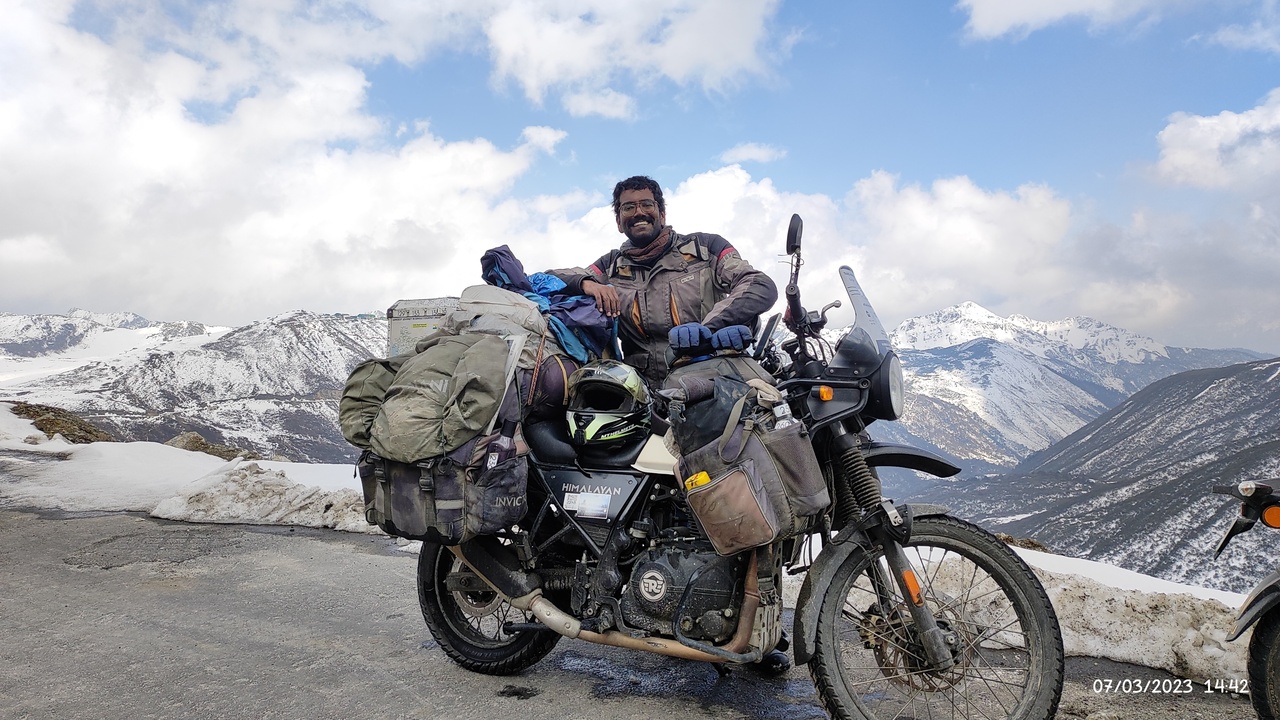
Adventure bikes are engineered to handle a wider range of conditions than pure sport machines. They combine higher ground clearance (often around 200–220 mm), longer‑travel suspension, upright ergonomics and wider torque bands that make low‑speed maneuvering easier. Compare a BMW R1250GS (roughly 220 mm clearance, ~20 L tank, 1254 cc boxer delivering strong midrange) to a Yamaha YZF‑R1 (track-focused 998 cc, ~120–140 mm clearance); the GS sacrifices a little peak cornering precision for far more usable power and the ability to ride unpaved stretches. That built‑in flexibility shows up in weight, gearing and accessory readiness — an R1250GS or KTM 790/890 Adventure can go from commuting to light off‑road in minutes.
1. Greater real-world usability across terrain
Adventure bikes handle a broader mix of surfaces than sportbikes. With ground clearance often near 200–220 mm (vs sportbikes at 120–140 mm), and suspension travel tuned for bumps and ruts, they’re far less likely to hang up on rough pavement or gravel.
Longer‑travel forks and larger front wheels (often 19″ or 21″) deliver predictable steering on loose surfaces, while wider torque bands keep you from having to wring the engine at low speeds. A BMW R1250GS with a 20 L tank and 4–5 L/100 km touring consumption can realistically manage a 350+ km day without frantic planning — something many sportbikes struggle to match off the beaten track.
2. Built-in luggage and mounting versatility
Adventure machines come ready for gear. Frames and subframes are designed with mounting points for hard panniers, top cases and auxiliary tanks, and typical pannier capacities range between 25–40 L per side.
That OEM and aftermarket friendliness (Triumph Tiger 900 GT Pro with factory pannier kits, or Givi and SW‑Motech systems) turns an everyday ride into a multi‑day trip without jury‑rigging mounts or losing handling balance. Fully loaded setups commonly provide 50–80+ L of cargo space, which makes grocery runs, tool kits and camping gear all realistic without a trailer.
Comfort & Ergonomics
On long days, ergonomics matter more than peak horsepower. Adventure bikes favor upright posture, broader seats and adjustable windscreens that reduce neck and wrist strain. Typical seat heights fall in the 820–880 mm range, and many models offer adjustable bars, screens and seats or aftermarket upgrades like Corbin or Sargent to tune comfort. The next two sections look at how that translates to less fatigue and better two‑up travel.
3. Upright ergonomics reduce fatigue on long rides
The upright stance on adventure bikes keeps rider joint angles more neutral, which eases wrist and neck load over multi‑hour days. Where a sportbike forces a deep tuck and forward weight bias, machines like the Honda Africa Twin let you sit tall or lean back behind an adjustable windscreen to cut helmet buffeting.
Riders often report noticeably less fatigue after 6+ hour touring days on an adventure‑style bike versus a sportbike. Simple swaps — adjustable screen positions on the Africa Twin or a Corbin seat — can add hours of comfortable highway time without sacrificing control when you need it.
4. Better passenger and luggage ergonomics
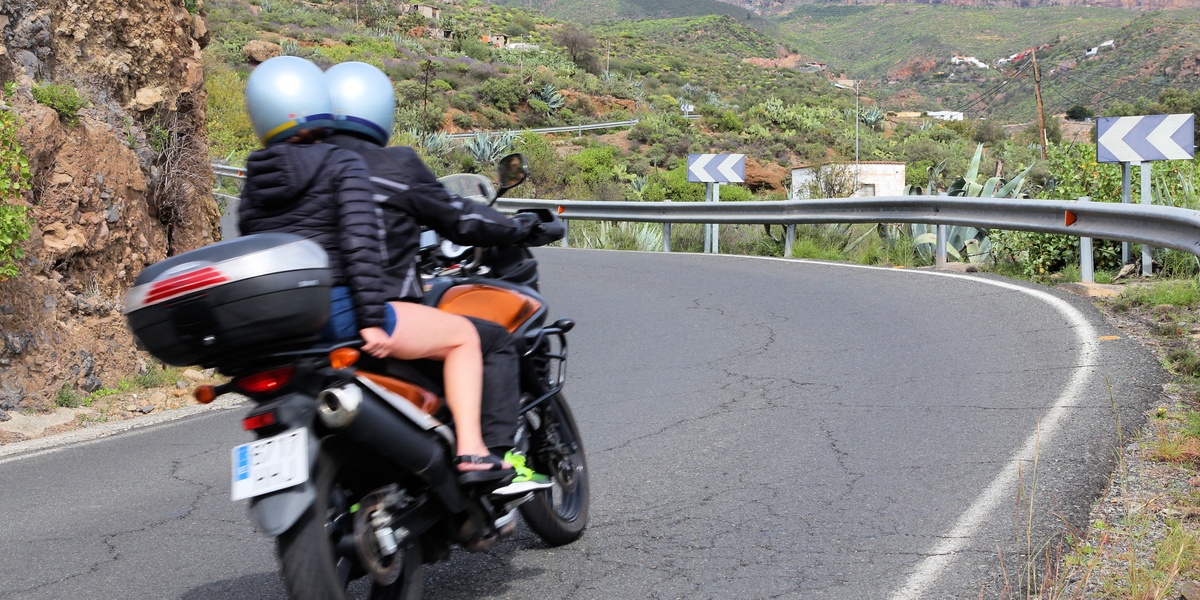
Adventure machines usually offer roomier pillion seats, thoughtful grab points and passenger footpeg placement that make two‑up touring viable for long stretches. The KTM 1290 Super Adventure and BMW GS-series both prioritize pillion comfort in packaging and accessory fitment.
Secure top boxes (a common 45 L top case example) and long, flat seats mean you can carry a passenger plus luggage and retain stable handling. That balance reduces rider fatigue and keeps range reasonable even when fully loaded.
Off-road Capability & Safety
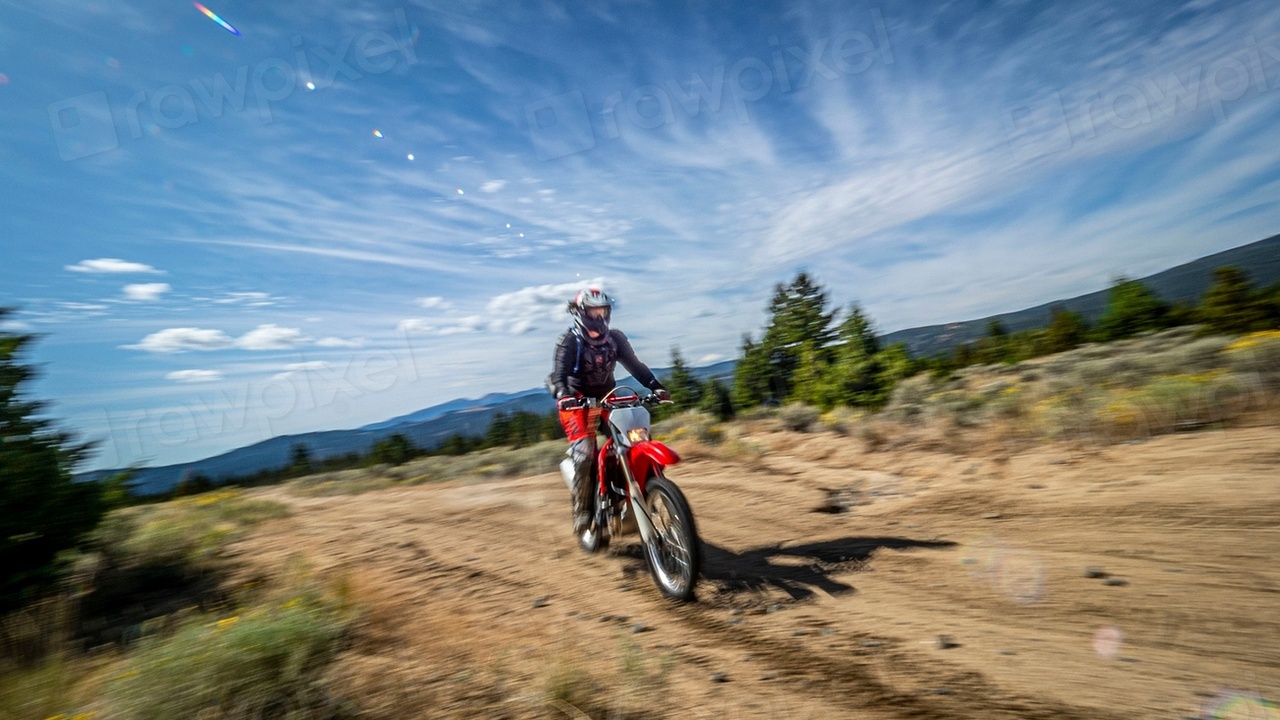
When surfaces get loose or unpredictable, adventure bikes often prove safer and more forgiving than sport models. Features like off‑road ABS modes, selectable engine maps, skid plates and crash bars reduce both the chance of an incident and the cost when things go wrong. Below are the main ways those design choices matter on rough ground.
5. Off-road rider aids and traction advantages
Manufacturers tune traction control, ABS and engine maps for low‑grip scenarios on adventure models. You get selectable traction‑control maps, off‑road ABS settings and lower gearing that improve low‑speed control — helpful on mud, sand or steep, technical grades.
KTM’s Adventure line offers explicit off‑road ride modes that soften interventions and let rear‑wheel slip when useful, while Honda’s Africa Twin (including DCT variants) pairs user‑friendly low‑speed gearing with engine management to aid tricky transfers. Those electronic tweaks make a measurable difference on soft or uneven terrain.
6. Damage protection and reduced repair risk
Crash bars, skid plates, radiator guards and beefed‑up footpegs are common on adventure bikes and substantially lower repair exposure for typical touring incidents. Upright ergonomics also mean handlebars and footpegs take impacts before delicate frame members or fairings.
Practically, that often means replacing a bent bar or scratched pannier rather than paying for a frame straightening or complex fairing repair after a low‑speed dirt drop. Touratech crash bars on a Tenere 700 or OEM skid plates on a V‑Strom are inexpensive insurance compared with the replacement costs of sportbike plastics and radiators.
Long-distance Economics & Utility
Beyond comfort and capability, adventure bikes make economic sense for many riders: larger tanks and torque‑rich engines produce longer touring range, resale demand for these models is strong, and one well‑equipped bike can cover commuting, errands and week‑long trips. The next sections break down range figures and the single‑bike utility case.
7. Superior touring range and fuel management
Adventure bikes commonly carry 18–24 L fuel tanks and use torque‑rich engines that cruise efficiently, giving practical ranges of roughly 300–500 km at touring speeds depending on load and pace. That means fewer fuel stops on remote stretches and simpler route planning.
For example, a BMW R1250GS with a 20 L tank and conservative 4–5 L/100 km consumption will often clear 350+ km between fill‑ups. By contrast, a high‑revving 1000 cc sportbike with a smaller tank and higher consumption under spirited use can force more frequent stops and narrower routing choices.
8. Everyday utility: one bike for commuting and adventure
An adventure bike is often the single‑machine answer for riders who need a commuter, grocery runner and weekend tourer. Upright ergonomics, built‑in luggage options and broad torque curves make city traffic and highway cruising equally manageable.
Compare ownership costs: maintaining one multimode bike saves parking, storage and the extra insurance and servicing time that come with two machines. Many owners estimate saving several hours monthly on maintenance logistics and a noticeable slice of annual costs by not running a separate commuter and sportbike.
Summary
- Adventure models deliver genuine versatility: they handle pavement, gravel and light trails with modest setup changes.
- Ergonomics and wind protection make long days less punishing, and passenger/luggage options turn tough trips into manageable plans.
- Off‑road electronics and protective hardware reduce the chance of a costly mishap and simplify recovery or roadside repairs.
- Large tanks, efficient midrange engines and strong resale demand make adventure bikes economical choices for many touring riders.
- Try test‑riding an adventure model with a full luggage setup and then compare spec sheets — tank liters, ground clearance and payload — against a sport machine to see which fits your real riding needs.
Other Motorcycle Type Comparisons

Sarah Thornton
More from Sarah ThorntonHow we reviewed this article
This article was researched against manufacturer records and editorially reviewed before publishing. We accept no payment for coverage.