At the 1955 Paris Motor Show the Citroën DS stunned the crowd with a profile unlike any other car on the floor. Its hydropneumatic suspension and futuristic lines became shorthand for French automotive daring.
Those few seconds of astonishment captured something broader. French manufacturers repeatedly chose unusual technical solutions and elegant coachbuilt shapes over safe predictability, and the result was a run of cars that still fascinate collectors and casual observers alike.
These fifteen models show why innovation, quirky engineering and cultural presence matter — from pre-war racers and coachbuilt grand tourers to practical runabouts and rally-bred hot hatches. The list is grouped into four themes: Innovations & Engineering Icons; Design & Style Legends; Performance & Rally Heroes; and Everyday Classics & Cultural Icons.
Read on for production dates, notable figures and the moments that made each car memorable, plus where you can see them in the metal at shows and club meets.
Innovations & Engineering Icons
French manufacturers often chased technical answers to everyday problems: suspension that improved comfort, ultra-simple mechanics for rural use, and packaging that squeezed more utility from a small footprint. The four cars below each introduced or popularized ideas that influenced how cars were built worldwide.
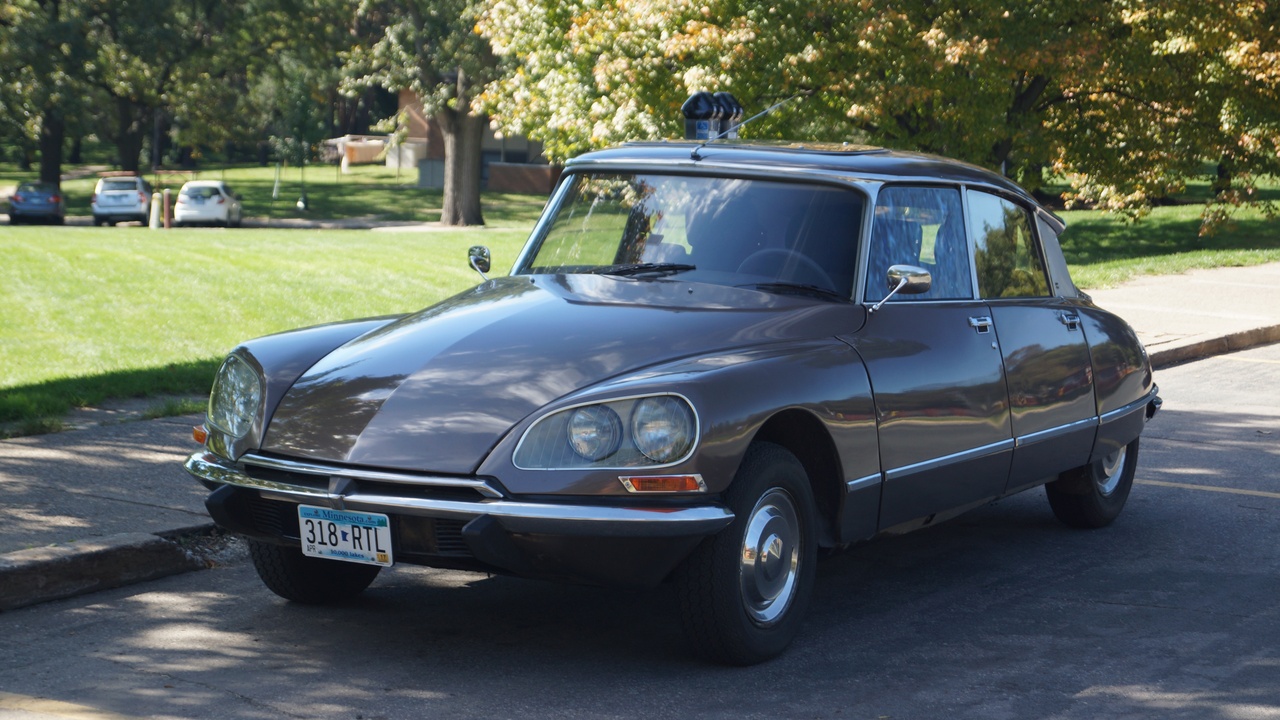
1. Citroën DS (1955) — hydropneumatic boldness
When the DS appeared at the 1955 Paris Motor Show it felt like a science-fiction car with real-world benefits. Its self-levelling hydropneumatic suspension delivered a ride quality and road-holding that few contemporaries could match.
Produced from 1955–1975, the DS line totalled roughly 1.45 million examples, including the DS19 and the more powerful DS21 variants. Designer Flaminio Bertoni’s sleek silhouette hid advanced engineering beneath the skin.
The suspension wasn’t just comfortable; it saved occupants in high-speed incidents — most famously when President Charles de Gaulle’s DS survived an assassination ambush in 1962 with its chassis and occupants largely protected thanks to the car’s stability and ride systems.
2. Citroën 2CV (1948) — engineering for the masses
Conceived to motorize rural France, the 2CV was a masterpiece of frugal, logical design. Its air-cooled flat-twin, exceedingly simple bodywork and suspension tuned for rough tracks meant owners could drive and maintain the car with minimal expense.
Built between 1948 and 1990, the 2CV’s production numbers run into the low millions, a testament to its cultural reach. Variants ranged from bare-bones two-seaters to vans and special editions like the Charleston and Dolly.
There were eccentric offshoots too — the 2CV Sahara with twin engines for four-wheel-drive capability — but the core idea was mobility, simplicity and repairability, which influenced many postwar economy cars.
3. Citroën SM (1970) — tech meet grand tourer
Launched in 1970, the SM married Citroën’s advanced hydropneumatic systems and steering technology to a Maserati-sourced V6, creating an unconventional high-speed grand tourer.
The SM’s complexity and limited production numbers — produced in the low tens of thousands before production ended in the mid-1970s — mean it’s rare and collectible today. Its aerodynamic body and unusual dashboard remain striking.
More than showmanship, the SM demonstrated that Citroën could apply its engineering to performance and luxury, even if the car’s complexity limited its commercial success.
4. Renault 4 (1961) — versatile packaging
Designed as a practical, inexpensive family car, the Renault 4 debuted in 1961 with an emphasis on cargo space and easy maintenance. Its simple mechanics and torsion-bar suspension offered surprising comfort and load-carrying ability.
Produced from 1961–1994 with several million units built, the Renault 4 came in everything from basic economy trim to light commercial variants. Its tailgate-like rear access anticipated hatchback practicality before that term was common.
The R4’s ubiquity in towns and on farms across Europe showed how thoughtful packaging could put more utility into a small car, and that lesson carried into countless later designs.
Design & Style Legends
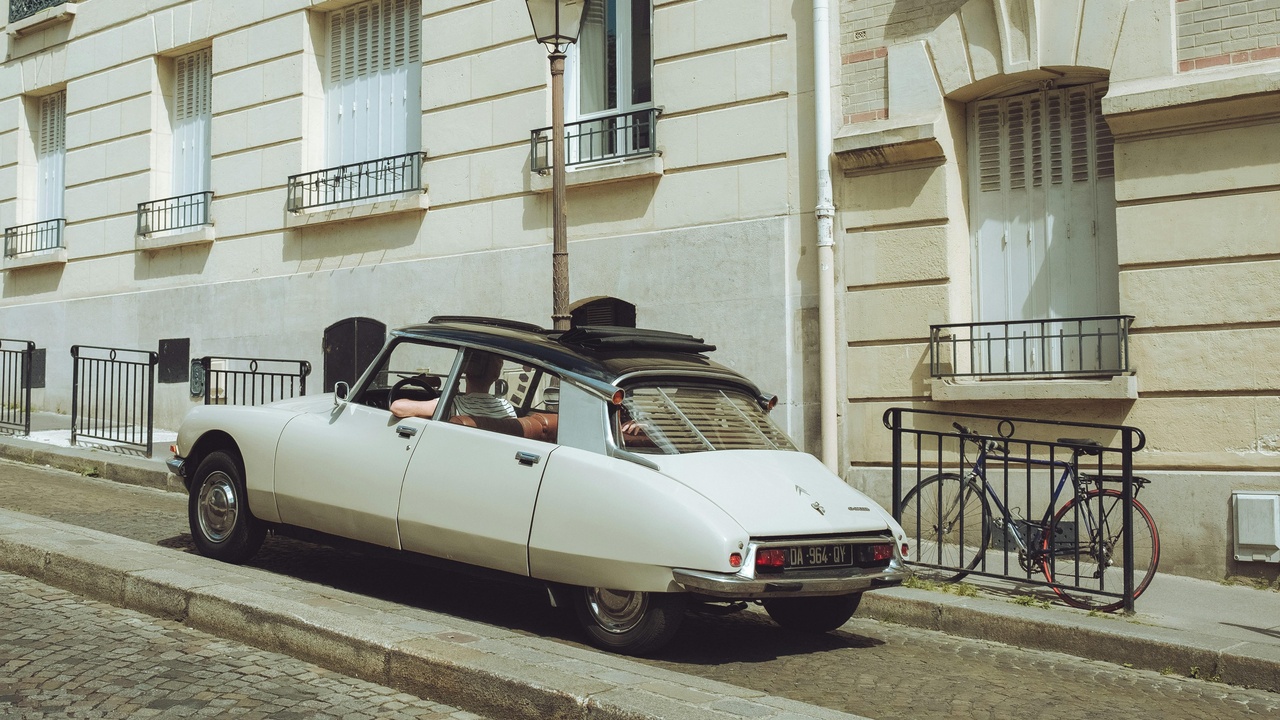
French automakers often treated styling as a core value: balanced proportions, tasteful coachbuilt bodies and collaborations with design houses like Pininfarina produced cars that looked right in fashion magazines as well as on the road.
5. Peugeot 504 (1968) — restrained elegance and durability
Styled by Pininfarina and launched in 1968, the Peugeot 504 combined conservative, handsome lines with mechanical robustness. It earned a reputation for going on and on in challenging climates.
The 504 was offered as a sedan, coupe, cabriolet and estate. In many African and South American markets production and licensed assembly continued well into the 2000s, underlining its international durability.
Collectors prize the coupe and cabriolet coachbuilt variants for their proportion and refinement, while sedans are still admired for their honest longevity.
6. Renault 5 (1972) — compact charisma
The Renault 5, launched in 1972, helped define the small hatchback formula: compact overall dimensions, clever interior packaging and personality. It became a ubiquitous urban companion across Europe.
Produced through much of the 1970s and into the 1980s (official run into 1996 in some markets), the R5’s popularity spawned sporty derivatives like the Renault 5 GT Turbo, which remain charismatic collector cars.
Its cheeky face and compact stance continue to read as classic today, and the GT Turbo reminds buyers that small cars can be entertaining as well as practical.
7. Citroën Traction Avant (1934) — sleek and pioneering
Introduced in 1934, the Citroën Traction Avant was among the first mass-produced front-wheel-drive unibody cars. Its low, integrated body and absence of separate fenders gave it a modern, streamlined look.
Produced through the 1930s into the 1950s, the Traction’s combination of structural innovation and elegant coachbuilt shapes made it a favorite for officials and filmmakers alike.
Even today the Traction Avant looks more modern than many of its contemporaries, proof that engineering choices can also be styling statements.
8. Delahaye 135 (1935) — pre-war coachbuilt glamour
The Delahaye 135 arrived in 1935 as an example of interwar French luxury: a sporting chassis frequently clothed by coachbuilders such as Figoni et Falaschi in sinuous, hand-formed bodies.
Only limited numbers were built, and the combination of bespoke coachwork and strong period performance makes surviving 135s highly desirable at concours and auctions.
Those cars are reminders of an era when manufacturers supplied running gear and buyers paid artisans to create individualized bodies.
Performance & Rally Heroes

France’s motorsport tradition ranges from road races and hillclimbs to the world rally stage. The next four cars earned their reputations through clever engineering and competition success, often via homologation specials or lightweight construction.
9. Renault 5 Turbo (1978) — small car, big attitude
Unveiled in 1978 as a rally-focused sibling to the standard R5, the Renault 5 Turbo swapped the road car’s drivetrain for a mid-mounted, turbocharged engine and reinforced structure to tackle tarmac events.
As a homologation special it emphasized raw performance and a snarling personality, making it a favorite for collectors who prize its brutish, compact layout over the civility of ordinary small cars.
Its competition life through the late 1970s and early 1980s showed how a tiny platform could be turned into a purpose-built rally machine.
10. Peugeot 205 Turbo 16 (1984) — Group B legend
Introduced in 1984, the 205 Turbo 16 was Peugeot’s answer to Group B: a mid-engine, four-wheel-drive contender built for maximum traction and pace on the world rally scene.
Its competition successes in the mid-1980s, driven by the Talbot Sport/Peugeot Talbot Sport era, cemented the car’s legend. Road-going homologation examples were limited and rare, contributing to high desirability today.
The T16 encapsulates the excess and engineering bravery of Group B — a brief, spectacular chapter in rallying history.
11. Alpine A110 (1961) — lightweight rally terror
The Alpine A110 was introduced in 1961 as a rear-engined, lightweight sports car built for nimble handling rather than outright horsepower. That philosophy paid off on narrow rally routes.
Alpine’s cars helped secure manufacturers’ success in the early 1970s, with 1973 standing out as a key year for competition achievements. The A110’s balance and lightness remain a blueprint for driver-focused design.
Modern revivals (and faithful restorations of originals) keep the A110’s name alive, but the original remains prized for its purity of handling.
12. Bugatti Type 35 (1924) — pre-war racing dominance
Introduced in 1924, the Bugatti Type 35 became one of the most successful racing cars of the 1920s, chalking up hundreds of wins in Grand Prix and hillclimb events across Europe.
The Type 35’s engineering — including lightweight construction and advanced brakes for its time — gave drivers a handling edge and established Bugatti as a marque of sporting excellence.
Today original Type 35s command high prices at auction and continue to appear in historic racing, where their period charm still captivates crowds.
Everyday Classics & Cultural Icons
Some cars become icons not for trophies but because they were everywhere: dependable vans, honest family cars and city compacts that populated streets, films and daily life. Their value today often lies in nostalgia and utility rather than rarity.
13. Citroën H Van (1947) — the workhorse with character
Launched in 1947, the Citroën H Van’s corrugated-metal body panels and utilitarian layout made it ideal for deliveries, market stalls and mobile services across Europe.
Its distinctive silhouette has enjoyed a modern rebirth as food trucks, branded event vehicles and retro restorations, and interest from restorers has pushed prices for good examples steadily upward.
Once a purely practical tool, the H Van is now charming in a way that celebrates everyday design rather than opulence.
14. Peugeot 205 (1983) — the people’s compact
Introduced in 1983, the Peugeot 205 became a balanced, affordable compact known for fine handling and sensible packaging. It was an everyman’s car in towns and suburbs across the continent.
Alongside the standard models, the 205 GTI and GT Turbo provided high-performance options that elevated the car’s profile among enthusiasts without overshadowing the mainstream variants’ ubiquity.
The 205’s influence on city motoring expectations — compact size, agile handling and efficient use of space — can still be seen in small-car design today.
15. Renault 16 (1965) — the practical pioneer
Launched in 1965, the Renault 16 was one of the first family-sized hatchbacks, offering flexible interior packaging that mixed passenger comfort with unexpected cargo capacity.
Praised on launch — the R16 won the European Car of the Year award shortly after its debut — its combination of ride comfort and versatility influenced later estate and hatchback designs.
For families and fleets the R16 showed that practicality need not be dull, and that clever layouts can extend a car’s usefulness far beyond styling trends.
Summary
- classic french cars blended technical daring with distinctive styling, producing vehicles that were as interesting to look at as they were to drive.
- Innovations such as hydropneumatic suspension (Citroën DS) and early hatchback packaging (Renault 16) changed expectations for ride quality and practicality.
- On the performance side, lightweight design and homologation specials (Alpine A110, Peugeot 205 T16, Renault 5 Turbo) left lasting marks on motorsport history.
- Everyday workhorses like the 2CV, H Van and Peugeot 504 show how durability and ubiquity can become cultural currency, not just collector value.
- See them in person: check local classic-car shows, marque clubs (Citroën and Alpine gatherings are particularly active), or specialist auctions to experience these cars up close.

Marco Delantero
More from Marco DelanteroHow we reviewed this article
This article was researched against manufacturer records and editorially reviewed before publishing. We accept no payment for coverage.