
10 Benefits of Garage Parking
In the early 20th century, as cars moved from luxury to household staple, homeowners began tucking vehicles into small, attached garages — a change that reshaped front yards and floor plans. Those first garages were simple: wooden doors, a concrete pad, and a sense of pride that the family car lived indoors. Many people still treat garages as spare space or a place to pile boxes, overlooking their practical value.
A garage does more than store a car: it delivers measurable financial, safety, maintenance, and lifestyle advantages that make it a smart investment for most homeowners. This article lists ten distinct benefits, grouped into economic/property, safety/security, vehicle longevity/performance, and lifestyle/convenience categories, with real-world examples and actionable next steps.
Read on for the tangible ways a garage can boost resale value, lower ownership costs, protect people and property, and save time every day.
Economic & Property Benefits
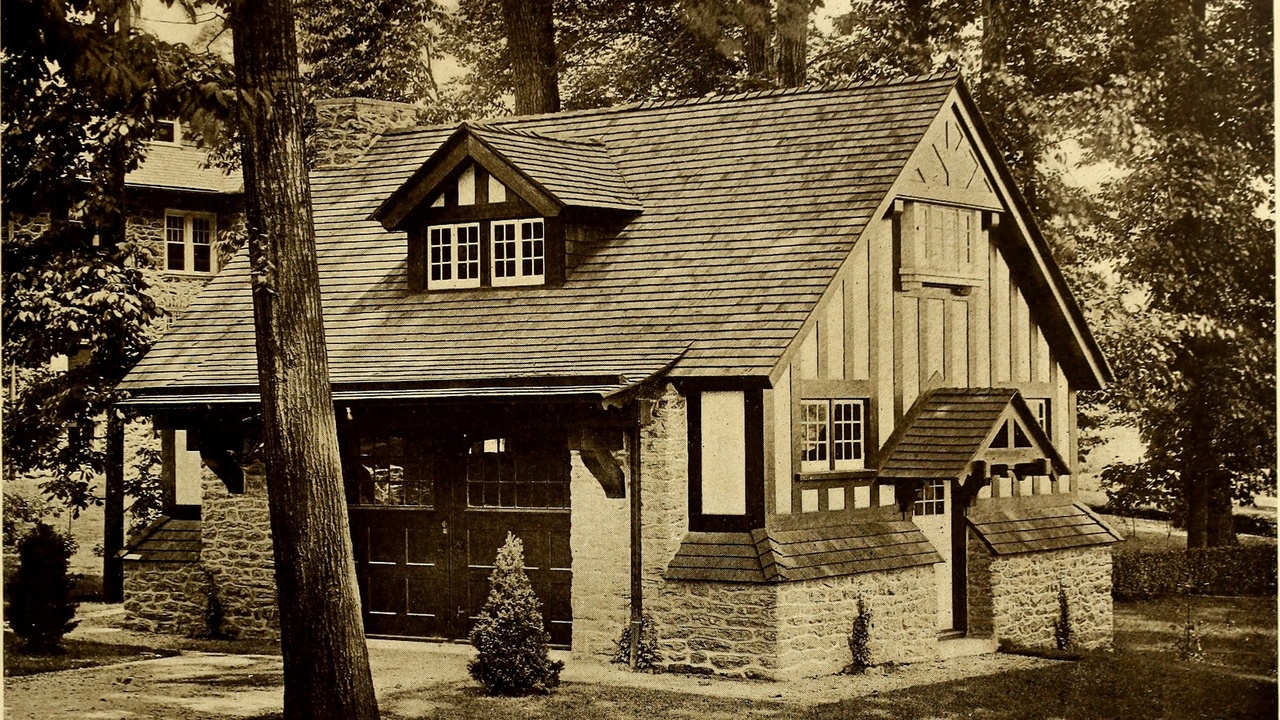
When buyers scan listings, the benefits of garage parking often appear in search filters and headlines. Garages influence perceived usable space, curb appeal, and the practical attractiveness of a neighborhood home.
Real estate agents frequently highlight a garage in listing titles because it broadens the buyer pool and can justify a price premium. That premium, plus lower operating costs and fewer weather-related claims, adds up over time.
1. Higher resale value and curb appeal
Homes with garages generally command stronger resale prices and better curb appeal. Surveys from the National Association of Realtors consistently rank garage or off-street parking among top buyer preferences.
Sellers and flippers advertise features like “attached two-car garage” up front because buyers equate a garage with convenience and extra usable space. In many suburban markets a clear listing that mentions a garage helps properties stand out from otherwise similar 3‑bed homes.
2. Lower insurance premiums and reduced theft risk costs
Insurers often view locked, enclosed parking as lower risk and may offer discounts on comprehensive or theft-related coverages. Industry guidance (see Insurance Information Institute) notes that reducing exposure to theft and weather can cut claim frequency.
As an example calculation: if comprehensive coverage runs about $400 per year, a 5–10% reduction equals roughly $20–$40 saved annually. Over a decade that’s $200–$400 — not huge alone, but meaningful when combined with resale and maintenance savings.
3. Reduced long-term maintenance and repair costs
Keeping a vehicle sheltered cuts exposure to elements that accelerate paint fade, rubber and trim deterioration, and underbody corrosion. In cold climates where road salt is common, indoor parking can materially lower rust repair frequency.
Practical effect: fewer visits to the body shop, less frequent waxing, and delayed need for rust-related repairs that can cost hundreds to thousands of dollars depending on scope and parts.
Safety & Security Benefits

A garage protects people, stored items, and vehicles. It reduces theft and vandalism opportunities, keeps hazardous materials out of living spaces, and shields belongings from storms and falling debris.
Combining a locked garage with cameras or an alarm system makes a secure perimeter that insurers and neighborhoods appreciate.
4. Theft and vandalism protection
Garages put cars out of sight, which reduces temptation and raises the difficulty of opportunistic theft. Studies and law‑enforcement data typically show lower vehicle-theft rates for cars stored in enclosed driveways versus curbside parking (check local FBI or police stats for exact figures).
Modern integrations — smart garage openers, camera alerts, and motion‑sensing lighting — layer defenses further. Anecdotally, many neighborhoods report fewer vandalism incidents after coordinated garage-security upgrades.
5. Protection from weather, hail, and UV damage
Garages shield vehicles from rain, snow, hail, sun, and falling branches. Repair costs for hail dents frequently run into the hundreds or thousands per vehicle depending on severity, so avoiding exposure can save significant sums after major storms.
In hail-prone regions (parts of Colorado, Texas, and the Plains), parking inside prevents the downtime of bodywork and windshield replacement and preserves paint and interior trim from UV fading.
6. Safer storage for tools, batteries, and EV charging
Garages provide a controlled area for storing flammable liquids, power tools, spare batteries, and EV chargers. National Fire Protection Association guidance (NFPA) recommends separating hazardous materials from living spaces — a garage does that.
Homeowners installing Level 2 chargers commonly place them in garages (examples: Tesla Wall Connector, JuiceBox, ChargePoint Home Flex) for secure overnight charging and more stable temperatures for battery management.
Vehicle Longevity & Performance

Sheltered parking reduces mechanical stress and preserves vehicle systems across seasons. Batteries, fluids, and electronics benefit from more consistent temperatures and less moisture exposure.
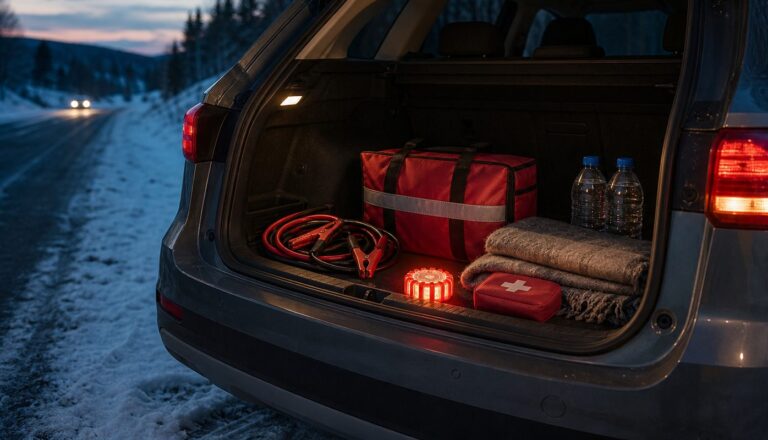
That translates to fewer roadside calls, longer component life, and steadier performance year-round.
7. Reduced corrosion and exterior wear
Avoiding road salt, persistent moisture, and salt spray in coastal areas lowers the pace of underbody and frame corrosion. Collectors and classic‑car owners routinely store vehicles indoors to preserve metal and paint — a practice that clearly preserves value.
In practical terms, indoor storage can delay expensive underbody repairs that often start in the hundreds of dollars and rise quickly if left unchecked.
8. Improved mechanical performance and battery life
Stable garage temperatures reduce cold-start strain on engines and cut the likelihood of battery failures in winter. Organizations like AAA note that battery-related roadside assistance spikes during cold months.
Fewer jump-starts mean fewer emergency replacements. For example, avoiding even one premature battery replacement (typical aftermarket cost $100–$250) is a direct, tangible saving.
Lifestyle & Convenience Benefits

Garages make daily life easier. They offer weather-free access for loading groceries, a place to keep bikes and strollers, and often a workspace for hobbies or home projects.
That convenience carries real value in comfort and time savings, especially for families and commuters.
9. Extra storage and multiuse workspace
Garages free up basements and attics by holding seasonal gear, tools, and sporting equipment. Common items stored include bikes, lawn equipment, holiday boxes, and power tools.
Storage solutions such as Gladiator gearwall or Rubbermaid overhead racks help organize a garage. Simple shelving runs about $50–$200, while a full custom storage system can start around $500 and go up from there.
10. Daily convenience and time savings
Garage parking cuts minutes of prep in bad weather. Scraping ice and snow can take 5–10 minutes per morning in winter; saving that time over a five-day week is roughly 25–50 minutes, or about 2–3 hours a month for a typical commuter.
That added comfort — loading kids dry and warm, quicker departures, fewer delays — is an everyday benefit many homeowners notice immediately after switching to garage parking.
Summary
- Garages increase market appeal and can support a measurable price premium; agents often market “attached two‑car garage” prominently to attract buyers.
- They reduce some ownership costs: think 5–10% potential insurance discounts (roughly $20–$40 per year on a $400 premium) and lower long‑term repair bills from weather and theft.
- Vehicle longevity improves — less corrosion, fewer cold‑start failures, and delayed component replacements (battery replacements commonly cost $100–$250), especially in harsh climates.
- Garages deliver daily convenience: weather-free loading, secure storage, and flexible workspace with storage solutions ranging from $50 shelving to $500+ systems; consider a Level 2 charger install if you own an EV and ask your insurer about parking-related discounts.
Benefits of Other Options

James Kowalski
More from James KowalskiHow we reviewed this article
This article was researched against manufacturer records and editorially reviewed before publishing. We accept no payment for coverage.