Across cobblestone streets, regional museums and weekend classic-car meets, early Peugeots still draw attention for their engineering and design simplicity. Owners, restorers and curious onlookers often want a single reference that lays out each model’s basic facts without wading through scattered sources.
There are 42 Peugeot Old Models, ranging from 201 to Type 3. For every entry you’ll find below the key details organized as Production years,Body style,Key specs (L / hp / km/h), so you can quickly compare dates, shapes and performance figures before diving deeper — you’ll find below.
Which Peugeot old model is most sought after by collectors?
Collectors usually prize models that combine rarity, historical importance and survival condition — early Peugeot racers and limited-run tourers often top lists. Rarity, documented provenance, original parts and coachwork condition drive value more than a single model name; check marque club registers and auction records for current demand on specific chassis like the 201 or Type 3.
How reliable are the production years and key specs listed here?
The table compiles commonly accepted production years and factory specs, but early records can vary; fuel capacity, horsepower ratings and top speeds were sometimes reported differently by region. Use this list as a starting point and confirm exact figures with factory archives, specialist clubs or restoration invoices when precision matters.
Peugeot Old Models
| Model | Production years | Body style | Key specs (L / hp / km/h) |
|---|---|---|---|
| Type 3 | 1891–1893 | Runabout | 0.7L / 2 hp / 20 km/h |
| Type 189 | 1891–1896 | Runabout | 0.85L / 3 hp / 25 km/h |
| 201 | 1929–1937 | Sedan | 1.1L / 30 hp / 100 km/h |
| 301 | 1932–1936 | Sedan | 1.3L / 35 hp / 110 km/h |
| 302 | 1936–1938 | Sedan | 1.9L / 40 hp / 110 km/h |
| 401 | 1934–1936 | Sedan | 1.5L / 40 hp / 110 km/h |
| 402 | 1935–1942 | Sedan | 2.0L / 50 hp / 125 km/h |
| 202 | 1938–1949 | Sedan | 1.0L / 27 hp / 95 km/h |
| 203 | 1948–1960 | Sedan | 1.3L / 42 hp / 120 km/h |
| 203 Cabriolet | 1953–1960 | Convertible | 1.3L / 42 hp / 120 km/h |
| 403 | 1955–1966 | Sedan | 1.5L / 65 hp / 135 km/h |
| 404 | 1960–1975 | Sedan/Wagon | 1.6L / 72 hp / 140 km/h |
| 203 Break | 1949–1960 | Estate/Wagon | 1.3L / 42 hp / 120 km/h |
| 204 | 1965–1976 | Hatchback/Sedan | 1.1L / 55 hp / 135 km/h |
| 304 | 1969–1980 | Sedan/Wagon | 1.3L / 60 hp / 140 km/h |
| 204 Cabriolet | 1969–1970 | Convertible | 1.3L / 60 hp / 140 km/h |
| 304 Coupe | 1970–1973 | Coupe | 1.4L / 70 hp / 160 km/h |
| 305 | 1977–1989 | Sedan/Wagon | 1.6L / 85 hp / 160 km/h |
| 504 | 1968–2005 | Sedan/Wagon/Pickup | 2.0L / 96 hp / 170 km/h |
| 504 Coupé | 1969–1983 | Coupe | 2.0L / 104 hp / 180 km/h |
| 504 Cabriolet | 1969–1983 | Convertible | 2.0L / 104 hp / 180 km/h |
| 505 | 1979–1992 | Sedan/Wagon | 2.0L / 110 hp / 180 km/h |
| 604 | 1975–1985 | Sedan | 2.7L / 150 hp / 205 km/h |
| 305 Break | 1978–1989 | Estate/Wagon | 1.6L / 85 hp / 155 km/h |
| 205 | 1983–1998 | Hatchback | 1.4L / 75 hp / 165 km/h |
| 205 GTI | 1984–1994 | Hatchback | 1.9L / 130 hp / 205 km/h |
| 205 Rallye | 1988–1992 | Hatchback | 1.3L / 103 hp / 190 km/h |
| 309 | 1985–1993 | Hatchback/Sedan | 1.6L / 75 hp / 165 km/h |
| 403 Commercial | 1958–1966 | Van/Pickup | 1.5L / 65 hp / 125 km/h |
| 404 Pickup | 1965–1978 | Pickup | 1.6L / 72 hp / 140 km/h |
| 203 Taxi | 1949–1960 | Taxi/Sedan | 1.3L / 42 hp / 120 km/h |
| 403 Cabriolet | 1956–1961 | Convertible | 1.5L / 65 hp / 135 km/h |
| 201 Commercial | 1930–1936 | Van/Pickup | 1.1L / 30 hp / 95 km/h |
| 402 Darl’mat | 1936–1938 | Coupe | 2.0L / 60 hp / 140 km/h |
| 201 Cabriolet | 1931–1936 | Convertible | 1.1L / 30 hp / 100 km/h |
| 402 Commercial | 1936–1942 | Van/Pickup | 2.0L / 50 hp / 120 km/h |
| 601 | 1934–1935 | Sedan | 2.0L / 55 hp / 120 km/h |
| 201 Taxi | 1930–1937 | Taxi/Sedan | 1.1L / 30 hp / 95 km/h |
| 203 Pickup | 1952–1960 | Pickup | 1.3L / 42 hp / 120 km/h |
| 204 Van | 1966–1976 | Van | 1.1L / 55 hp / 135 km/h |
| 205 D Turbo | 1984–1990 | Hatchback | 1.6L / 115 hp / 200 km/h |
| 504 Pickup | 1969–2006 | Pickup | 2.0L / 96 hp / 160 km/h |
Images and Descriptions

Type 3
One of Peugeot’s first production automobiles and among the world’s earliest cars. Small single-cylinder runabout built under Daimler licence; historically significant as Peugeot’s step into serial automobile manufacture and early motoring innovation.
Type 189
Also known as Peugeot Type 189, this tiny early car followed the Type 3. Simple, light and built for the earliest motorists, it’s valued for pioneering engineering and as a museum piece of pre-1900 automotive history.
201
Peugeot’s first mass-market modern small saloon, the 201 introduced the model-numbering system that lasted decades. Popular across Europe for its economy and build quality, it’s a collector’s favourite among interwar French cars.
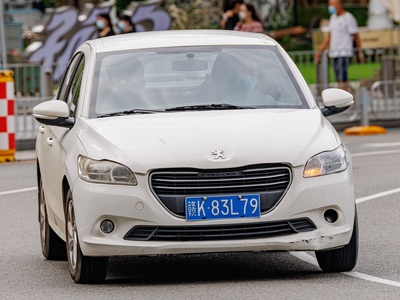
301
The 301 was Peugeot’s compact mid-1930s family car, noted for conservative engineering and good build quality. Sold across Europe, it helped Peugeot recover sales in the Depression era and is sought by prewar restorers.
302
Short-lived prewar model with streamlined styling bridging the era between 301 and 402. The 302 introduced aerodynamic cues and comfortable touring ability for its class, now prized by prewar collectors.
401
Mid-1930s family car with classical styling and robust mechanics. The 401 represents Peugeot’s interwar consolidation of its model range and is of interest to enthusiasts of 1930s French motoring.
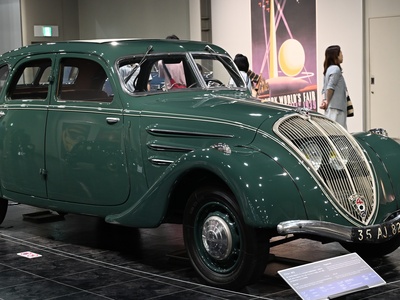
402
Notable for a streamlined “egg” profile and advanced aerodynamics for its day, the 402 was a modern-looking prewar Peugeot. It combined comfort and long‑distance capability and is collectible for its distinctive styling.
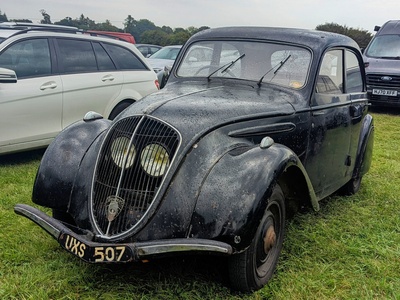
202
A compact pre- and postwar model, the 202 served as Peugeot’s small family car through wartime and recovery. Its simple, durable design made it ubiquitous across France and desirable to vintage-car restorers.
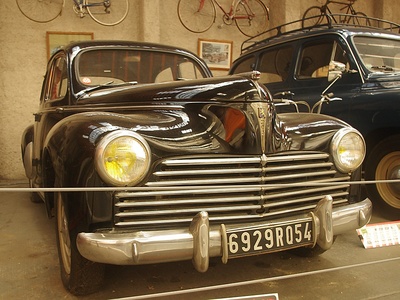
203
Peugeot’s first postwar new design, the 203 brought modern ponton styling, independent front suspension and widespread export success. Reliable and comfortable, it established Peugeot’s reputation in the booming 1950s market.
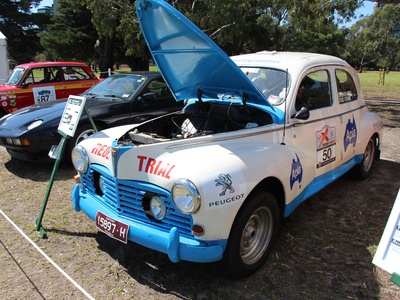
203 Cabriolet
A rare, elegant open-top version of the 203, coachbuilt for style-conscious buyers. Today it is prized for its graceful lines and as a representative of 1950s French convertible design.
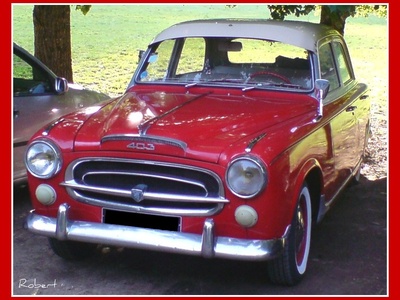
403
A conservative but immensely durable family car, the 403 gained fame for comfort and longevity; famously driven by TV’s Columbo. Robust mechanics made it popular worldwide and collectible as a classic taxi or family car.

404
Executive-class mid-size car known for comfort and reliability; widely exported and used as taxis and company cars. Strong global sales and simple mechanics give the 404 a high historic and utilitarian appeal.
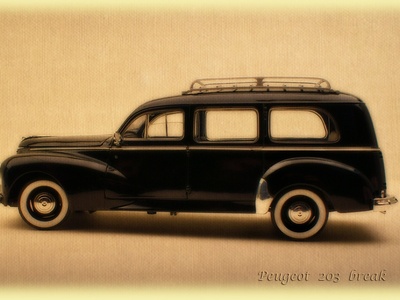
203 Break
Practical estate version of the 203, valued for cargo space and family use. Its simple, durable construction made it popular with rural buyers and collectors of practical postwar French vehicles.
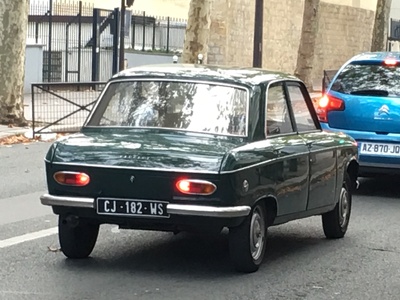
204
Peugeot’s compact 1960s family car and its first small front-wheel-drive model; economical, versatile and available in many body styles. The 204 proved Peugeot could compete in the growing small-car market.
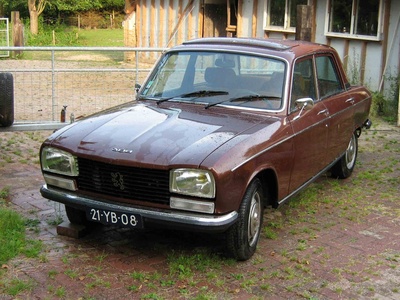
304
Small family model derived from the 204 with a larger body and more power. Common across Europe and Africa, the 304 is appreciated for its simplicity and role in Peugeot’s late-1960s expansion.
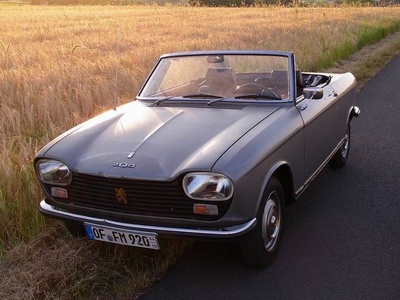
204 Cabriolet
Pininfarina-bodied convertible variant of the 204/304 lineage. Limited-production and styled for flair, it’s a rare collectible combining French mechanicals with Italian coachwork.
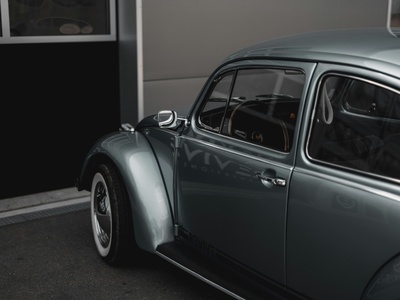
304 Coupe
Sportier Pininfarina-styled coupe based on the 304 mechanicals. Attractive styling and modest performance make it a sought-after classic for enthusiasts of compact European coupes.
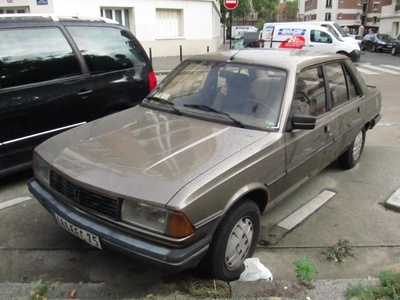
305
Mid-size family car that reinforced Peugeot’s product line in the late 1970s. Durable, comfortable and easy to maintain, the 305 was common across Europe and many remain in classic-car circulation.
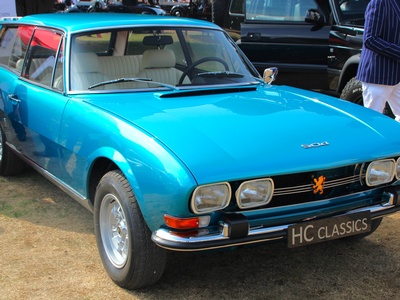
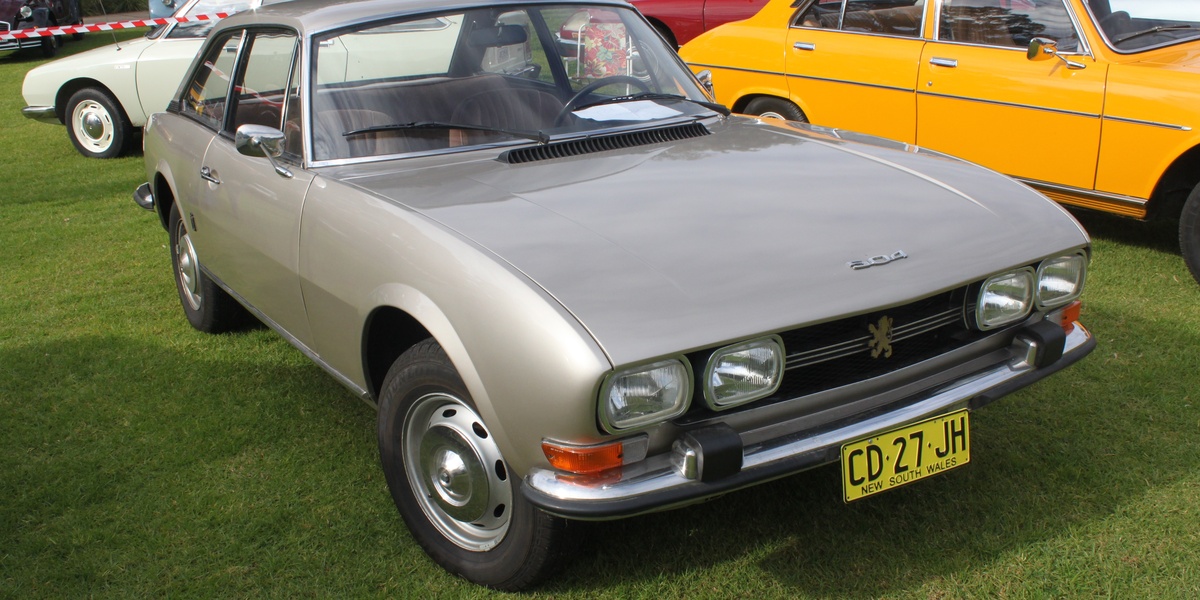
504
One of Peugeot’s most famous and long-lived models: robust, comfortable and well-suited to rough roads. Widely used in Africa and Latin America; the 504’s reputation for durability makes it a collector staple.
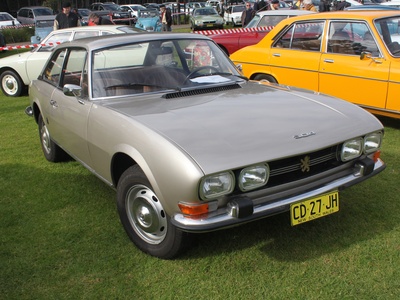
504 Coupé
Elegant Pininfarina-bodied coupe derivative of the 504, celebrated for its styling, refined ride and optional V6. A desirable classic for buyers seeking comfort with Italian-influenced coachwork.
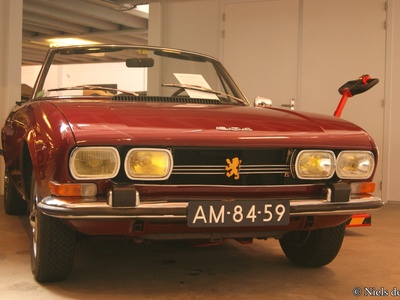
504 Cabriolet
Open-top sibling to the 504 Coupé, offering relaxed grand-touring character in the 1970s. Limited production and handsome styling make it a valuable classic convertible.
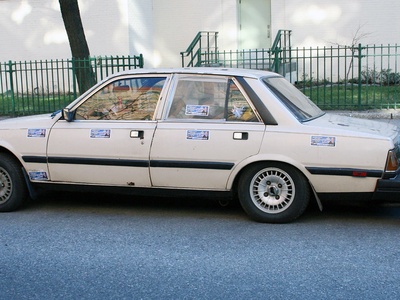
505
Large family car replacing the 504; durable and popular as a comfortable long-distance cruiser. Known for strong diesels and rugged construction, 505s remained common in export markets and among collectors of practical classics.
604
Luxury executive saloon with PRV V6; aimed at the premium market. Comfortable and quiet, the 604 showcased Peugeot’s ability in larger cars and is noted for its dignified cruising ability.
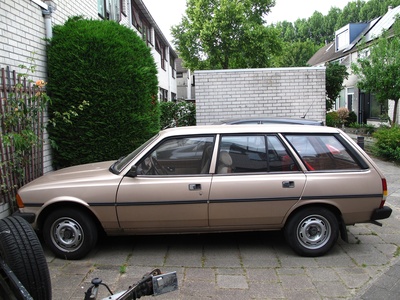
305 Break
Practical estate variant of the 305 with generous cargo capacity. Popular for family and commercial use across Europe; today appreciated by collectors seeking usable, period-correct classics.
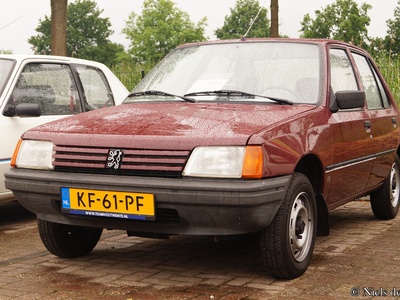
205
The iconic supermini that revitalised Peugeot in the 1980s. Compact, economical and fun, the 205’s blend of practicality and style made it a sales hit and the foundation for several celebrated variants.
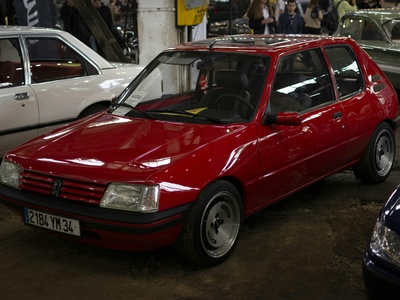
205 GTI
Hot-hatch legend praised for sharp handling, strong performance and everyday usability. The 205 GTI is one of the most collectible small sports cars from the 1980s and a benchmark for driver’s cars of the era.
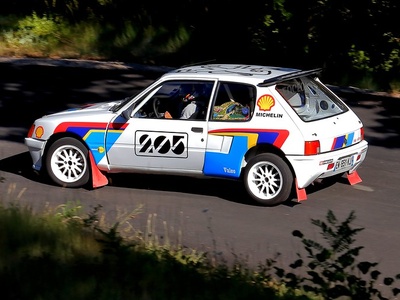
205 Rallye
Lightweight, competition-inspired version of the 205 featuring simplified trim and spirited performance. Appreciated by purists for raw driving feel and historic rally connections.
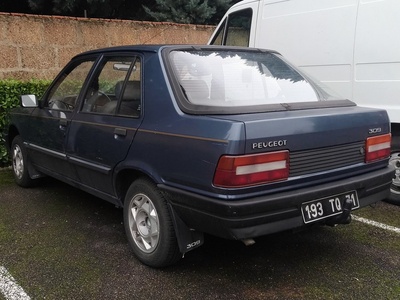
309
Developed during Peugeot’s takeover of Talbot, the 309 bridged product lines and became a practical small family car. Known for competent mechanics and value, it held Peugeot’s small-car slot in the late 1980s.
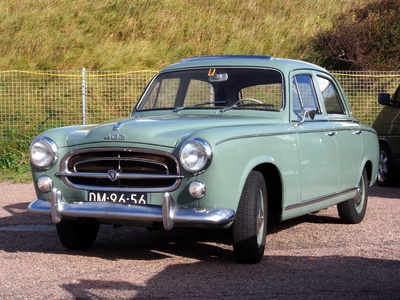
403 Commercial
Utility variant of the 403 designed for light commercial work. Robust and simple, these trucks and vans were widely used by businesses and rural users, prized for load-carrying reliability.
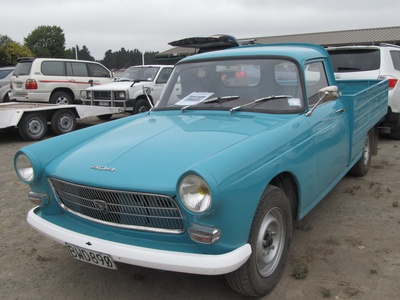
404 Pickup
Rugged pickup version of the 404, well-liked for farm work and export markets with poor roads. Its simplicity and ease of repair make surviving examples popular among vintage utility vehicle collectors.

203 Taxi
A common sight on French streets in the 1950s, the 203 taxi variant symbolises postwar urban transport. Its comfortable ride and reliable mechanics made it well suited to heavy-duty service.
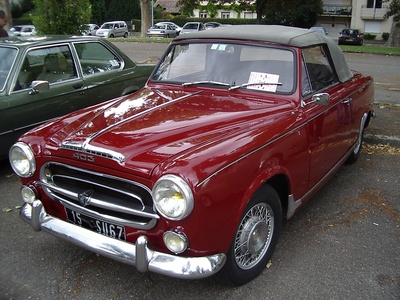
403 Cabriolet
Handsome open-top version of the conservative 403 saloon. Produced in limited numbers with elegant coachwork, it is now prized for classic grand-tourer styling and rarity.
201 Commercial
Light commercial offshoot of the popular 201 saloon, used for deliveries and tradesmen. Durable and simple, it exemplifies early 1930s practical motoring and is interesting to commercial-vehicle collectors.
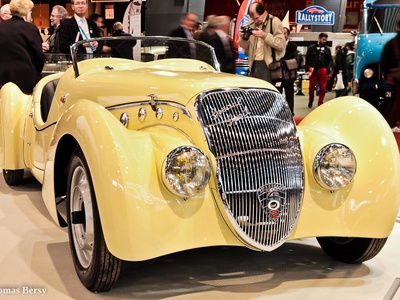
402 Darl’mat
Sporting, coachbuilt coupe variant by Darl’mat on the 402 chassis. A rare, performance-oriented prewar Peugeot prized for unique coachwork and period motorsport heritage.
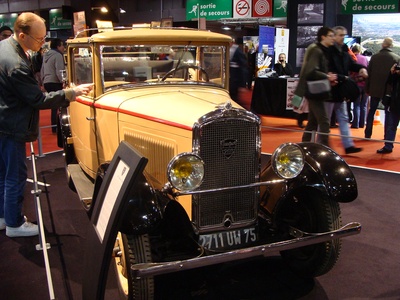
201 Cabriolet
Stylish open-top take on the 201, offering sporting looks in a compact package. Valued by collectors for its prewar charm and representation of early 1930s French leisure motoring.
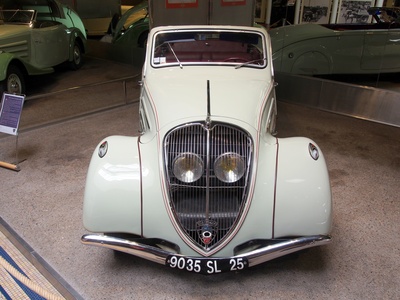
402 Commercial
Utility-focused version of the streamlined 402, used for deliveries and rural duties. Its combination of space and reliable mechanics make it a noteworthy prewar commercial classic.
601
Short-lived luxury model in the interwar lineup with larger engines and refined appointments. The 601 is a niche collectible for enthusiasts of 1930s French executive cars.
201 Taxi
Commonly adapted as a taxi in the 1930s, the 201 taxi variant represents early mass urban transport. Simple mechanics and widespread use make it an identifiable piece of motoring social history.
203 Pickup
Practical pickup version of the 203, used in rural and light-industrial roles. Known for robustness and ease of maintenance, these are examples of versatile postwar French automotive design.
204 Van
Commercial panel-van variant of the 204, offering small business utility with compact car running costs. Popular with tradespeople, now a charming classic light commercial vehicle.
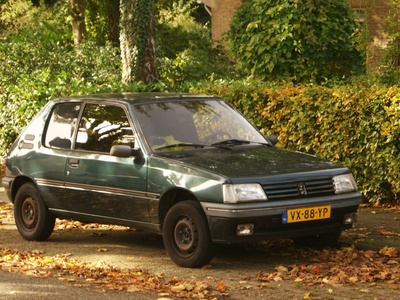
205 D Turbo
Early turbocharged 205 offering strong mid-range performance and sporting credentials. Important in illustrating the hot-hatch evolution of the 1980s and sought after by performance enthusiasts.
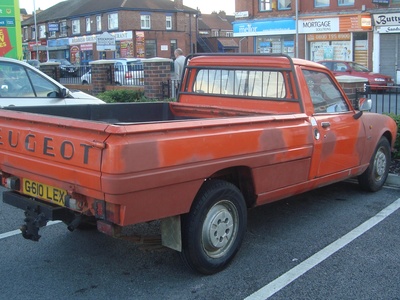
504 Pickup
Long-lived pickup variant of the durable 504 platform, extremely popular in Africa and rural markets for reliability and load carrying. Its extended production life makes it emblematic of Peugeot’s rugged reputation.

Marco Delantero
More from Marco DelanteroHow we reviewed this article
This article was researched against manufacturer records and editorially reviewed before publishing. We accept no payment for coverage. Some guides contain affiliate links; see our affiliate disclosure.