Korea’s first homebuilt car, the Sibal, rolled out in 1955 — a modest start that launched an auto industry now known worldwide.
Classic Korean cars trace a curious arc from hand-fashioned postwar runabouts to mass-market hatchbacks and, later, sporty coupes and SUVs that drew international attention. The story matters because these vehicles reflect South Korea’s industrial rise, shifting consumer tastes, and a growing collector market that prizes rarity and surprising design collaborations.
Hyundai was founded in 1967 and, by the 1970s and 1980s, manufacturers were moving from ad‑hoc workshops to full-scale production lines. This piece profiles 15 influential models spanning the 1950s through the 1990s, mixing technical details (years, engine types), cultural notes (designers, popular uses), and market context (collectability, auction interest). As always, verify model years and production figures against manufacturer histories or museum pages.
Pioneers and Early Classics
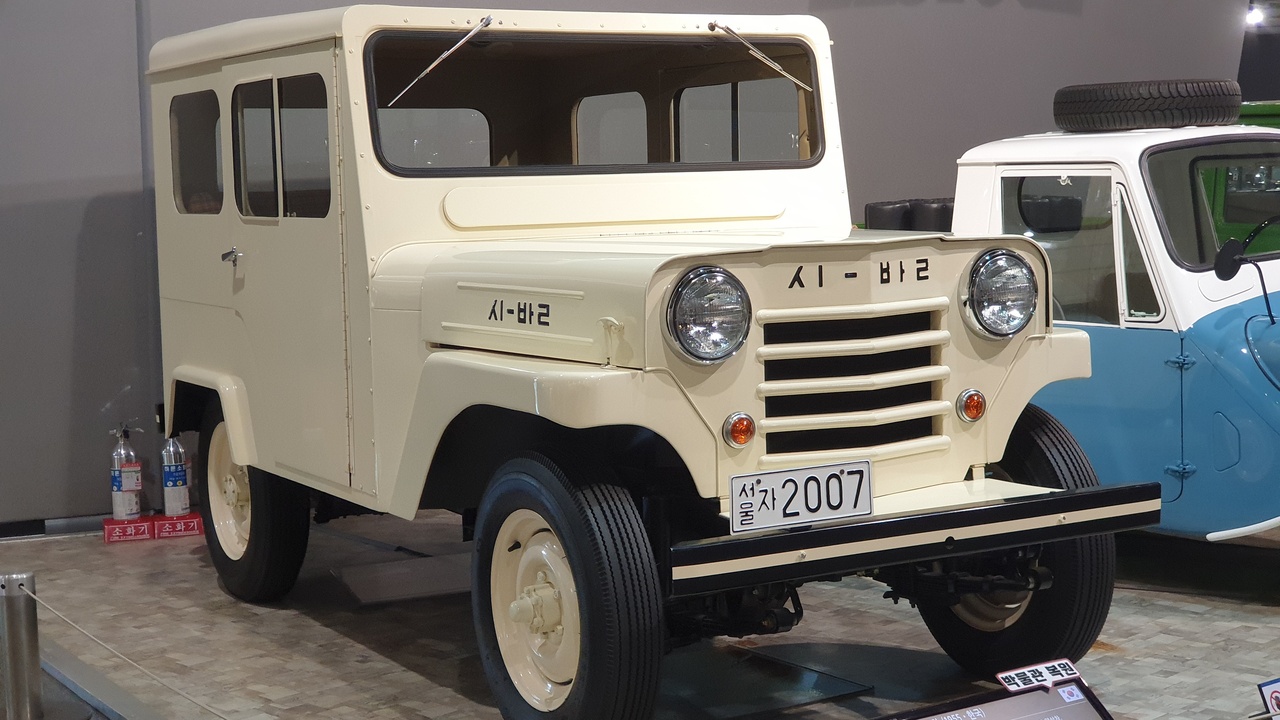
The Korean automotive story begins with small-scale, often state‑encouraged efforts and a handful of engineers building cars by hand. Early models set the cultural and technical foundations that let Hyundai, Kia and others scale production in the 1970s and beyond.
1. Sibal (1955) — Korea’s first homebuilt car
The Sibal is widely acknowledged as Korea’s first homemade automobile, crafted by local engineers in 1955 amid postwar material shortages. Builders used hand‑formed metal panels, repurposed parts and simple four‑cylinder powertrains to produce a handful of units for domestic use and parade displays.
Beyond its mechanical simplicity, the Sibal became a potent national symbol of ingenuity. Surviving examples are extremely rare; most live in museums or appear at heritage events, and restorations often rely on archival photographs and period parts scavenged from other vehicles.
2. Kia Brisa (1974) — Kia’s early passenger car
The Kia Brisa was one of Kia’s first purpose‑built passenger cars during the 1970s, marking the company’s shift from parts manufacture toward full vehicle assembly. Production began in the early‑to‑mid 1970s to meet growing domestic demand for small, economical transport.
Like many early Korean models, the Brisa drew heavily on foreign designs and licensed components to accelerate development. It served families and small businesses, delivering basic, repairable motoring in an era when imported cars were costly or scarce.
3. Hyundai Pony (mid-1970s) — Korea’s first mass-market export
Introduced in the mid‑1970s, the Hyundai Pony was South Korea’s first mass‑produced car and Hyundai’s first real export success. The Pony’s clean, functional lines were influenced by Giorgetto Giugiaro and a design team working to create an affordable small car for both domestic buyers and overseas markets.
The Pony helped open markets in Europe and Latin America and put Korean manufacturing on the map. Early annual production grew rapidly from a few thousand units to much larger volumes as Hyundai invested in stamping and assembly capacity.
4. Hyundai Stellar (1980s) — transitional large sedan
In the 1980s Hyundai offered larger sedans like the Stellar that bridged older, conservative designs and the more modern models that followed. The Stellar targeted business users and fleet buyers who needed comfortable, dependable transport rather than sporty performance.
Typical buyers included companies, government fleets and professionals. Engine options and interior appointments improved over time, and the Stellar’s existence showed Hyundai’s intent to compete with midsize imports on practicality and price.
Affordable Icons and Everyday Classics
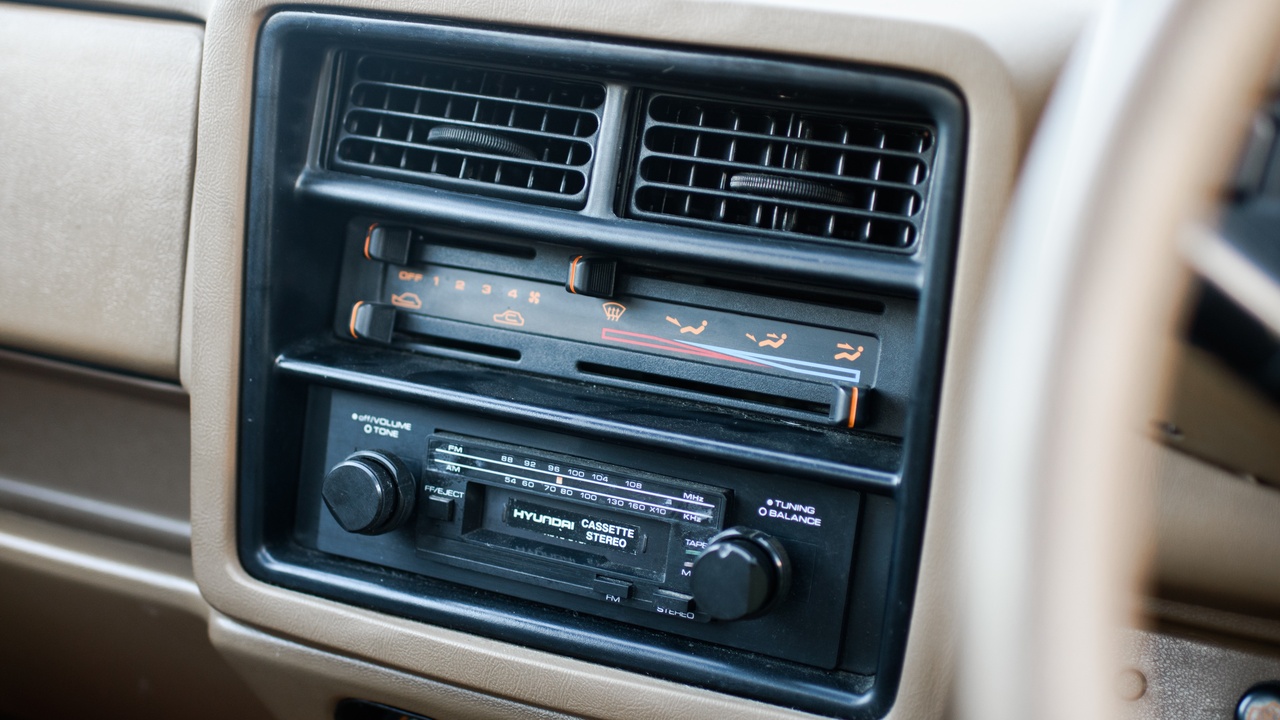
Mass‑market models shaped Korea’s motoring culture and export identity, showing that a low price and acceptable quality could build international reputation. Cars like the Excel and Kia Pride became familiar sights at home and abroad, often as taxis, first cars or used imports.
5. Hyundai Excel (mid-1980s) — the car that opened the U.S. market
The Hyundai Excel arrived in many export markets during the mid‑1980s and is often cited as Hyundai’s breakout model in the United States (model year 1986 is commonly referenced). Its rock‑bottom sticker price attracted buyers who needed reliable, affordable transport.
Excel ownership was typically straightforward: simple engines, inexpensive parts and dealer support. Hyundai’s early pricing strategies and warranty promises around this time helped establish the brand’s bargain‑for‑value reputation abroad.
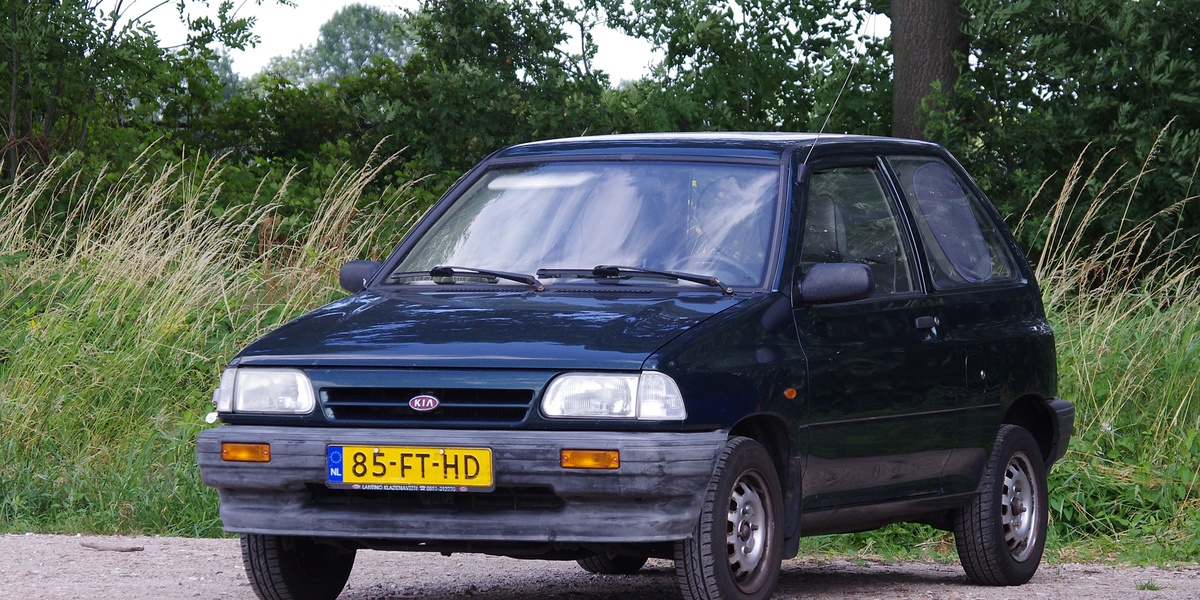
6. Kia Pride (late 1980s–1990s) — ubiquitous compact
The Kia Pride, produced from the late 1980s into the 1990s, became a ubiquitous compact in many markets. Built on foundations shared with earlier Mazda platforms, the Pride was inexpensive to buy and to run, making it popular as a family car and as taxi fleets in developing countries.
Its small‑displacement four‑cylinder engines and simple chassis meant mechanics worldwide could fix Prides with basic tools, which kept second‑hand values low but availability high—one reason used Prides stayed common on roads for years.
7. Daewoo LeMans (1990s) — inexpensive, globally marketed
Daewoo’s LeMans was a compact family car widely exported and frequently rebadged in the 1990s. Its global presence—sold under different names and badges—helped Daewoo punch above its domestic weight in emerging markets.
Buyers liked the LeMans for affordable maintenance and parts. Dealers often marketed it as a low‑cost alternative to more expensive Japanese or European small sedans, and its serviceability made it a favorite for budget‑conscious families.
8. Hyundai Sonata (early generations) — mainstream family sedan
Early Hyundai Sonata generations, appearing through the 1980s and into the 1990s, carried the company into the midsize family sedan segment. Each generation added safety and comfort features that helped Hyundai appeal to middle‑class buyers upgrading from compacts.
Across models, buyers noticed steady improvements: smoother engines, better acoustics and incremental safety updates. The Sonata lineup played a central role in shifting public perception of Hyundai from basic economy to mainstream credibility.
Performance and Style: Sporty Classics
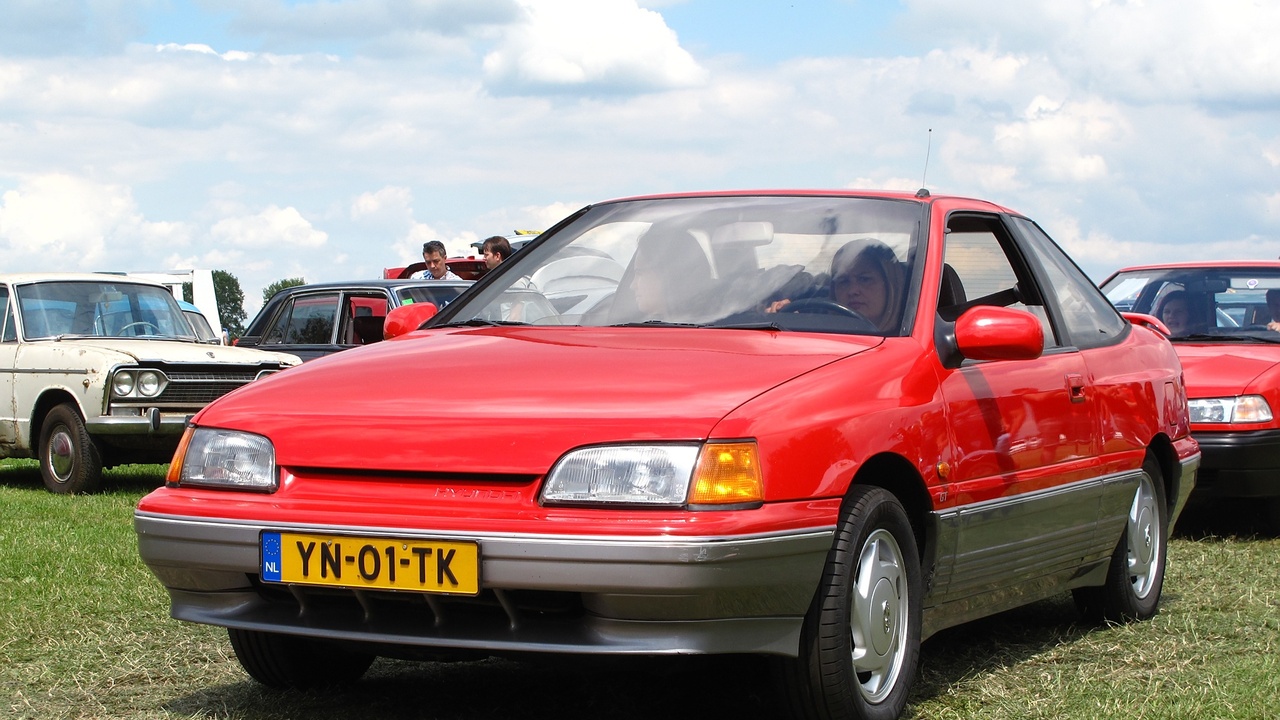
By the late 1980s and 1990s Korean makers began offering sport‑oriented variants: compact coupes, sport trims and chassis tweaks that appealed to enthusiasts. Some of these cars now enjoy cult followings among tuners and collectors.
Interest in classic korean cars from this era often mixes nostalgia for cheap modification platforms with genuine appreciation for distinctive styling choices.
9. Hyundai Scoupe (1990) — early sporty compact
Launched around 1990, the Hyundai Scoupe was one of the brand’s first attempts at a sporty compact coupe. It came with modestly tuned four‑cylinder engines and, in some markets, offered turbo conversions via aftermarket tuners.
Today the Scoupe appeals to first‑car modifiers: enthusiasts convert naturally aspirated engines to turbocharged units, upgrade suspensions and swap wheels to extract extra performance. That tuner scene keeps prices low for the unmodified models but raises interest in well‑preserved examples.
10. Hyundai Coupe / Tiburon (mid-1990s) — international style with a sporty edge
Introduced in the mid‑1990s and sold as the Tiburon in some markets, Hyundai’s Coupe offered sharper styling and more refined handling than earlier two‑door efforts. It signaled a deliberate shift toward design‑led products aimed at younger buyers.
Trim levels varied by market, with higher‑spec variants adding multi‑valve engines, improved brakes and sport seats. Contemporary reviews often praised its value; critics noted that while it wasn’t a driver’s car on par with European coupes, it delivered strong style for the price.
11. Kia Sephia (1990s) — sport trims and tuner potential
The Kia Sephia was a compact family car that spawned sportier trims in the 1990s. Enthusiasts appreciated its simplicity: straightforward engines and roomy aftermarket support for bolt‑on upgrades like intake, exhaust and suspension kits.
Clubs and online forums formed around modifying affordable platforms like the Sephia, turning otherwise ordinary cars into individualized projects and building a grassroots tuner culture in regions where high‑end sport models were out of reach.
12. Hyundai Grandeur (early sport/luxury variants) — a step toward luxury performance
The Grandeur historically served as Hyundai’s larger, more luxurious sedan; certain trims in the 1980s and 1990s added larger engines and firmer suspensions that leaned toward performance. These variants appealed to executives who wanted comfort with extra power.
Features such as leather upholstery, upgraded audio and suspension tuning distinguished these trims from base models. The Grandeur’s evolution showed Hyundai’s capacity to combine comfort with stronger straight‑line performance.
Rare, Offbeat, and Collector’s Gems
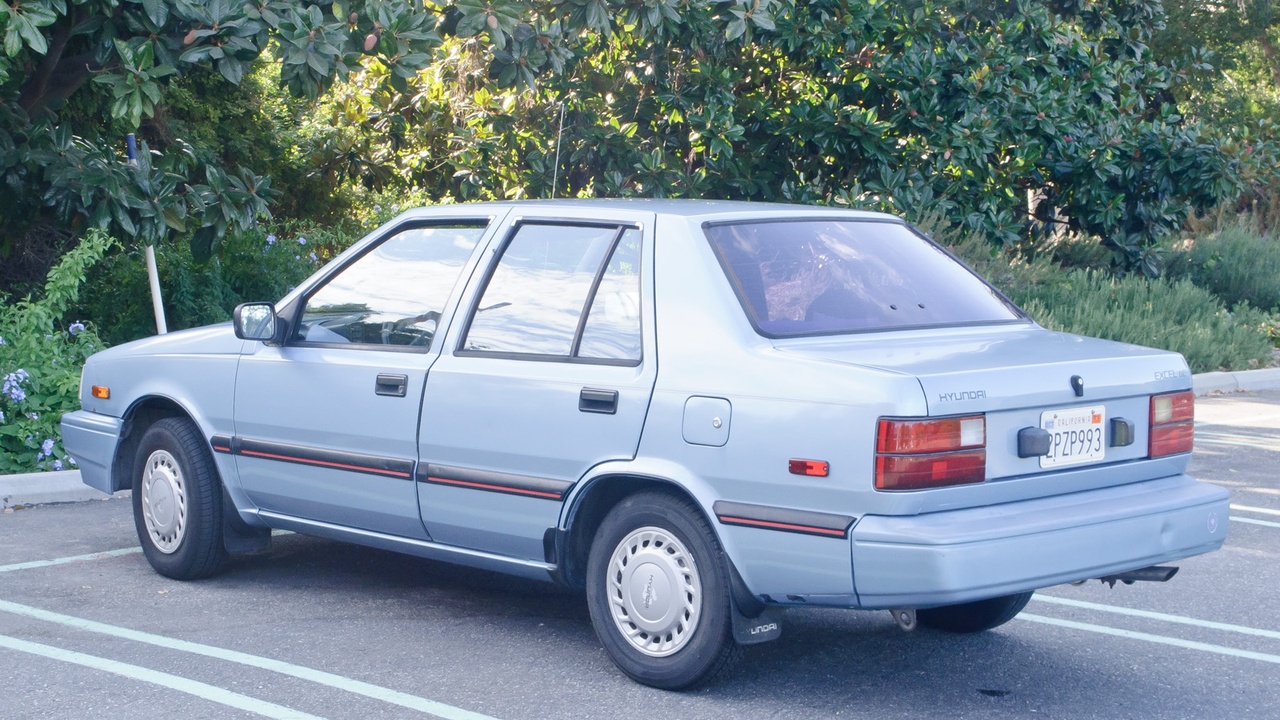
Certain Korean models sold only in limited numbers or in narrow regions, and those oddities now attract collectors. Low production, licensed builds and experimental bodywork make these cars desirable to museums and private enthusiasts.
13. Daewoo Espero (1990s) — unusual design and limited appeal
The Daewoo Espero, produced in the 1990s, carried unconventional styling that divided reviewers at launch. It wasn’t exported as widely as other Daewoo models, so surviving Esperos are uncommon outside certain markets.
Collectors prize well‑kept Esperos for their quirky design and scarcity. Period magazine reviews and regional sales figures help explain why the Espero occupies a curious corner of 1990s Korean car history.
14. Hyundai Galloper (early 1990s) — Korea’s early SUV answer
The Galloper arrived in the early 1990s as one of Korea’s first domestically sold SUVs, heavily derived from Mitsubishi designs under license. It offered typical off‑road capability for the era—rugged ladder‑frame chassis, simple transfer cases and durable engines.
For rural buyers and light‑utility fleets, the Galloper delivered genuine capability at a lower price than imported SUVs. Today, its licensed origins and relative rarity in some markets add to its collectible appeal.
15. Rare coachbuilt and low-volume models (various makers) — regional oddities collectors chase
A final category covers coachbuilt one‑offs, promotional specials and short‑run experiments from the 1960s through the 1990s. Examples include special taxi bodies, limited promotional convertibles and region‑specific variants built to serve niche needs.
These low‑volume machines often surface in museums or at auctions; a verified auction result or a museum exhibit photo can turn what looks like an oddity into a documented piece of automotive heritage.
Summary
The arc from the hand‑built Sibal in 1955 to the sporty and rare models of the 1990s maps South Korea’s industrial and cultural maturation. Early efforts were small and scrappy, the 1970s and 1980s delivered mass‑market staples that built manufacturing scale, and the 1990s introduced sport trims and licensed SUVs that broadened consumer choice.
Collectors today chase both everyday survivors and scarce, coachbuilt oddities. Unexpected design collaborations (for example, international stylists working with local manufactures) and licensed builds with foreign partners are recurring surprises in this story. If you’re curious about classic korean cars or thinking about a purchase, check manufacturer heritage pages, museum records and recent auction results before making decisions.
- From the Sibal to later export models, Korean cars trace a clear industrial ascent.
- Mass‑market models like the Pony and Excel established production scale and overseas presence.
- Sporty trims and rare, low‑volume cars now drive collector interest—visit shows or verify auction histories before buying.

Marco Delantero
More from Marco DelanteroHow we reviewed this article
This article was researched against manufacturer records and editorially reviewed before publishing. We accept no payment for coverage.