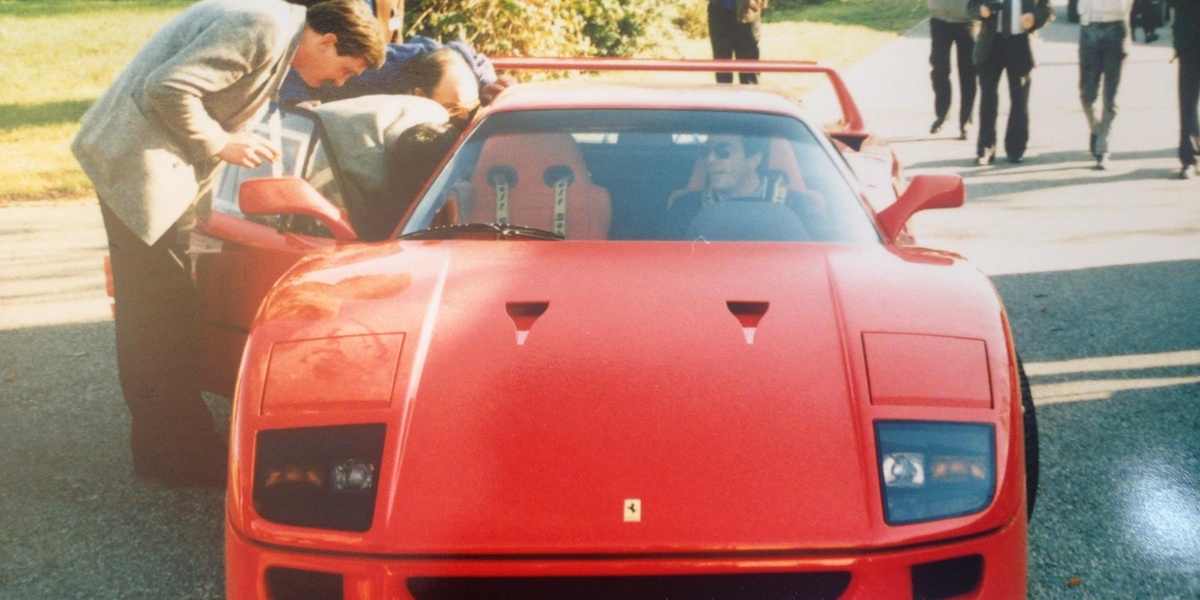
The 1980s were a turning point for road-going performance: turbocharging, sharper aerodynamics and race‑derived engineering pushed many manufacturers to chase higher top speeds while keeping cars usable on public roads.
There are 25 Fastest Cars of the 1980s, ranging from Alpina B7 Turbo/1 (E28) to Ruf CTR “Yellowbird”. For each entry the list shows Top speed (km/h),Year (model year),Manufacturer (country); you’ll find below.
What engineering trends let 1980s cars reach such high top speeds?
Turbocharging became widespread, lightweight materials and refined aerodynamics reduced drag, and close-ratio gearboxes and higher‑revving engines maximized usable speed — often combined with limited-production tuning programs that prioritized top-speed capability over everyday comfort.
How reliable are the top speed figures in the list?
Numbers come from manufacturer claims, period road tests and independent verifications; treat them as nominal figures because real-world top speeds vary with testing conditions, tires and vehicle condition — the table includes model year and manufacturer so you can cross-check specific sources if needed.
Fastest Cars of the 1980s
| Name | Top speed (km/h) | Year (model year) | Manufacturer (country) |
|---|---|---|---|
| Ruf CTR “Yellowbird” | 342 | 1987 | Ruf Automobile (West Germany) |
| Porsche 959 S | 339 | 1988-1989 | Porsche (West Germany) |
| Ferrari F40 | 324 | 1987-1989 | Ferrari (Italy) |
| Porsche 959 Komfort | 317 | 1986-1989 | Porsche (West Germany) |
| Ferrari 288 GTO | 304 | 1984-1987 | Ferrari (Italy) |
| Aston Martin V8 Vantage Zagato | 299 | 1986-1989 | Aston Martin (UK) |
| Lamborghini Countach LP5000 QV | 293 | 1985-1988 | Lamborghini (Italy) |
| Ferrari Testarossa | 290 | 1984-1989 | Ferrari (Italy) |
| Isdera Imperator 108i | 283 | 1984-1989 | Isdera (West Germany) |
| Chevrolet Corvette C4 ZR-1 | 282 | 1989 | Chevrolet (USA) |
| De Tomaso Pantera GT5 S | 280 | 1985-1989 | De Tomaso (Italy) |
| Aston Martin V8 Vantage “X-Pack” | 274 | 1986-1989 | Aston Martin (UK) |
| Porsche 928 S4 | 274 | 1987-1989 | Porsche (West Germany) |
| BMW M1 | 262 | 1980-1981 | BMW (West Germany) |
| Lotus Esprit Turbo HC | 261 | 1987-1989 | Lotus (UK) |
| Porsche 944 Turbo S | 261 | 1988 | Porsche (West Germany) |
| Alpina B7 Turbo/1 (E28) | 260 | 1984-1987 | Alpina (West Germany) |
| Porsche 911 Turbo 3.3 (930) | 260 | 1980-1989 | Porsche (West Germany) |
| BMW M635CSi / M6 | 255 | 1983-1989 | BMW (West Germany) |
| Renault Alpine GTA V6 Turbo | 250 | 1985-1989 | Renault-Alpine (France) |
| Ford Sierra RS500 Cosworth | 248 | 1987 | Ford (UK / West Germany) |
| Lamborghini Jalpa P350 | 248 | 1981-1988 | Lamborghini (Italy) |
| Ford Sierra RS Cosworth | 240 | 1986-1987 | Ford (UK / West Germany) |
| Audi Sport Quattro | 233 | 1984-1985 | Audi (West Germany) |
| Audi Quattro 20V | 230 | 1989 | Audi (West Germany) |
Images and Descriptions
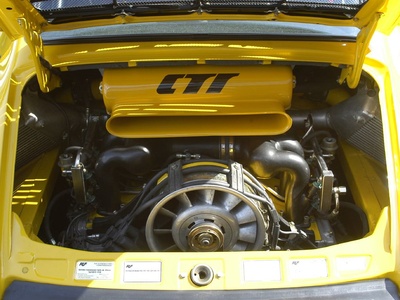
Ruf CTR “Yellowbird”
Nicknamed “Yellowbird” during a magazine test, this heavily modified Porsche 911 shocked the world by outrunning the F40 and 959. As Ruf is a manufacturer with its own VINs, it qualifies as the decade’s undisputed speed king.
Porsche 959 S
The lighter, more powerful ‘Sport’ version of the 959. It sacrificed comfort features for raw performance, making it a rare and incredibly advanced supercar that briefly held the title of the world’s fastest street-legal production car.
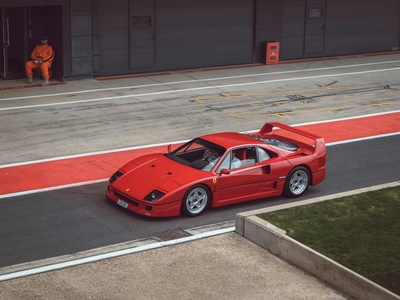
Ferrari F40
Enzo Ferrari’s final masterpiece. A raw, minimalist supercar built to celebrate the firm’s 40th anniversary. The F40 was the first production car to have a verified top speed over 200 mph (322 km/h), setting a new benchmark for performance.
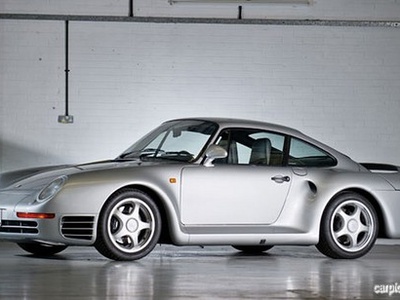
Porsche 959 Komfort
A technological tour-de-force featuring computer-controlled all-wheel-drive and twin-turbochargers. Born from a failed Group B rally project, the 959 ‘Komfort’ was the most technologically advanced and usable supercar of its era.
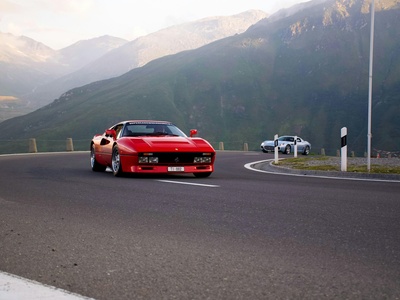
Ferrari 288 GTO
The father of the modern Ferrari supercar. The 288 GTO was a homologation special for a race series that never happened. Its stunning looks, twin-turbo V8, and formidable performance make it one of the most desirable cars ever built.
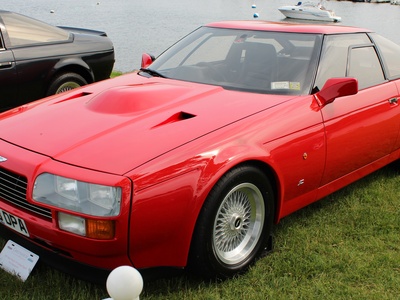
Aston Martin V8 Vantage Zagato
A controversial but brutally fast Anglo-Italian collaboration. The Zagato-bodied V8 Vantage combined British muscle with polarizing Italian styling, creating an exclusive and powerful grand tourer that was one of the fastest cars of its day.
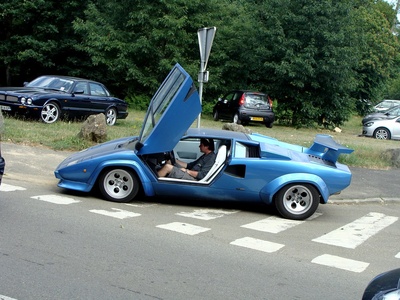
Lamborghini Countach LP5000 QV
The quintessential 1980s poster car. The LP5000 QV (Quattrovalvole) version was the most powerful Countach yet, thanks to its new four-valve-per-cylinder V12 engine. It had the wild looks and the wild performance to match.
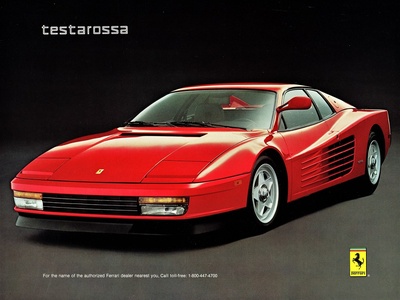
Ferrari Testarossa
An icon of 80s excess, famous for its ‘cheese grater’ side strakes and wide rear end. Powered by a flat-12 engine, the Testarossa was a more refined grand tourer than its rivals but still offered blistering supercar speed.
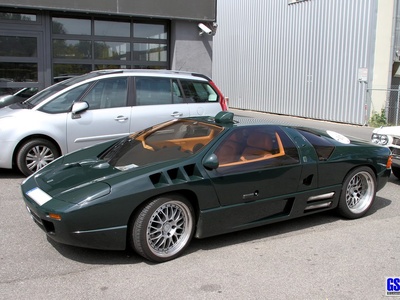
Isdera Imperator 108i
A boutique German supercar born from a rejected Mercedes-Benz concept. The Imperator 108i featured gullwing doors, a powerful Mercedes V8, and a unique periscope-style rear-view mirror, offering exotic looks and impressive performance.
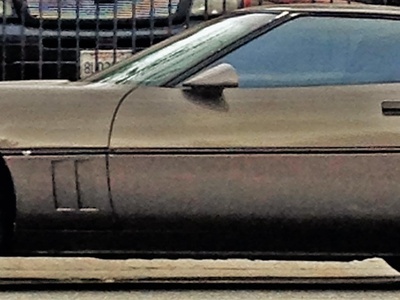
Chevrolet Corvette C4 ZR-1
Known as the “King of the Hill,” the ZR-1 was an American challenge to European supercars. Its advanced DOHC LT5 V8 engine, designed by Lotus, gave the Corvette the power and speed to compete with the world’s best.
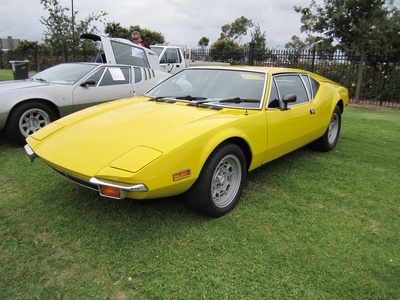
De Tomaso Pantera GT5 S
The Pantera combined exotic Italian styling with a reliable American Ford V8. The GT5 S model was the ultimate 80s evolution, featuring wide fender flares, a massive rear wing, and performance that kept it relevant in the supercar world.
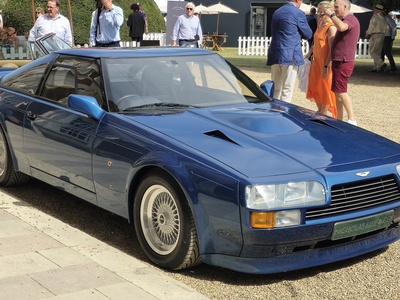
Aston Martin V8 Vantage “X-Pack”
The ultimate evolution of the classic British muscle car. The optional “X-Pack” engine upgrade gave the V8 Vantage over 400 horsepower, making it Britain’s first true supercar and a thunderous high-speed grand tourer.
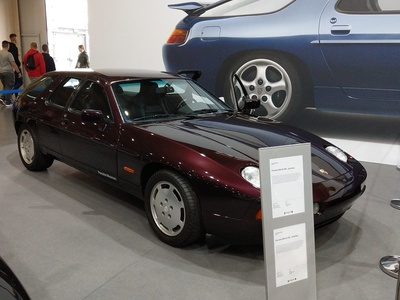
Porsche 928 S4
Porsche’s V8-powered grand tourer. The S4 was a major update with a more powerful 32-valve engine and smoother styling. It offered a superb blend of effortless high-speed cruising, comfort, and sophisticated engineering.
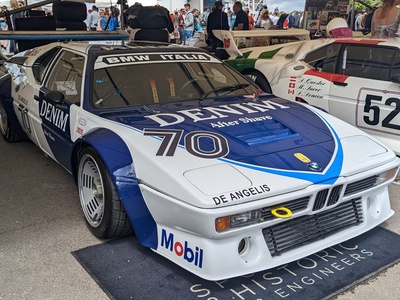
BMW M1
BMW’s only mid-engine supercar. Originally designed for racing, the Giugiaro-styled M1 was a brilliant driver’s car. Its production run just crept into the 80s, securing its place as a rare and legendary performance machine.
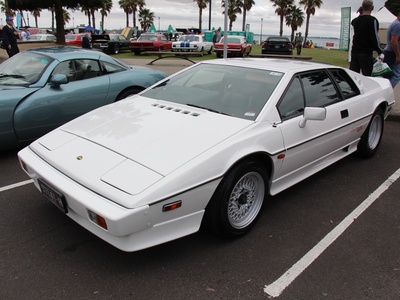
Lotus Esprit Turbo HC
The ‘HC’ (High Compression) version of the newly redesigned Esprit by Peter Stevens. This Bond-worthy British supercar used its lightweight chassis and powerful turbocharged four-cylinder engine to deliver incredible speed and handling.
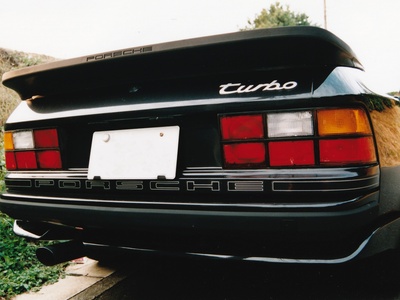
Porsche 944 Turbo S
A limited-edition, higher-performance version of the already capable 944 Turbo. The Turbo S featured a larger turbo and the suspension from the Turbo Cup race car, making it one of the best-handling and fastest cars of its class.
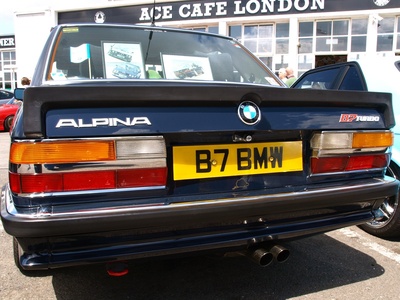
Alpina B7 Turbo/1 (E28)
Based on the BMW 5 Series, the Alpina B7 Turbo/1 was a luxury sedan with supercar performance. For a time, it was the fastest four-door production car in the world, blending executive comfort with shocking acceleration and speed.
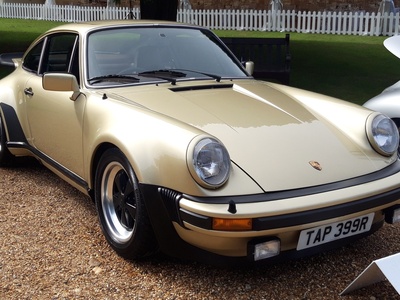
Porsche 911 Turbo 3.3 (930)
The iconic ‘whale tail’ 911 Turbo. Known for its challenging handling and explosive turbo lag, the 930 was the definitive sports car of the decade, offering a raw driving experience and a legendary performance profile.
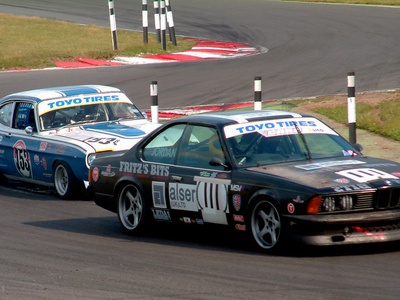
BMW M635CSi / M6
A stylish grand touring coupe with the heart of a supercar. It used a modified version of the M1’s straight-six engine, giving the elegant “Sharknose” E24 the power to cross continents at incredibly high speeds with grace and comfort.
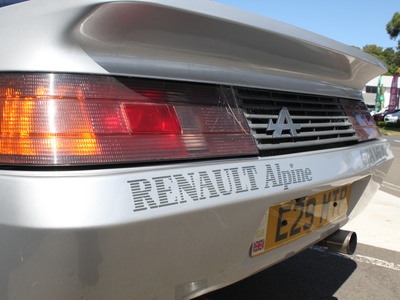
Renault Alpine GTA V6 Turbo
A lightweight French sports car with a unique fiberglass body and rear-engine layout. The V6 Turbo model offered impressive straight-line speed and aerodynamic efficiency, making it a distinctive and fast alternative to a Porsche 911.
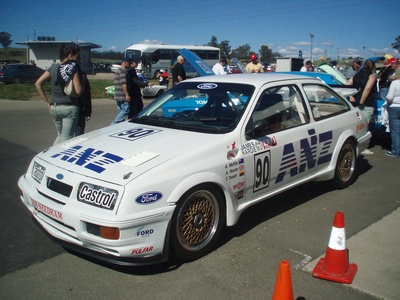
Ford Sierra RS500 Cosworth
A homologation special built for touring car racing. The RS500 was a rarer and more powerful version of the already potent Sierra RS Cosworth, featuring a larger turbo and iconic ‘whale tail’ spoiler. It was a racing legend for the road.
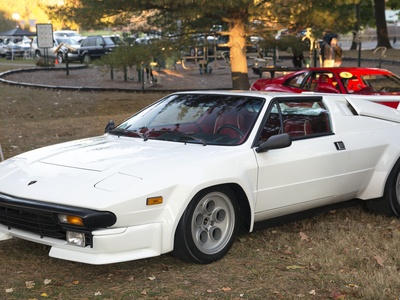
Lamborghini Jalpa P350
The “baby” Lamborghini of the 1980s. Designed to be a more affordable and usable alternative to the Countach, the V8-powered Jalpa still offered exotic looks and the thrilling performance expected from the brand.
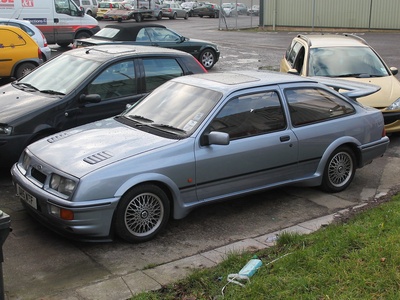
Ford Sierra RS Cosworth
A humble family sedan transformed into a high-performance legend. The “Cossie” was built to dominate touring car racing, and its road-going version with its turbocharged engine and massive rear wing became an icon of affordable speed.
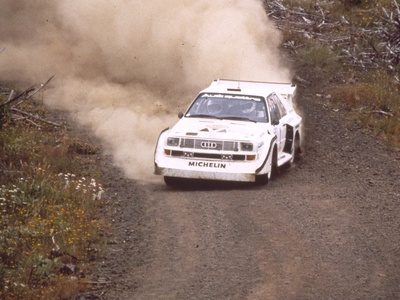
Audi Sport Quattro
A shortened, carbon-kevlar-bodied homologation special built for the brutal world of Group B rallying. It was a raw, aggressive, and incredibly powerful all-wheel-drive machine, representing the peak of Audi’s rally dominance.
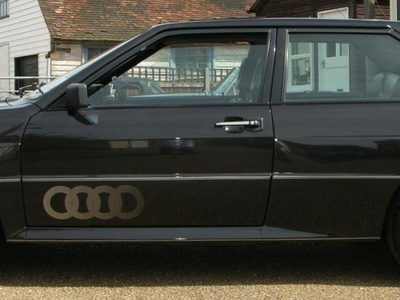
Audi Quattro 20V
The final and most powerful version of the original Quattro. The “20V” model featured a new 20-valve engine, giving the legendary all-wheel-drive coupe a significant performance boost and cementing its status as a high-tech performance icon.

Marco Delantero
More from Marco DelanteroHow we reviewed this article
This article was researched against manufacturer records and editorially reviewed before publishing. We accept no payment for coverage.