
A generation ago, pickup work fleets almost always ordered single‑cab trucks for job sites and deliveries; today, crew cabs dominate showroom floors — but single cabs remain popular where function matters most. Fleet buyers, contractors and solo operators stuck to single cabs because they were cheaper, lighter and easier to spec for work. Showroom shoppers gravitated toward crew cabs for family use, and that trend reshaped dealer inventories.
Despite the showroom appeal of larger crew cabins, the choice between regular cab and crew cab matters a lot depending on priorities. When deciding regular cab vs crew cab, think beyond looks: who rides, what you haul, and how the truck will be upfitted. While crew cabs maximize passenger space, regular (single) cab pickups still win on cost, payload, maneuverability and straightforward utility. Below are eight practical advantages grouped into economic, everyday‑use, payload, and ownership reasons to consider a regular cab.
Economic & Cost Advantages
1. Lower purchase price
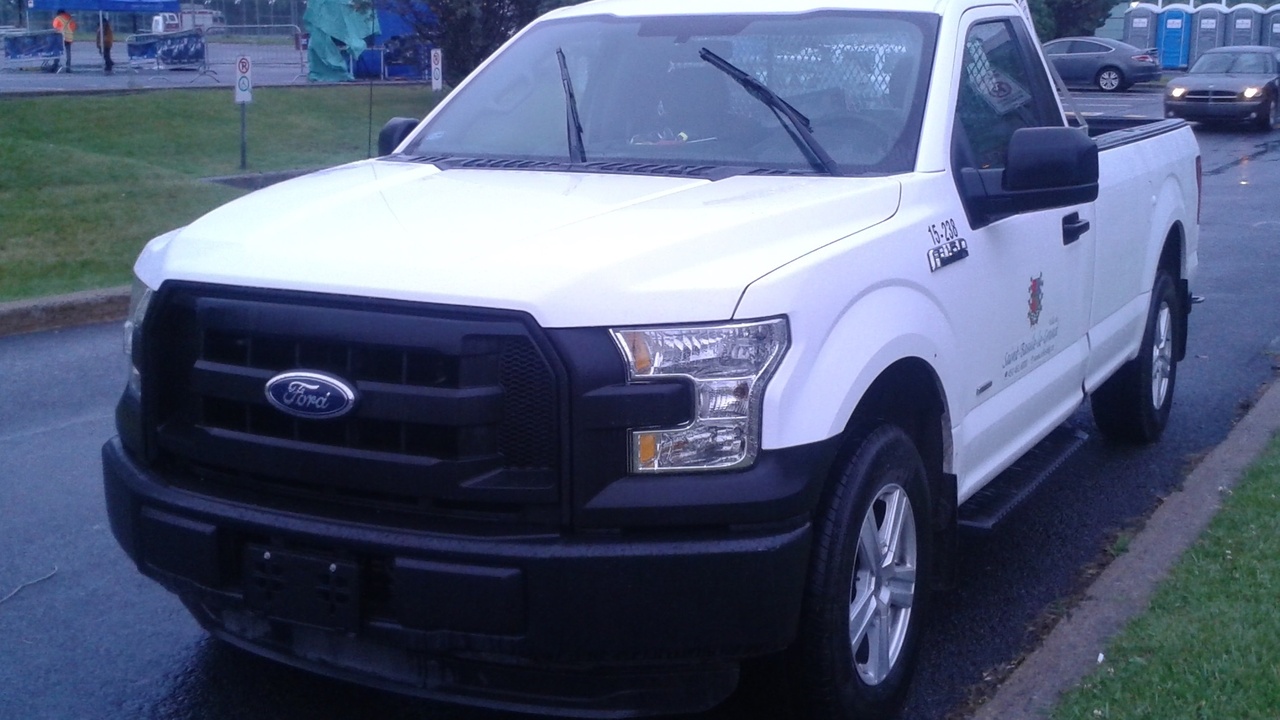
Regular cabs usually come in simpler trim levels and therefore cost less at the dealership. On base or work‑truck trims you’ll often see a price gap in the neighborhood of $1,000–$4,000 between a single‑cab and the equivalent crew‑cab model, depending on make, engine and options.
Why the difference? Less sheetmetal, fewer seats, simpler rear structure and fewer standard conveniences all reduce MSRP. For a small construction company that needs five trucks, that $2,500 average saving per unit can mean buying five single cabs instead of three crew cabs with the same budget.
2. Lower insurance and operating costs
Insurers price policies around vehicle value and usage. A lower‑valued single cab typically costs several hundred dollars less per year to insure versus a comparably equipped crew cab. For fleets, that adds up quickly.
There are also maintenance savings tied to simpler interiors and fewer components: fewer doors, fewer seat assemblies, and less electrics in rear rows mean cheaper repairs after minor collisions. Ask insurers for quotes and run total‑cost‑of‑ownership over 3–5 years before buying.
Practicality & Everyday Use

3. Easier maneuverability and parking
Regular cabs often pair with shorter overall lengths and shorter wheelbases, which improves turning radius and makes parking simpler in tight urban streets or crowded jobsites. A short‑wheelbase single cab with a 6.5‑ft bed will be noticeably easier to back into narrow yards than an extended crew cab with the same bed.
That difference matters for delivery drivers, landscapers or contractors who reverse into tight gates or squeeze along crowded curbs every day. Less time fiddling with tight maneuvers means more time on the clock doing billable work.
4. Simpler cabin — less to maintain and clean
With fewer seats and simpler trim levels, single cabs are inherently easier to keep clean after muddy, dusty or greasy days. No rear seats to vacuum, fewer seat covers to replace and fewer interior panels that take damage when tools get tossed inside.
For dirty work, spec durable vinyl seats and full‑width rubber floor mats. Fleets commonly order work‑truck interiors across single‑cab units because they reduce downtime for cleaning and lower replacement costs for fabrics and trim pieces.
Payload, Bed Access & Utility

5. Higher payload capacity
Because the cabin is lighter and less complex, single‑cab trucks often carry more payload than equivalent crew cabs. It’s common to see 150–350 lb higher payload ratings on regular‑cab configurations, depending on chassis and options.
In practice that extra payload can be the difference between fitting all the tools and material in one trip or needing a second run. Landscapers can add a few more bags of topsoil; contractors can keep heavy compressors or longer lengths of lumber without exceeding the sticker payload.
6. Easier bed access and simpler bed layout for work gear
Single cabs remove rear doors and rear‑seat intrusions, making full‑length beds and rack systems easier to use. An 8‑ft bed on a single‑cab truck is simple to outfit with a full‑length ladder rack and heavy pull‑out toolboxes without obstructing passenger access.
That geometry simplifies mounting service bodies, ladder racks, compressors and other vocational gear. For trades that use long sheet goods or ladders, the unobstructed bed is a practical asset.
Ownership, Resale & Niche Advantages

7. Better suited for upfit and commercial conversions
Upfitters and vocational dealers prefer single cabs for service‑body, flatbed and chassis‑cab conversions. The cab‑to‑body interface is simpler and manufacturers frequently offer heavy‑duty chassis variants that start with a single‑cab layout.
Examples abound: utility companies ordering single‑cab chassis to mount service bodies and boom cranes; landscape firms adding purpose‑built tool racks and bed drawers on 8‑ft beds. Consult upfit vendors early — they’ll confirm payload and compatibility before you order from the factory.
8. Resale and fleet value in the commercial market
While crew cabs can bring stronger retail trade‑in value among private buyers, single cabs enjoy steady demand in commercial resale channels. Fleet auctions, vocational dealers and municipal buyers regularly snap up used single‑cab work trucks.
That means faster turnaround in auctions and a predictable buyer pool when you sell. Upfit‑ready single cabs—properly documented with payload and service‑body specs—can even command a small premium among vocational buyers.
Summary
- Regular cabs save money up front and reduce insurance and operating costs over time, often by several hundred dollars per year on premiums and $1,000–$4,000 at purchase.
- They offer practical advantages for solo and fleet operators: better maneuverability, simpler interiors that are easier to clean, and modestly higher payloads (commonly 150–350 lb more).
- Single cabs simplify upfits—service bodies, ladder racks and chassis conversions—and sell reliably into vocational resale channels like municipal fleets and contractor buyers.
- Before you buy: test‑drive both body styles, get insurer quotes, and run a 3‑year total cost of ownership comparison. Visit an upfitter to confirm payload and bed layout for your intended equipment.
Other Car Type Comparisons

James Kowalski
More from James KowalskiHow we reviewed this article
This article was researched against manufacturer records and editorially reviewed before publishing. We accept no payment for coverage.