7 Advantages of Full-Size Van vs Minivan
In the 1960s, vans evolved from simple workhorses into multi-purpose vehicles for families, businesses and specialty services — and the split between full-size vans and minivans has mattered ever since.
Many buyers mix up minivans and full-size vans and end up with a vehicle that doesn’t match their needs: minivans prioritize passenger comfort and car-like handling, while full-size cargo and passenger vans prioritize space, payload and serviceability.
For drivers who need raw cargo capacity, towing muscle, and commercial flexibility, a full-size van often outperforms a minivan — this piece lays out seven concrete advantages and the numbers behind them. For context, a typical three-row minivan offers roughly 30–50 cu ft of cargo behind the rear seats, while high-roof full-size vans can approach 250–500+ cu ft depending on wheelbase and roof height (Mercedes‑Benz, Honda).
Practical capacity and payload advantages
Capacity and payload are the most tangible differences between a full-size cargo van and a minivan. Cargo volume, payload limits and flexible seating determine whether a vehicle serves a family well or becomes a usable mobile workshop for a small business.
1. Significantly greater cargo volume
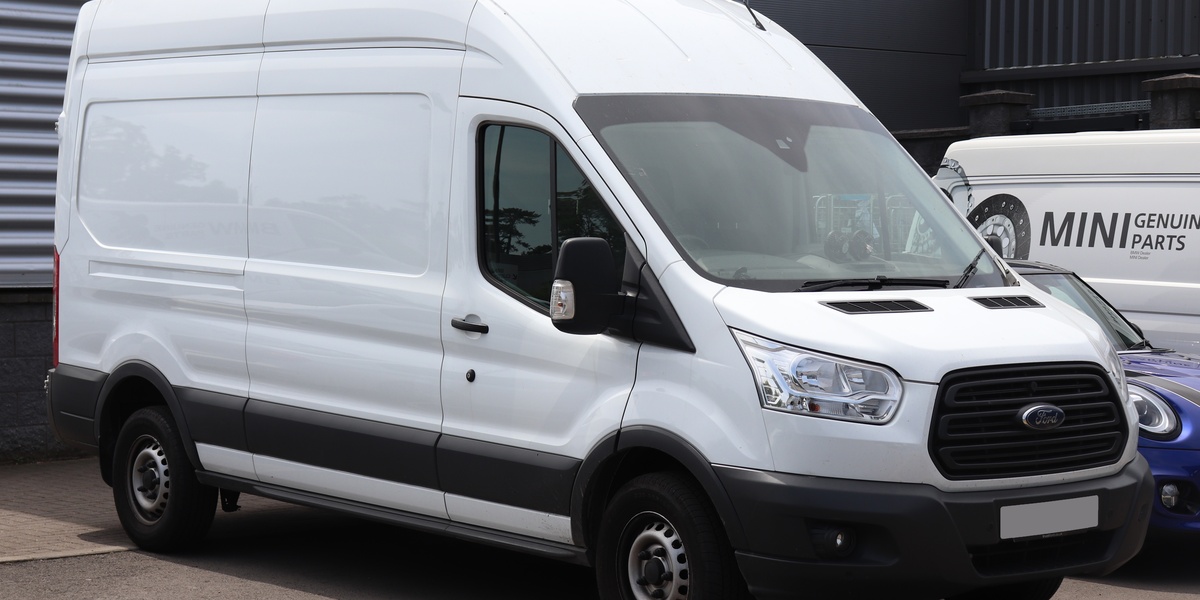
Full-size vans provide substantially more enclosed space than minivans. Typical modern three-row minivans offer about 30–50 cu ft behind the third row, while high-roof, extended-wheelbase full-size vans commonly provide roughly 250–500+ cu ft of cargo volume depending on model and roof/wheelbase choice (Mercedes‑Benz Sprinter; Honda Odyssey).
Those numbers translate to real tasks: moving couches, carrying stacked drywall, or fitting long ladders are typically impractical in a minivan but routine in a Transit, Sprinter, or ProMaster (Ford Transit; Ram ProMaster).
Before buying, measure the interior load length, height and door opening for your longest item — manufacturers list cargo box dimensions on spec sheets so you can confirm fit (Ford, Mercedes‑Benz).
2. Higher payload and towing capacity
Full-size vans are built on heavier-duty frames and carry higher Gross Vehicle Weight Ratings (GVWR). Payloads for cargo vans commonly range from about 2,500 to 4,700 lbs, depending on GVWR and configuration, while towing packages often allow 5,000–7,500 lbs or more with the right engine and hitch setup (manufacturer specs vary).
Those figures matter for legal and safe hauling: tools, onboard fuel or water, and a loaded trailer can quickly add weight. Minivans typically have much lower payload/tow limits and are not engineered for constant heavy-duty service (Toyota Sienna; Honda Odyssey).
Check the exact GVWR, payload and tow ratings for a chosen trim and consider options such as upgraded axles, towing packages, or diesel power if you regularly tow 3,500+ lb trailers for landscaping or equipment transport (Ford Transit towing options; Ram ProMaster specs).
3. Flexible seating and conversion options
Full-size vans are designed to be converted to cargo carriers, passenger shuttles or specialty rigs. Many can be configured as 12–15 passenger shuttles or stripped to pure cargo platforms for racks and equipment (Transit Passenger; Sprinter Passenger).
The aftermarket and OEM ecosystems support wheelchair-accessible conversions, camper builds and contractor upfits. Typical conversion costs span a wide range — modest shelving and electrical installs might be $3,000–$10,000, while full camper or mobility builds can reach $20,000+ depending on equipment and labor (Sportsmobile; certified upfitters).
That modularity is why tradespeople and van-lifers prefer full-size platforms: remove seats or add customized interiors rather than compromising around fixed passenger layouts common in minivans.
Performance, safety, and driving dynamics

Chassis, suspension and powertrain choices make full-size vans better suited for heavy loads and towing. Brake systems, cooling packages and reinforced frames are tuned for sustained commercial cycles; safety systems are often load-aware or trailer-focused.
4. Stronger powertrains and towing-ready chassis
Full-size vans offer engines and cooling systems built for continuous work. Common choices include V6 gasoline, V6 turbo diesel and, on some older or heavy-duty models, V8 options — power outputs typically fall in the 200–300+ hp band with torque figures often around 300–500 lb‑ft, depending on engine and turbocharging (Ford Transit; Mercedes‑Benz Sprinter).
Manufacturers offer heavy-duty radiators, transmission coolers, and drivetrain options like rear-wheel drive or all-wheel drive to suit hilly routes and long distances. Some models can be had with dual rear wheels for increased load stability and tow rating.
For long daily routes or frequent towing, prioritize engine torque and cooling packages on the spec sheet rather than peak horsepower alone (OEM spec pages provide exact torque and cooling-package details).
5. Enhanced safety features and stability for heavy loads
Safety for heavy loads includes load-sensing brakes, electronic stability control tuned for cargo, trailer-sway mitigation and optional air suspension that levels the vehicle under load. These features reduce stopping distances and help control roll and sway when towing.
Many full-size vans offer trailer-sway control and advanced driver assists tailored to commercial use; fleet studies show load-aware systems reduce certain crash types in heavy-duty operations (see OEM fleet safety programs and manufacturer feature lists).
Optional air springs or load-leveling packages further improve handling when a van is fully loaded, which is a benefit minivans rarely match in commercial duty cycles.
Commercial value, customization, and long-term ownership

For businesses the vehicle is a tool; full-size vans are engineered to be serviceable and upfitted. OEM programs and aftermarket suppliers reduce downtime and simplify turning a stock van into a revenue-generating asset.
6. Easier customization for trades and businesses
Full-size vans accept racks, shelving, HVAC and electrical installs from a large aftermarket. Common modules include shelving, partition walls, ladder racks and integrated inverter/battery systems that let a vehicle function as a mobile workshop.
Typical upfit costs vary: shelving systems often run $500–$4,000, while full electrical cabinets, HVAC and cabinetry builds can be in the $5,000–$20,000 range depending on complexity (Kargo Master; Sportsmobile; certified Ford Pro upfitters).
OEM upfit programs such as Ford Pro and certified integrators ease warranty and financing concerns, letting businesses buy a van and turn-key upfit through a single channel.
7. Better resale and total cost of ownership for work use
While base sticker prices for cargo-capable full-size vans commonly start around $35,000–$50,000, outfitted commercial vans often land in the $45,000–$80,000+ range depending on equipment. Matched to proper duties, their per-mile operating costs and replacement cycles can make them more economical for businesses (fleet resale demand for Sprinter/Transit is strong).
Fuel economy varies widely with configuration; expect roughly 10–18 mpg combined for many full-size van setups depending on engine, drive and load. Factor in scheduled fleet maintenance, parts availability and reduced downtime from OEM service networks when calculating lifecycle costs.
Used full-size vans retain value in trades markets because of the upfit potential and fleet demand; certified pre-owned and leasing programs further support predictable replacement and resale cycles (Ford Pro; Mercedes‑Benz upfitter programs).
Summary
- Choose a full-size van if you regularly need large cargo volume, high payload (2,500–4,700 lbs), or towing beyond typical minivan limits — it’s the practical choice for trades, shuttles and conversions.
- Top advantages: far greater enclosed volume (250–500+ cu ft), towing and GVWR flexibility (5,000–7,500+ lb tow potential), and a wide upfit ecosystem (shelving $500–$4,000; full conversions $5k–$20k).
- Minivans still make sense for families that prioritize car-like ride, integrated seating and better fuel economy for mostly passenger duty; measure your load dimensions before deciding.
- Next steps: measure the longest and tallest items you need to carry, compare OEM GVWR/tow specs and request certified upfitter quotes (Ford Pro, Mercedes‑Benz upfitter networks) and local test drives.
Other Car Type Comparisons

James Kowalski
More from James KowalskiHow we reviewed this article
This article was researched against manufacturer records and editorially reviewed before publishing. We accept no payment for coverage.