Postwar optimism reshaped consumer tastes by 1952: chrome, higher horsepower and coachbuilt bodies signaled status as much as transportation.
Lists that revisit specific model years matter because they help preserve design lineage, guide restoration priorities, and clarify why certain cars appreciate in the collector market. Model-year snapshots let enthusiasts trace how styling cues and engineering advances rolled out in real time.
This article picks the 10 best cars of 1952 — vehicles that stood out for design, engineering, luxury, and cultural impact — and explains why they matter to collectors and enthusiasts today. Selection rested on historical significance, engineering innovation, market influence, and lasting desirability.
Below are 10 standout cars from 1952, grouped by design, engineering, luxury, and cultural impact.
Design & Styling

1952 sat at the crossroads of conservative postwar forms and the first flashes of 1950s flamboyance: chrome accoutrements, two‑tone paint, and more integrated fenders began to define a new visual language that buyers equated with prosperity and modernity.
1. Jaguar XK120 (1952)
The XK120’s flowing, low‑slung roadster lines made it an icon in 1952, its graceful silhouette a direct contrast to heavier American designs. The model’s name signified performance — 120 meant a top speed around 120 mph — and Jaguar built roughly 12,000 examples between 1948 and 1954.
Under the long bonnet the twin‑cam XK engine delivered brisk speeds for the era, and the XK120’s looks helped establish the postwar British sports‑car aesthetic that influenced later Jaguars and competitors. It sold strongly in the U.S. as well as Europe, helping Jaguar become a global brand.
Competition appearances, period road‑tests and celebrity ownership (notably Clark Gable among others) add to provenance, and restored XK120s regularly appear at RM Sotheby’s and Concours events — traits that keep values high among collectors.
2. Chevrolet Bel Air (1952)
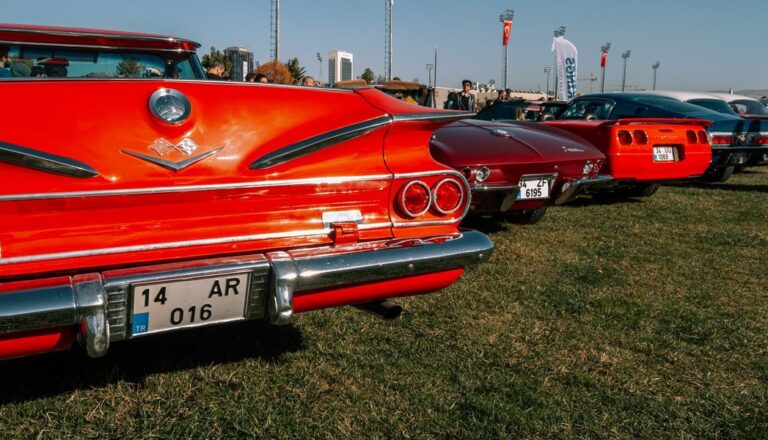
The 1952 Chevrolet Bel Air crystallized the postwar American family car with two‑tone paint, bright chrome trim, and roomy, comfortable interiors that felt modern to buyers. For 1952 Chevy refined trim and color combinations that made the Bel Air a visible status symbol without an expensive price tag.
Mechanically the Bel Air relied on robust inline‑six engines of the era and straightforward, serviceable chassis architecture. That simplicity made it the hot‑rodder’s and customizer’s favorite: owners could modify powertrains or lower suspensions while keeping original looks.
Today collectors prize early Bel Airs for their authentic two‑tone schemes and period customization; you’ll see both original restorations and heavily modified examples at regional shows, and these cars remain an accessible entry point into 1950s Americana.
3. Cadillac Series 62 (1952)
Cadillac’s Series 62 represented 1952 luxury styling with sweeping fenders, abundant chrome and upscale trim that signaled executive status. Under the hood buyers got Cadillac’s big V8 — the 331‑cubic‑inch engine — and buyers paid a premium compared with mainstream brands.
Cadillac’s ornamentation and available bespoke touches made the Series 62 a frequent choice when coachwork or special fittings were desired for formal use. Its presence in parades, executive fleets and formal livery reinforced the brand’s cachet.
Collectors value Series 62s for authentic trim packages and intact interiors; several unrestored survivors and restored show examples now sit in transportation museums and auction catalogues, where correct chrome and trim can command strong prices.
Performance & Engineering

Many of the best cars of 1952 pushed engine, chassis and aerodynamic ideas that later became mainstream — from low‑slung step‑down bodies to advanced inline sixes — and several race programs that year helped fast‑track innovation into production models.
4. Hudson Hornet (1952)
The Hudson Hornet dominated early‑1950s stock‑car racing thanks to its clever “step‑down” chassis that lowered the center of gravity and improved handling. In 1952 the Hornet’s big straight‑six (around 308 cubic inches in competition tune) with twin “H‑Power” carburetion delivered strong torque and real track speed.
Drivers such as Herb Thomas and Marshall Teague scored major NASCAR victories in Hornets, and the model’s on‑track résumé translated into showroom cachet. Its performance legacy made Hudson a household name among racing fans.
Today restored Hornets are frequent entrants in vintage racing and historic displays; their combination of period performance hardware and distinctive packaging keeps them in demand with collectors who like to both show and run their cars.
5. Mercedes‑Benz 300 (W186, 1952)
As Mercedes’ early‑1950s flagship the 300 (W186) showcased engineering refinement: a 3.0‑litre inline‑six and a chassis built for comfort and long‑distance reliability. Produced from 1951 to 1957, the model acted as a state and executive transport as much as a luxury sedan.
The 300’s solid construction, precise engineering and luxurious appointments made it a favorite of statesmen and diplomats — Chancellor Konrad Adenauer famously used a 300‑series car — and many examples survive in museum collections.
Collectors prize the 300 for its durability and provenance; mechanically refined restorations often see use as period‑correct parade cars or in vintage long‑distance rallies where reliability matters as much as looks.
6. Porsche 356 (1952)
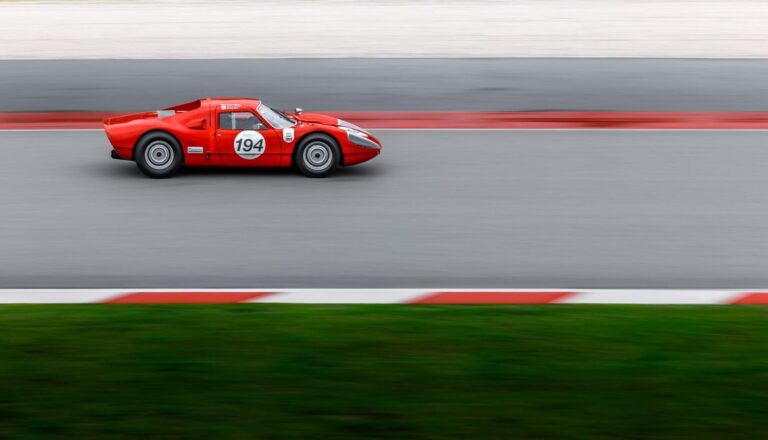
Porsche’s 356 emphasized light weight and handling over outright power: an air‑cooled flat‑four, taut tubular frame and compact body made the car exceptionally nimble for 1952. That engineering focus laid the foundation for Porsche’s sporting identity.
The 356 scored class wins in period road races and proved a potent competitor in club racing and hillclimbs. Its balance and responsiveness made it both a driver’s favorite and a validation of Porsche’s engineering philosophy.
Today 356s are staples of historic racing and concours events; their mechanical simplicity, strong parts support and reputation for excellent handling ensure steady collector demand.
Luxury & Handcraft
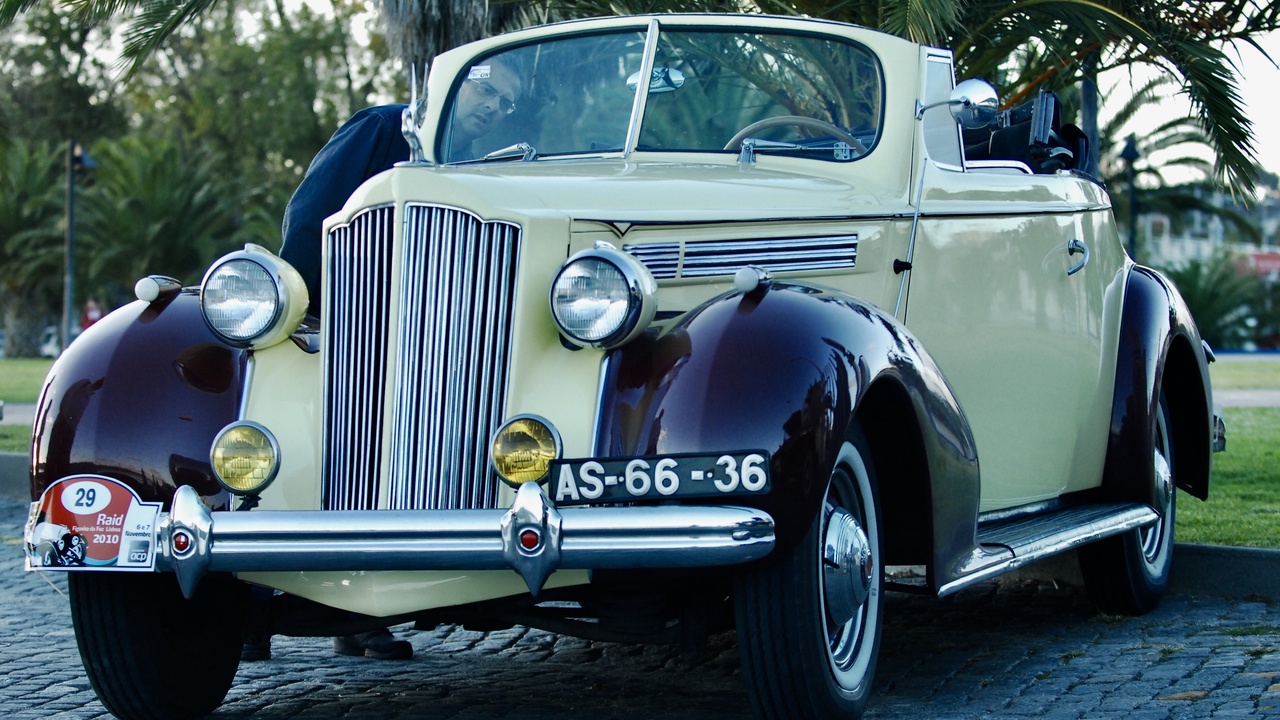
In 1952 luxury motoring still celebrated artisan coachwork and hand‑fitted interiors: buyers wanted performance married to fine materials, bespoke paint and unique coachbuilt bodies from firms such as Pinin Farina and Touring.
7. Ferrari 212 Inter (1952)
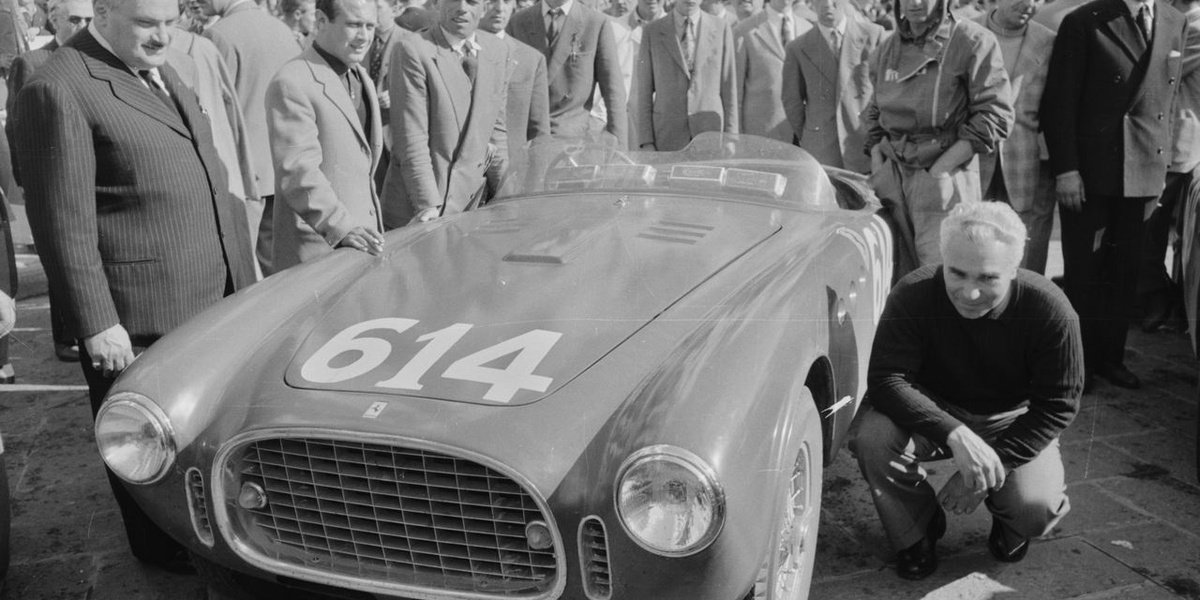
The Ferrari 212 Inter served as Ferrari’s exclusive grand tourer in the early 1950s, typically clothed in bespoke coachwork by Touring, Pinin Farina or other carrozzerie. It shared Ferrari’s V12 lineage and was built in very limited numbers for discerning buyers.
These cars were used for long‑distance touring and showcased at European salons, where coachbuilt bodies and luxurious interiors set them apart from mass‑market competitors. Each example could be highly individualized.
212 Inters command strong sums at auction — often six‑ to seven‑figure ranges — and examples appear in major museums and private collections, prized for their coachbuilt provenance and Ferrari V12 pedigree.
8. Lancia Aurelia B20 (1952)
The Aurelia B20 combined advanced engineering with refined coachwork: Lancia’s early production V6 (one of the first in series production) powered a beautifully proportioned coupe built between about 1950 and 1953. The B20 blended sporting handling with comfortable appointments.
Coachbuilt variants and touring‑spec interiors made the B20 appealing to buyers who wanted both performance and luxury. Its engineering — compact V6, well‑balanced chassis — set it apart from heavier rivals.
Collectors value B20s for their rarity, elegant coachwork and driving character; restored examples frequently surface at concours events and specialist auctions, where original trim and coachbuilder provenance boost prices.
Cultural Impact & Rarity
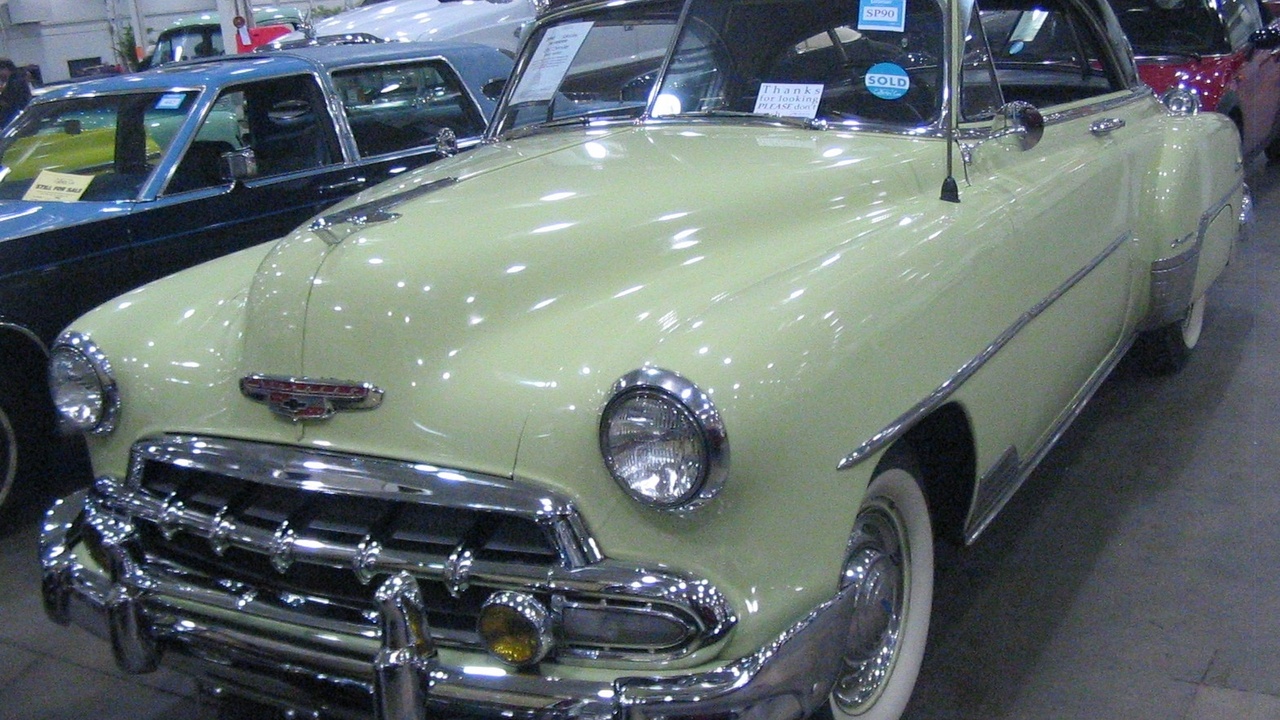
Certain 1952 models earned cultural cachet — they appeared in films, carried celebrities, or were produced in such small numbers that surviving examples became prized rarities with compelling provenance.
9. Nash‑Healey (1952)
The Nash‑Healey is notable for its transatlantic collaboration: Nash supplied bodies and powertrain direction while Donald Healey provided sports‑car engineering and British coachbuilders finished many cars. Production was limited, making the Nash‑Healey a genuine rarity by 1952 standards.
These cars occupied a niche between American comfort and British handling, and coachbuilt examples (often with bespoke fittings) turned up at European salons and American concours. That unique origin story attracts collectors who prize provenance.
Notable restored Nash‑Healeys appear at Concours d’Elegance and specialist auctions; their scarcity and interesting backstories keep them sought after by museums and private collections alike.
10. Buick Roadmaster (1952)
The Buick Roadmaster illustrated big‑American cruising in 1952: large bodies, luxurious trim and substantial engines made it an appealing choice for buyers wanting mass‑market luxury. Surviving examples are admired for authentic trim, original accessories and scale.
Major features included roomy interiors with factory power options (seats, windows, steering) and large‑displacement powerplants typical of the era’s flagship models. Roadmasters served as family transports that projected success.
Collectors today restore Roadmasters to factory specifications — original upholstery, chrome packages and period power accessories — and you’ll see them at classic‑car cruises and regional shows, often insured as valuable survivor vehicles.
Summary
- 1952 blended bold styling cues (chrome, two‑tone paint) with tangible engineering advances that still influence restoration priorities.
- Models such as the Jaguar XK120, Hudson Hornet and Porsche 356 demonstrated how design and performance shaped brand legacies now prized by collectors.
- Luxury coachbuilt cars — the Ferrari 212 Inter and Lancia Aurelia B20 — show why provenance, coachbuilder names and low production runs drive high auction values.
- See these cars in person: visit a local concours, a transport museum, or a classic‑car show to understand scale, materials and the details that photos can’t capture.

Marco Delantero
More from Marco DelanteroHow we reviewed this article
This article was researched against manufacturer records and editorially reviewed before publishing. We accept no payment for coverage.