

In recent years SUVs and crossovers have overtaken sedans: roughly six out of ten new cars sold in the U.S. are SUVs or crossovers, a shift that reshaped dealer lots and buyer expectations.
Buyers often juggle practicality and efficiency when choosing a vehicle. Small families, outdoor enthusiasts, and commuters each prioritize different trade-offs: cargo room, ride height, fuel use, or insurance costs. That tension fuels the common suv vs sedan question at every dealership.
For many drivers, an SUV delivers distinct advantages over a sedan — from space and visibility to capability and resale — making it the better fit depending on lifestyle and priorities.
This article lists eight specific benefits of choosing an SUV over a sedan. Each point includes evidence, real-world examples, and considerations so you can match the vehicle to how you live and drive.
Practical and Space Advantages
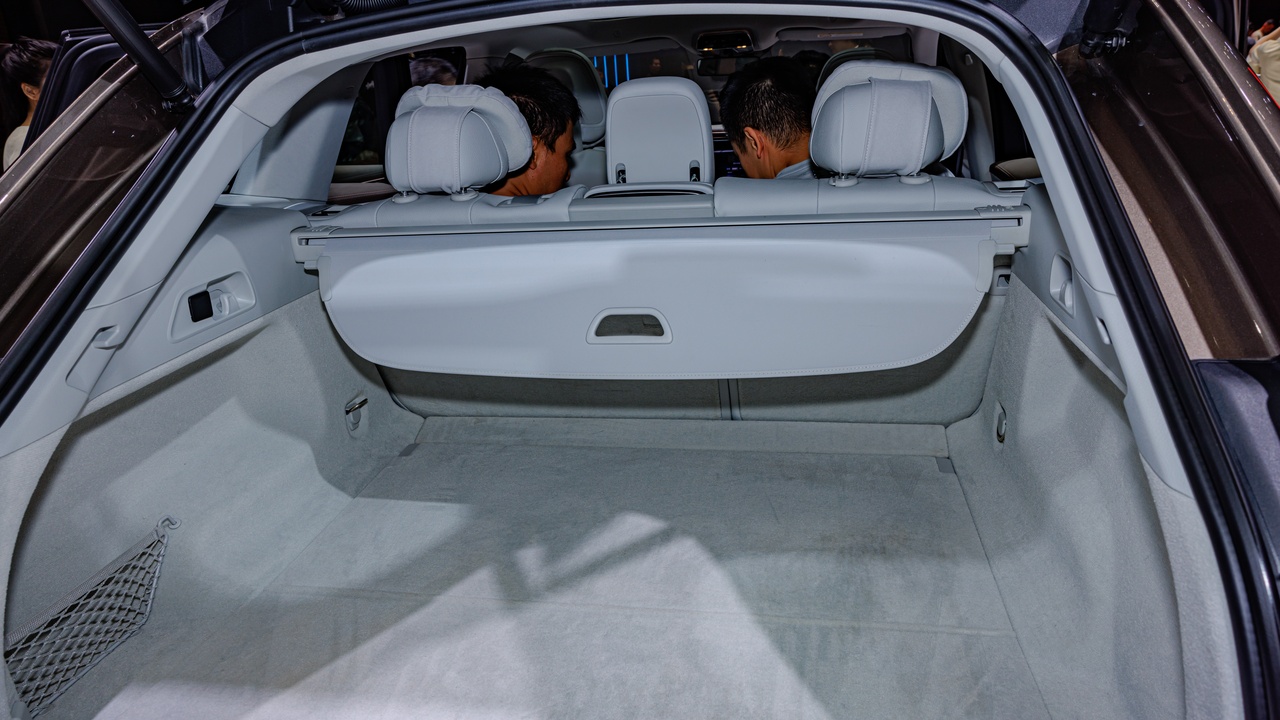
SUVs are engineered around usable space and flexibility. Taller rooflines, boxier cargo areas, and hatchback access give them measurable everyday advantages over sedans for families and active owners.
Design choices — fold-flat rear seats, higher roofs, and multiple seating layouts — create cargo volumes and passenger room that sedans rarely match. Below are specific volume and seating examples that show how those design choices translate to daily benefits.
Expect short paragraphs, concrete figures (cubic feet, seat counts), and real-model comparisons that make the difference obvious at the grocery store, on a weekend trip, or when hauling gear for a hobby.
1. Greater cargo and passenger space
SUVs generally provide more cargo and passenger space than sedans. Compact SUVs often offer roughly 30–40 cu ft of cargo behind the rear seats versus mid‑size sedan trunks of about 12–16 cu ft.
For example, the 2024 Toyota RAV4 lists about 37.6 cu ft of rear cargo space, while the 2024 Toyota Camry’s trunk is about 15.1 cu ft (manufacturer specs). That difference matters for strollers, multiple grocery bags, dog crates, or a couple of suitcases.
Passenger room also favors many SUVs: models like the Honda CR‑V typically provide more rear-leg and headroom than the Honda Accord, and hatchback access makes loading bulky items far easier than a low sedan trunk.
2. Flexible seating and utility features
Many SUVs include seating and utility features sedans lack. Fold‑flat rear seats, split‑fold configurations, sliding second rows, roof rails, and cargo organizers expand real-world usefulness.
Take the Subaru Outback’s 60/40 split rear seats for easier large-item loading, or the Ford Explorer’s optional third row that raises seating from five to seven passengers when needed. Roof rails and crossbars add carrying capacity for bikes or kayaks.
Remember trade-offs: using a third row reduces cargo volume, and some utility items add weight affecting fuel economy. Still, the modularity means a single vehicle can serve daily commutes, family hauling, and weekend adventures.
Safety and Visibility Advantages

Vehicle geometry and mass shape both how drivers see the road and how vehicles behave in crashes. SUVs’ higher seating improves sightlines, and their greater mass and engineered structures can alter crash dynamics in occupants’ favor.
Balance is key: early taller SUVs had higher rollover risk, but modern electronic stability control, improved roof strength, and advanced restraint systems have reduced those concerns (see IIHS and NHTSA testing). Below are visibility and crash‑performance details with sources where applicable.
3. Higher driving position and better visibility
SUV drivers typically sit 6–12 inches higher than sedan drivers, improving forward and lateral sightlines for detecting intersections, pedestrians, and hazards sooner.
For instance, a Subaru Forester or Honda CR‑V puts you noticeably higher than a Honda Civic, which helps when merging or scanning congested streets. Coupled with blind‑spot monitors and camera systems, the elevated view reduces surprise obstacles.
Limitations exist: taller profiles can increase blind spots if mirrors aren’t set properly, and parking garages with low clearance require attention. Using adjustable mirrors and blind‑spot assists addresses most of those issues.
4. Crash performance and available safety tech
SUV mass and modern crash structures can offer occupant-protection benefits in multi‑vehicle collisions, while stability control systems have cut rollover rates compared with older SUVs.
Advanced driver‑assist systems — adaptive cruise, lane‑keep assist, automatic emergency braking with pedestrian detection — are common on many SUVs and appear across IIHS and NHTSA top‑rated models (IIHS ratings list numerous SUVs among Top Safety Pick winners).
There are trade‑offs: greater front‑end mass can raise pedestrian impact severity, but pedestrian‑detection systems and softer bumper designs help mitigate that. Consult IIHS and NHTSA model ratings for specific vehicle performance.
Performance and Capability Advantages

SUVs frequently offer capability that sedans don’t: available AWD/4WD, higher ground clearance for rough roads, and towing capacity for boats or trailers. That makes them better for outdoor recreation, seasonal weather, and rural driving.
Below we cover traction systems, ground clearance ranges, and towing examples with concrete numbers so you can decide if those capabilities match your needs.
5. Better traction and all‑wheel‑drive options
Many SUVs either offer or come standard with AWD/4WD, improving traction in rain, snow, and light off‑road use. Brands like Subaru emphasize standard AWD across most of their lineup.
AWD helps reduce certain loss‑of‑control crashes on slippery roads but is not a substitute for winter tires. For winter commuting and family travel, AWD combined with proper tires gives a clear confidence boost.
Practical example: a Subaru Outback or Forester with standard AWD more easily negotiates snowy mountain passes than a front‑drive sedan, though stopping distances still depend on tires and speed.
6. Off-road and rough-road capability (ground clearance and towing)
Higher ground clearance and rugged suspensions let SUVs handle rough roads. Sedans typically sit around 4–5 inches off the ground, while many SUVs range 6–9 inches or more.
Compact SUVs often tow 1,500–3,500 lbs; midsize SUVs frequently tow around 4,000–5,000 lbs, and some are rated up to 7,000 lbs. For example, the Jeep Wrangler lists ground clearance near 10.8 inches depending on trim, and the Toyota Highlander has towing capacity around 5,000 lbs (manufacturer specs).
Those numbers matter for boat owners, small trailers, or homeowners who encounter gravel roads. Sedans generally lack the ride height and towing hardware for these tasks without aftermarket modifications.
Cost, Ownership and Resale Advantages

SUVs can cost more to buy and operate, but market demand and stronger resale often offset higher upfront costs for many buyers. Ownership choices depend on priorities: lower fuel bills vs greater utility and used‑market demand.
Below we summarize resale trends, fuel and insurance trade‑offs, and practical steps to manage ownership costs using current examples and industry guidance.
7. Stronger resale value and market demand
SUVs and crossovers dominate buyer interest, which supports resale values. In recent years SUVs/CUVs have accounted for roughly six in ten new vehicles sold in the U.S., a trend noted by industry analysts and valuation services.
Kelley Blue Book and Edmunds report that popular compact and midsize SUVs often depreciate more slowly than comparable sedans, improving trade‑in and resale outcomes. That helps lower total cost of ownership over several years.
When shopping, check class‑specific retention figures from Kelley Blue Book or Edmunds for the model year you’re considering to get a clearer depreciation picture (these firms publish annual retention reports).
8. Practical ownership trade-offs (fuel, insurance, and variants)
While many SUVs consume more fuel and sometimes carry higher insurance premiums, variants narrow the gap. Sedans often post combined fuel economy in the mid‑20s to high‑30s mpg, while many SUVs fall in the high teens to low‑30s mpg combined.
For example, recent Toyota Camry configurations show combined EPA ratings around 32–34 mpg, whereas a Toyota RAV4 typically rates near 30 mpg combined depending on drivetrain and trim (EPA figures/manufacturer specs).
Hybrid and smaller crossover models (including plug‑in options) can reduce fuel gaps substantially. To manage costs, compare insurance quotes, consider hybrid trims, and weigh long‑term resale advantages against upfront fuel and insurance estimates.
Summary
- SUVs deliver more cargo and flexible seating (e.g., RAV4 ~37.6 cu ft vs Camry ~15.1 cu ft).
- Higher seating improves visibility and, with modern safety tech, can enhance occupant protection (check IIHS/NHTSA ratings).
- AWD, greater ground clearance (6–9+ in), and towing capacity (1,500–7,000 lbs by class) suit outdoor and rural use.
- SUV demand supports stronger resale value; ownership trade‑offs like fuel and insurance can be mitigated with hybrids and smaller crossovers.
- Test‑drive both vehicle types, get insurance and EPA fuel estimates for the exact trims you like, and prioritize which benefits matter most for your lifestyle.
Other Comparisons

Marco Delantero
More from Marco DelanteroHow we reviewed this article
This article was researched against manufacturer records and editorially reviewed before publishing. We accept no payment for coverage. Some guides contain affiliate links; see our affiliate disclosure.