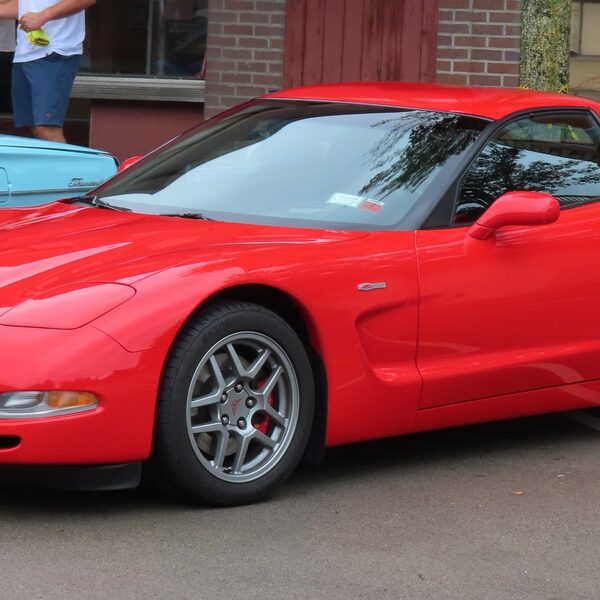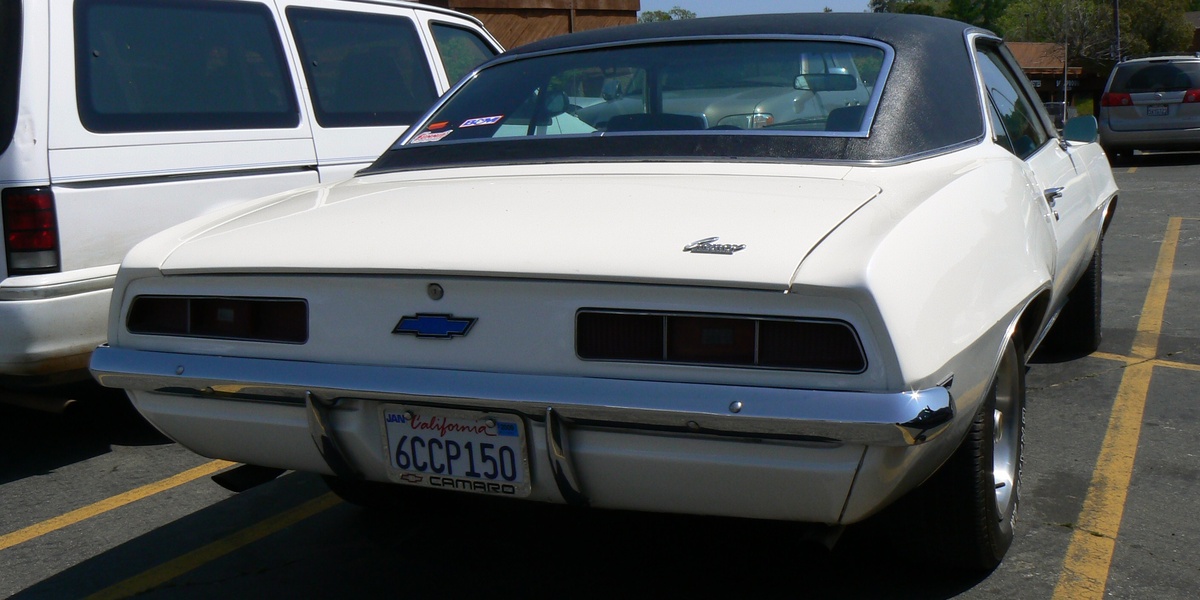
Across sun-baked highways and into small-town garages, the 1960s reshaped American car culture with straight-line speed and bold styling. These cars defined weekend drag strips and daily conversation alike, and their legacy still turns heads at meets and auctions.
There are 32 60s Muscle Cars, ranging from AMX to Wildcat. The list is organized into Years (yr),Manufacturer,Engine / Power so you can scan production spans, makers, and powertrains at a glance — you’ll find them below.
Which 1960s models are most valuable to collectors?
Values depend on rarity, originality, and engine option: low-production variants, factory high-performance engines, and well-documented cars fetch the highest prices. Look for factory-built performance packages, matching numbers, and intact provenance when assessing desirability.
How should I read the Years (yr),Manufacturer,Engine / Power columns when comparing models?
Use Years (yr) to see the model’s production span or model years, Manufacturer to confirm who built it, and Engine / Power to compare displacement, configuration and advertised output; together they make side-by-side comparisons of era performance and rarity straightforward.
60s Muscle Cars
| Model | Years (yr) | Manufacturer | Engine / Power |
|---|---|---|---|
| AMX | 1968–1969 | AMC | 5.6L (343 ci) to 6.4L (390 ci) V8, 280–315 hp |
| Barracuda | 1964–1969 | Plymouth | 4.5L (273 ci) to 7.2L (440 ci) V8, 180–375 hp |
| Biscayne/Bel Air 409/427 | 1961–1969 | Chevrolet | 6.7L (409 ci) or 7.0L (427 ci) V8, 360–425 hp |
| Camaro SS/Z28 | 1967–1969 | Chevrolet | 5.7L (350 ci) to 7.0L (427 ci) V8, 295–430 hp |
| Catalina 2+2 | 1964–1967 | Pontiac | 6.4L (389 ci) to 7.0L (426 ci) V8, 267–376 hp |
| Charger | 1966–1969 | Dodge | 5.2L (318 ci) to 7.0L (426 ci) Hemi V8, 230–425 hp |
| Charger Daytona | 1969 | Dodge | 7.2L (440 ci) or 7.0L (426 ci) Hemi V8, 375–425 hp |
| Chevelle SS | 1964–1969 | Chevrolet | 5.4L (327 ci) to 7.0L (427 ci) V8, 300–425 hp |
| Comet Cyclone | 1964–1969 | Mercury | 4.7L (289 ci) to 7.0L (428 ci) V8, 210–335 hp |
| Coronet R/T | 1967–1969 | Dodge | 7.2L (440 ci) or 7.0L (426 ci) Hemi V8, 375–425 hp |
| Cougar | 1967–1969 | Mercury | 4.7L (289 ci) to 7.0L (428 ci) V8, 200–335 hp |
| Cutlass 4-4-2 | 1964–1969 | Oldsmobile | 5.4L (330 ci) to 6.6L (400 ci) V8, 310–360 hp |
| Dart GTS / Swinger 340 | 1968–1969 | Dodge | 5.6L (340 ci) or 6.3L (383 ci) V8, 275–300 hp |
| Fairlane GT / Cobra | 1966–1969 | Ford | 6.4L (390 ci) to 7.0L (428 ci) V8, 320–335 hp |
| Falcon Sprint | 1963–1965 | Ford | 4.3L (260 ci) or 4.7L (289 ci) V8, 164–200 hp |
| Firebird | 1967–1969 | Pontiac | 5.7L (350 ci) to 6.6L (400 ci) V8, 265–345 hp |
| GTO | 1964–1969 | Pontiac | 6.4L (389 ci) or 6.6L (400 ci) V8, 325–370 hp |
| Galaxie 406/427 | 1962–1967 | Ford | 6.6L (406 ci) or 7.0L (427 ci) V8, 385–425 hp |
| GS 400 | 1965–1969 | Buick | 6.6L (400 ci) V8, 325–360 hp |
| GTX | 1967–1969 | Plymouth | 7.2L (440 ci) or 7.0L (426 ci) Hemi V8, 375–425 hp |
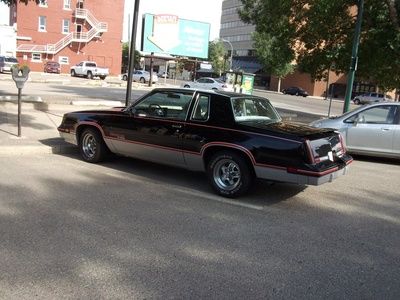
| Hurst/Olds | 1968–1969 | Oldsmobile | 7.5L (455 ci) V8, 380–390 hp |
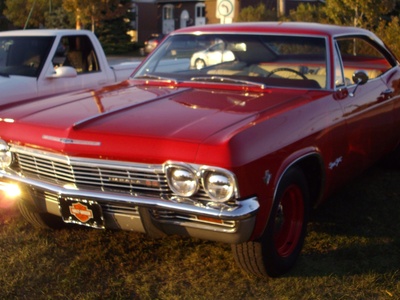
| Impala SS | 1961–1969 | Chevrolet | 5.7L (348 ci) to 7.0L (427 ci) V8, 305–425 hp |
| Javelin | 1968–1969 | AMC | 5.6L (343 ci) to 6.4L (390 ci) V8, 280–315 hp |
| Marauder X-100 | 1969 | Mercury | 7.0L (429 ci) V8, 360 hp |
| Mustang GT/Mach 1 | 1964–1969 | Ford | 4.7L (289 ci) to 7.0L (428 ci) V8, 210–335 hp |
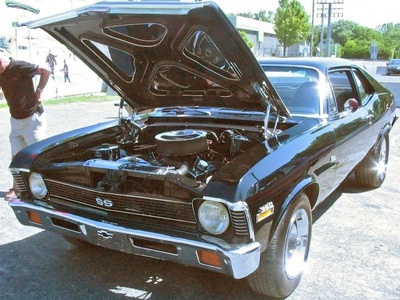
| Nova SS | 1963–1969 | Chevrolet | 4.6L (283 ci) to 6.5L (396 ci) V8, 195–375 hp |
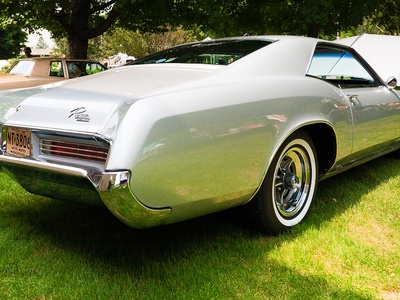
| Riviera GS | 1965–1969 | Buick | 7.0L (425 ci) or 7.0L (430 ci) V8, 360–370 hp |
| Road Runner | 1968–1969 | Plymouth | 6.3L (383 ci) to 7.0L (426 ci) Hemi V8, 335–425 hp |
| SC/Rambler | 1969 | AMC | 6.4L (390 ci) V8, 315 hp |
| Shelby GT350/GT500 | 1965–1969 | Shelby American | 4.7L (289 ci) to 7.0L (428 ci) V8, 306–335 hp |
| Super Bee | 1968–1969 | Dodge | 6.3L (383 ci) or 7.0L (426 ci) Hemi V8, 335–425 hp |
| Wildcat | 1962–1969 | Buick | 6.6L (401 ci) to 7.0L (430 ci) V8, 325–360 hp |
Images and Descriptions
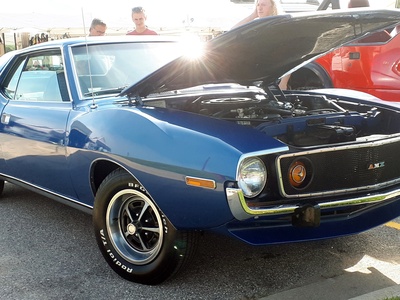
AMX
A unique two-seat muscle car based on the Javelin platform. The AMX offered potent V8 performance in a short-wheelbase package, creating a highly sought-after collectible that blurred the line between pony car and sports car.
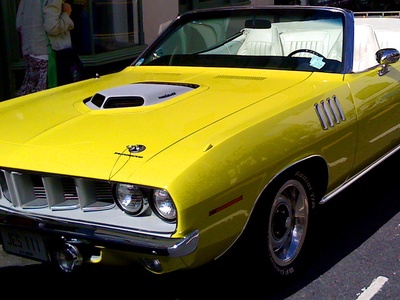
Barracuda
Plymouth’s entry into the pony car market, the Barracuda evolved from a sporty compact into a serious muscle contender. Later models offered big-block power, including the potent ‘Cuda performance packages, making them Mopar icons.

Biscayne/Bel Air 409/427
These were full-size, no-frills Chevrolet sedans ordered with the biggest engines available. Popular with drag racers for their lighter weight compared to the Impala, they were true factory-built “sleepers” designed for pure speed.

Camaro SS/Z28
Chevrolet’s answer to the Mustang, the Camaro was an instant hit. High-performance SS, Z/28, and rare COPO models offered a wide range of powerful V8s, establishing the car as a performance legend on the street and track.
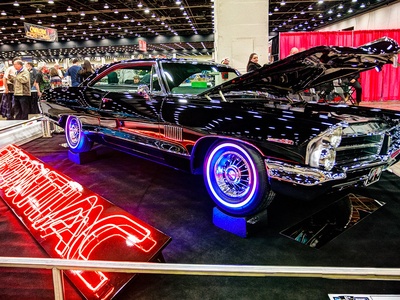
Catalina 2+2
Pontiac’s full-size performance machine, the 2+2 package offered big-car style with serious muscle. It featured heavy-duty suspension and powerful V8 engines, making it a more luxurious and potent alternative to the GTO.
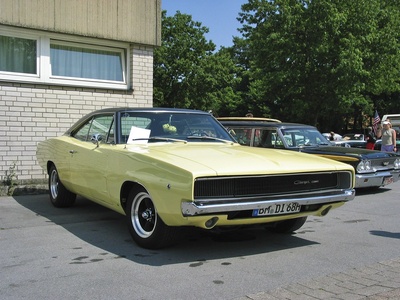
Charger
Famous for its “Coke bottle” styling and cinematic fame, the Charger was a top-tier Mopar muscle car. The R/T package offered massive big-block power, including the legendary 426 Hemi, making it a king of the streets.

Charger Daytona
A limited-production “aero warrior” built for NASCAR dominance. The Daytona’s massive rear wing and pointed nose cone made it one of the most outrageous and collectible muscle cars ever produced, capable of hitting nearly 200 mph.
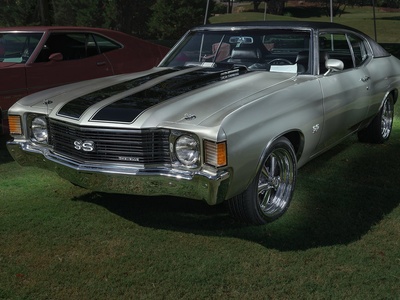
Chevelle SS
The quintessential American muscle car, the Chevelle Super Sport combined handsome mid-size styling with formidable big-block power. It remains one of the most popular and iconic vehicles of the era for collectors and enthusiasts alike.
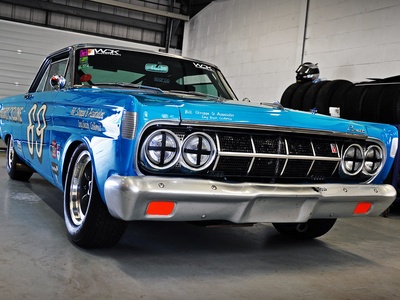
Comet Cyclone
Mercury’s version of the Ford Fairlane, the Cyclone was a stylish mid-size muscle car. In its top forms, it packed the potent 427 or 428 Cobra Jet engines, making it a serious stoplight competitor with a touch of Mercury’s signature style.
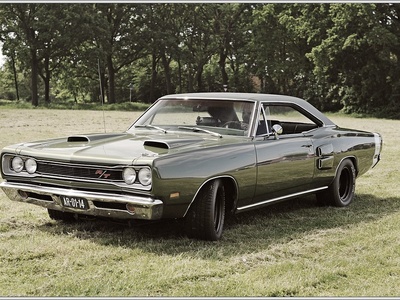
Coronet R/T
The Coronet R/T was Dodge’s upscale mid-size muscle car, offering serious performance with more creature comforts than the Super Bee. Standard with the 440 Magnum, the optional Hemi made it one of the most powerful cars on the road.

Cougar
Marketed as a more luxurious version of the Mustang, the Cougar offered a blend of pony car performance and personal luxury. High-performance models like the XR-7 and Eliminator provided serious V8 power in a sophisticated package.
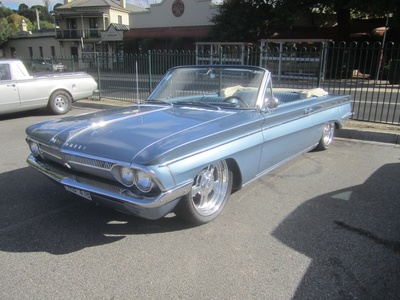
Cutlass 4-4-2
Oldsmobile’s well-engineered entry into the muscle car wars. The 4-4-2 (4-barrel carb, 4-speed manual, dual exhaust) was known for its balanced handling and strong-running “Rocket” V8 engines, making it a “gentleman’s” muscle car.
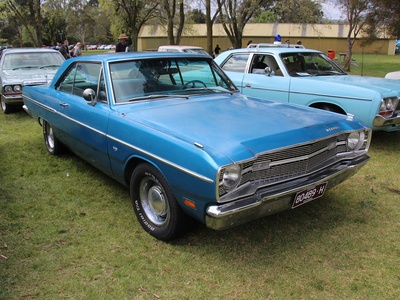
Dart GTS / Swinger 340
The compact Dodge Dart proved that big power could come in a small package. The GTS and Swinger 340 models were lightweight giant-killers, offering an impressive power-to-weight ratio that could challenge larger, more expensive muscle cars.

Fairlane GT / Cobra
Ford’s stylish mid-size muscle car, evolving from the Fairlane GT into the Torino-based Cobra. It was a potent street machine, especially when equipped with the legendary 428 Cobra Jet engine, a factory-built drag racing terror.
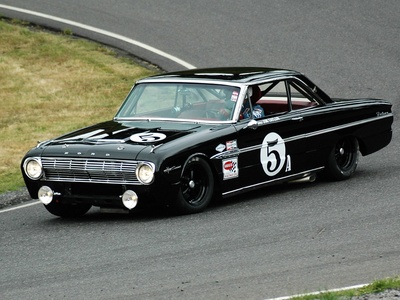
Falcon Sprint
A precursor to the Mustang, the Falcon Sprint was a compact, lightweight car offered with a V8 engine. It provided a great balance of economy and performance and laid the groundwork for the pony car revolution that would soon follow.
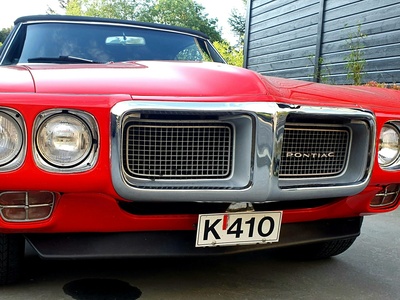
Firebird
Sharing its platform with the Camaro, the Pontiac Firebird offered its own unique style and performance focus. With its potent 400 Ram Air engines, the Firebird established itself as a sophisticated and powerful player in the pony car market.
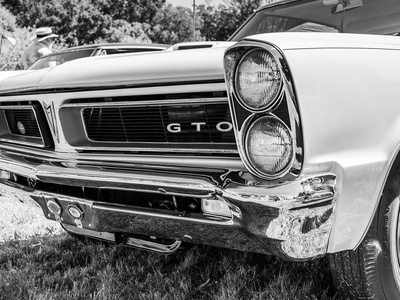
GTO
Often credited as the car that started the muscle car craze, the GTO combined a mid-size Tempest body with a powerful V8. This formula created a legendary and highly collectible performance icon that defined a generation.

Galaxie 406/427
Ford’s full-size contender on the drag strip and NASCAR ovals. The Galaxie could be optioned with the monstrous 427 “side-oiler” V8, a race-bred engine that made this big sedan a surprising and formidable performance car.
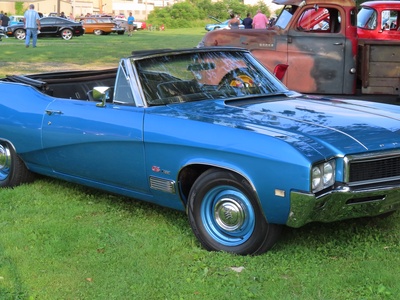
GS 400
Buick’s “gentleman’s hot rod,” the Gran Sport blended performance with luxury. Its powerful 400-cubic-inch V8 produced immense torque, making the GS one of the quickest and most comfortable muscle cars of its time.
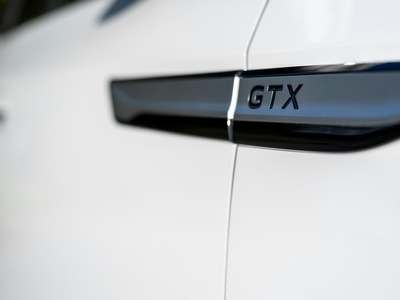
GTX
Positioned as the premium Plymouth muscle car, the GTX combined upscale trim with standard big-block power. It came with the 440 “Super Commando” V8, with the fearsome 426 Hemi as the ultimate option for discerning buyers.
Hurst/Olds
A special collaboration between Oldsmobile and Hurst Performance. This limited-edition car famously skirted GM’s engine size limits by installing a massive 455 V8 in a mid-size body, creating an instant drag strip legend.
Impala SS
One of the first true muscle cars, the Impala Super Sport brought V8 performance to the full-size family car. Its combination of style, comfort, and legendary engines like the 409 and 427 made it an early and enduring icon.
Javelin
AMC’s stylish entry into the pony car wars. The Javelin offered competitive V8 performance and a roomy interior, providing a unique and capable alternative to the Mustang and Camaro that is highly prized by collectors today.

Marauder X-100
A full-size performance car with a unique fastback “tunnel roof” design. The Marauder X-100 was Mercury’s answer to the other full-size muscle cars, offering luxury, distinctive styling, and the powerful 429 V8 engine.

Mustang GT/Mach 1
The car that created the “pony car” segment. The Mustang offered sporty styling and V8 performance in a compact, affordable package. Its incredible popularity made it a cultural phenomenon and a top-tier collectible.
Nova SS
A classic “sleeper,” the Nova SS was a lightweight compact car that could be optioned with powerful V8s, including the 396 big-block. This gave it a phenomenal power-to-weight ratio, making it a legend on the street and drag strip.
Riviera GS
A personal luxury coupe with a muscle car heart. The Riviera Gran Sport package included Buick’s massive “Nailhead” or 430 V8s and performance upgrades, combining sophisticated styling with effortless big-block power.
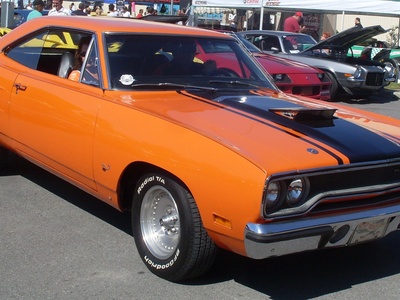
Road Runner
Built as a no-frills, budget-friendly muscle car, the Road Runner focused on pure performance. With its standard 383 engine and optional 426 Hemi, plus its iconic “beep-beep” horn, it became an instant hit and a Mopar legend.
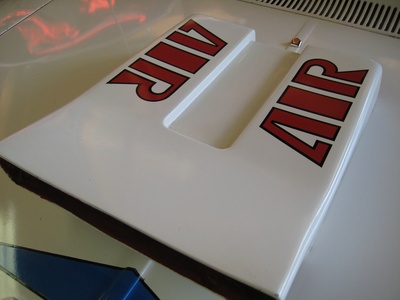
SC/Rambler
A wild, limited-edition compact muscle car with a patriotic paint scheme. The SC/Rambler was a factory-built drag racer for the street, combining AMC’s most powerful V8 with a lightweight body to create an unforgettable performer.

Shelby GT350/GT500
Carroll Shelby’s high-performance Mustangs. These cars were race-bred machines for the street, featuring more power, better handling, and aggressive styling. They are among the most valuable and sought-after muscle cars in the world.
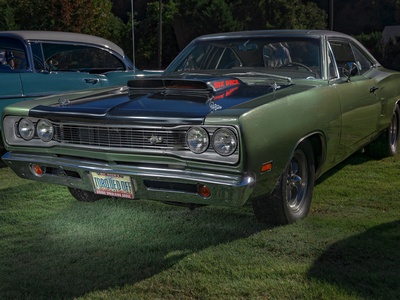
Super Bee
Dodge’s version of the Plymouth Road Runner, the Super Bee was a budget-friendly mid-size muscle car with a focus on fun and performance. It featured cartoon graphics and potent big-block engine options, including the incredible Hemi.
Wildcat
Buick’s full-size performance model, slotting below the luxurious Riviera. The Wildcat offered sporty trim and powerful V8 engines in a larger package, blending Buick’s signature comfort with surprising straight-line speed.