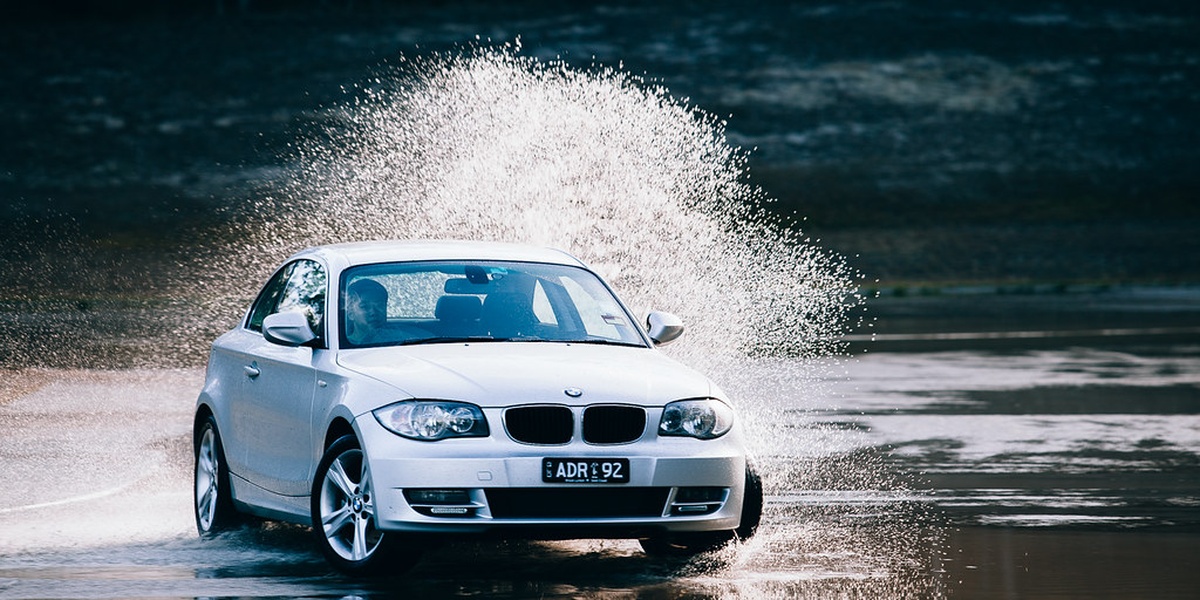
BMW’s lineup changed a lot through the decade as electrification, SUVs and shifting buyer tastes reshaped what the brand offers. If you follow models, trims and powertrain trends, the 2020s are a good example of how BMW balanced traditional sedans and new electric entries.
There are 31 2020s BMW Models, ranging from the 1 Series to the iX3. For each entry the data is organized with Years (model years),Body style,Powertrain so you can compare when a model ran, what type of body it is and which drivetrains were offered — you’ll find below.
Which 2020s BMW models added electrified powertrains?
Many models received electrified variants: fully electric examples include the iX3, i4 and iX, while popular plug-in hybrids appeared across the lineup (for example, 330e and X5 xDrive45e). The list highlights which years and body styles received BEV or PHEV options so you can spot adoption patterns.
How should I use the table to compare models quickly?
Scan the Years (model years) column to see production spans, use Body style to filter coupes, SUVs or sedans, and check Powertrain to identify gasoline, diesel, hybrid or electric versions — that combination makes side-by-side comparisons fast and practical.
2020s Bmw Models
| Model | Years (model years) | Body style | Powertrain |
|---|---|---|---|
| 1 Series | 2020–present | Hatchback (5‑door) | ICE, mild-hybrid |
| 2 Series | 2020–present | Coupe, convertible, Gran Coupe (4-door) | ICE, mild-hybrid, PHEV (where available) |
| 2 Series Active Tourer | 2020–present | Compact MPV (5‑door) | ICE, PHEV |
| 3 Series | 2020–present | Sedan, Touring wagon (where offered) | ICE, mild-hybrid, PHEV |
| 4 Series | 2020–present | Coupe, Convertible, Gran Coupe | ICE, mild-hybrid, PHEV (select markets) |
| 5 Series | 2020–present | Sedan, Touring wagon | ICE, mild-hybrid, PHEV |
| 6 Series Gran Turismo | 2020–2021 | Liftback / fastback (Gran Turismo) | ICE, mild-hybrid |
| 7 Series | 2020–present | Luxury sedan (standard and long wheelbase) | ICE, mild-hybrid, PHEV |
| 8 Series | 2020–present | Coupe, Convertible, Gran Coupe | ICE, mild-hybrid |
| Z4 | 2020–present | Two-seat roadster | ICE |
| X1 | 2020–present | Subcompact / compact SUV | ICE, PHEV (select markets) |
| X2 | 2020–present | Subcompact coupe‑style SUV | ICE, mild-hybrid, PHEV (select markets) |
| X3 | 2020–present | Compact SUV | ICE, mild-hybrid, PHEV |
| X4 | 2020–present | Compact coupe‑SUV | ICE, mild-hybrid, PHEV (select markets) |
| X5 | 2020–present | Mid‑size SUV | ICE, mild-hybrid, PHEV |
| X6 | 2020–present | Mid‑size coupe‑SUV | ICE, mild-hybrid, PHEV (select markets) |
| X7 | 2020–present | Full‑size SUV (three‑row) | ICE, mild-hybrid, PHEV (select markets) |
| XM | 2022–present | Performance midsize SUV (coupe proportions) | PHEV (high‑performance) |
| M2 | 2020–present | Coupe (high‑performance) | ICE |
| M3 | 2020–present | Sedan (performance) | ICE, mild-hybrid (engine assist) |
| M4 | 2020–present | Coupe, Convertible (performance) | ICE, mild-hybrid (engine assist) |
| M5 | 2020–present | Sedan (performance) | ICE, mild-hybrid |
| M8 | 2020–present | Coupe, Convertible, Gran Coupe (high‑end) | ICE, mild-hybrid |
| i3 | 2020–2022 | Compact electric hatchback | BEV |
| i4 | 2021–present | Four‑door sedan / Gran Coupe style | BEV |
| iX3 | 2021–present | Compact electric SUV (X3 based) | BEV |
| iX | 2022–present | Midsize electric SUV | BEV |
| i7 | 2023–present | Full‑size electric luxury sedan | BEV |
| iX1 | 2022–present | Subcompact electric SUV | BEV |
| i5 | 2023–present | Executive electric sedan (5 Series based) | BEV |
| i8 | 2020–2020 | Coupe, Convertible (sports car) | PHEV |
Images and Descriptions
1 Series
Compact hatchback popular in Europe; during the 2020s it offered practical five‑door layout, efficient turbo engines and mild-hybrid tech. Notable for emphasizing economy, city agility and BMW driving dynamics in markets where hatchbacks remain mainstream.
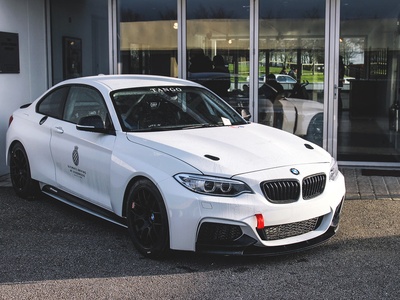
2 Series
Subcompact sporty model range including coupe, convertible and four-door Gran Coupe; in the 2020s it balanced sporty styling with efficient turbo engines, mild-hybrid assistance and PHEV variants in some markets, broadening appeal for younger buyers.
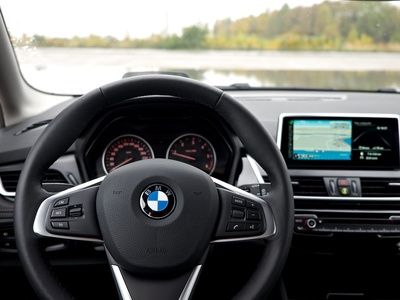
2 Series Active Tourer
Practical compact MPV aimed at families, sold mainly in Europe and some markets; during the 2020s it offered roomy interior, sliding rear seats and efficient turbo engines plus plug‑in hybrid option, prioritizing versatility over sportiness.
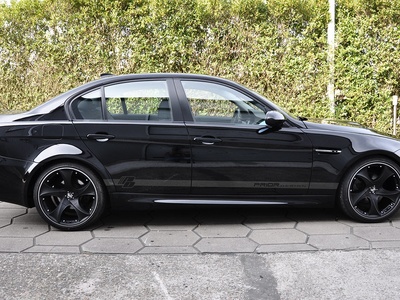
3 Series
BMW’s compact executive sedan remained a best‑seller in the 2020s, updated with sharper styling, improved interiors and electrified powertrains. Available as a sedan and Touring wagon in many markets, it combined driving engagement with cleaner turbo and PHEV options.
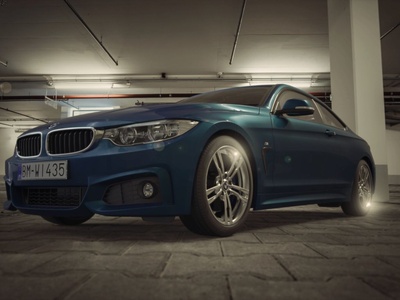
4 Series
Sportier sibling to the 3 Series, the 4 Series offered coupe and convertible body styles plus a four‑door Gran Coupe in the 2020s. It emphasized sharper design, stronger engines, mild‑hybrid support and offered high‑performance M variants.
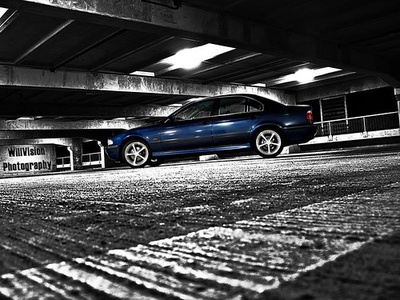
5 Series
Mid‑size executive sedan and Touring wagon that received technology and efficiency upgrades in the 2020s. Offered across markets with turbocharged engines, mild‑hybrid systems and plug‑in hybrid choices, it balanced comfort, tech and traditional BMW driving feel.
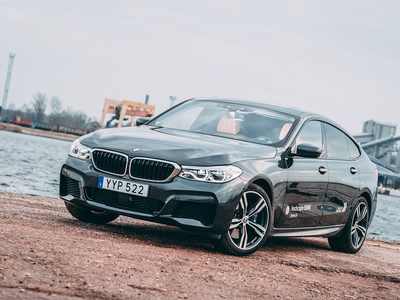
6 Series Gran Turismo
The 6 Series Gran Turismo was a roomy liftback offering a taller, hatchback‑like alternative to sedans. During the early 2020s it provided spacious cabin and long‑legroom, sold in limited markets before BMW phased it out in favor of SUVs and other models.
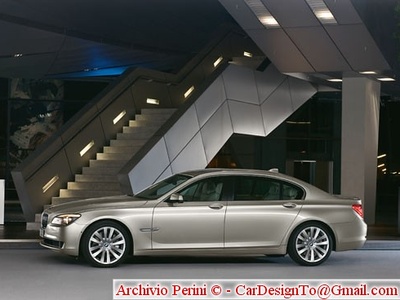
7 Series
BMW’s flagship luxury sedan updated in the 2020s with more tech, luxury and diesel/gasoline mild‑hybrids across markets. It emphasized cabin refinement and driver assistance while the fully electric i7 emerged as the EV counterpart later in the decade.

8 Series
Luxury grand tourer combining striking design with powerful turbo engines during the 2020s. Offered as coupe, convertible and four‑door Gran Coupe variants, it showcased BMW’s top performance and luxury, including high‑performance M8 models and bespoke customization.
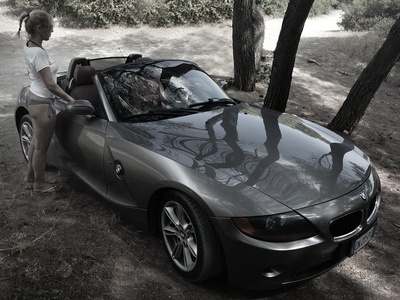
Z4
Two‑seat roadster revived in previous generation and sold through the 2020s, pairing BMW engines with classic rear‑wheel‑drive dynamics. Notable for affordable open‑top fun, collaboration with Toyota on the platform, and strong inline‑six and four‑cylinder options.
X1
Entry‑level BMW crossover sold globally, refreshed in the 2020s with more interior tech and efficient engines. Available as a compact SUV with optional plug‑in hybrid variants in Europe, it offered practicality and premium feel for urban buyers.
X2
Coupe‑styled compact crossover aimed at buyers wanting sportier design over practicality. Through the 2020s it kept sharp styling, sporty handling and a mix of turbo petrol/diesel engines plus electrified options in some markets.
X3
Popular compact luxury SUV that expanded electrified choices in the 2020s. It offered spacious cabin, strong on‑road manners, a plug‑in hybrid variant and performance M models, remaining a core seller for BMW globally.
X4
Coupe‑roof version of the X3 emphasizing sporty looks over cargo space. During the 2020s it offered engines similar to the X3, performance M derivatives and electrified PHEV options in some markets for buyers seeking style and utility.
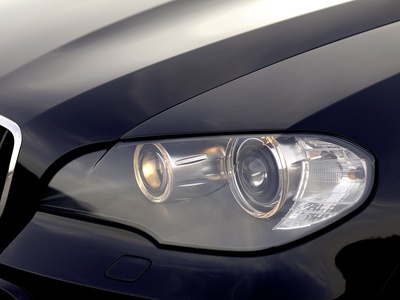
X5
Mid‑size luxury SUV that blended family practicality with towing capability and luxury features in the 2020s. Available with robust petrol and diesel engines, mild‑hybrid tech and a popular plug‑in hybrid for lower‑emission driving.
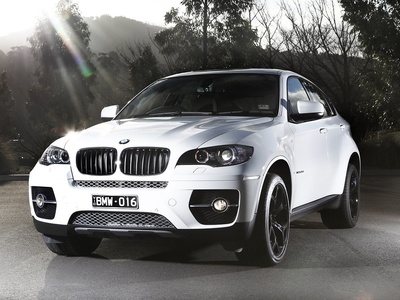
X6
Sporty coupe‑SUV sibling to the X5, offering dramatic styling and strong performance. In the 2020s it featured powerful engines, M models and available electrified options, appealing to buyers prioritizing presence and performance over cargo practicality.
X7
BMW’s largest SUV, popular for three‑row luxury seating through the 2020s. It emphasized high‑end materials, technology and powerful engines, attracting buyers needing space and prestige with optional electrified drivetrains in some markets.
XM
BMW’s halo performance SUV introduced as the XM in 2022, merging M performance with a large plug‑in hybrid V8 setup. It stood out for extreme power, bespoke styling and signaled BMW’s performance direction in electrified form.
M2
Compact high‑performance coupe in the M lineup, sold through the 2020s with a focus on driving purity. The M2 revived enthusiast appeal with potent turbo engines, manual/automatic choices and track‑focused tuning in a small package.
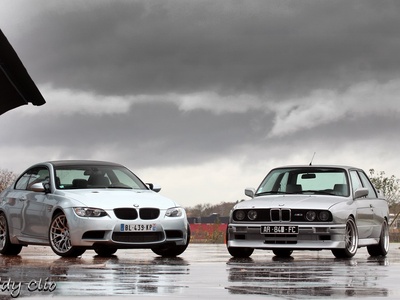
M3
Iconic performance sedan updated in the 2020s with bold styling and powerful turbocharged engines. It continued to offer driver‑focused dynamics and high performance, including Competition and track‑oriented variants that emphasized driving engagement.
M4
Coupe (and convertible) performance counterpart to the 3 Series, the M4 in the 2020s delivered high horsepower, sharper chassis tuning and aggressive styling. It remained a benchmark for compact BMW performance with modern electronics and strong acceleration.
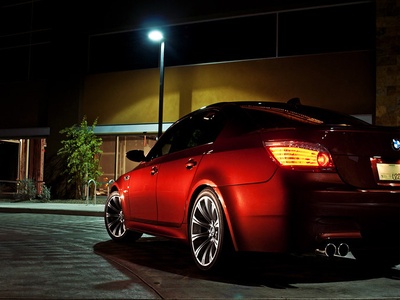
M5
High‑performance executive sedan blending luxury and track capability in the 2020s. Powered by potent V8 engines with mild‑hybrid assistance, the M5 offered blistering performance while retaining everyday usability and advanced driver aids.
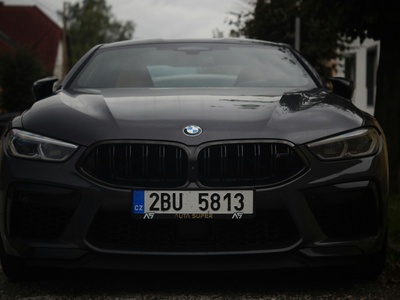
M8
Top‑tier M grand tourer range combining opulence and high performance across coupe, convertible and four‑door Gran Coupe bodies. In the 2020s M8 models packed powerful engines, refined cabins and bespoke M tech for grand touring and track days.
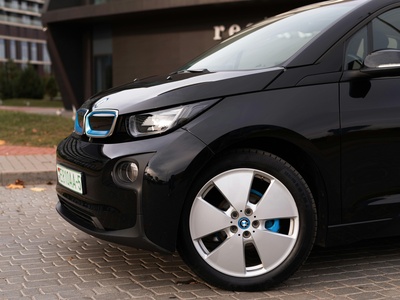
i3
Early BMW electric hatchback still sold in the early 2020s, the i3 was notable for its unique design and carbon‑fiber passenger cell. It offered urban electric driving, limited range by modern standards and helped BMW learn from EV production.
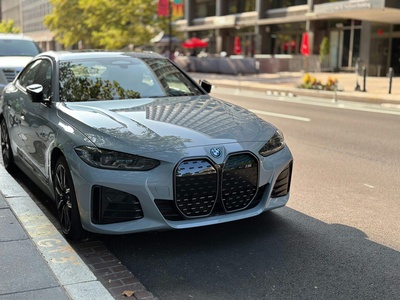
i4
First all‑electric sedan to carry mainstream BMW badging in the 2020s, the i4 combined conventional four‑door proportions with a fully electric drivetrain. It offered competitive range, strong performance and aimed to be a mainstream EV alternative to 3 Series buyers.
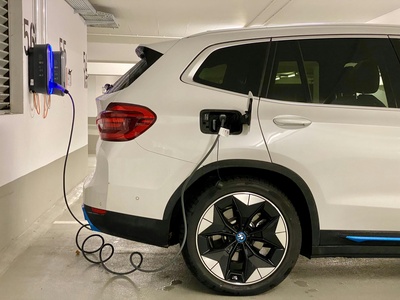
iX3
Battery‑electric version of the X3 sold mainly outside the U.S. in the early 2020s. The iX3 provided a familiar SUV package with electric range and BMW driving characteristics, serving as an early bridge between traditional SUVs and BMW’s electric future.
iX
Flagship electric SUV launched in the early 2020s showcasing BMW’s new EV tech and bold design. The iX prioritized range, high‑power electric drive and advanced interior tech, representing BMW’s move into premium electric mobility.
i7
Electric version of the 7 Series introduced mid‑decade to compete with luxury EVs; the i7 combined flagship comfort with zero‑emission propulsion, long range and advanced tech, marking BMW’s electrified take on full‑size luxury sedans.
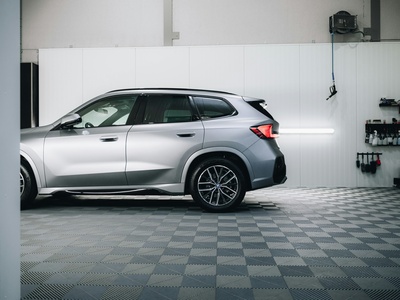
iX1
Electric variant of the X1 launched in the 2020s to offer a compact BEV crossover with BMW styling and tech. The iX1 broadened BMW’s electric lineup with a practical, urban‑friendly SUV option in Europe and other markets.
i5
Electric sibling to the 5 Series introduced in the 2020s, the i5 combined executive sedan proportions with electric performance, range and tech. It aimed to convert traditional 5 Series buyers to a fully electric alternative without sacrificing practicality.
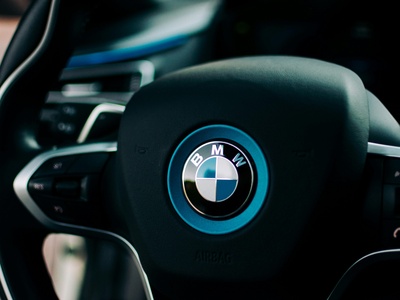
i8
Futuristic plug‑in hybrid sports car that ended production in 2020, the i8 was notable for its distinctive styling, carbon‑fiber construction and hybrid powertrain which combined an electric motor with a small gasoline engine for sporty efficiency.