TL;DR
The 2016 Tesla lineup really means Model S and Model X, with the Model 3 not yet on sale. If you’re shopping used, the big story is that Tesla was still in the middle of its hardware transition: early 2016 cars can be simpler, while later cars may have more modern autopilot hardware and option changes.
For most buyers, the sweet spot is a well-kept 2016 Model S 90D or 100D if you want range and sane depreciation, or a 2016 Model X only if you genuinely need the SUV shape and can live with its usual Tesla quirks: falcon-wing drama, tight third-row packaging, and repair costs that are not exactly Corolla money.
Table of Contents
- What Tesla sold in 2016
- 2016 Tesla Model S
- 2016 Tesla Model X
- Where the Model 3 fits
- What changed during 2016
- Buying a used 2016 Tesla today
- Summary
What Tesla sold in 2016
In 2016, Tesla’s showroom lineup was basically a two-car story: Model S and Model X. The Model 3 was unveiled in March 2016, but it did not reach customer hands until 2017. So if someone says “2016 Tesla Model 3,” they usually mean the reveal year, not an actual production model year.
That distinction matters because Tesla fans and used-car shoppers love to blur the line between:
- the calendar year a car was sold or announced, and
- the model year on the door sticker.
Those are not the same thing. A lot of the confusion around 2016 Tesla models comes from that one little trap.
Tesla also changed product details quickly in 2016. Battery choices shifted, options bundles moved around, and autopilot hardware was in transition. So a “2016 Tesla” can mean several different hardware and software combinations depending on when it was built.
For a broader view of how 2010s luxury cars evolved during the decade, see our guide to 2010s luxury cars. 2010s luxury cars
2016 Tesla Model S
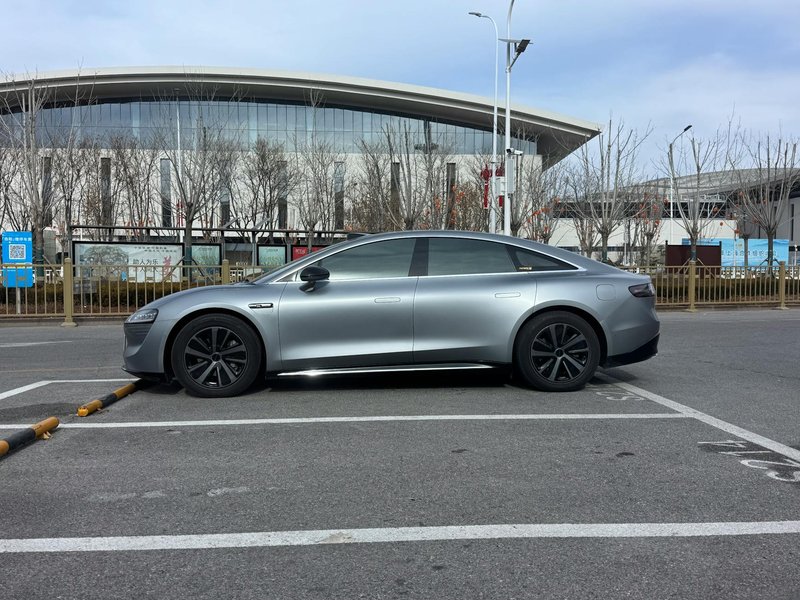
The 2016 Tesla Model S was the cleanest, most established Tesla you could buy that year. By then, the Model S had already moved from “futuristic oddity” to “the electric sedan everyone else was chasing.”
Core trims and battery options
The 2016 Model S showed up in several configurations, with rear-wheel-drive and all-wheel-drive variants depending on trim and battery size. The lineup included versions such as:
- 60 / 60D
- 75 / 75D
- 90D
- P90D
- later 100D and P100D variants as the year progressed
That’s the short version. Tesla’s naming gets messy because it likes to rename, replace, and quietly adjust things midstream.
Range and performance
Range depended heavily on battery size and wheel choice. Broadly speaking, the 60- and 75-kWh cars were the entry points, while the 90D and 100D variants were the long-range picks.
A few practical takeaways:
- The 90D was a popular balance of range and performance.
- The P90D was the obnoxiously fast one.
- The 100D brought the best real-world range among 2016 Model S variants, especially for highway driving.
- Larger wheels and performance tires could chip away at range faster than many buyers expected.
Tesla’s official numbers changed across trims and EPA updates, but the overarching point was simple: by 2016, the Model S could do genuine long-distance work, not just short city hops.
For specs context, Tesla’s own archived pages and owner materials from that period are the best reference point, though EPA range data is the cleaner source for apples-to-apples comparisons. The EPA’s fueleconomy.gov database is the easiest way to verify range ratings for specific versions.
Features and tech
A 2016 Model S could be optioned with:
- Autopilot convenience features
- premium interior materials
- panoramic roof
- high-end audio
- heated seats and steering wheel, depending on build
- air suspension on some configurations
This was also the era when Tesla’s in-car experience still felt a little less standardized than today. Screen layout and software updates were already ahead of most automakers, but the build quality conversation was very much alive. Panel gaps, trim quirks, and occasional weird squeaks were part of the Model S ownership folklore.
Why buyers still care
Used buyers like the 2016 Model S because it sits in a useful zone:
- modern enough to feel current
- old enough that depreciation has already done some work
- common enough that there’s a decent used market
If you want the classic Tesla sedan look without paying Model S Plaid money for the privilege, this is the model year people keep circling back to.
2016 Tesla Model X
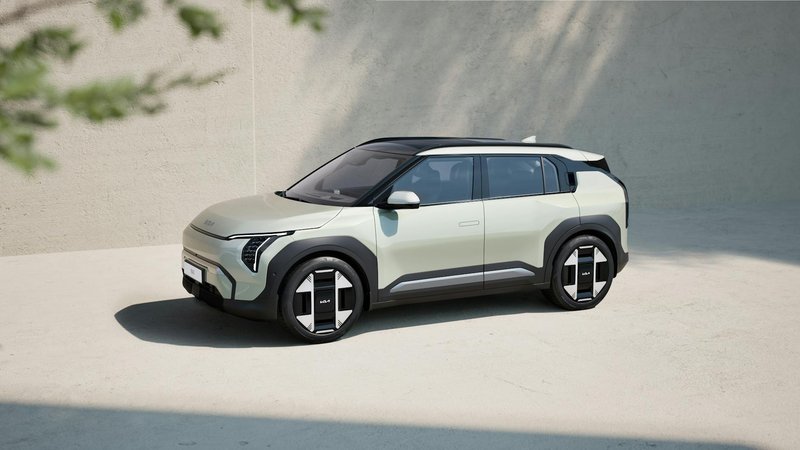
The 2016 Tesla Model X was the weirder, more ambitious sibling. It was also the one that made Tesla owners explain their doors to strangers at parking lots.
What made it different
The Model X arrived as Tesla’s SUV answer, but it wasn’t just a taller Model S. It had:
- falcon-wing rear doors
- optional third-row seating
- a higher driving position
- heavier body and more complex packaging
That combination made it distinctive. It also made it expensive and, in some cases, fussy.
Trims and range
Like the Model S, the 2016 Model X came in multiple versions, including:
- 75D
- 90D
- P90D
- later 100D and P100D versions
The all-wheel-drive setup was standard territory for the X, which made sense given its size and market positioning.
Range was generally lower than the comparable Model S because the X was heavier and less aerodynamic. That’s not a surprise — physics tends to remain annoying even in premium EVs.
The everyday reality
The Model X’s strengths were obvious:
- roomier cabin
- cargo flexibility
- easier entry for families
- unmistakable road presence
Its weaknesses were just as obvious:
- more expensive than the Model S
- more complicated hardware
- third-row space that was useful, but not generous
- falcon-wing doors that sounded cool until you had to park in a cramped garage
If you’re comparing used 2016 Teslas, the X usually makes sense only if you need the SUV body style. If you don’t need the extra height or the quirky rear doors, the Model S is usually the smarter financial move.
For historical specs and original equipment details, Tesla’s archived owner documentation is useful, but again, EPA numbers are the best way to compare efficiency. The EPA’s vehicle pages are the most neutral source here.
Where the Model 3 fits
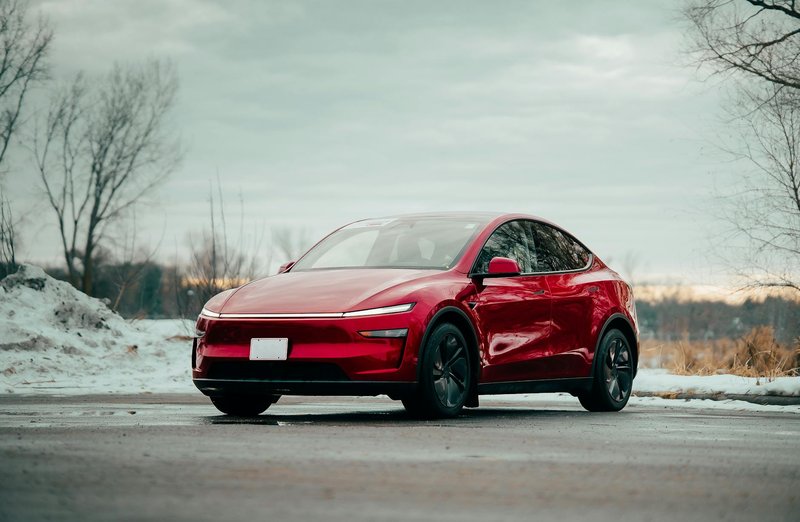
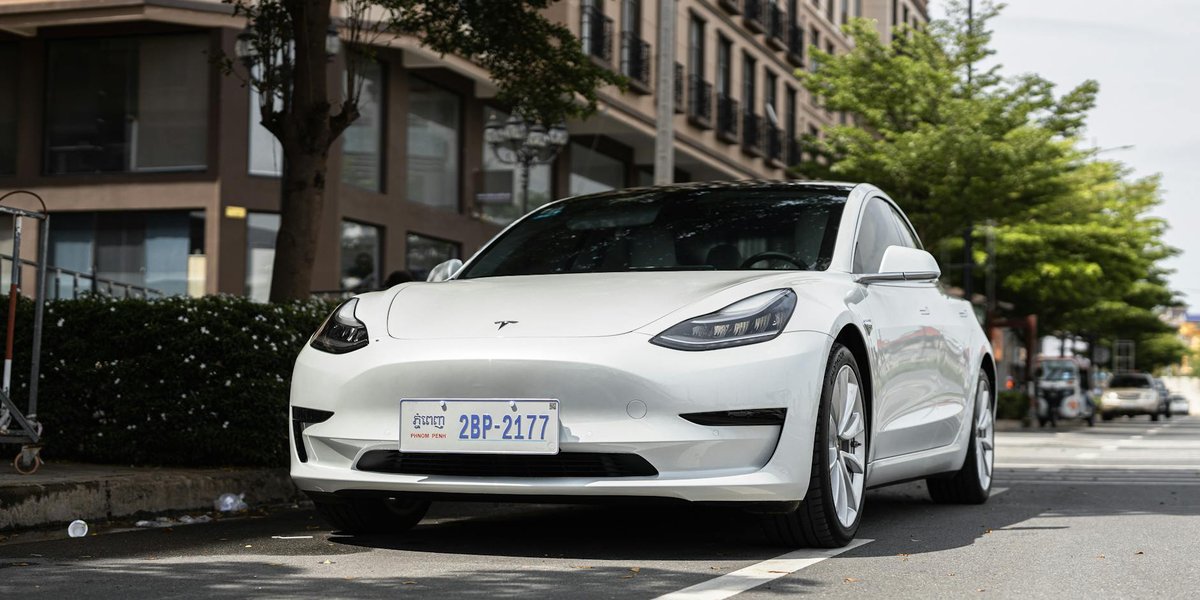
The Tesla Model 3 belongs in the 2016 conversation only because it was announced that year. Tesla unveiled it in March 2016, and reservations piled up fast, but production delivery didn’t begin until the following year.
That means:
- no 2016 model-year Model 3 was sold to customers
- any “2016 Model 3” reference is about the reveal or reservation period, not ownership
- the real production Model 3 story starts in 2017
This matters for searchers because the Model 3 tends to dominate Tesla conversations now, and that can distort the historical record. In 2016, if you bought a Tesla, it was almost certainly a Model S or Model X.
For the timeline, Tesla’s own company history and press archives, along with contemporary reporting from outlets like Reuters, are the clearest way to confirm the launch sequence.
What changed during 2016
2016 was not a static year for Tesla. Far from it.
Autopilot hardware transition
One of the biggest shifts was Tesla’s move through different Autopilot hardware generations. That created a split between early and later production cars, which matters if you care about driver-assistance features and future software support.
If you’re shopping used, you want to check:
- build date
- Autopilot hardware version
- whether the car has the options you think it has
Tesla has historically updated features through software, but hardware still sets the ceiling. That’s the part buyers miss when they assume every 2016 Tesla is basically the same.
Battery and trim reshuffling
Tesla also changed battery and trim availability during the year. Some versions disappeared, others appeared, and naming conventions moved around enough to make used listings annoying. That’s why two cars both labeled “2016 Model S” can feel surprisingly different on paper.
Market positioning
By late 2016, Tesla had firmly established itself as the premium EV maker in the U.S. The Model S was no longer a novelty. The Model X was no longer vaporware. And the Model 3 had turned Tesla from niche luxury builder into an even bigger company with a waiting list attached.
Buying a used 2016 Tesla today
A 2016 Tesla can still make sense on the used market, but you need to shop with your eyes open.
What to check first
-
Battery health and charging behavior
Ask about range loss, charging speed, and any battery-related warnings. -
Autopilot hardware version
This affects what features the car can support. -
Warranty status
Tesla coverage can vary a lot by component and model. -
Build date
Early- and late-2016 cars may differ more than you expect. -
Tires, brakes, and suspension
EVs wear some parts differently, but they still wear them. Magic does not exempt rubber from physics.
Which one is the best bet?
- Best all-around: 2016 Model S 90D or 100D
- Best for families: 2016 Model X 90D or 100D
- Best performance bargain: 2016 Model S P90D, if you accept the extra running costs and potential complexity
- Best avoidance strategy: any car with unclear service history and a seller who says “it just needs a reset”
Used Tesla shopping rewards homework. A lot of homework. The car can be brilliant, but the difference between a good one and a headache is usually in the records, not the badge.
To place the Model S and Model X in the broader 2010s car landscape, see The 10 Best Cars of the 2010s.
Summary
The 2016 Tesla models that actually mattered were the Model S and Model X. The Model 3 was announced in 2016, but it wasn’t a production car yet. That’s the key historical split.
For used buyers, 2016 sits in an interesting spot: old enough to be affordable, new enough to still feel modern, and early enough that hardware differences can change the ownership experience. A clean, well-documented 2016 Model S is often the safest recommendation. A 2016 Model X makes sense if you truly want the SUV format and can live with the extra complexity.
If you’re cross-shopping one today, don’t shop the badge. Shop the build date, hardware version, service history, and battery condition. Tesla ownership has never really been about pretending all examples are equal.