TL;DR
The 2010s were a weirdly good decade for coupes. The market gave us everything from sensible two-door commuters like the Honda Civic Coupe to loud, tire-smoking chaos like the Dodge Challenger, plus proper enthusiast machines such as the BMW 4 Series, Nissan 370Z, and Porsche 911 variants.
If you want the safest used pick, start with the Civic Coupe or Mustang. If you want a sharper enthusiast car, look at the 370Z, Audi TT, or BMW 4 Series. If you want the full decade-defining coupe experience, the Camaro, Challenger, and 911 were impossible to ignore.
Table of Contents
- What counts as a 2010s coupe?
- The 2010s coupes that mattered most
- Best 2010s coupes by type
- Used-buying advice for 2010s coupes
- Final take
What counts as a 2010s coupe?
A coupe is supposed to be a two-door car with a roofline built for style first and practicality second. That sounds simple until the industry starts getting creative.
By the 2010s, plenty of cars were marketed as coupes even when they bent the definition a bit. Some had tiny rear seats you’d only use for a bag and a guilty conscience. Some were pony cars with long hoods and big engines. Others were compact luxury two-doors that existed mostly to make parking lots look better.
For this list, the focus is on cars that were genuinely notable in the decade, not just cars that happened to have two doors. That means a mix of mainstream best sellers, enthusiast favorites, and the oddball machines that gave the decade its character.
The 2010s coupes that mattered most
Honda Civic Coupe
The Civic Coupe was the adult answer to the “I want a coupe, but I still need a car that starts every morning” problem. It wasn’t the fastest thing in the room, and that was the point. Honda made it light, efficient, and easy to live with, which is why it stayed relevant for buyers who cared more about commuting than quarter-mile bragging rights.
The later 2010s models were especially appealing because they kept the Civic formula intact: good visibility, strong fuel economy, cheap parts, and a chassis that didn’t feel numb. If you were shopping used and wanted a coupe with low drama, this was one of the decade’s best answers.
Ford Mustang
The 2010s were a huge decade for the Mustang. Ford kept the car broad enough to be a rental-fleet special and serious enough to embarrass things with fancier badges. The big moment came with the 2015 redesign, which finally gave the Mustang independent rear suspension and made it much more balanced on a rough road.
That matters because the Mustang stopped being just a straight-line bully. It became a real all-rounder. You could get a base V6 or EcoBoost model for cheaper ownership, or climb into GT territory and get a V8 soundtrack that still feels like American automotive theater. For a lot of buyers, this was the best blend of image, speed, and parts availability in the whole decade.
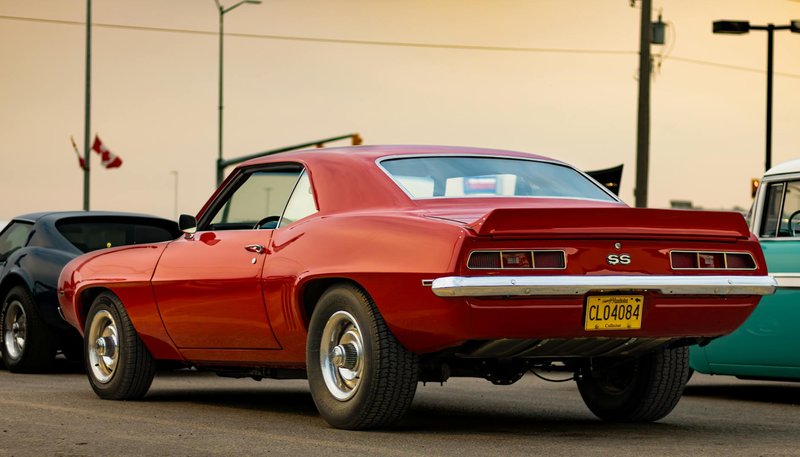
Chevrolet Camaro
The Camaro spent the 2010s getting sharper while also becoming harder to live with. That’s not a criticism. It’s a personality trait.
Chevy made the car more serious over time, especially with the later sixth-generation models, which were lighter and better handling than the older versions. The tradeoff was visibility that could make a submarine jealous. Still, as a driver’s coupe, it earned its place. The turbo four-cylinder models brought the price down, the SS turned up the volume, and the ZL1 went full lunatic.
If the Mustang was the broad crowd-pleaser, the Camaro was the one that made a stronger case for the people who wanted the chassis to matter as much as the engine.
Dodge Challenger
The Challenger never tried to be subtle. It showed up to the 2010s looking like it had already been rewritten by nostalgia. That worked. Buyers wanted a big coupe with a long hood, real presence, and enough V8 options to offend the neighborhood on a Sunday morning.
It’s heavy, not especially nimble, and not pretending to be a lightweight sports car. That’s exactly why it has a following. The Challenger is a two-door muscle machine with room to stretch out and a cabin that feels more forgiving than you’d expect from the shape. If your idea of coupe ownership includes sound, attitude, and zero apology, this was the decade’s blunt instrument.
Nissan 370Z
The 370Z was one of the most honest sports coupes of the 2010s. It didn’t try to be a luxury lounge or a practical compromise. It was compact, rear-wheel drive, V6-powered, and tuned for drivers who still enjoy the mechanical part of driving.
It also hung around forever, which became part of its identity. Nissan didn’t rush the formula. That helped it stay relevant, but it also meant the car aged in plain sight while newer rivals piled on better tech and nicer interiors. Even so, the 370Z remained appealing because it felt direct. Steering, throttle, gearbox — the car spoke plainly, which is rarer than it should be.
BMW 4 Series
When BMW split the 3 Series coupe into the 4 Series, the message was clear: the coupe was being treated as its own thing, not just a sedan with the rear doors deleted. The 4 Series brought the usual BMW strengths — balanced chassis tuning, strong turbo engines, and a cabin that felt more upscale than the mainstream crowd.
The catch, as always, is ownership costs. Used examples can be tempting because depreciation does the heavy lifting for you, but maintenance never got the memo. Still, as a used luxury coupe, the 4 Series hit a sweet spot for buyers who wanted everyday comfort and real driving manners without jumping all the way to M-car money.
Audi TT
The Audi TT was one of the cleanest-looking coupes of the decade. Full stop. Its design language stayed crisp and tidy even as the second and third generations evolved, and that mattered because some cars age better on a driveway than they do on a spec sheet.
The TT wasn’t the loudest or wildest coupe in the 2010s, but it had a polished, almost minimalist charm. It felt compact, premium, and easy to place on the road. The later cars, especially, benefited from strong turbo power and a cabin layout that looked like it came from a more expensive category. For buyers who wanted style without boy-racer energy, it was a good pick.
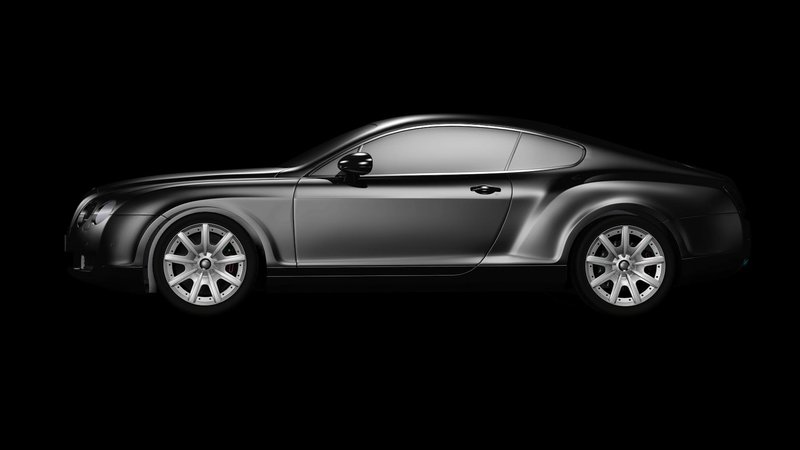
Porsche 911
The 911 is always part of the conversation because it doesn’t merely survive a decade — it defines one. The 2010s saw the 911 evolve into an even more polished version of itself, with more power, better handling, and enough variants to keep track of an entire spreadsheet.
The trick with the 911 is that it stays recognizably a 911. Rear-engine layout, iconic proportions, and a driving feel that somehow remains both refined and mildly unhinged. It was expensive new and still expensive used, but it remains the benchmark for people who want a coupe that can cross continents, attack a back road, and make a parking garage feel like an event.
Subaru BRZ / Toyota 86
The BRZ and 86 twins gave the 2010s something many cars forgot how to do: be fun at sane speeds. They weren’t built for numbers-chasing, and that was the whole point. Light weight, rear-wheel drive, a low seating position, and predictable handling made them favorites among drivers who value balance over raw output.
They also created a lot of smiles without demanding exotic ownership budgets. The engines weren’t powerful in the big-spec sense, but the chassis made up for it. If someone asks for a cheap coupe that teaches you how to drive properly, these are always near the top of the list.
Best 2010s coupes by type
Best daily driver: Honda Civic Coupe
Easy to own, easy to park, easy on fuel. That’s a strong trio, and the Civic Coupe delivered it better than most.
Best muscle car: Ford Mustang
The Mustang is the most complete all-rounder of the American bunch. Fast enough, common enough, and flexible enough to fit a lot of budgets.
Best for pure personality: Dodge Challenger
Nothing else in the segment wore its attitude so openly.
Best driver’s car: Nissan 370Z
Not the newest, not the fanciest, but one of the most direct.
Best used luxury coupe: BMW 4 Series
A nice entry point into premium coupe ownership, as long as you budget for maintenance instead of pretending it won’t happen.
Used-buying advice for 2010s coupes
Before buying any used coupe from the 2010s, check the basics that separate a cool purchase from a money pit:
- Tires and brakes: Coupes often wear performance rubber, and that gets expensive fast.
- Visibility and parking damage: Low rooflines, thick pillars, and enthusiastic previous owners are a rough combination.
- Suspension wear: Sports coupes tend to feel fine right up until bushings, shocks, and mounts don’t.
- Modified examples: Some cars are better left stock, especially if someone installed parts after watching too many forum threads.
For reliability, mainstream Japanese and American models usually give you the least pain per mile. For luxury coupes, the purchase price is just the opening act. As consumer guidance from the FTC notes, used-car inspections and history checks are worth doing before money changes hands. And if a car has a suspiciously perfect story, a vehicle history report is cheap insurance.
A pre-purchase inspection is also worth every penny. The NHTSA publishes recall information and safety resources that can help you spot issues before you sign anything.
Final take
The best 2010s coupes weren’t all trying to do the same job. That’s what made the decade interesting. The Civic Coupe handled daily life without fuss. The Mustang and Camaro kept the muscle-car war alive. The Challenger stayed gloriously heavy and theatrical. The 370Z, BRZ/86, TT, 4 Series, and 911 gave buyers more focused flavors of coupe ownership.
That variety is the point. The 2010s coupes era wasn’t about one perfect answer. It was about having real choices — and a few of them were very, very good.