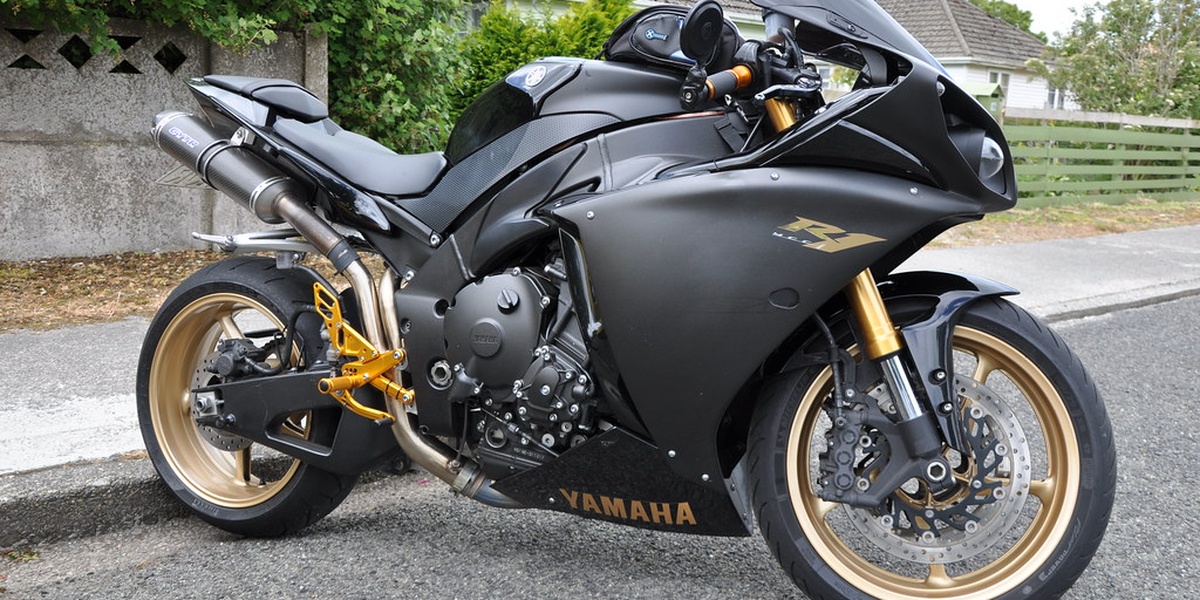
Yamaha’s lineup in the 2000s covered everything from practical city scooters to high-mileage tourers and sporty road bikes, reflecting changing rider needs across the decade. If you enjoy browsing model runs or deciding what to hunt for at shows and classifieds, this period offers a clear snapshot of that evolution.
There are 32 2000s Yamaha Motorcycles, ranging from the FJR1300 to Zuma/BW’S; for each entry the table shows Years in 2000s (2000–2009),Class,Displacement (cc), which you’ll find below.
How is this list organized to help me compare models?
Each row lists the model alongside Years in 2000s (2000–2009),Class,Displacement (cc) so you can quickly scan which years a model was sold, what kind of bike it is, and its engine size—useful for narrowing choices by type, era, or power.
Can I still get parts and service for these 2000s Yamahas?
Many models have good parts support through dealers, aftermarket suppliers, and used-part networks; popular bikes like the FJR1300 are well supported, while some scooters may need more searching—check OEM part numbers, community groups, and salvage listings for best results.
2000s Yamaha Motorcycles
| Model | Years in 2000s (2000–2009) | Class | Displacement (cc) |
|---|---|---|---|
| YZF-R1 | 2000–2009 | sport | 1,000cc |
| YZF-R6 | 2000–2009 | sport | 600cc |
| YZF600R (Thundercat) | 2000–2007 | sport | 600cc |
| FZ1 | 2001–2009 | naked | 1,000cc |
| FZ6 | 2004–2009 | naked | 600cc |
| FZS600 Fazer | 2000–2003 | naked | 600cc |
| FJR1300 | 2001–2009 | touring | 1,300cc |
| TDM900 | 2002–2009 | touring | 900cc |
| MT-01 | 2005–2009 | naked | 1,670cc |
| V Star 650 (XVS650) | 2000–2009 | cruiser | 650cc |
| V Star 1100 (XVS1100) | 2000–2009 | cruiser | 1,100cc |
| V Star 1300 | 2007–2009 | cruiser | 1,300cc |
| V-Max | 2000–2007 | cruiser | 1,200cc |
| Road Star (XV1600) | 2000–2003 | cruiser | 1,600cc |
| Royal Star | 2000–2009 | touring | 1,300cc |
| TMAX | 2001–2009 | scooter | 500cc |
| Majesty 250 | 2000–2009 | scooter | 250cc |
| Zuma/BW’S | 2000–2009 | scooter | 50cc |
| YBR125 | 2005–2009 | naked | 125cc |
| SR400 | 2000–2009 | naked | 400cc |
| XT225 Serow | 2000–2007 | dual-sport | 225cc |
| XT250 | 2008–2009 | dual-sport | 250cc |
| XT600 | 2000–2007 | dual-sport | 600cc |
| WR250F | 2001–2009 | off-road | 250cc |
| WR450F | 2003–2009 | off-road | 450cc |
| WR250R | 2008–2009 | dual-sport | 250cc |
| YZ125 | 2000–2009 | off-road | 125cc |
| YZ250 | 2000–2009 | off-road | 250cc |
| YZ250F | 2001–2009 | off-road | 250cc |
| YZ450F | 2003–2009 | off-road | 450cc |
| TT-R125 | 2000–2009 | off-road | 125cc |
| TTR230 | 2005–2009 | dual-sport | 230cc |
Images and Descriptions
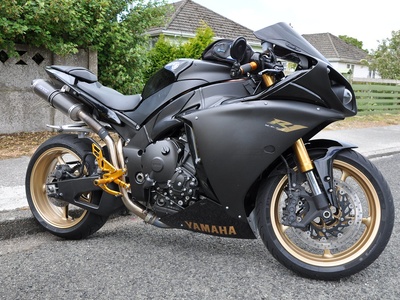
YZF-R1
Yamaha’s flagship superbike in the 2000s, the R1 blended race-derived performance with street usability. Known for explosive power, sharp handling and frequent updates, it’s a landmark sportbike that drew riders seeking cutting-edge performance and track-capable tech.
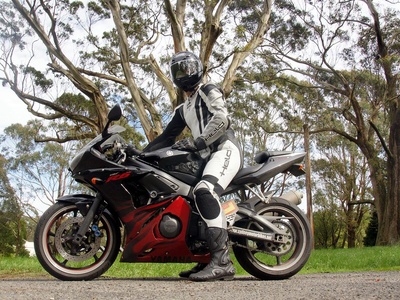
YZF-R6
A benchmark 600cc supersport through the decade, the R6 offered razor-sharp handling and a high-revving engine. Loved by track riders and enthusiasts, it set class standards for performance and cornering precision in the 2000s.
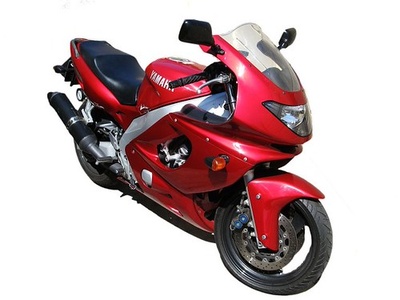
YZF600R (Thundercat)
The Thundercat was a comfortable sportbike with a friendly power delivery and sporty chassis. It appealed to riders wanting sport performance without extreme ergonomics, making it a popular used-bike choice in the mid-2000s.

FZ1
The FZ1 brought superbike power to a more upright, street-oriented package. Combining the R1-derived engine with comfortable ergonomics, it became a versatile commuter and sport-touring choice for riders wanting big-bore performance without a full fairing.
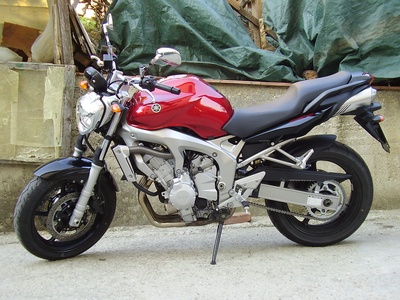
FZ6
Introduced mid-decade, the FZ6 mixed sporty handling with day-to-day comfort. It used a detuned 600cc sport engine for tractable power, making it a practical middleweight for commuters and weekend riders.
FZS600 Fazer
The Fazer/FZS600 was a sporty all-rounder with a small half-fairing and a friendly motor. In the early 2000s it was a practical, approachable sport-touring option known for balance between comfort and performance.
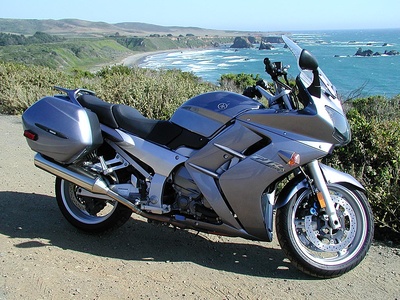
FJR1300
The FJR1300 earned a reputation as a reliable, powerful sport-tourer with smooth long-distance performance and advanced features like options for electronic suspension and shaft drive. It suited riders seeking high-speed touring comfort and luggage capability.
TDM900
A versatile sport-touring twin, the TDM900 blended upright ergonomics and strong midrange performance. It was popular for commuting and light touring, praised for comfort, traction and all-weather usability on varied roads.
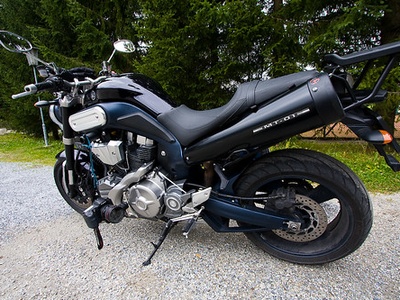
MT-01
The MT-01 stood out with a massive torque-rich V-twin derived from cruiser roots in a naked, muscular chassis. It offered unique character and low-end shove, appealing to riders after something different from standard sportbikes.
V Star 650 (XVS650)
A mid-size cruiser popular for its approachable power and classic styling, the V Star 650 was a friendly, customizable platform for new riders and commuters who wanted cruiser looks without overwhelming displacement.
V Star 1100 (XVS1100)
The V Star 1100 combined classic cruiser styling with smooth V-twin power. It was a go-to for riders seeking comfortable highway cruising, simple mechanics and a wide aftermarket for customization.
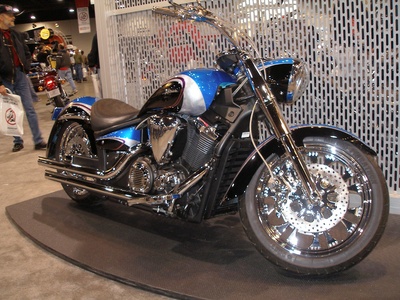
V Star 1300
Introduced later in the decade, the V Star 1300 offered big-bore cruiser performance with modern reliability. It appealed to riders wanting strong highway manners and classic cruiser ergonomics with contemporary engineering.
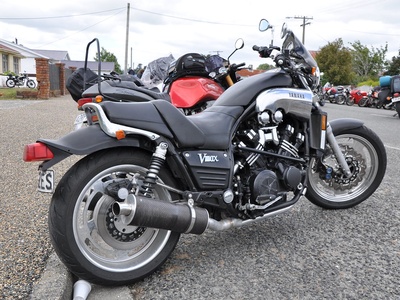
V-Max
The V-Max was an iconic muscle-cruiser famous for its explosive V4 power and bold styling. In the 2000s it remained a statement machine prized for raw acceleration and unique character rather than long-distance comfort.
Road Star (XV1600)
A big, shaft-driven cruiser designed for relaxed highway touring, the Road Star offered classic lines and a torquey V-twin. It appealed to riders wanting old-school cruiser feel with dependable Yamaha engineering.
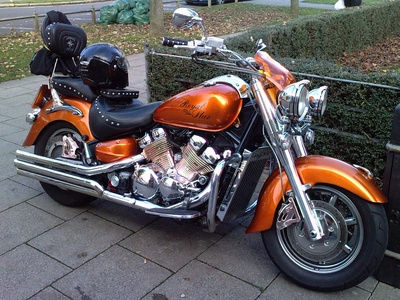
Royal Star
The Royal Star was Yamaha’s large luxury touring cruiser, featuring shaft drive, ample comfort and full dress styling. It suited riders seeking long-distance comfort with classic looks and a relaxed riding position.
TMAX
The TMAX helped define the maxi-scooter category with powerful engine performance, sporty handling and practical storage. It appealed to commuters wanting scooter convenience with motorcycle-like performance and highway capability.
Majesty 250
A reliable mid-size scooter used for commuting and light touring, the Majesty 250 blended smooth engine performance with comfortable ergonomics and useful storage, making it a pragmatic urban transport option.
Zuma/BW’S
The Zuma (BW’S) was a popular small-displacement scooter with rugged styling and user-friendly performance. It became a common choice for city riders and learners seeking economical, easy-to-ride transportation.
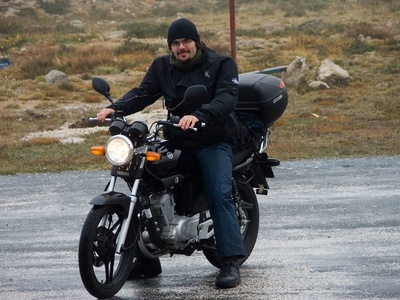
YBR125
The YBR125 arrived as a simple, economical commuter with durable engineering and easy maintenance. Its approachable power and low running costs made it a favorite for learners and urban riders worldwide.
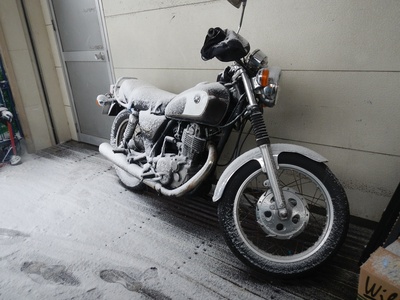
SR400
A retro-inspired single-cylinder classic, the SR400 offered simple mechanics and pure, old-school riding pleasure. Valued for its timeless styling and tunability, it appealed to riders wanting characterful simplicity rather than modern tech.
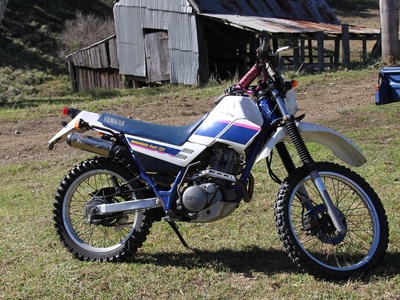
XT225 Serow
The lightweight, nimble XT225 Serow was loved for trail-friendly manners and easy handling. As an approachable dual-sport, it was ideal for new riders and adventure seekers wanting a capable off-road commuter.
XT250
Reintroduced late in the decade, the XT250 provided easy-to-ride, fuel-efficient dual-sport functionality. It offered balanced on/off-road capability and low running costs, making it a solid entry-level adventure machine.
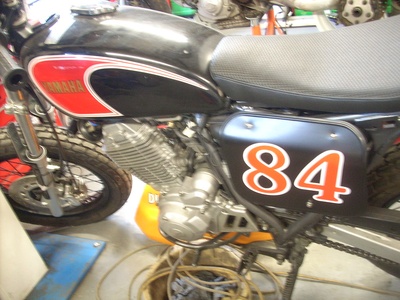
XT600
A larger dual-sport with strong torque and long-travel suspension, the XT600 served riders needing capable off-road ability with highway competence. It was known for durability and simple, serviceable mechanics.
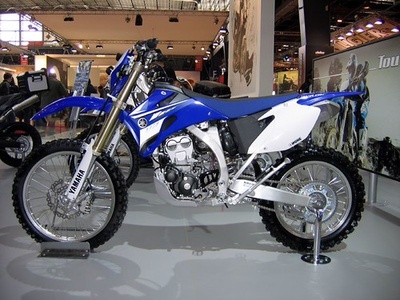
WR250F
Yamaha’s four-stroke enduro contender, the WR250F combined motocross-derived handling with tractable four-stroke power. It was popular among off-road racers and trail riders seeking a competitive, reliable 250cc machine.
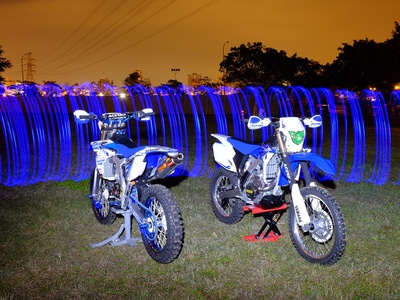
WR450F
A potent four-stroke off-road bike, the WR450F delivered strong torque and race-capable suspension. It appealed to serious trail riders and enduro competitors who wanted modern four-stroke performance in the 450cc class.
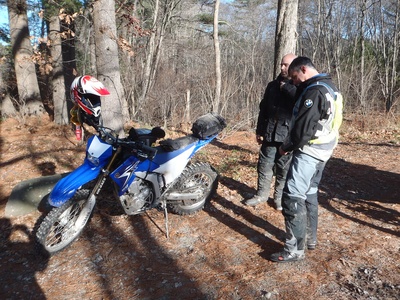
WR250R
Introduced late in the decade, the WR250R brought true off-road capability to a street-legal package with advanced suspension and a fuel-injected four-stroke. It was praised for its versatility and modern engineering.
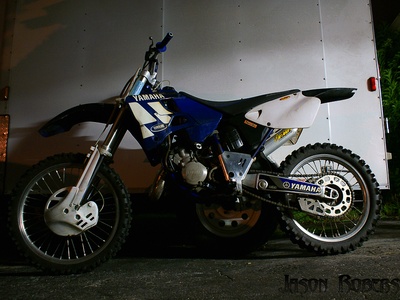
YZ125
A two-stroke motocross classic, the YZ125 was prized for lightweight agility and high-performance power delivery. It remained a top choice for racers and track-focused riders throughout the 2000s.
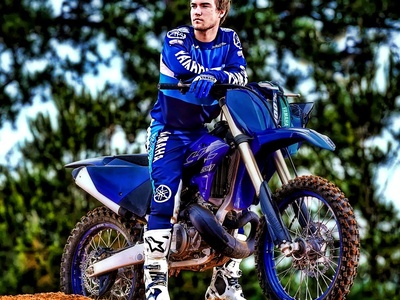
YZ250
The YZ250 two-stroke continued to be a favorite in motocross for its strong, peaky power and low weight. It appealed to experienced riders seeking raw, high-revving performance on the track.
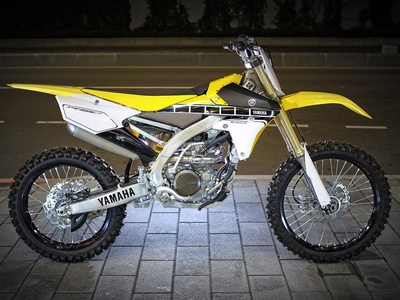
YZ250F
Yamaha’s 250cc four-stroke motocrosser offered broad midrange power and modern chassis dynamics. It became a competitive choice for riders wanting four-stroke tractability with true motocross performance.
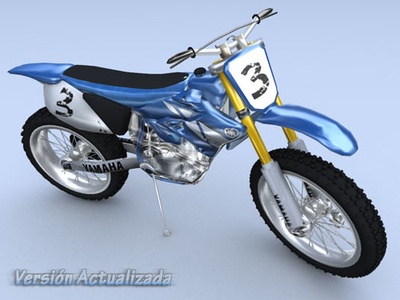
YZ450F
The YZ450F brought big-bore four-stroke power and strong suspension to motocross and off-road racing. Known for its punchy motor and evolving chassis, it was a top contender for serious riders in the 450 class.
TT-R125
A beginner-friendly trail bike, the TT-R125 provided forgiving power, reliable running gear and durable construction. It’s a common choice for learners and recreational riders seeking an easy-to-manage off-road machine.
TTR230
The TTR230 offered a torquey, low-maintenance single-cylinder engine and soft-sprung chassis, making it a popular choice for new riders and those wanting a low-stress, go-anywhere dual-sport for trails and local rides.