The early 2000s reshaped small-car priorities: compact footprints met improving safety, more efficient engines and sharper styling, making hatchbacks a practical choice for city and family drivers. That decade left a diverse mix of economy runabouts, hot hatches and premium compact models across global markets.
There are 59 2000s Hatchbacks, ranging from the 1 Series to the i30. For each entry, you’ll find below Manufacturer,Production years (2000s),Segment so you can quickly compare origins, production spans and market class; you’ll find the full list below.
How did hatchbacks evolve through the 2000s?
Across the decade manufacturers balanced economy with refinement: better crash protection, tighter steering and more efficient engines became common, while styling moved toward bolder fronts and cleaner profiles. Variants expanded—sportier trims, diesel options and higher-spec cabins—so the list shows real technical and market variety rather than a single trend.
How should I use the list to find interesting models?
Sort by Manufacturer to see brand families, by Production years (2000s) to spot models introduced or refreshed in that decade, and by Segment to compare city hatchbacks versus compact or performance variants. Start with familiar names like the 1 Series and i30 to get a feel for differences across segments.
2000s Hatchbacks
| Model | Manufacturer | Production years (2000s) | Segment |
|---|---|---|---|
| Golf | Volkswagen | 2000–2009 | Compact |
| Polo | Volkswagen | 2000–2009 | Subcompact |
| Focus | Ford | 2000–2009 | Compact |
| Fiesta | Ford | 2000–2009 | Subcompact |
| Clio | Renault | 2000–2009 | Subcompact |
| Megane | Renault | 2000–2009 | Compact |
| 206 | Peugeot | 2000–2009 | Subcompact |
| 207 | Peugeot | 2006–2009 | Subcompact |
| 307 | Peugeot | 2000–2009 | Compact |
| C3 | Citroën | 2002–2009 | Subcompact |
| C4 | Citroën | 2004–2009 | Compact |
| Corsa | Opel/Vauxhall | 2000–2009 | Subcompact |
| Astra | Opel/Vauxhall | 2000–2009 | Compact |
| Yaris (Vitz) | Toyota | 2000–2009 | Subcompact |
| Auris | Toyota | 2006–2009 | Compact |
| Fit/Jazz | Honda | 2001–2009 | Subcompact |
| Mazda3 (Axela) | Mazda | 2004–2009 | Compact |
| Mazda2 (Demio) | Mazda | 2002–2009 | Subcompact |
| Mini Cooper | Mini (BMW) | 2001–2009 | Subcompact |
| 1 Series | BMW | 2004–2009 | Compact |
| A3 | Audi | 2000–2009 | Compact |
| Micra/March | Nissan | 2000–2009 | Subcompact |
| Note | Nissan | 2004–2009 | Mini MPV |
| Tiida/Versa | Nissan | 2004–2009 | Compact |
| Impreza | Subaru | 2000–2009 | Compact |
| Swift | Suzuki | 2000–2009 | Subcompact |
| Ignis | Suzuki | 2000–2006 | Subcompact |
| Punto | Fiat | 2000–2009 | Subcompact |
| 500 | Fiat | 2007–2009 | Subcompact |
| Panda | Fiat | 2003–2009 | Subcompact |
| 147 | Alfa Romeo | 2000–2009 | Compact |
| Ibiza | Seat | 2000–2009 | Subcompact |
| Leon | Seat | 2000–2009 | Compact |
| Fabia | Škoda | 2000–2009 | Subcompact |
| Octavia | Škoda | 2000–2009 | Compact |
| Colt | Mitsubishi | 2002–2009 | Subcompact |
| A-Class | Mercedes-Benz | 2000–2009 | Subcompact |
| ForTwo | Smart | 2000–2009 | Microcar |
| ForFour | Smart | 2004–2006 | Subcompact |
| V40 | Volvo | 2000–2004 | Compact |
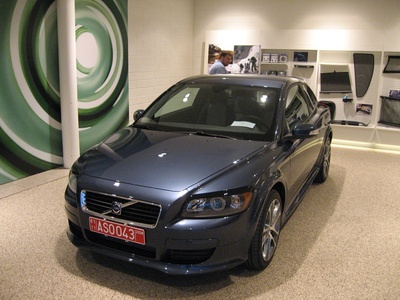
| C30 | Volvo | 2006–2009 | Compact |
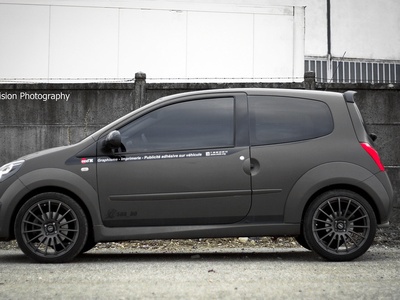
| Twingo | Renault | 2000–2009 | Subcompact |
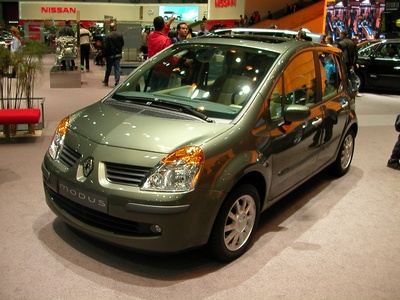
| Modus | Renault | 2004–2009 | Mini MPV |
| Rio | Kia | 2000–2009 | Subcompact |
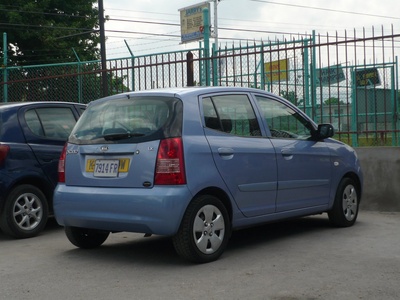
| Picanto | Kia | 2004–2009 | Subcompact |
| Getz | Hyundai | 2002–2009 | Subcompact |
| i30 | Hyundai | 2007–2009 | Compact |
| Accent (hatch) | Hyundai | 2000–2009 | Subcompact |
| Matrix | Toyota | 2002–2008 | Compact MPV |
| Vibe | Pontiac/Toyota | 2003–2008 | Compact MPV |
| Civic Type R / Civic Hatch | Honda | 2001–2005 | Compact |
| Impreza WRX STI | Subaru | 2000–2009 | Compact (hot hatch) |
| S40/V50 small hatch variants | Volvo | 2000–2009 | Compact |
| 1007 | Peugeot | 2005–2009 | Mini MPV |
| Civic Type R (EP3) was an example | Honda | 2001–2005 | Hot hatch |
| Bravo/Brava hatch | Fiat | 2000–2003 | Compact |
| Saxo/106 replacements (historical) | Peugeot/Citroën | 2000–2005 | Subcompact |
| Almera/Primera small hatch alternatives | Nissan | 2000–2006 | Compact |
| Note: Some region-specific trims and small runs | Various | 2000–2009 | Various |
Images and Descriptions

Golf
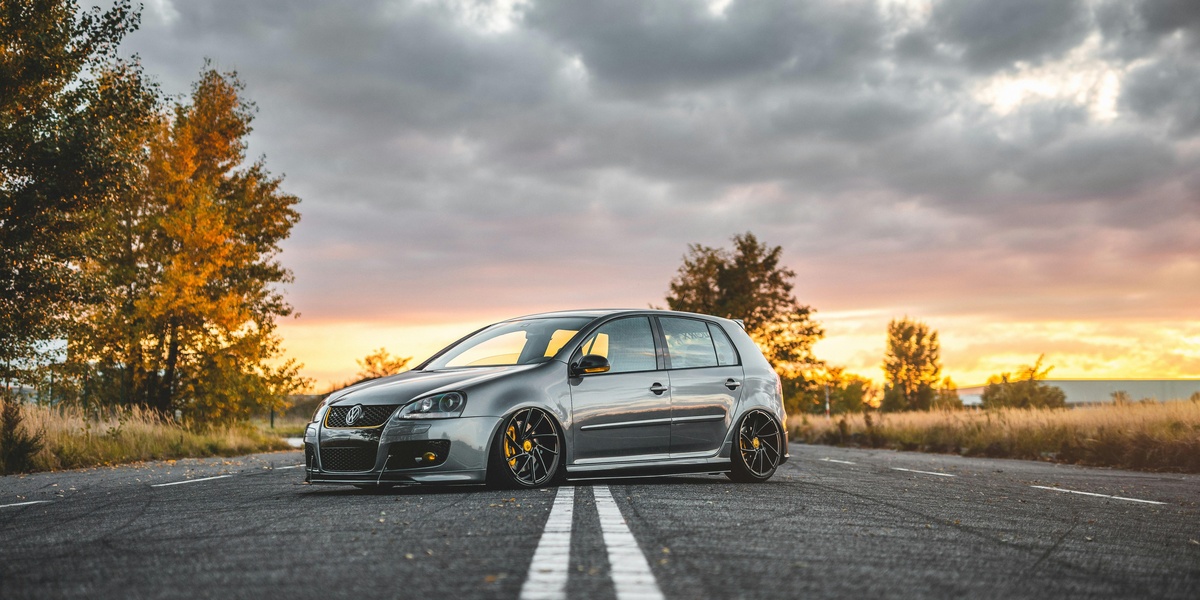
The Golf dominated the 2000s as the compact benchmark — Mk4 into Mk5. Popular GTI and R32 performance trims, broad global sales and enduring practicality made it a go-to hatch for families and enthusiasts alike.
Polo
The Polo offered premium small-car appeal through the 2000s with efficient engines, sporty GTI/GT variants in some markets and strong build quality. It was a roomy subcompact rival to the Fiesta and Micra in global markets.

Focus
Ford’s Focus redefined driving dynamics for compact hatchbacks in the 2000s. Available as 3- and 5-door hatchbacks, sporty ST variants and broad global availability made it notable for handling, safety and everyday practicality.
Fiesta
The Fiesta kept the subcompact segment lively with peppy engines, fun ST versions and practical 3- and 5-door hatchbacks. Strong European sales and affordable running costs made it a popular city car in the 2000s.
Clio
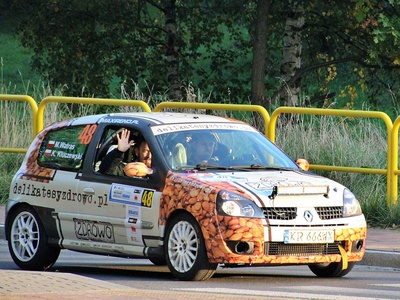
Renault Clio’s second and third generations were big in Europe — stylish small hatchbacks with hot Clio Renaultsport variants, economical engines and strong safety updates. The Clio was a quintessential 2000s European supermini.
Megane
Megane’s hatchback took on the family compact class with bold styling, a sporty coupe-like hatch and Renaultsport hot models. It was notable for distinctive design and being a mainstream alternative to Golf-class cars.
206
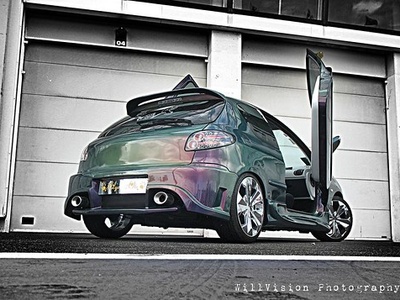
The Peugeot 206 was a best-selling European supermini: stylish, practical 3- and 5-door hatchbacks, GTI and CC variants nearby, and strong sales in multiple markets. Its popularity lingered through much of the decade.
207
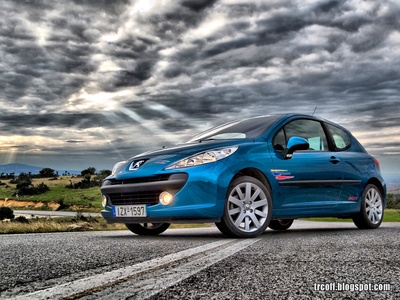
Replacing the 206, the 207 brought updated styling, improved interior quality and a popular 3/5-door hatch range. It was a mainstream European small car notable for comfort and a range of efficient engines.
307
Peugeot’s 307 offered a higher-riding compact hatch alternative with roomy interior, distinctive front-end styling and broad European sales. It was notable for comfort and family practicality in the 2000s.
C3
The Citroën C3 stood out with quirky styling, a comfortable ride and a tall, airy cabin. Popular across Europe, it launched in 2002 and became known for easy city driving and economical engines.
C4
Introduced in 2004, the C4 hatch offered bold Citroën design, a comfortable ride and practical interior. It competed in the compact class with a distinct personality and optional sporty coupe-like variants in some markets.
Corsa
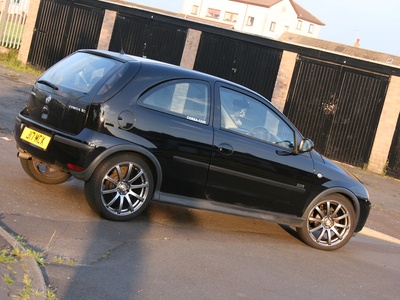
The Corsa was a staple small hatch across Europe and beyond, offering affordable motoring, sporty GSi/OPC (market-dependent) trims, and consistent sales. It was a practical alternative to Polo and Fiesta in the 2000s.
Astra
Astra hatchbacks provided practical family transport with conservative styling, varied engines and sportier GTC/OPC trims in some markets. Strongly positioned against Golf and Focus, it was a common compact choice in Europe.
Yaris (Vitz)
Toyota’s Yaris/Vitz was a compact, reliable hatchback known for build quality, fuel economy and city-friendly dimensions. It remained popular worldwide through early and mid-2000s generations, with hybrid tech arriving later.
Auris
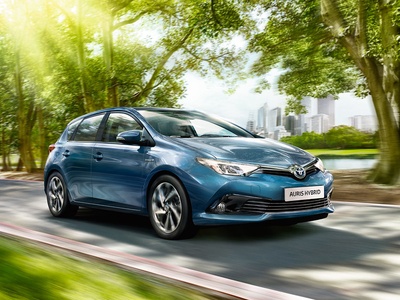
Launched in 2006 to replace the Corolla hatch in some markets, the Auris was Toyota’s compact hatchback offering practical interiors and conservative styling. It aimed at mainstream buyers seeking Toyota reliability with hatchback practicality.
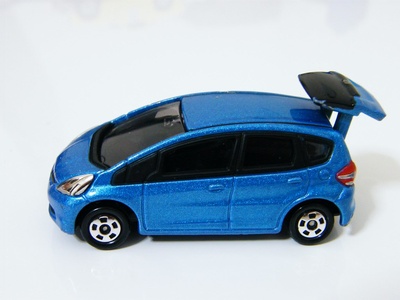
Fit/Jazz
Honda’s Fit/Jazz combined clever packaging with flexible “magic seat” rear configurations, fuel-efficient engines and strong reliability. It was highly praised for maximizing interior space in a small hatch footprint.
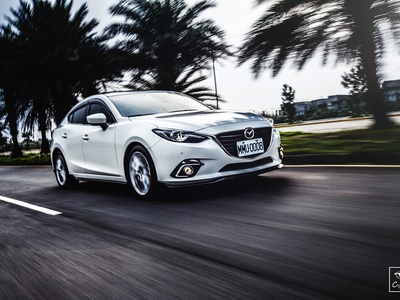
Mazda3 (Axela)
Mazda3 arrived mid-decade as an engaging compact hatch with sharp handling and eye-catching styling. The 3 offered sporty trims, efficient engines and strong dynamics that appealed to drivers wanting fun yet practical transport.
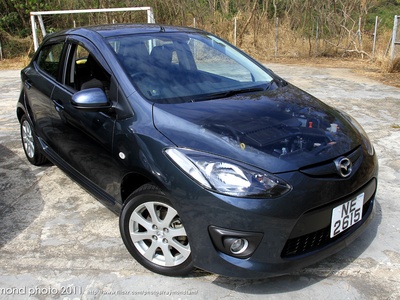
Mazda2 (Demio)
The Mazda2/Demio was a nimble, well-built subcompact hatch with lively engines and good interior packaging. It was praised for driving dynamics and practicality, competing strongly in the city-car segment.
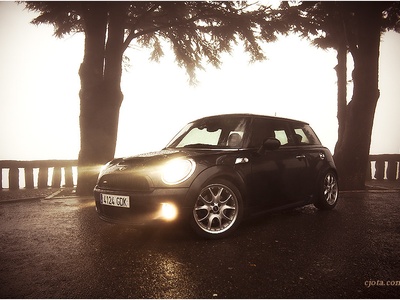
Mini Cooper
The reborn Mini Cooper became an iconic 2000s hatch with retro styling, premium small-car feel and sporty Cooper S variants. It was notable for its style, customization and driving character.
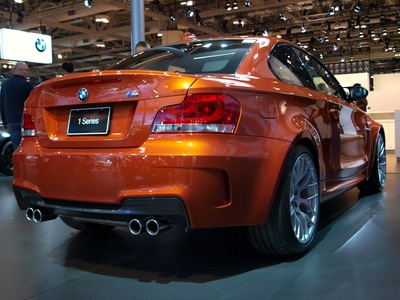
1 Series
BMW’s 1 Series marked the brand’s return to compact hatchbacks in 2004, offering rear- or rear-biased driving (early models), premium interior and sporty M variants later in the decade — a premium compact alternative.
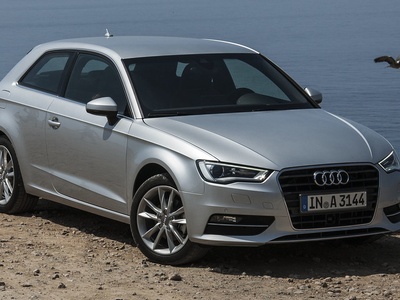
A3
The Audi A3 combined premium finish with hatchback practicality. Across Mk1 and Mk2 lineups it offered quattro in some trims and hot S3 variants, attracting buyers who wanted Audi refinement in a compact hatch.
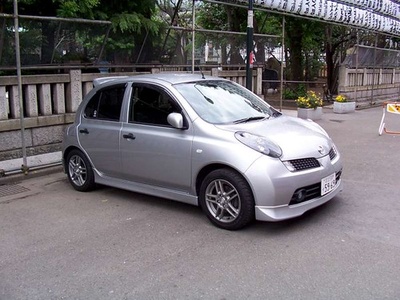
Micra/March
The Micra/March was Nissan’s city hatch staple through the 2000s — economical, compact and easy to live with. It offered lightweight engines and broad global availability as an affordable urban transport solution.
Note
The Nissan Note was a tall, flexible mini-MPV hatch introduced in 2004. Notable for great interior packaging, sliding rear seats in some markets and efficient engines, it aimed at buyers needing small-car practicality with space.
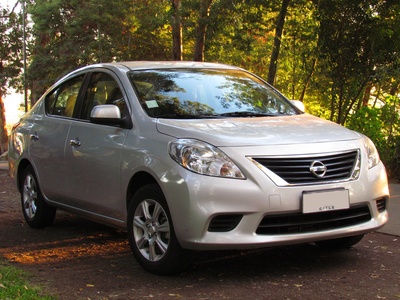
Tiida/Versa
Sold as Tiida or Versa depending on market, this compact hatch offered roomy cabins and simple practicality. It was notable for affordability and interior space compared with many conventional compacts of the era.

Impreza
Subaru’s Impreza hatchback — including WRX/STI performance variants in many markets — offered all-wheel drive performance and rally heritage. The 2000s models mixed usable family hatch practicality with genuine sporting capability.
Swift
Suzuki Swift served as a fun, light-weight small hatch through the decade with peppy engines and sporty S/GTI-style trims in some regions. It was favored for low running costs and agile urban driving.
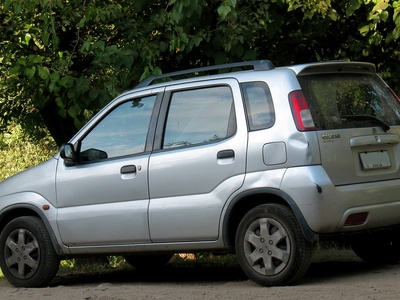
Ignis
The Suzuki Ignis (2000 launch) was a quirky compact hatch with tall seating, optional AWD in some early variants and economical engines. It appealed to buyers wanting a practical, characterful city car in the early 2000s.
Punto
Fiat’s Punto spanned multiple updates in the 2000s, including the stylish Grande Punto from 2005. It offered Italian styling, practical hatch packaging and performance Sporting variants for enthusiasts.
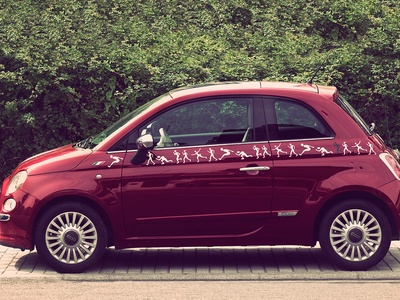
500
The retro-styled Fiat 500 returned in 2007 as a trendy compact hatch. Notable for its iconic looks, personalization options and city-friendly size, it quickly became a fashionable small-car choice in Europe.
Panda
The Panda’s practical, utilitarian hatch design offered a roomy interior and simple mechanics. The 2003 refresh kept it a strong small-car option for buyers prioritizing space, economy and ease of use.
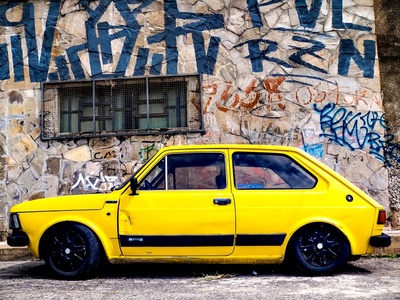
147
The Alfa 147 was a stylish compact hatch with Italian flair, driver-focused handling and sporty GTA/TS trims in some markets. It appealed to buyers seeking characterful design and engaging dynamics in the 2000s.
Ibiza
Seat’s Ibiza mixed sporty styling with VW Group underpinnings, delivering a peppy small hatch with FR performance trims later in the decade. It was a popular youthful alternative in the European supermini segment.
Leon
The Leon offered VW Group compact competence with sharper styling and sportier FR/Cupra variants. It was notable for combining practicality with driver-oriented trims in the compact hatch class.
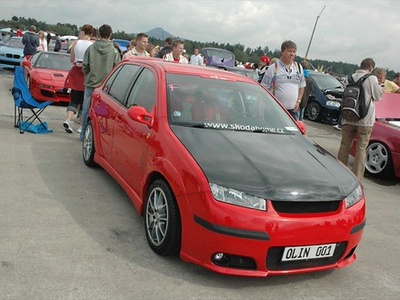
Fabia
Škoda’s Fabia delivered roomy interiors, practical detailing and value for money on VW Group platforms. It was a well-liked family-friendly small hatch offering sensible packaging and competitive pricing.
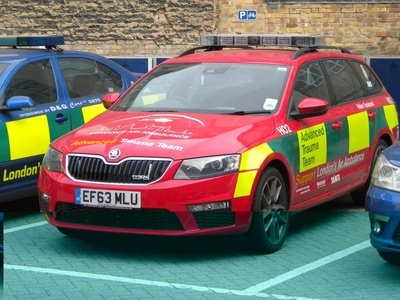
Octavia
The Octavia hatchback (liftback) gave buyers Volkswagen-level engineering with extra interior space and strong value. Practicality, roomy rear seats and big boots made it a favourite family compact hatch.
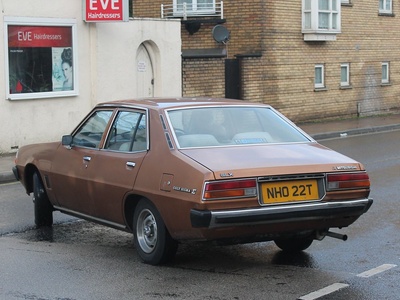
Colt
The Mitsubishi Colt revived small-car grades with sharp styling, efficient engines and a practical 3/5-door hatch layout. It was a cost-effective, well-equipped option in the subcompact segment during the 2000s.
A-Class
Mercedes’ A-Class compact hatch offered premium appointments in a small footprint and notable safety updates after early controversy. It broadened Mercedes’ appeal to city-focused, brand-conscious buyers.
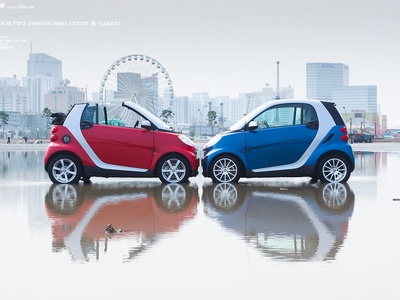
ForTwo
The Smart ForTwo reimagined city commuting with an ultra-short two-seat hatchback footprint and distinctive styling. Its tiny size and economical running made it notable for urban parking and fuel efficiency.

ForFour
Smart’s ForFour was a short-lived 4-seat hatch co-developed with Mitsubishi (2004–2006). It offered small-car practicality with unique Smart branding — notable as a rare collaborative compact hatch experiment.
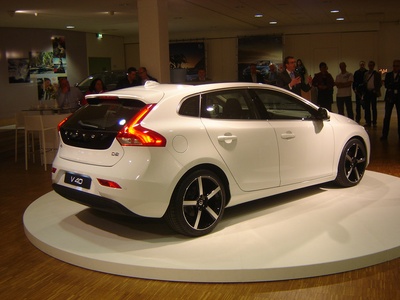
V40
The Volvo V40 hatch was Volvo’s compact offering in early 2000s markets, combining safety-focused engineering with practical hatchback packaging. It appealed to buyers seeking secure, built-to-last compact transport.
C30
The Volvo C30 was a stylish 3-door coupé-like hatch introduced in 2006, notable for unique rear glass hatch design, premium interior and safety features — a more fashion-oriented Volvo hatchback offering.
Twingo
Renault’s Twingo kept its quirky city-focused charm through the 2000s with compact dimensions, easy maneuverability and clever small-car packaging. The second-generation launch in 2007 modernized the formula.
Modus
The Modus was a compact mini-MPV hatch notable for tall seating, flexible interior packaging and family-friendly features. Launched in 2004, it offered an alternative to conventional superminis for buyers needing space.
Rio
Kia’s Rio hatch was an affordable small car with improving build quality throughout the 2000s. It was notable for value-oriented pricing, sensible space and gradually better equipment as Kia modernized its lineup.
Picanto
The Picanto arrived as a tiny, city-focused hatch in 2004 offering low running costs, easy parking and surprising interior space. It helped Kia compete strongly in the budget city-car class.
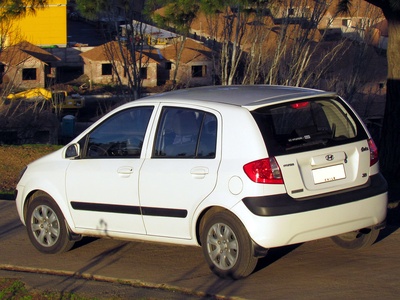
Getz
The Hyundai Getz was a popular small hatch offering reliability, sensible equipment and value. It competed well for buyers seeking a straightforward, economical city car across the 2000s.
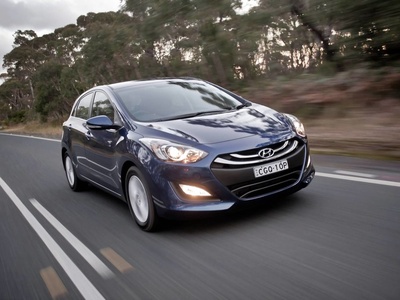
i30
Introduced in 2007, the i30 was Hyundai’s serious compact hatch entry with European tuning, improved interior quality and conservative styling — designed to directly challenge Golf/Focus buyers with good value.
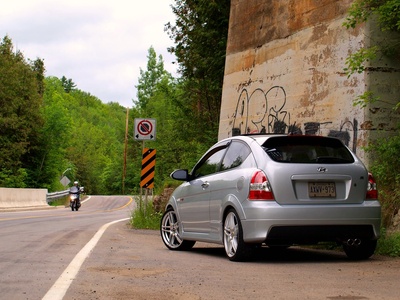
Accent (hatch)
Hyundai’s Accent hatch provided an economical, practical small-car choice in many markets. Through the 2000s it delivered basic features, low running costs and broad appeal for budget-conscious buyers.
Matrix
The Toyota Matrix (collar to the Pontiac Vibe) was a compact hatch/mpv sold mainly in North America from 2002. It offered flexible cargo space, reliable Toyota mechanics and shared underpinnings with the Corolla.
Vibe
The Pontiac Vibe (a Toyota Matrix twin) was a compact hatch sold in North America offering Toyota reliability, roomy cargo space and practical hatchback design, notable for value and joint engineering.
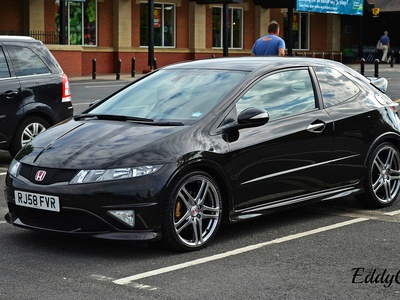
Civic Type R / Civic Hatch
Honda’s 5-door Civic hatch in early 2000s European/Japanese markets delivered practical compact space plus high-performance Type R variants. Notable for combining everyday usability with genuine sporting credentials in certain regions.
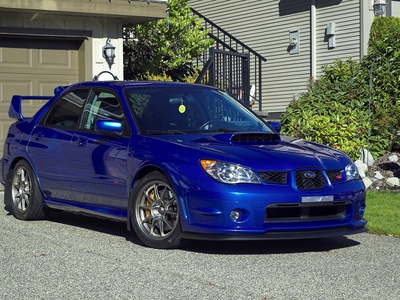
Impreza WRX STI
Subaru’s Impreza WRX/STI hatch variants in many markets brought rally-bred AWD performance to a hatchback body. They were notable for turbocharged engines, all-wheel drive and iconic performance credentials throughout the decade.
S40/V50 small hatch variants
Volvo’s smaller models in the 2000s offered premium compact hatch/liftback options focused on safety and Scandinavian design. They appealed to buyers wanting near-luxury sensibilities in hatchback form.
1007
Peugeot’s 1007 was a compact MPV hatch notable for its sliding doors and quirky design. Launched in 2005, it aimed at urban buyers wanting easy access and unique cabin features.
Civic Type R (EP3) was an example
Honda’s EP3 Type R combined a compact 3/5-door hatch layout with high-revving performance, making it a cult favorite among hot-hatch enthusiasts in the 2000s.
Bravo/Brava hatch
Fiat’s early-2000s Bravo/Brava hatch variants delivered Italian styling and practical interiors for the compact class. They were transitional models before Punto/Linea reshuffles later in the decade.
Saxo/106 replacements (historical)
Early-2000s superminis like the Peugeot 106 and Citroën Saxo continued into the decade in some markets before being replaced; they offered basic, affordable hatchback mobility for budget buyers.
Almera/Primera small hatch alternatives
Nissan’s compact hatch offerings and alternatives in the early 2000s combined practicality and affordability. Models like the Almera/Primera derivatives filled gaps in global hatchback lineups.
Note: Some region-specific trims and small runs
Many manufacturers offered market-specific hatch variants, sporty trims and MPV-hatch crossovers in the 2000s; these regional models often shaped local markets and buyer choices for hatchbacks during the decade.