The 2000s reshaped Ford’s lineup as shoppers moved between compact cars, crossovers, and family vans. Whether you remember weekend road trips or city commutes, this decade left a clear footprint on the models people bought and traded across different markets.
There are 31 2000s Ford Cars, ranging from C-Max to Windstar. For each model, the data is organized as Production years (2000–2009),Body style,Market — you’ll find below.
Which 2000s Ford Cars were sold in North America?
Check the Market column to see regional availability; many familiar names like the Taurus, Mustang, Explorer and Windstar appear for North America during the 2000s. Use the Production years (2000–2009) to confirm specific model years and trims that were offered locally.
How can I use this list to compare body styles or find a particular model?
Sort or scan by the Body style and Production years (2000–2009) columns to group coupes, sedans, SUVs, and vans, then filter the Market column for the region you care about. That makes it easy to spot differences between models across the decade or locate a specific entry like the compact C-Max versus the larger Windstar.
2000s Ford Cars
| Model | Production years (2000–2009) | Body style | Market |
|---|---|---|---|
| Focus | 2000–2009 | Hatchback/sedan/wagon | Global |
| Fiesta | 2000–2009 | Hatchback | Global/Europe |
| Ka | 2000–2009 | Hatchback/roadster | Europe/Latin America |
| Puma | 2000–2002 | Coupe | Europe |
| Cougar | 2000–2002 | Coupe | Europe |
| Mondeo | 2000–2009 | Sedan/hatch/wagon | Europe/Global |
| Escort | 2000–2002 | Hatchback/sedan | North America/selected markets |
| Ikon | 2000–2009 | Sedan | India/Latin America/South Africa |
| Mustang | 2000–2009 | Coupe/convertible | Global/US |
| Taurus | 2000–2006;2008–2009 | Sedan | North America |
| Five Hundred | 2005–2007 | Sedan | North America |
| Fusion (US sedan) | 2006–2009 | Sedan | North America |
| Fusion (Europe MPV) | 2002–2009 | Mini MPV | Europe |
| Crown Victoria | 2000–2009 | Sedan | North America |
| Windstar | 2000–2003 | Minivan | North America |
| Freestar | 2004–2007 | Minivan | North America |
| Freestyle | 2005–2007 | Crossover/MPV | North America |
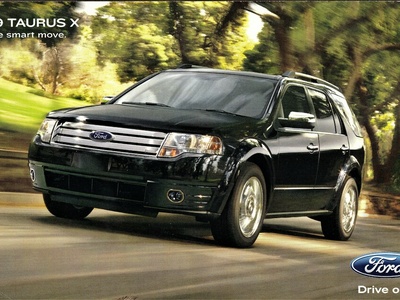
| Taurus X | 2008–2009 | Crossover/wagon | North America |
| C-Max | 2003–2009 | Compact MPV | Europe |
| S-Max | 2006–2009 | MPV | Europe |
| Galaxy | 2000–2009 | Large MPV | Europe |
| Escape | 2001–2009 | Compact SUV/crossover | North America/Global |
| Edge | 2007–2009 | Crossover | North America/Global |
| Flex | 2009 | Three-row crossover | North America |
| Explorer | 2000–2009 | SUV | North America/Global |
| Expedition | 2000–2009 | Full-size SUV | North America/Global |
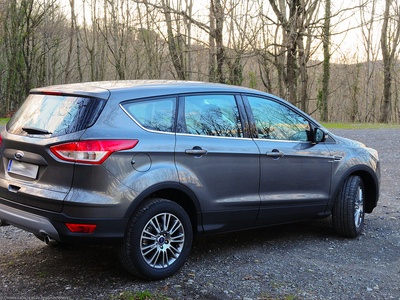
| Kuga | 2008–2009 | Compact crossover | Europe |
| Falcon | 2000–2008 | Large sedan/wagon | Australia |
| Territory | 2004–2009 | SUV/crossover | Australia |
| Tourneo Connect | 2002–2009 | Passenger van/MPV | Europe |
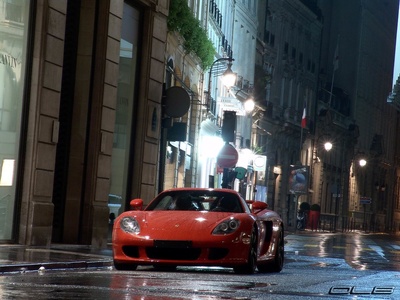
| GT | 2005–2006 | Supercar/coupe | Global |
Images and Descriptions

Focus
The Focus was Ford’s global compact bestseller throughout the 2000s; a major second-generation redesign arrived mid-decade (2004–2005). Sold as hatchback, sedan and wagon worldwide, it defined Ford’s small-car strategy and broadened global appeal.

Fiesta
The Fiesta was Ford’s subcompact staple in the 2000s, with a significant 2002 redesign that refreshed styling and safety. Widely sold as a three- or five-door hatchback, it remained a top city car across Europe, Latin America and other markets.
Ka
The Ka served as Ford’s inexpensive city car through the 2000s, gaining the StreetKa/convertible derivative in the mid-decade. Popular in Europe and Latin America, it offered compact packaging, low running costs and urban practicality.
Puma
The Puma was Ford Europe’s small sporty coupe that carried into the early 2000s before production ended. Known for nimble handling and distinctive styling, it acted as a late-1990s/early-2000s halo car for the brand.
Cougar
The Cougar was a two-door coupe sold in Europe into the early 2000s, based on the Mondeo platform. With coupe styling and grand-tourer intent, it represented Ford’s effort to offer a more aspirational passenger car in that era.
Mondeo
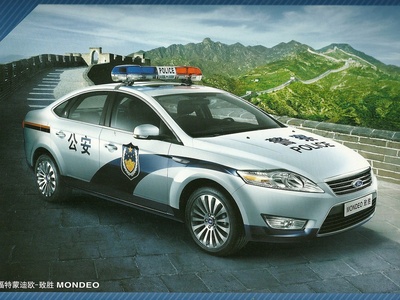
The Mondeo anchored Ford’s midsize lineup in the 2000s, with a major third-generation launch around 2000 and a 2007 facelift. Available as sedan, hatch and estate, it was a staple family car across Europe and many global markets.
Escort
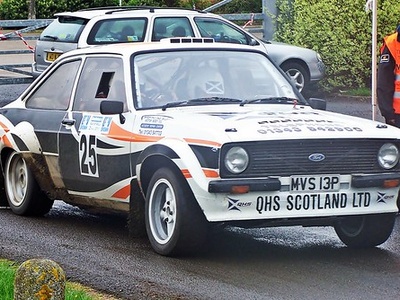
The Escort nameplate persisted into the early 2000s in North America and select markets, with production ending around 2002 as the Focus took over. Its phase-out marked the close of a long-standing compact model line.
Ikon
The Ford Ikon was a Fiesta-derived compact sedan sold in India, Latin America and South Africa through the 2000s. Launched regionally and updated across markets, it offered an affordable four-door option tailored to emerging-market buyers.
Mustang
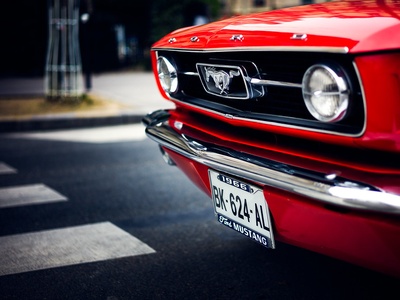
The Mustang continued as Ford’s iconic pony car during the 2000s, with a major retro-styled redesign in 2005 that revitalized global interest. Offered in coupe and convertible forms, it remained a headline performance and brand image model.
Taurus
The Taurus was Ford’s full-size sedan present in the early 2000s, phased out mid-decade then resurrected in 2008 on the Five Hundred platform. Its return reflected Ford’s attempt to modernize and reposition the nameplate.
Five Hundred
The Five Hundred launched in 2005 as Ford’s full-size family sedan and was sold through 2007 before being rebranded Taurus. It introduced a newer platform and represented Ford’s mid-decade approach to the large sedan segment.
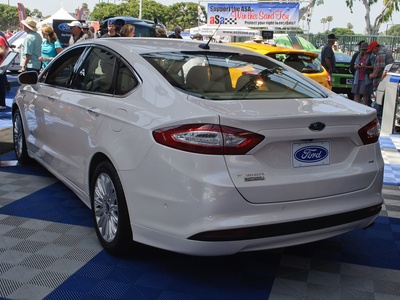
Fusion (US sedan)
The Fusion debuted in 2006 as Ford’s modern midsize sedan for North America, replacing the Five Hundred/Taurus lineup. Emphasizing improved dynamics and globalized design, it quickly became a core family car offering.
Fusion (Europe MPV)
The European Fusion was a tall small MPV introduced in 2002 based on Fiesta underpinnings. Sold through the 2000s, it offered urban practicality and higher seating position for buyers wanting compact space and versatility.
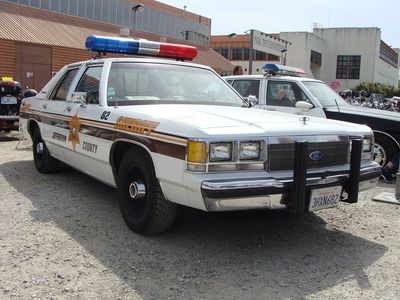
Crown Victoria
The Crown Victoria remained Ford’s large rear-wheel-drive sedan throughout the 2000s, widely used in fleets and law enforcement. Its body-on-frame construction, durability and long production run made it an unmistakable American workhorse.
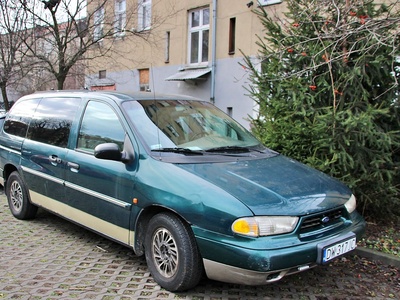
Windstar
Windstar served as Ford’s minivan through the early 2000s, selling until 2003 before being replaced by the Freestar. It was a common family vehicle of the era and represented Ford’s earlier minivan generation.
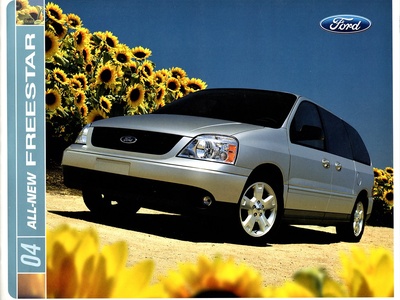
Freestar
Freestar replaced the Windstar in 2004 as Ford’s full-size MPV in North America and was produced through 2007. It emphasized family practicality and safety, but weaker sales led Ford to exit the segment after a few years.
Freestyle
Freestyle was a car-like crossover/MPV introduced in 2005, blending wagon and SUV elements with available all-wheel drive. Sold through 2007, it foreshadowed Ford’s broader move into crossovers and later evolved into the Taurus X rebrand.
Taurus X
Taurus X was the 2008–2009 rebrand of the Freestyle, marketed as a three-row crossover-wagon with family-oriented space. The name change aligned the vehicle with Ford’s sedan heritage while keeping practical crossover packaging.
C-Max
Introduced in Europe in 2003, the C-Max was Ford’s compact five-door MPV offering tall seating and efficient powertrains. It became a popular urban family car and helped Ford compete in the practical small-MPV segment throughout the decade.
S-Max
Launched in 2006, the S-Max mixed MPV practicality with sportier dynamics and design aimed at European buyers. Praised for handling and versatility, it filled the niche between family vans and more conventional cars in Ford’s lineup.
Galaxy
The Galaxy remained Ford’s large seven-seat MPV in Europe during the 2000s, receiving mid-decade updates and continuing as a mainstream family hauler alongside the S-Max and C-Max, prized for interior space and flexible seating.

Escape
The Escape was Ford’s compact crossover from 2001 onward, sharing architecture with Mazda and helping inaugurate Ford’s shift toward carlike SUVs. Widely sold across markets, it was key to Ford’s growing crossover lineup.
Edge
The Edge debuted in 2007 as Ford’s midsize crossover focused on style and comfort for North American buyers. It represented Ford’s move upmarket within crossovers, offering more carlike driving dynamics and a more premium interior.
Flex
Introduced for the 2009 model year, the Flex was a boxy, three-row crossover offering unique styling and roomy family packaging. It reflected Ford’s late-2000s experimentation with new SUV shapes and user-friendly interiors.
Explorer
The Explorer continued as Ford’s mainstream SUV in the 2000s, undergoing a major redesign in 2002 and further updates mid-decade. It remained a best-selling midsize SUV, bridging truck-based robustness and family utility.
Expedition
The Expedition was Ford’s full-size SUV throughout the 2000s, offering three-row seating, strong towing capability and periodic updates to styling and engines. It catered to buyers needing large, truck-based SUVs.
Kuga
The Kuga arrived in Europe in 2008 as Ford’s compact crossover below the Edge, providing a carlike SUV option for European buyers. It quickly became a core part of Ford Europe’s SUV family and highlighted Ford’s small-crossover push.
Falcon
Ford Australia’s Falcon remained a large rear-wheel-drive family car through the 2000s, with multiple local generations and the FG arriving near 2008. Offered as sedan and wagon, it was a staple of the Australian market.
Territory
Built by Ford Australia from 2004, the Territory was a locally developed SUV using Falcon mechanicals tuned for regional tastes. Sold throughout the 2000s, it became a popular domestic alternative to imported SUVs.

Tourneo Connect
The Tourneo Connect was the passenger-focused derivative of the Transit Connect, sold in Europe from 2002. As a compact people-mover it offered practical, carlike ergonomics and flexible seating for families and small businesses.
GT
The Ford GT was a limited-production supercar sold in 2005–2006 that revived Ford’s racing heritage. Though niche, it was a high-profile 2000s model showcasing performance engineering and attracting global attention to Ford’s brand capabilities.