The 2000 Dodge lineup is the one nobody talks about, and that’s a shame. It sits right at the end of the Chrysler era, months before the DaimlerChrysler cost-cutting really bit, and it’s packed with vehicles that still show up on used lots and in project-car garages. Nine model families. A genuine V10 supercar. A new V8 for the Durango. And a Neon that, despite its reputation, kept selling.
If you’re shopping a 2000 Dodge, restoring one, or just trying to figure out what your uncle’s old Ram is actually worth, here’s the whole roster — prices, specs, what was new, and the honest reliability picture the spec-sheet sites leave out.
Table of Contents
- The 2000 Dodge lineup at a glance
- The cars: Neon, Stratus, Intrepid, Avenger
- The trucks: Ram and Dakota
- SUV and vans: Durango and Caravan
- The halo car: Viper
- What was new for 2000
- Which 2000 Dodges are worth buying today
The 2000 Dodge lineup at a glance
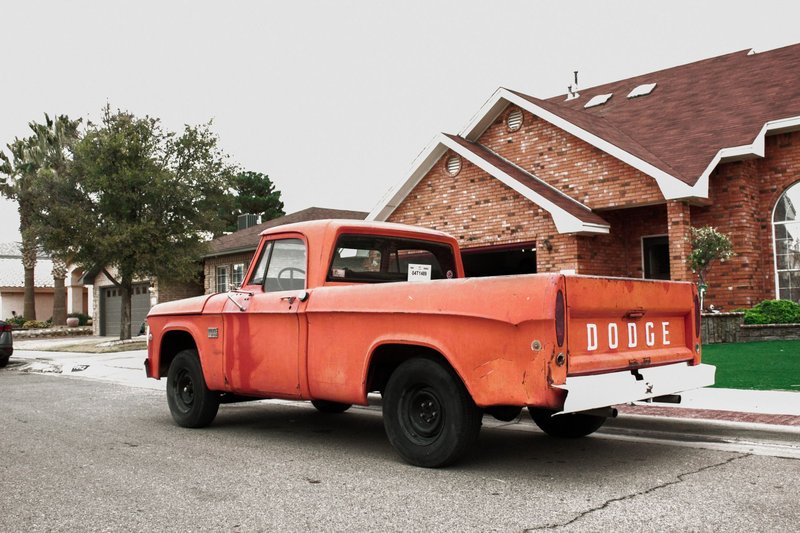
Dodge sold ten distinct models for the 2000 model year across cars, trucks, SUVs, vans, and one supercar. Here’s the quick comparison before we get into the individual profiles.
| Model | Body style | Base MSRP (new) | Engine / horsepower | What was new for 2000 |
|---|---|---|---|---|
| Neon | Compact sedan | ~$12,800 | 2.0L I4 / 132 hp | All-new second generation |
| Stratus | Midsize sedan | ~$16,500 | 2.4L I4 / 150 hp | Minor trim updates |
| Intrepid | Full-size sedan | ~$20,400 | 2.7L / 3.2L V6 / 200–225 hp | Carryover from ’98 redesign |
| Avenger | Coupe | ~$16,000 | 2.0L I4 / 2.5L V6 / 140–163 hp | Final year |
| Dakota | Mid-size pickup | ~$15,200 | 3.9L V6 / 4.7L V8 / 175–235 hp | New 4.7L V8, Quad Cab |
| Ram 1500/2500/3500 | Full-size pickup | ~$16,800+ | 3.9L V6 to 8.0L V10 / 175–310 hp | Carryover |
| Durango | Mid-size SUV | ~$25,600 | 4.7L V8 / 235 hp | New 4.7L V8 |
| Caravan / Grand Caravan | Minivan | ~$19,400 | 2.4L I4 to 3.8L V6 / 150–215 hp | Carryover from ’01 redesign timing |
| Ram Van / Wagon | Full-size van | ~$19,000 | 3.9L V6 to 5.9L V8 | Carryover |
| Viper | Supercar | ~$66,700 | 8.0L V10 / 450 hp | Carryover before ’03 redesign |
The cars: Neon, Stratus, Intrepid, Avenger
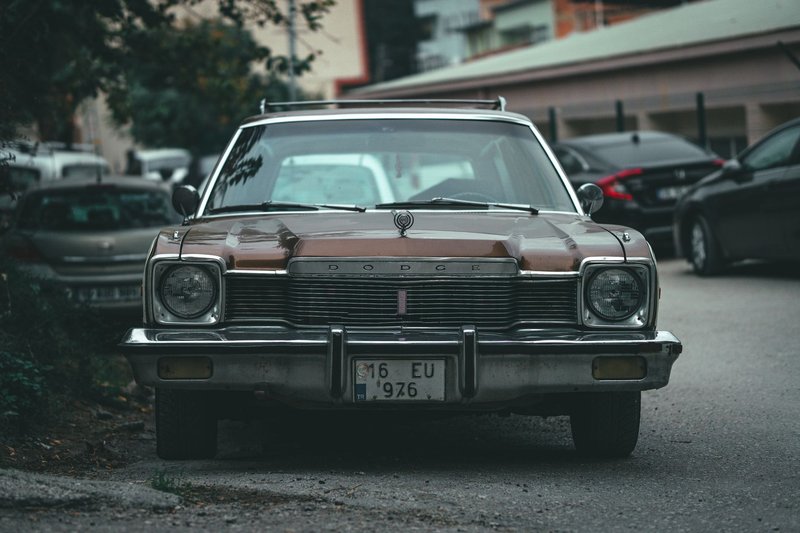
Dodge Neon
2000 was the launch year for the second-generation Neon, and it’s a better car than the internet remembers. The new body lost the original’s smiley-face charm but gained refinement — quieter, more solid, less of a buzzy econobox. Power came from the 2.0-liter SOHC four making 132 horsepower, paired with a five-speed manual or a three-speed automatic (the weak spot — that ancient slushbox kills the driving experience).
The Neon’s reputation problem is real but dated. First-gen cars were famous for head gasket failures; the 2000 redesign improved the gasket design, though the 2.0L still isn’t bulletproof. Watch for oil leaks at the valve cover and timing-related rattles. As a cheap, simple commuter or a first project car, a clean 2000 Neon is one of the better $2,000 buys out there.
Dodge Stratus
The Stratus was Dodge’s midsize sedan, sharing bones with the Chrysler Cirrus and Plymouth Breeze. For 2000 it carried the 2.4-liter four (150 hp) on base cars and an optional 2.5-liter Mitsubishi-sourced V6. It’s a comfortable, forgettable family sedan — roomy cabin, soft ride, nothing that’ll make you grin.
The Mitsubishi 2.5L V6 is the engine to know about: it’s smoother than the four but has a timing belt that absolutely must be changed on schedule, or it’ll grenade the valvetrain. If you’re looking at a V6 Stratus, ask for the timing belt receipt or budget to do it immediately.
Dodge Intrepid
The Intrepid is the sleeper of the group. Built on Chrysler’s LH “cab-forward” platform, it’s a genuinely big, dramatic-looking full-size sedan that drove well for its class. The 2000 models came with either the 2.7-liter V6 (200 hp) or the larger 3.2L/3.5L V6 (up to 242 hp in R/T trim).
Here’s the thing you need to know: avoid the 2.7-liter V6. It’s notorious for sludging up and self-destructing if oil changes were ever neglected, and on a 25-year-old car you can’t trust the history. The 3.2 and 3.5 engines are far more durable. A 3.5L Intrepid ES or R/T is a lot of comfortable highway car for almost no money.
Dodge Avenger
2000 was the final year for the Avenger coupe, a sporty two-door built by Mitsubishi and sold under the Dodge badge. The base car used a 2.0-liter four; the desirable ES trim got a 2.5L V6 making 163 horsepower. It looks faster than it is — this was a styling exercise more than a sports car.
Because it’s Mitsubishi-built, parts and quirks differ from the rest of the Dodge lineup, and clean survivors are getting genuinely rare. Enthusiast interest is mild but rising for low-mile ES coupes.
The trucks: Ram and Dakota
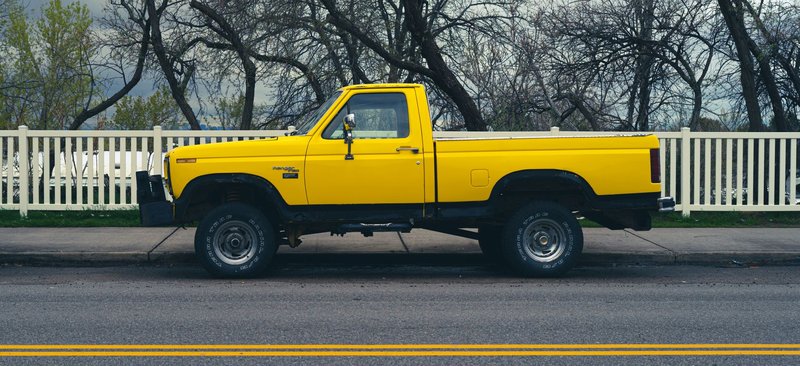
Dodge Ram 1500 / 2500 / 3500
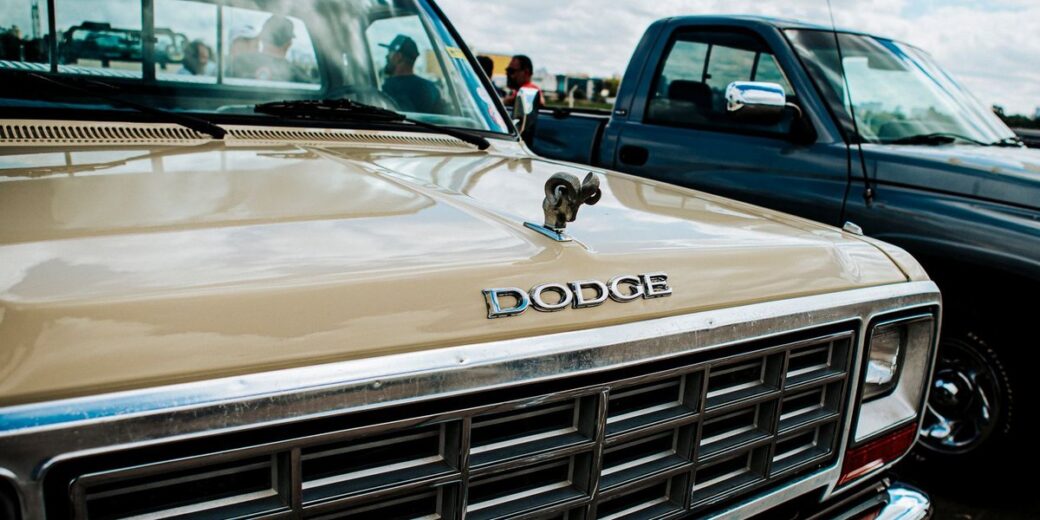
The second-generation “big rig” Ram was already a few years into its run by 2000, and it’s the truck that put that bold semi-truck face on Dodge pickups. The lineup spanned the half-ton 1500 up through the heavy-duty 2500 and 3500, with an engine menu that’s still impressive: the 3.9L V6, the 5.2L and 5.9L Magnum V8s, the legendary 5.9L Cummins turbodiesel inline-six, and the monster 8.0-liter V10 in the heavy-duties.
The Cummins is the headline. The 24-valve 5.9L diesel from this era is one of the most sought-after used engines in all of trucking — owners regularly run them past 300,000 miles, and a clean 2000 Cummins Ram 2500 holds value better than almost anything else on this list. The catch on the 24-valve specifically is the VP44 injection pump and the infamous “killer dowel pin,” both known issues worth researching before you buy. Gas Magnum V8 Rams are cheaper, thirstier, and perfectly solid workhorses.
For the full engine breakdown, the 2000 Dodge Ram specs on JD Power lay out trims and pricing.
Dodge Dakota
The Dakota was Dodge’s clever in-between truck — bigger than a Ranger or S-10, smaller than a full-size Ram — and 2000 was a big year for it. Two major additions: the new 4.7-liter “PowerTech” V8 (235 hp), which replaced the old 5.2L and gave the Dakota genuinely strong V8 performance, and the new four-door Quad Cab body style that made it a real family hauler.
The 4.7L V8 is a good engine overall but watch for one known issue: the early versions can suffer from valve-seat and overheating problems if the cooling system was ever neglected, and the timing chain tensioners can wear. A well-maintained 4.7 Quad Cab Dakota is one of the more useful trucks of the era — V8 grunt without the bulk of a full-size Ram.
SUV and vans: Durango and Caravan
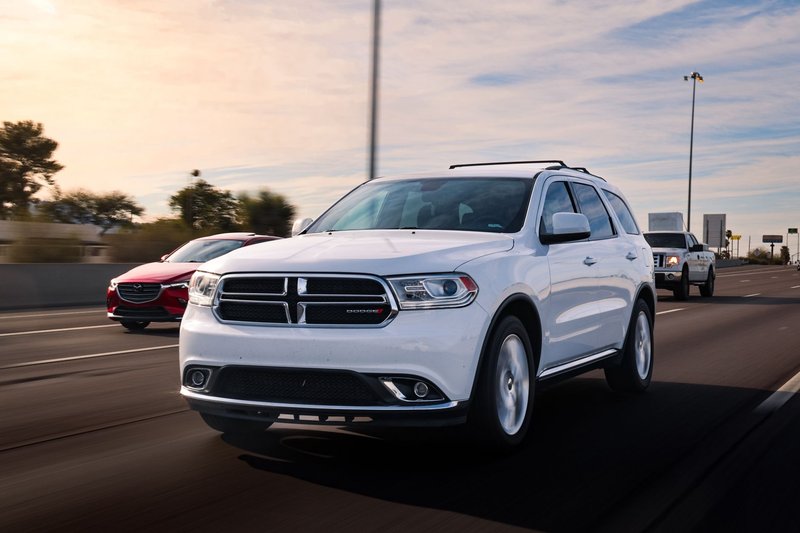
Dodge Durango
The Durango shared its frame with the Dakota and slotted in as Dodge’s mid-size, three-row SUV. The headline for 2000 was the new 4.7-liter PowerTech V8, joining the existing 5.2L and 5.9L Magnum V8s. With seating for up to eight and serious towing capacity, the Durango was a body-on-frame alternative to the car-based SUVs that were starting to flood the market.
Reliability is a mixed bag and worth being honest about. The Durango of this generation is known for front-end wear (ball joints, control arm bushings), transmission issues if the fluid was never serviced, and the same 4.7L cooling-system sensitivity as the Dakota. The 5.9L Magnum is the durable choice if you can find one and don’t mind single-digit fuel economy. Buy on maintenance history, not mileage.
Dodge Caravan / Grand Caravan
The Caravan was, and is, the default American minivan — Dodge basically invented the segment. The 2000 models offered a range from the 2.4L four up to the 3.8L V6, with the long-wheelbase Grand Caravan being the version most families actually bought. Sliding doors, fold-flat seating in upper trims, and a low ride height made it the practical king of its day.
The one chronic weak point across this generation is the four-speed automatic transmission, which earned a reputation for early failure — especially behind the larger V6 when towing or running on the wrong fluid. If you’re buying one, the 3.3L V6 is the sweet spot for durability, and proof of transmission service is non-negotiable.
The halo car: Viper

The 2000 Dodge Viper is the reason the whole brand felt cool that year. The second-generation SR II Viper came as the RT/10 roadster and the gorgeous GTS coupe, both powered by the 8.0-liter (488 cubic inch) V10 making 450 horsepower and a colossal 490 lb-ft of torque. No traction control. No driver aids. Side exhaust pipes that could brand your leg. This was an analog supercar in the purest sense, and the breed routinely lands on shortlists of the best 1990s sports cars right alongside the Japanese and European icons it was built to humble.
Performance was brutal for 2000: zero to sixty in around four seconds and a top speed near 185 mph, numbers that embarrassed cars costing twice as much. The GTS coupe is the collector’s pick today — values for clean, low-mile examples have climbed steadily, and a well-kept 2000 GTS is a legitimate appreciating asset. It’s the opposite of everything else in this lineup, and that’s exactly why it mattered.
What was new for 2000
If you only remember three things about the 2000 model year, make them these:
- The 4.7L PowerTech V8 debuted in the Dakota and Durango, replacing the old 5.2L Magnum. It’s the defining mechanical change of the year and shows up across two model lines. It would only grow more central from here — by the time you reach the 2002 Dodge lineup, the 4.7 had become the default V8 across the brand’s trucks and SUVs.
- The Dakota Quad Cab arrived, giving the mid-size truck four real doors and turning it into a credible family vehicle.
- The second-generation Neon launched, quietly modernizing Dodge’s entry-level car.
Everything else — Ram, Intrepid, Stratus, Viper, Caravan — was carryover or lightly refreshed, sitting in the mature middle of its product cycle. That’s actually good news for a used buyer: these were sorted, debugged versions of designs that had been on the road for a few years.
Which 2000 Dodges are worth buying today
Not every 2000 Dodge is a smart used buy. Here’s the straight ranking.
Buy with confidence:
- Ram 2500 with the 5.9L Cummins diesel — the standout of the entire lineup. Durable, desirable, and holds value better than anything else here.
- Viper GTS — if you have the budget, it’s a blue-chip collectible that’s still genuinely thrilling to drive, and a regular fixture on lists of the best American cars of the 2000s.
- Dakota Quad Cab 4.7L V8 — practical, capable, and undervalued.
Buy carefully, with the history checked:
- Intrepid 3.5L (avoid the 2.7L) — comfortable highway cruiser for pennies.
- Neon (manual transmission) — a cheap, honest commuter or first project.
- Durango 5.9L — only with documented maintenance.
Think twice:
- Intrepid 2.7L V6 — the sludge-prone engine is a known time bomb.
- Caravan with an unserviced transmission — the four-speed auto is the recurring expense.
- Stratus V6 without timing belt records.
The 2000 Dodge lineup rewards the buyer who shops on maintenance history over mileage. These were tough, simple vehicles for the most part, and the good ones are still running a quarter-century later precisely because someone took care of them. Find that someone’s old truck, and you’ve found a bargain. For the full original spec sheets and trim pricing, AutoDetective’s 2000 Dodge directory catalogs every variant.

Marco Delantero
More from Marco DelanteroHow we reviewed this article
This article was researched against manufacturer records and editorially reviewed before publishing. We accept no payment for coverage. Some guides contain affiliate links; see our affiliate disclosure.