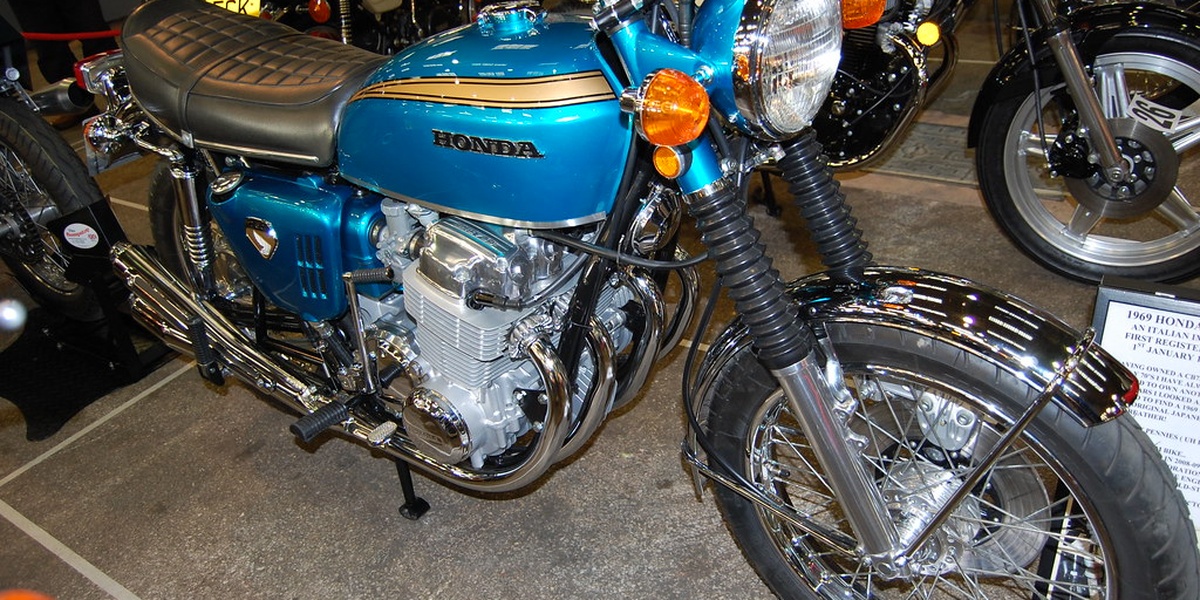
From museum displays to backroad meetups, the motorcycles of 1973 reflect a mix of everyday riders’ machines and emerging sport designs that still draw attention from collectors and weekend riders. These bikes tell a story of shifting tastes and international competition across garages and coastal rides.
There are 35 1973 Motorcycle Models, ranging from BMW R60/5 to Yamaha XS650; for each model you’ll find below Displacement (cc),Class,Country to help you sort by engine size, bike type, and origin. Whether you’re comparing specs or hunting a project, you’ll find below the full list organized for quick reference.
Which manufacturers and regions are included in this 1973 model list?
The list aims to cover the main global players of the era (European, Japanese, and American makes) plus notable regional models, so you’ll see familiar names alongside less common entries; it’s a practical catalog for reference rather than an exhaustive archival record.
How can I use the Displacement (cc),Class,Country columns to compare bikes?
Use Displacement (cc) to gauge engine size and likely performance, Class to group similar uses (street, tourer, off-road), and Country to track origin-specific variants or market options; these fields let you filter and shortlist models quickly, though always double-check factory specs when buying or restoring.
1973 Motorcycle Models
| Make and model | Displacement (cc) | Class | Country |
|---|---|---|---|
| Honda CB750 | 736 | standard | Japan |
| Honda CB500 Four | 498 | standard | Japan |
| Honda CB350 | 325 | standard | Japan |
| Honda CL350 | 325 | dual-purpose | Japan |
| Honda CB450 | 444 | standard | Japan |
| Honda SL350 | 325 | off-road | Japan |
| Kawasaki Z1 900 | 903 | sport | Japan |
| Kawasaki H1 500 Mach III | 500 | sport | Japan |
| Kawasaki S2 350 | 350 | sport | Japan |
| Suzuki GT750 | 739 | touring | Japan |
| Suzuki GT380 | 371 | standard | Japan |
| Suzuki T500 Titan | 492 | standard | Japan |
| Suzuki GT250 | 247 | standard | Japan |
| Yamaha RD350 | 347 | sport | Japan |
| Yamaha RD250 | 250 | sport | Japan |
| Yamaha XS650 | 654 | standard | Japan |
| Yamaha DT250 | 250 | off-road | Japan |
| BMW R75/5 | 750 | standard | Germany |
| BMW R60/5 | 600 | standard | Germany |
| Triumph Bonneville T120 | 744 | standard | UK |
| Triumph Trident 750 | 740 | sport | UK |
| Norton Commando 750 | 748 | standard | UK |
| BSA Rocket 3 | 740 | cruiser | UK |
| Ducati 750 GT | 748 | sport | Italy |
| Ducati 350 Mark 3 | 350 | standard | Italy |
| Moto Guzzi V7 Sport | 744 | sport | Italy |
| MV Agusta 750 S | 789 | sport | Italy |
| Laverda 750 SF | 750 | sport | Italy |
| Harley-Davidson FLH Electra Glide | 1,200 | touring | USA |
| Harley-Davidson Sportster XLH | 883 | cruiser | USA |
| Bultaco Sherpa T 250 | 247 | off-road | Spain |
| Husqvarna 400 Cross | 400 | off-road | Sweden |
| Maico 490 | 490 | off-road | Germany |
| CZ 250 | 247 | off-road | Czechoslovakia |
| Jawa 350/634 | 350 | standard | Czechoslovakia |
Images and Descriptions
Honda CB750
Iconic four-cylinder 736cc air-cooled inline-four with SOHC and four carburetors; by 1973 it was a mainstream superbike offering smooth power, dependable touring capability, and a front disc brake that helped define modern production motorcycles.
Honda CB500 Four
Compact four-cylinder 498cc DOHC inline-four offering smooth high-revving performance in a mid-size package; the 1973 CB500 Four was a popular, affordable multi-cylinder street bike with sporting manners and Honda reliability for daily riders.
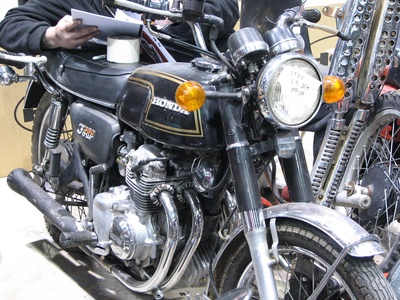
Honda CB350
Lightweight 325cc twin (SOHC) standard bike prized for nimble handling and fuel efficiency; the 1973 CB350 remained a common commuter and beginner-friendly machine with simple mechanics and broad international sales.
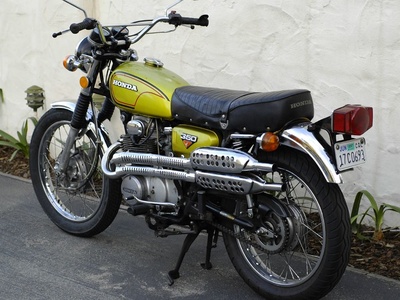
Honda CL350
Scrambler-style 325cc parallel-twin with raised exhausts and light off-road capability; the 1973 CL350 offered a practical blend of street comfort and dirt-road fun, marketed to riders wanting versatility in a compact package.
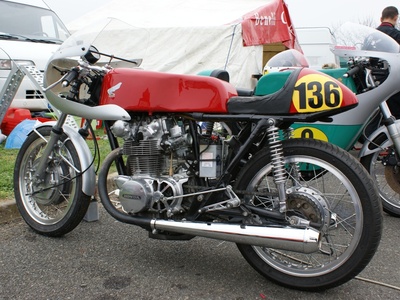
Honda CB450
Sporty 444cc twin with overhead cams and a distinctive top-end punch for its era; the 1973 CB450 continued as Honda’s larger twin offering, known for strong midrange, dependable engineering, and approachable ergonomics.
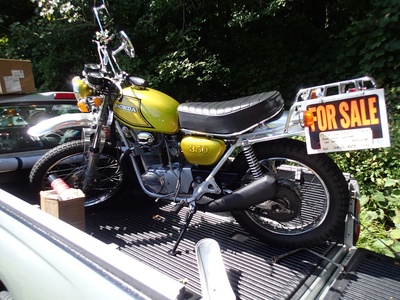
Honda SL350
Trail-focused 325cc single/twin-based scrambler with raised exhaust and tall suspension; the 1973 SL350 was aimed at recreational off-road riders seeking a street-legal, lightweight trail motorcycle that handled farm roads and light trails.
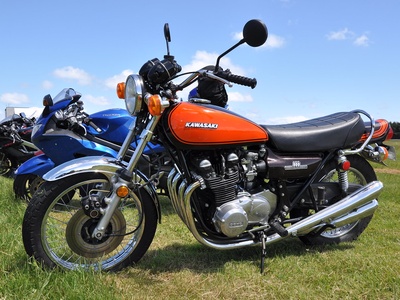
Kawasaki Z1 900
Landmark 903cc air-cooled inline-four delivering muscle and top-end speed; the 1973 Z1 was Kawasaki’s flagship superbike, celebrated for high horsepower, heavy torque, and strong U.S. showroom presence as a performance benchmark.
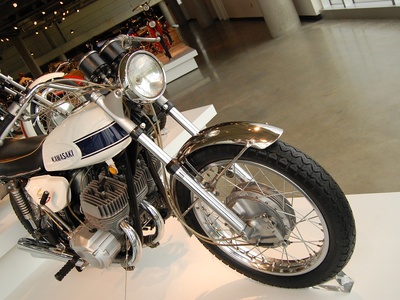
Kawasaki H1 500 Mach III
Two-stroke 500cc triple known for explosive power and light handling; the 1973 H1 Mach III offered thrilling acceleration and a lively character, popular with sport riders despite twitchy manners and high maintenance needs.
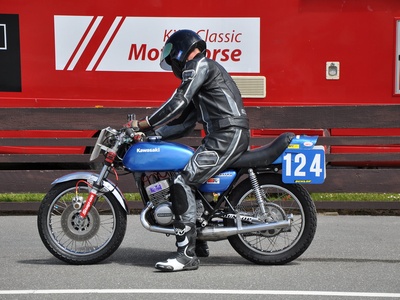
Kawasaki S2 350
Two-stroke 350cc triple sports bike with aggressive power delivery and lightweight chassis; the 1973 S2 appealed to enthusiasts seeking race-inspired performance from a compact, road-going machine.
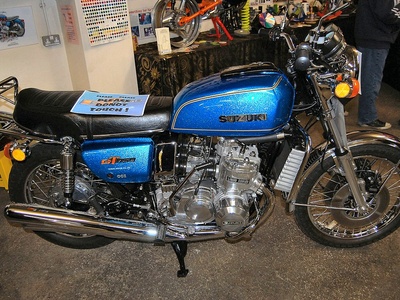
Suzuki GT750
Water-cooled two-stroke 739cc triple nicknamed the “Water Buffalo,” offering torquey midrange and smooth running; the 1973 GT750 was Suzuki’s upscale touring two-stroke, notable for liquid cooling and comfortable long-distance capability.
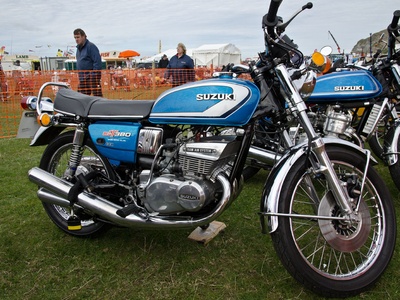
Suzuki GT380
Three-cylinder two-stroke 371cc with lively revs and strong midrange; the 1973 GT380 was a practical lightweight roadster that balanced spirited performance with everyday usability and broad global sales.
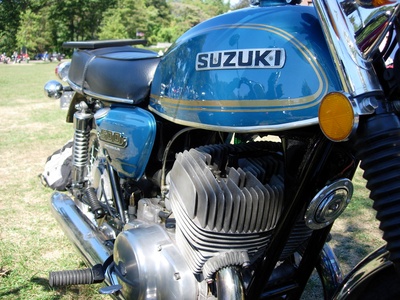
Suzuki T500 Titan
Robust 492cc two-stroke twin combining tractable power with simple engineering; the 1973 T500 Titan was a reliable mid-size road bike favored for affordability, easy maintenance, and decent highway ability.
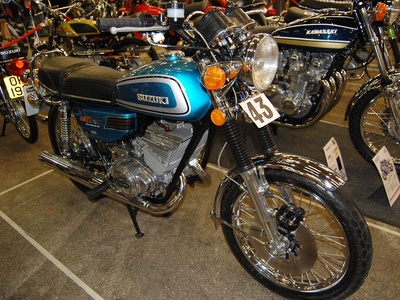
Suzuki GT250
Peppy 247cc two-stroke twin offering enthusiastic performance in a compact package; the 1973 GT250 was popular among younger riders seeking sporty handling and affordable ownership with a distinctive two-stroke sound.
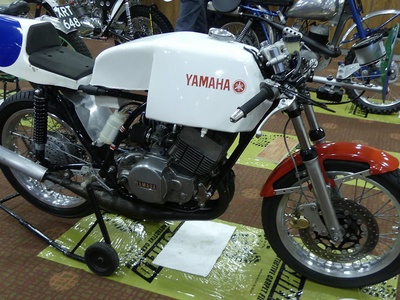
Yamaha RD350
Lightweight 347cc two-stroke twin known for brisk acceleration and race-bred character; the 1973 RD350 was a favorite among sport riders for its lively performance, nimble handling, and strong aftermarket tuning potential.
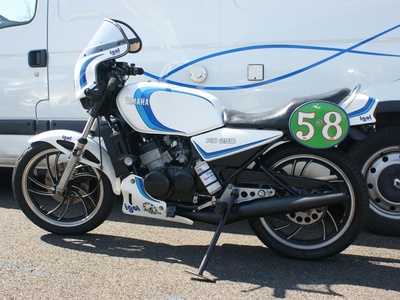
Yamaha RD250
Compact 250cc two-stroke sporting twin delivering eager performance and sharp handling; the 1973 RD250 provided an accessible sporty ride with two-stroke punch and a reputation for fun, short-hop riding.
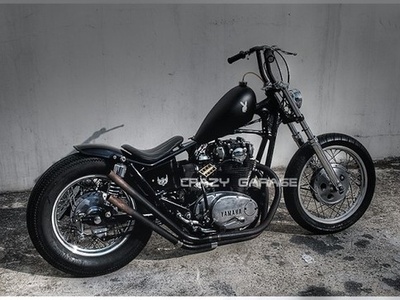
Yamaha XS650
Air-cooled 654cc SOHC parallel-twin offering torquey, classic British-like character in Japanese reliability; the 1973 XS650 was a versatile standard bike praised for tunability and enduring mechanical simplicity.

Yamaha DT250
Two-stroke 250cc enduro/trail bike blending off-road capability with street-legal practicality; the 1973 DT250 was aimed at recreational riders wanting light, nimble performance on trails and roads.
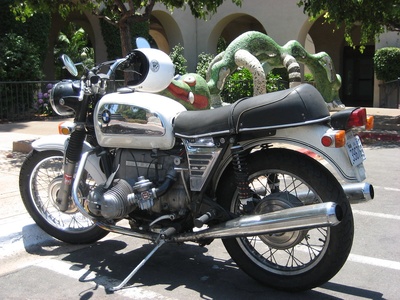
BMW R75/5
Air-cooled 750cc boxer twin with shaft drive and user-friendly touring manners; the 1973 R75/5 was part of BMW’s /5 series, known for rugged reliability, comfortable long-distance cruising, and simple servicing.
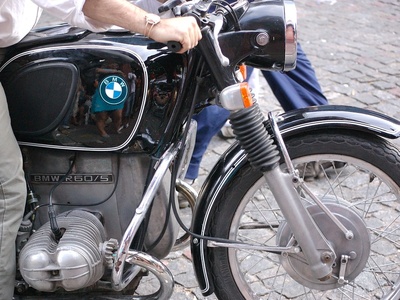
BMW R60/5
Durable 600cc boxer twin with shaft drive and relaxed ergonomics; the 1973 R60/5 provided dependable touring performance and became a staple for riders valuing longevity and easy maintenance.
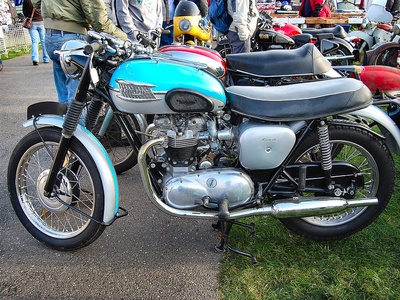
Triumph Bonneville T120
Classic 744cc parallel-twin with traditional British styling and character; the 1973 Bonneville T120 continued as an iconic roadster, prized for its looks and tunable motor despite increasing competition from Japanese rivals.
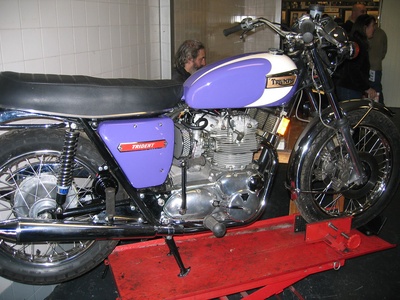
Triumph Trident 750
Three-cylinder 740cc inline‑triple produced by Triumph (and related BSA models), offering strong midrange and distinctive sound; the 1973 Trident competed with larger fours, notable for its unique triple configuration and sporting intent.
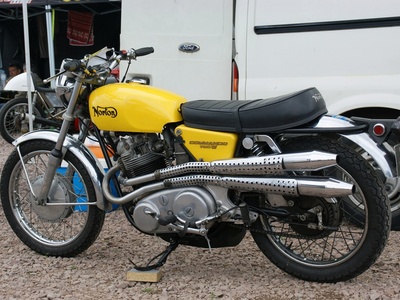
Norton Commando 750
Torque-rich 748cc parallel-twin with isolastic frame designed to reduce vibration; the 1973 Commando blended performance and touring comfort, earning acclaim for handling while remaining a classic British heavyweight.
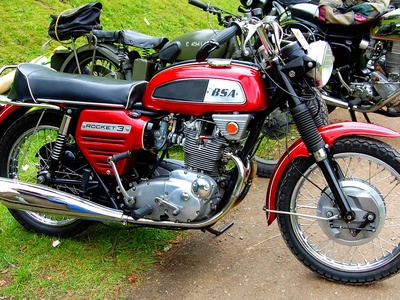
BSA Rocket 3
Three-cylinder 740cc inline-triple sold as a BSA product (sister to Triumph Trident); the 1973 Rocket 3 delivered smooth power and classic British character but faced financial woes as production wound down.
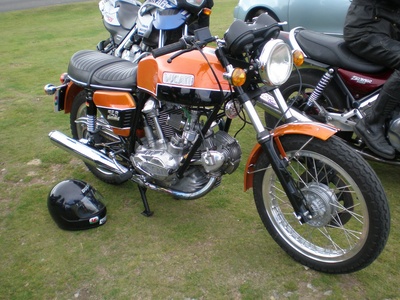
Ducati 750 GT
Air-cooled 748cc L-twin with belt-driven desmodromic valves (in some versions) and sporty ergonomics; the 1973 750 GT offered Italian flair, strong touring-sport performance, and collectible appeal among vintage enthusiasts.
Ducati 350 Mark 3
Single-cylinder 350cc SOHC (Desmo variants exist) classic Ducati with sporting intent; the 1973 350 Mark 3 combined tractable power, lightweight handling, and period racing heritage in a usable roadster.
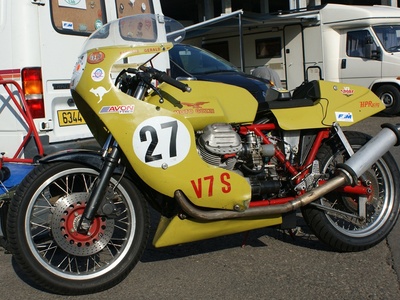
Moto Guzzi V7 Sport
Transverse V-twin 744cc with shaft drive and sporty chassis; the 1973 V7 Sport was praised for its distinctive engine character, touring ability, and handsome Italian styling that made it sought-after by enthusiasts.
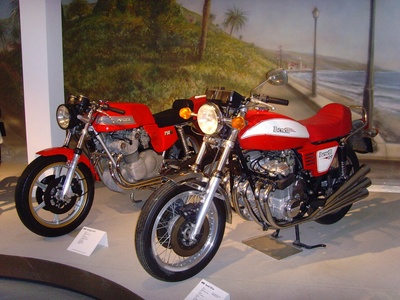
MV Agusta 750 S
Refined 789cc inline-four superbike with race-bred engineering and high-spec components; the 1973 MV Agusta 750 S was an exotic, performance-focused Italian production model valued for its prestige and road-racing pedigree.
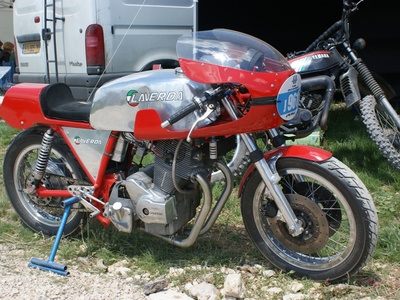
Laverda 750 SF
Robust 750cc straight-three offering muscular power and rugged engineering; the 1973 Laverda 750 SF was a durable sporting machine with a reputation for reliability and strong torque in real-world riding.
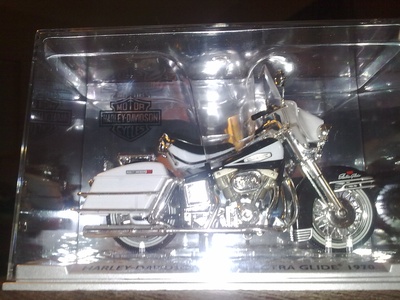
Harley-Davidson FLH Electra Glide
Big-twin 1,200cc V-twin touring machine with classic Harley styling, large fairing and luggage options; the 1973 Electra Glide was marketed for long-distance comfort and heavy-duty cruising on American roads.
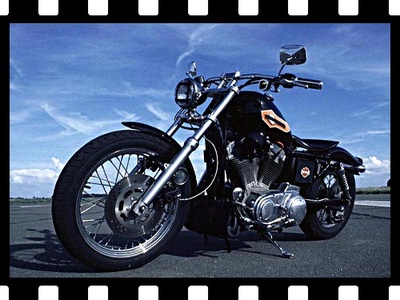
Harley-Davidson Sportster XLH
Air-cooled 883cc Evolution-style Sportster twin (Sportster lineage) offering nimble cruiser dynamics and customizing potential; the 1973 Sportster appealed to riders seeking a lighter Harley with strong aftermarket support and style.
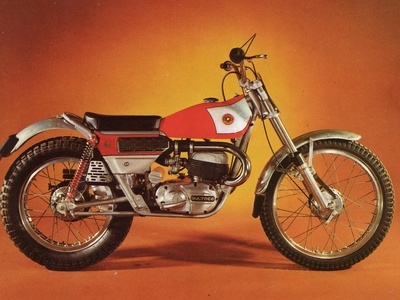
Bultaco Sherpa T 250
Lightweight 247cc two-stroke trials bike famed for its balance, low seat height, and competition success; the 1973 Sherpa T was a defining production trials machine used by champions and recreational trialists worldwide.
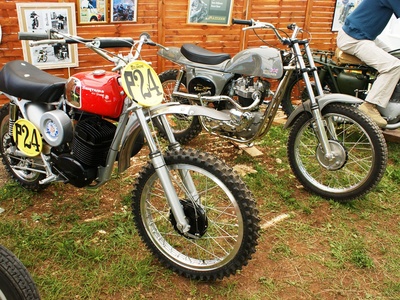
Husqvarna 400 Cross
Two-stroke 400cc motocross/enduro model with robust suspension and lightweight chassis; the 1973 Husqvarna 400 catered to competitive off-road riders seeking nimble handling and proven race-bred components.
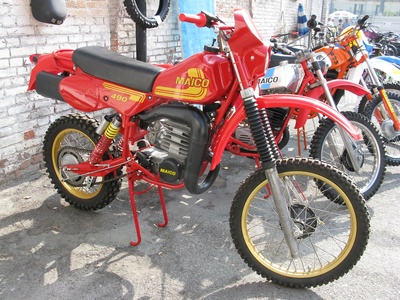
Maico 490
High-performance two-stroke 490cc enduro/motocross bike known for strong torque and sharp handling; the 1973 Maico 490 was a favorite among riders wanting competitive off-road capability from a production machine.
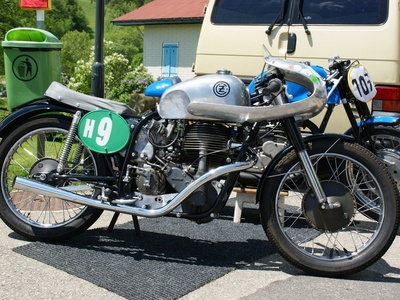
CZ 250
Two-stroke 250cc single produced by ČZ for motocross and enduro competition; the 1973 CZ 250 was a production racer sold to privateers and enthusiasts, celebrated for ruggedness and competitive performance.
Jawa 350/634
Durable 350cc twin with shaft/chain variations offering practical, no-nonsense transportation; the 1973 Jawa 350 remained common in Eastern Europe and export markets for its simplicity and affordability.