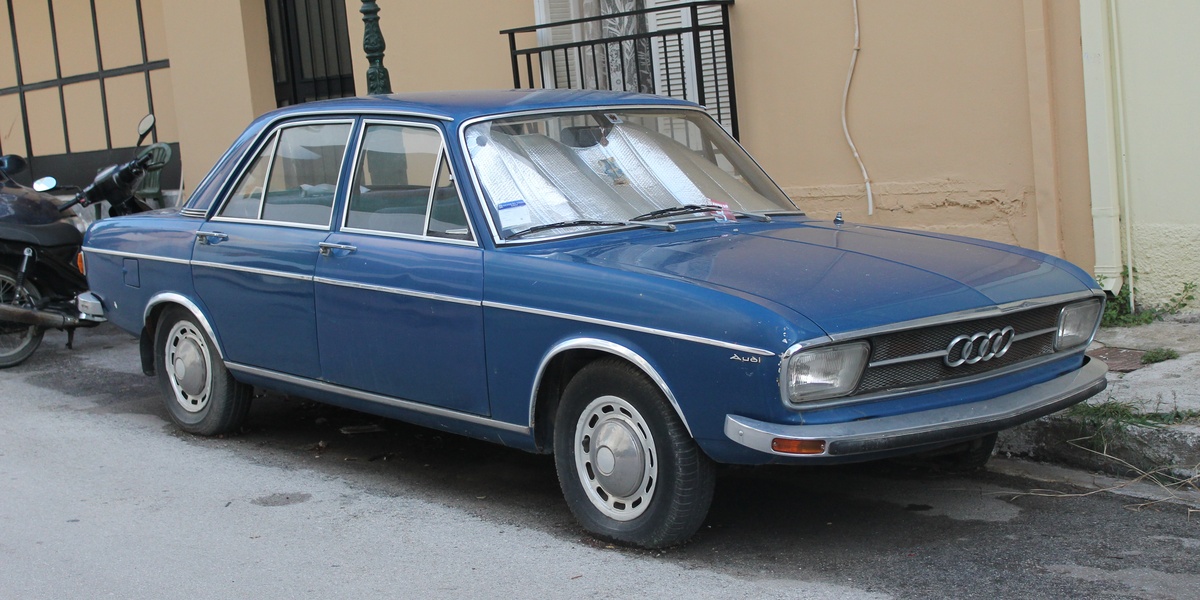
European streets in the 1970s were a mix of compact coupes, practical saloons and early estate designs, and Audi played a clear role in that shift. Whether you’re a collector, restorer or just curious about period models, a concise list helps cut through decades of trim levels and engine codes.
There are 11 1970s Audi Models, ranging from the Audi 100 (C1) to the Audi Super 90. For each entry, data is organized under Production years, Body style(s), Engine options (kW) so you can compare quickly by era, layout and power — you’ll find these details below.
Which of these 1970s Audis is easiest to restore or find parts for?
The more common models like the Audi 100 (C1) and Super 90 tend to have better parts availability because they were produced in higher numbers and share components with other Volkswagen Group cars; rarer coupés and special trims will require more hunting for NOS or good-condition used parts, and restoration cost rises accordingly.
How different are the engine options across the list?
Engine choices in the 1970s Audi lineup range from modest four-cylinders to higher-output variants; the table’s Engine options (kW) column highlights power differences so you can quickly spot which models offered more performance versus those focused on economy and daily use.
1970s Audi Models
| Model | Production years | Body style(s) | Engine options (kW) |
|---|---|---|---|
| Audi 60 | 1970–1972 | sedan | 33 kW |
| Audi 75 | 1970–1972 | sedan | 44 kW |
| Audi Super 90 | 1970–1972 | sedan | 66 kW |
| Audi 80 (F103) | 1970–1972 | sedan | 44 kW;55 kW |
| Audi 80 (B1) | 1972–1978 | sedan;coupe | 44 kW;55 kW;66 kW |
| Audi Fox | 1973–1975 | sedan | 44 kW;55 kW |
| Audi 50 | 1974–1978 | hatchback | 29 kW;37 kW |
| Audi 100 (C1) | 1970–1976 | sedan;coupe | 55 kW;66 kW;81 kW |
| Audi 100 Coupé S | 1970–1976 | coupe | 66 kW;81 kW |
| Audi 100 (C2) | 1976–1979 | sedan;coupe | 55 kW;66 kW;85 kW |
| Audi 100 Avant | 1977–1979 | wagon/estate | 55 kW;66 kW;85 kW |
Images and Descriptions
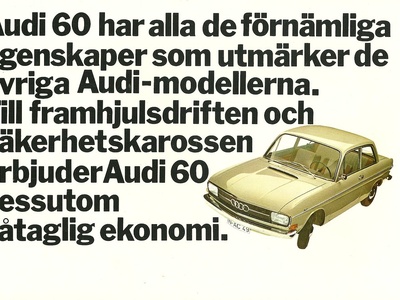
Audi 60
Small, economical member of the F103 family sold in Europe; 1.1‑litre engine, simple sedan layout. Popular as an affordable daily driver and modestly collectible for fans of early post‑war Audis.
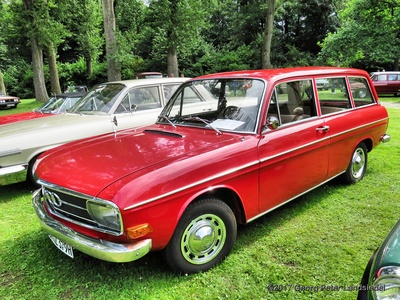
Audi 75
Mid‑range F103 model with a 1.5‑litre engine offering more performance than the 60. Sold across Europe, it bridged economy and comfort and is sought by collectors who like compact classic Audis.

Audi Super 90
Top F103 variant with a higher‑output 1.8‑litre engine (Super 90). Noted for stronger performance and better trim, it represents the sportier end of early 1970s Audi offerings.
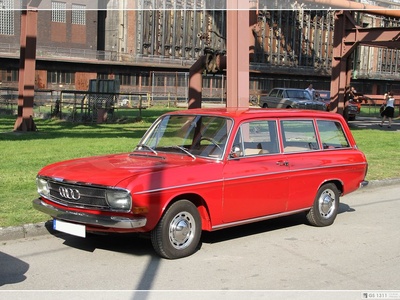
Audi 80 (F103)
Early Audi 80 name used on late F103 variants before the B1 generation. Offered with modest 1.5–1.6‑litre engines, it was a compact family car popular in European markets.
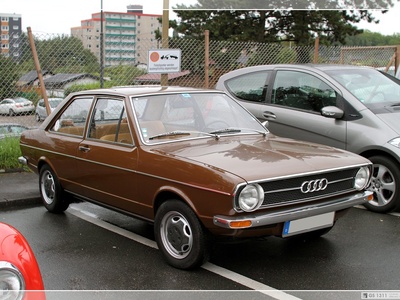
Audi 80 (B1)
Second‑generation compact Audi introduced in 1972 with tidy styling and multiple engines. Known for solid build, it formed the basis for later global Audi growth and inspired the US “Fox” model.
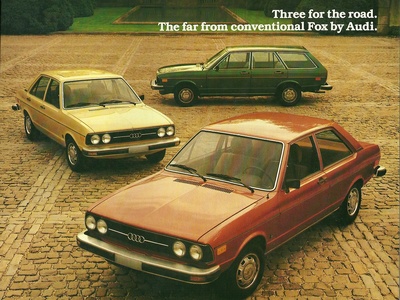
Audi Fox
US market name for the Audi 80 (B1). Sold as a compact, well‑built importer alternative to mainstream American cars. Notable as Audi’s early attempt to break into the US small‑car segment.
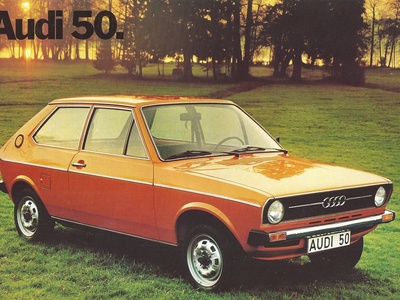
Audi 50
Tiny three‑door hatch introduced by Audi in 1974 that later formed the basis of the Volkswagen Polo. Economical city car, now a niche classic for compact‑car enthusiasts.
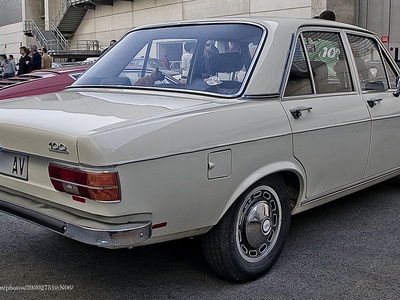
Audi 100 (C1)
Larger executive saloon introduced in the late 1960s and sold through mid‑1970s. Available as a roomy sedan and the sporty Coupé S; praised for comfortable ride and strong markets in Europe.

Audi 100 Coupé S
Two‑door coupe version of the 100 with distinct styling and more powerful engines. A desirable period GT with attractive lines, collectible for buyers seeking a stylish 1970s Audi.
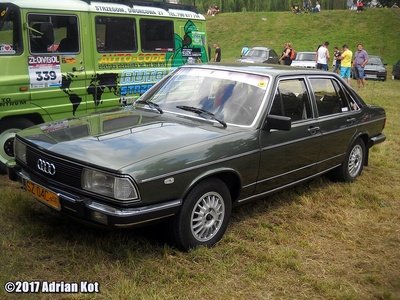
Audi 100 (C2)
Second‑generation 100 introduced in 1976 with modernized design and improved aerodynamics. Sold across Europe with a range of four‑cylinder engines; marked Audi’s move toward more refined executive cars.
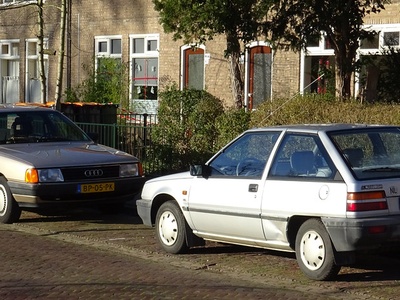
Audi 100 Avant
Estate (Avant) variant of the C2 100 arriving in the late 1970s. Combined practical cargo space with the 100’s comfort, gaining popularity with families and collectors who value period estates.