The 1960s transformed motorcycling worldwide as manufacturers experimented with smaller, more reliable bikes that opened riding to a broader audience. Yamaha moved quickly from building simple engines to offering a lineup that balanced commuter needs with emerging off-road interests.
There are 12 1960s Yamaha Motorcycles, ranging from the trail-ready DT-1 to the commuter-focused YS-1 series. For each model the list shows Years produced, Displacement (cc), Engine type so you can compare era, size and layout; you’ll find below.
Which 1960s Yamaha model is easiest for a new rider to start with?
Look for smaller-displacement machines in the YS-1 range or similar 125–175cc models — they’re lighter, lower-powered and simpler to maintain than larger bikes. Inspect frame condition, brakes and tires, and be prepared for basic mechanical work if the bike hasn’t been restored.
How hard is it to find parts and support for these vintage Yamahas?
Availability varies: popular models like the DT-1 benefit from aftermarket reproductions and donor parts, while rarer YS-1 components may require searching salvage yards, specialist suppliers or owner clubs. Online forums and vintage parts networks are often the quickest route to obscure items.
1960s Yamaha Motorcycles
| Model | Years produced | Displacement (cc) | Engine type |
|---|---|---|---|
| DT-1 | 1968–1975 | 250 | 2-stroke single |
| RD56 | 1961–1965 | 250 | 2-stroke twin |
| RD48 | 1959–1962 | 250 | 2-stroke twin |
| YDS-1 | 1962–1964 | 250 | 2-stroke twin |
| YDS-3 | 1964–1967 | 250 | 2-stroke twin |
| YM-1 | 1963–1966 | 250 | 2-stroke single |
| YG-1 | 1960–1965 | 125 | 2-stroke single |
| YL-1 | 1965–1968 | 125 | 2-stroke twin |
| RA41 | 1963–1969 | 125 | 2-stroke single |
| YA-1 (successors/YB series) | 1960–1964 | 125 | 2-stroke single |
| YS-1 series | 1961–1967 | 175 | 2-stroke single |
| YC-1 | 1966–1969 | 90 | 2-stroke single |
Images and Descriptions

DT-1
Pioneering factory dual-sport introduced in 1968; lightweight 250cc two-stroke that launched modern off-road/dual-purpose bikes and became hugely popular in the U.S. and worldwide.
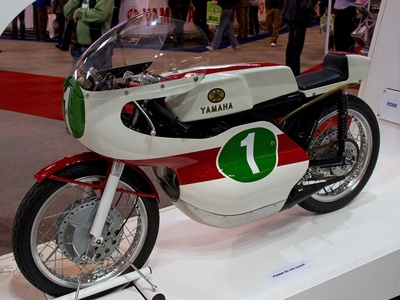
RD56
Yamaha’s 250cc Grand Prix racing machine of the early 1960s; a purpose-built two-stroke twin that helped establish Yamaha as an international racing contender.
RD48
An earlier Yamaha 250cc GP racer that led to rapid development of Yamaha’s two-stroke racing technology in the early 1960s.
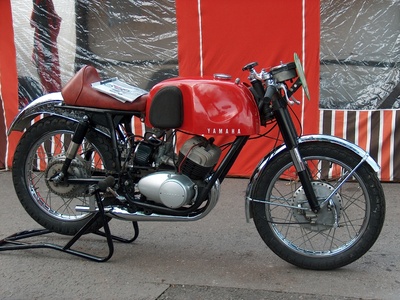
YDS-1
Early mid-1960s street twin aimed at riders wanting more performance; a 250cc two-stroke used in Europe and Japan as a sporty commuter and touring option.
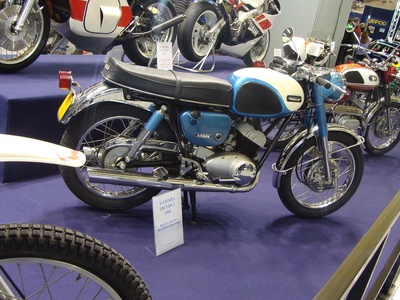
YDS-3
Refinement of Yamaha’s mid-1960s 250 twin line; known for sporty character and role as a foundation for later road and race models.
YM-1
Mid-size two-stroke single marketed in the 1960s for general transportation and light touring; commonly seen in domestic Japanese and some export markets.
YG-1
Small-capacity commuter popular in Japan and Europe; simple, economical 125cc two-stroke that introduced many riders to Yamaha.
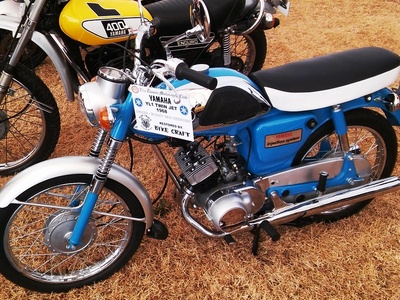
YL-1
Compact 125cc twin sold in several export markets in the mid-1960s; light, affordable and notable as one of Yamaha’s small-capacity twin offerings.
RA41
Factory 125cc Grand Prix racer used through the mid-1960s; showcased Yamaha’s growing two-stroke race program in lightweight classes.
YA-1 (successors/YB series)
Small-displacement road and commuter models evolving from Yamaha’s early singles; common in Japan and select export markets during the early 1960s.
YS-1 series
Yamaha’s 175cc class singles from the 1960s; balanced between economy and usable street performance in domestic and export lineups.
YC-1
Very small-capacity commuter introduced in the late 1960s for tight urban markets; simple, lightweight and easy to ride for short trips.