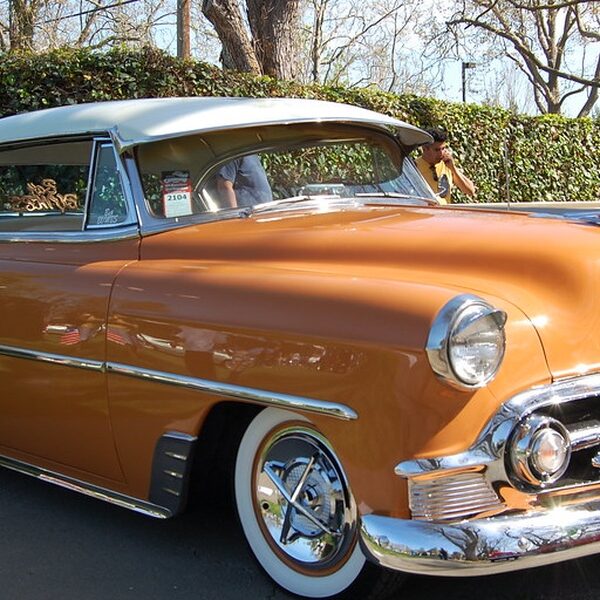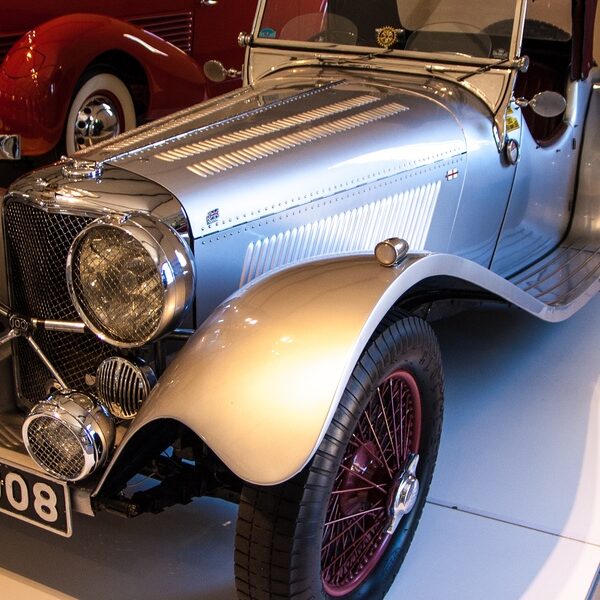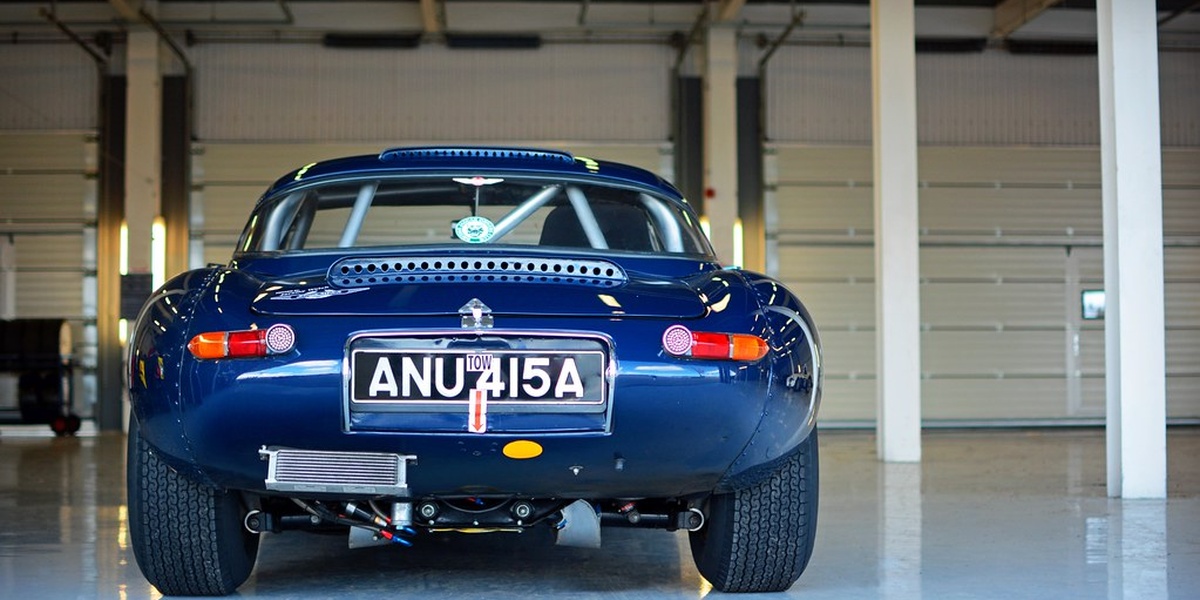
The 1960s rewired the map of performance — winding European mountain roads, American drag strips and seaside rallies all pushed makers to build lighter, faster two-seat machines. That decade mixed purpose-built race cars and stylish roadsters, so a single list can show how design and engineering spread across countries and classes.
There are 52 1960s sports cars, ranging from the AC Cobra 289 to the Triumph TR5. For each entry you’ll find below Years,Engine (L, layout),Power (hp) so you can compare era, displacement/layout and rated output at a glance — from big-block V8s to compact twin-cams — and see the full range of models you’ll find below.
Which cars from this list are practical to drive today?
Practicality depends on your goals: travel and reliability favor models with simpler electrics and readily available parts (early Porsches, some Triumphs), while high-performance icons like the AC Cobra require more maintenance and expense; inspect parts availability, insurance and whether you want original or upgraded running gear.
How accurate are the Years, Engine and Power figures in the table?
Figures are drawn from factory specs and period documentation; for many cars there are known variations (mid-year updates, detuned exports, racing cams), so treat listed values as typical factory numbers and verify specific chassis records if precise build or race history matters.
1960s Sports Cars
| Model | Years | Engine (L, layout) | Power (hp) |
|---|---|---|---|
| Jaguar E-Type | 1961–1969 | 3.8 L I6 front | 265 |
| AC Cobra 289 | 1962–1966 | 4.7 L V8 front | 271 |
| AC Cobra 427 | 1965–1967 | 7.0 L V8 front | 425 |
| Shelby Mustang GT350 | 1965–1969 | 4.7 L V8 front | 306 |
| Ford GT40 | 1964–1969 | 4.7–7.0 L V8 mid | 350 |
| Chevrolet Corvette C1 | 1960–1962 | 4.6 L V8 front | 230 |
| Chevrolet Corvette C2 (Sting Ray) | 1963–1967 | 5.4 L V8 front | 360 |
| Chevrolet Corvette C3 | 1968–1969 | 7.0 L V8 front | 400 |
| Porsche 356 | 1960–1965 | 1.6 L F4 rear | 90 |
| Porsche 911 (early) | 1964–1969 | 2.0 L F6 rear | 130 |
| Porsche 904 Carrera GTS | 1964–1965 | 2.0 L flat-4 mid | 180 |
| Ferrari 250 GTO | 1962–1964 | 3.0 L V12 front | 300 |
| Lamborghini Miura | 1966–1969 | 3.9 L V12 mid | 350 |
| Iso Grifo | 1965–1969 | 4.7 L V8 front | 335 |
| De Tomaso Vallelunga | 1964–1967 | 1.5 L I4 mid | 98 |
| Lotus Elan | 1962–1969 | 1.6 L I4 front | 118 |
| Lotus Seven | 1960–1969 | 1.5–1.6 L I4 front | 93 |
| Sunbeam Alpine | 1961–1968 | 1.6 L I4 front | 80 |
| Austin-Healey 3000 (BN7/BJ8) | 1960–1967 | 3.0 L I6 front | 150 |
| MG MGA | 1960–1962 | 1.6 L I4 front | 90 |
| MG MGB | 1962–1969 | 1.8 L I4 front | 95 |
| Triumph TR4 | 1961–1965 | 2.1 L I4 front | 104 |
| Triumph TR4A | 1965–1967 | 2.1 L I4 front | 105 |
| Triumph TR5 | 1967–1968 | 2.5 L I4 front | 150 |
| Triumph TR250 | 1968–1969 | 2.5 L V8 front | 111 |
| Mercedes-Benz 190SL | 1960–1963 | 1.9 L I4 front | 105 |
| Alfa Romeo Spider (Duetto) | 1966–1969 | 1.6 L I4 front | 109 |
| Fiat 124 Sport Spider | 1966–1969 | 1.4 L I4 front | 90 |
| Datsun Fairlady (SPL311) | 1963–1969 | 1.6 L I4 front | 96 |
| Datsun 240Z | 1969–1969 | 2.4 L I6 front | 151 |
| Toyota Sports 800 | 1965–1969 | 0.8 L H2 rear | 45 |
| Honda S600 | 1964–1966 | 0.6 L I4 front | 57 |
| Honda S800 | 1966–1969 | 0.8 L I4 front | 70 |
| Sunbeam Tiger | 1964–1967 | 4.2 L V8 front | 164 |
| TVR Grantura | 1960–1967 | 1.6–2.0 L I4 front | 110 |
| TVR Griffith 200 | 1964–1967 | 4.7 L V8 front | 200 |
| Morgan Plus 4 | 1960–1969 | 2.0 L I4 front | 100 |
| Alpine A110 | 1963–1969 | 1.1–1.6 L I4 rear | 125 |
| Renault Floride/Caravelle | 1960–1968 | 1.1–1.3 L I4 front | 60 |
| Iso Grifo A3/L (variation) | 1965–1969 | 5.4 L V8 front | 335 |
| Ferrari Dino 206/246 | 1967–1969 | 2.0–2.4 L V6 front | 180 |
| Opel GT | 1968–1969 | 1.1–1.9 L I4 front | 90 |
| Fiat 850 Spider | 1965–1969 | 0.85 L I4 rear | 52 |
| Saab Sonett II | 1966–1969 | 1.5 L I4 front | 65 |
| Ginetta G4 | 1961–1968 | 1.0–1.5 L I4 front | 90 |
| Porsche 356 Carrera/Super variants | 1960–1965 | 1.6 L F4 rear | 95 |
| Shelby Cobra 427 Continuation (late 60s assembled) | 1967–1969 | 7.0 L V8 front | 425 |
| Iso Rivolta IR 300 | 1962–1969 | 3.0 L V6 front | 240 |
| De Tomaso Mangusta (late 1960s development) | 1967–1969 | 4.7 L V8 mid | 306 |
| Abarth 850/1000 Zagato (sport compacts) | 1960–1969 | 0.8–1.0 L I4 front | 52 |
| Iso A3/C (race-bred roadcar) | 1965–1969 | 5.4 L V8 front | 300 |
| Lancia Fulvia Sport (Zagato) | 1965–1969 | 1.2–1.3 L V4 front | 80 |
Images and Descriptions
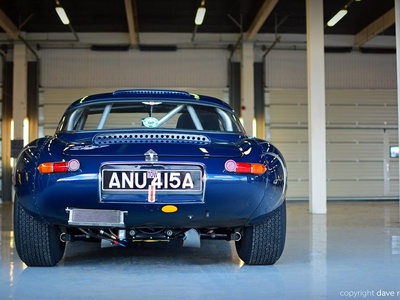
Jaguar E-Type
Iconic British sports car famed for stunning styling and race-capable performance. Early Series 1 3.8 produced 265 hp; about 72,000 E-Types made. Highly collectible for design, driving feel and period-correct examples at major auctions.
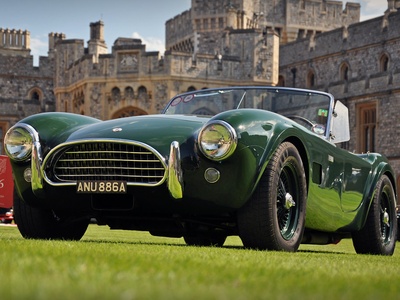
AC Cobra 289
Lightweight British chassis with a Ford 289 V8 fitted by Carroll Shelby; blistering acceleration and racing pedigree. Limited production makes original 289 Cobras highly sought after by collectors and vintage racers.
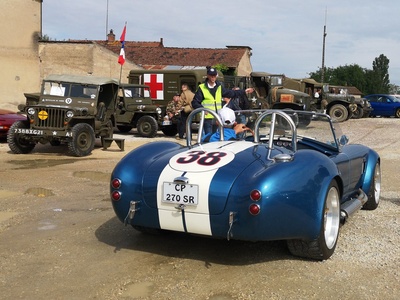
AC Cobra 427
The big-block Cobra paired a stout 427 V8 with a nimble chassis for brutal straight-line speed. Very low production numbers and legend make genuine 427 Cobras among the most valuable 1960s road cars.
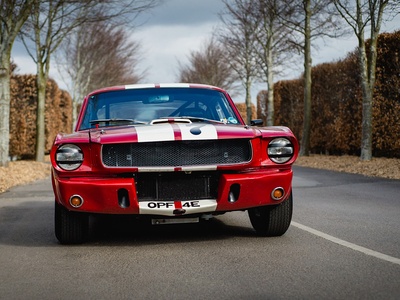
Shelby Mustang GT350
Shelby-tuned Mustang metamorphosed into a lightweight, track-capable road car with 306 hp and racing upgrades. Limited, performance-focused variants are prized by collectors and often command strong prices at auction.
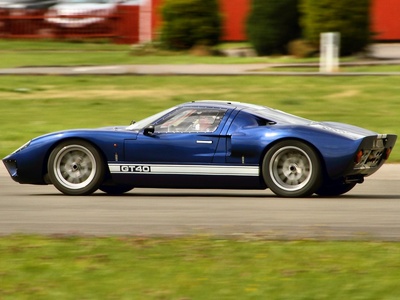
Ford GT40
Purpose-built to beat Ferrari at Le Mans, the GT40 combined a mid-engine V8 with racing DNA. Road-legal examples and homologation cars were produced in small numbers; history and rarity make them ultra-collectible.
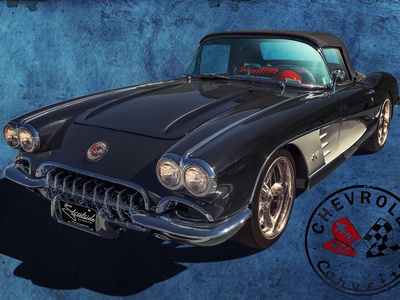
Chevrolet Corvette C1
Early 1960s Corvette C1s evolved with more powerful V8s and classic American styling. Collector interest centers on well-preserved examples and factory options; front-engine V8 layout gives traditional American sports-car character.
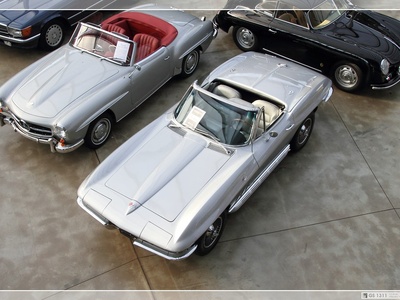
Chevrolet Corvette C2 (Sting Ray)
Groundbreaking Sting Ray with independent rear suspension and aggressive styling; available with high-output V8s producing up to ~360 hp. A 1960s American sports icon, highly desirable to collectors.
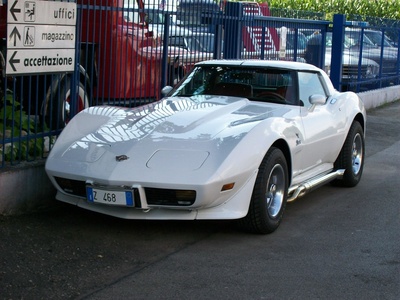
Chevrolet Corvette C3
New-for-1968 C3 introduced radical styling and powerful big-block V8 options. Early C3s with high-performance engines and factory options are increasingly collectible among American sports-car enthusiasts.
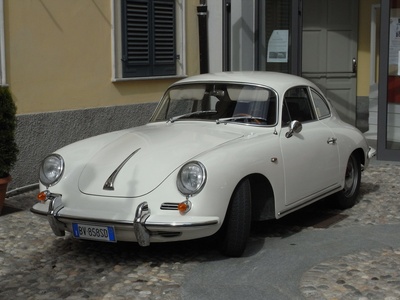
Porsche 356
Porsche’s early rear-engined sports car blended lightweight chassis and nimble handling. 356s through 1965 are cherished for purity and simplicity; rarity and provenance drive collector values, particularly early and special versions.
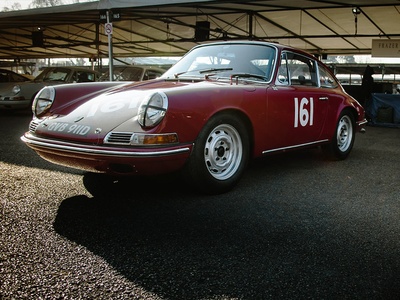
Porsche 911 (early)
Introduced in 1964 as Porsche’s new sportscar platform, early 911s feature an air-cooled flat-six and exceptional handling. Early 1960s examples are highly collectible for their driving dynamics and development-stage desirability.
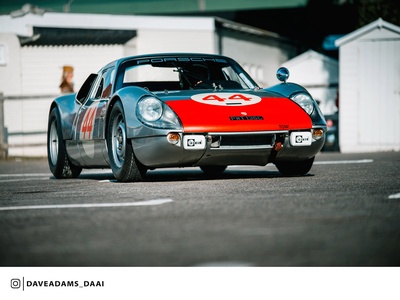
Porsche 904 Carrera GTS
A lightweight, mid-engined sports car built for racing homologation with limited road-legal examples. Known for sharp handling and race success; low production numbers make the 904 prized by collectors and racers.
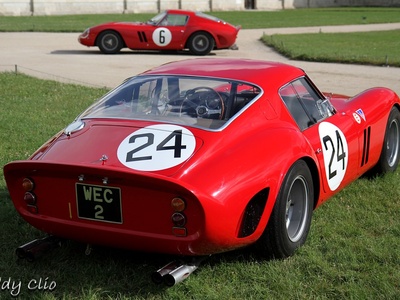
Ferrari 250 GTO
One of the most legendary 1960s sports racers, the 250 GTO combined Ferrari engineering, gorgeous coachwork and race dominance. Only 36 built; rarity and motorsport history make it among the most valuable cars in the world.
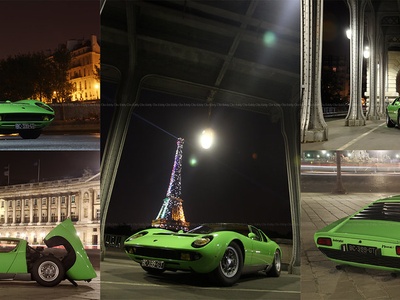
Lamborghini Miura
Mid-engine supercar that redefined exotic performance and styling. Early Miuras are celebrated for their pioneering layout and dramatic looks; 1960s production numbers were limited, making early cars highly collectible.
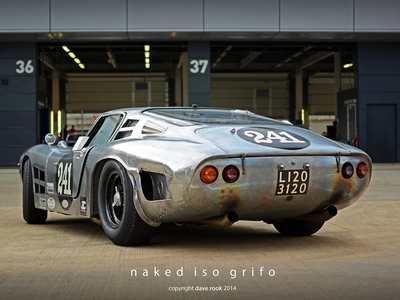
Iso Grifo
Italian GT-sport hybrid combining sleek coachwork with American V8 power for strong performance. Handbuilt and produced in small numbers, the Grifo is sought after by collectors who value style and muscle.
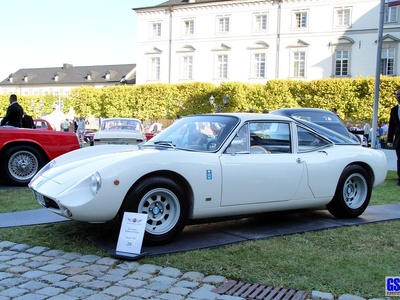
De Tomaso Vallelunga
Lightweight mid-engined prototype-turned-production sports car with Ford-derived engine and sporty handling. Low-volume Italian production and distinctive design make the Vallelunga interesting to niche collectors and enthusiasts.
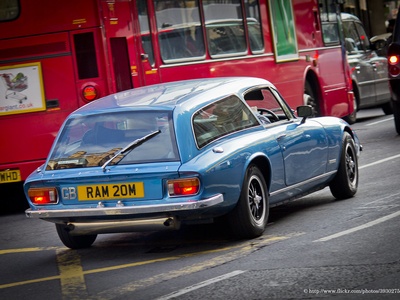
Lotus Elan
Small, lightweight British roadster famed for nimble handling and innovative fibreglass body. The Elan’s balance and driving feel made it an icon; well-preserved examples and original soft-top cars are collectible.
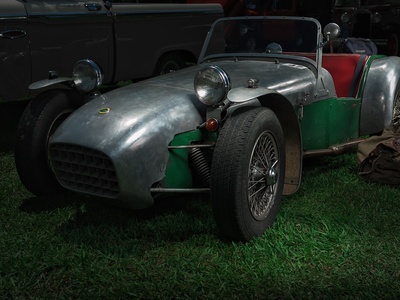
Lotus Seven
Minimalist, tuneable club-racer roadster emphasizing low weight and driver engagement. The Seven spawned numerous replicas and continues to be loved for simplicity and cornering prowess; original 1960s cars are prized.
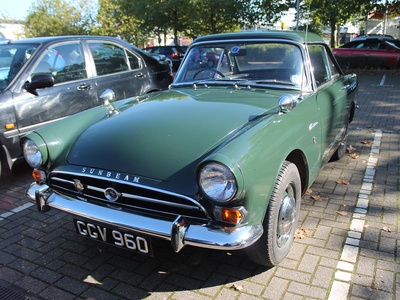
Sunbeam Alpine
Affordable British two-seat roadster with neat styling and sporting intent. Widely exported and relatively common, the Alpine is a practical entry-level classic that still appeals to restorers and collectors.
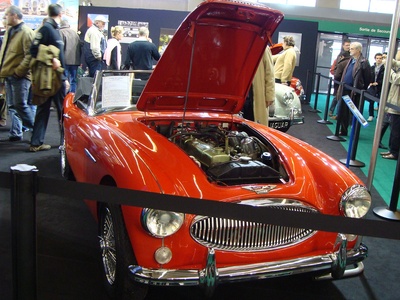
Austin-Healey 3000 (BN7/BJ8)
Robust British roadster with a strong racing and rally history; big-displacement inline-six gives lively performance. Production numbers are modest and the 3000 remains a staple of 1960s British sports-car collecting.
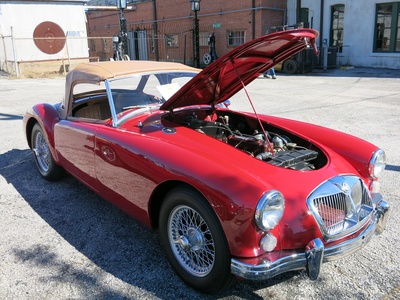
MG MGA
Stylish mid-century British roadster celebrated for classic looks and accessible performance. MGA production wound down in the early 1960s; well-preserved early examples are collectible for their period charm.
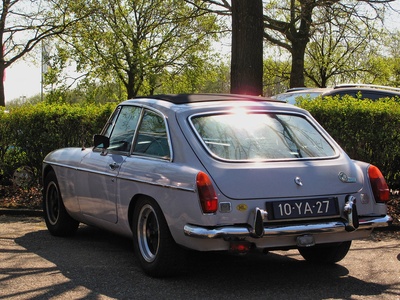
MG MGB
Successful, affordable British two-seater introduced in 1962 with durable mechanics and strong aftermarket support. Early MGBs with chrome bumpers are particularly collectible and popular with restorers and weekend drivers.
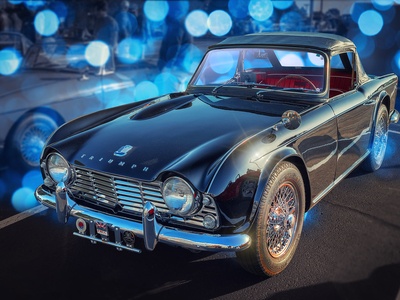
Triumph TR4
Modern-looking 1960s British roadster with improved chassis and independent rear suspension on later models. TR4s combined performance and comfort; desirable among classic British sports-car collectors for balance of style and usability.
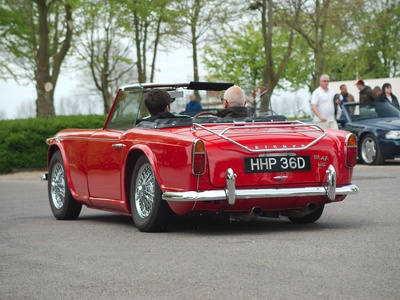
Triumph TR4A
Updated TR4 with independent rear suspension (IRS) and refined handling. The TR4A blends classic looks with improved ride and is collectible among enthusiasts seeking better road manners in a period roadster.
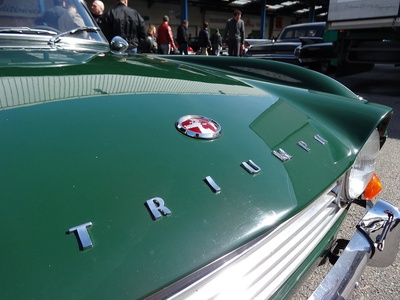
Triumph TR5
Limited-production British sports car with a high-revving DOHC 2.5L engine and strong performance in UK trim. Rare and mechanically interesting, the TR5 attracts collectors who prize its unique engineering and low numbers.
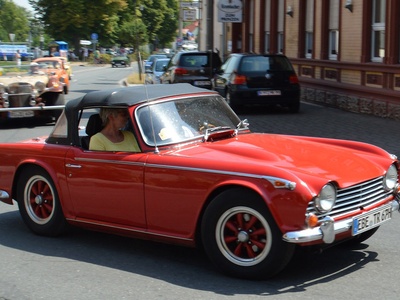
Triumph TR250
U.S.-market TR5 variant fitted with a pushrod V8 for emissions reasons, producing modest power but offering V8 torque. Rarer than other Triumphs and interesting to collectors for its transatlantic pedigree.
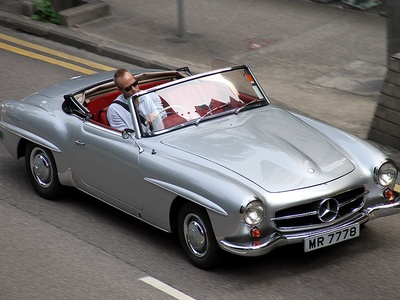
Mercedes-Benz 190SL
Elegant Mercedes roadster offering refined cruising and classic styling. Production tapered in the early 1960s; well-preserved examples with documented history are desirable among collectors of polished European classics.
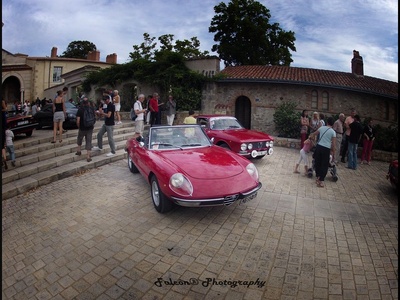
Alfa Romeo Spider (Duetto)
Pininfarina-styled Italian roadster made famous by style and enjoyable handling. Early Duetto examples (1966–1969) are loved for aesthetics and driving feel; originality and documented service history boost collectibility.
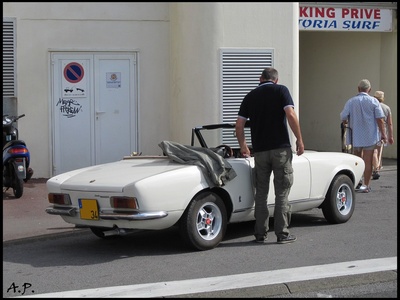
Fiat 124 Sport Spider
Affordable Italian two-seater with comfortable ergonomics and lively twin-cam engine. The 124 Spider’s usability and parts availability make it popular among classic-car restorers and buyers looking for an entry-level Italian roadster.
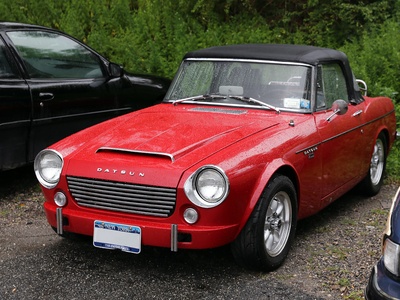
Datsun Fairlady (SPL311)
Japanese roadster that helped establish Datsun’s reputation for reliable sporting cars. Lightweight and fun to drive, the Fairlady is increasingly appreciated by collectors as classic Japanese motoring history.
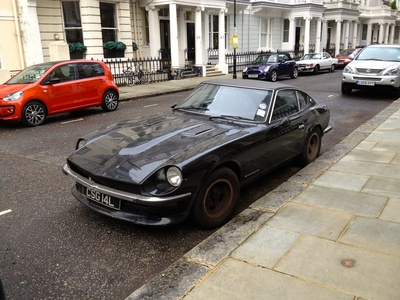
Datsun 240Z
Groundbreaking affordable Japanese sports coupe that combined performance, style and value. Introduced in 1969, the 240Z quickly became iconic; early Japanese-market examples are especially collectible.
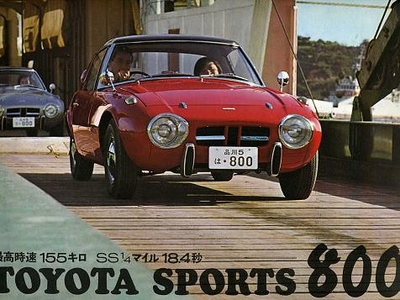
Toyota Sports 800
Ultra-lightweight Japanese sports coupe with a tiny horizontally opposed engine and excellent fuel economy. Low production numbers and quirky engineering make the Sports 800 a charming, collectible oddity from the era.

Honda S600
Tight, revvy little roadster notable for a high-revving chain-driven cam engine. The S600’s small production run and distinctive engineering attract collectors of early Japanese sports cars.
Honda S800
Bigger-engined successor to the S600 with similar sporting character and better performance. Relatively rare in many markets, the S800 is sought by enthusiasts who value early Honda mechanical ingenuity.
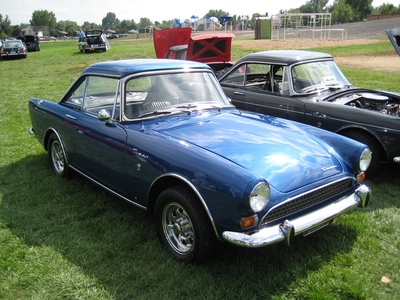
Sunbeam Tiger
British sports roadster fitted with a Ford V8 to create a muscle-boosted lightweight. Limited production and Shelby-related lore make the Tiger interesting to collectors who enjoy Anglo-American hybrids.
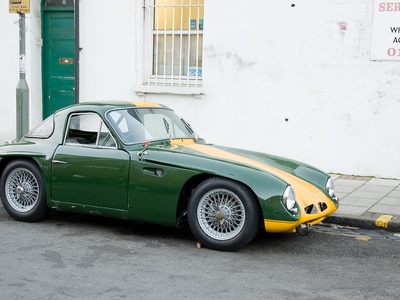
TVR Grantura
Early lightweight British sports car with various British engines and custom coachwork. Low-volume production and hand-built nature make period Granturas attractive to specialist collectors and club racers.
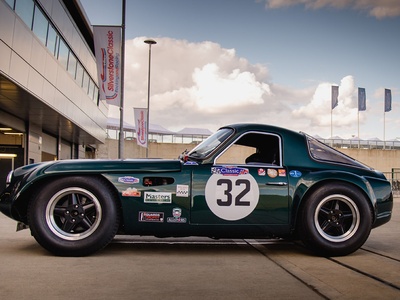
TVR Griffith 200
Handbuilt British sports car with American V8 power and strong performance credentials. Scarcity and raw driving character make the Griffith an appealing, if rare, 1960s collector’s choice.
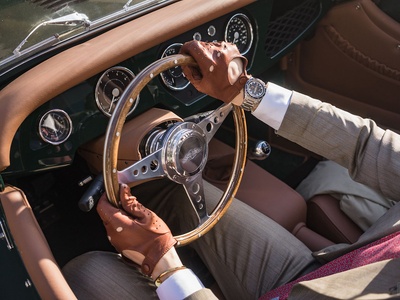
Morgan Plus 4
Traditional English roadster with ash-frame construction and classic looks. Slow production and timeless design sustain collectibility; Plus 4s from the 1960s are popular with traditionalist collectors.
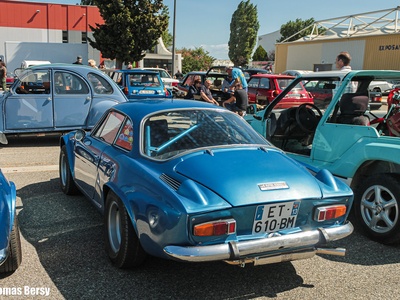
Alpine A110
French lightweight sports coupe celebrated for rally success and nimble handling. The A110’s motorsport pedigree and later recognition have driven collector interest in well-preserved 1960s examples.
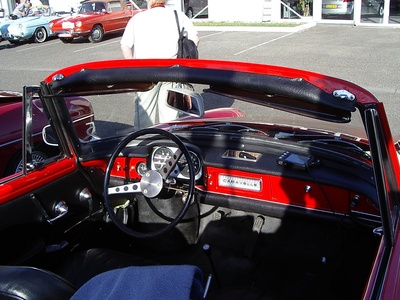
Renault Floride/Caravelle
Stylish French two-seat convertible marketed as a sporting car for continental cruising. Modest performance but attractive looks and period appeal make well-preserved Floride/Caravelles desirable to classic-car collectors.
Iso Grifo A3/L (variation)
Italian-American hybrid combining Italian coachwork with big-block V8 performance. Limited handbuilt numbers and striking design attract collectors who value exotic 1960s GT-sports crossover machines.
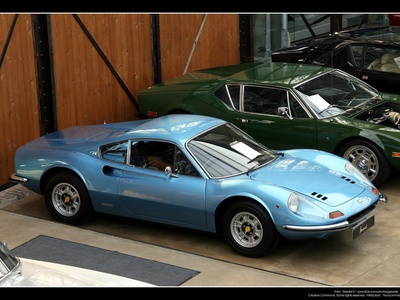
Ferrari Dino 206/246
Ferrari’s mid-engine V6 sports cars combined superb handling with beautiful coachwork. Early 206 examples are extremely rare; 246 models offer a good blend of usability and Ferrari provenance, appealing strongly to collectors.
Opel GT
Compact German sports coupe with expressive styling and affordable performance. Launched in 1968, early Opel GTs are collectible for their design and relative rarity outside Europe.
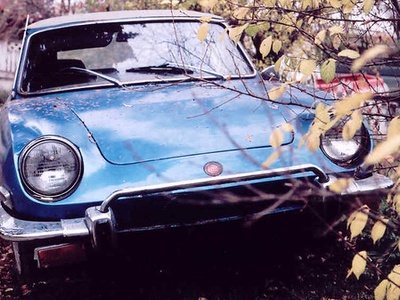
Fiat 850 Spider
Small, lightweight Italian convertible offering sprightly urban performance and charming looks. Relatively common historically but growing in appreciation as an inexpensive classic Italian sports car for restorers.
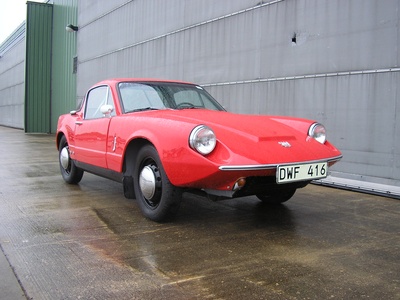
Saab Sonett II
Distinctive Swedish fibreglass sports car with compact packaging and unusual styling. Low production numbers and quirky character appeal to collectors of unique 1960s continental sports cars.
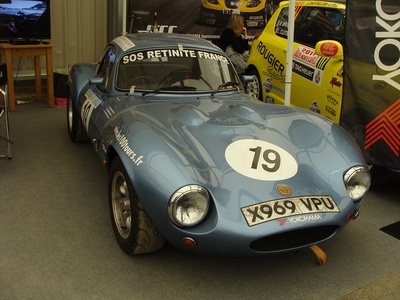
Ginetta G4
Lightweight British sports car built for club racing and road use, the G4 offers strong handling and low weight. Small production totals and racing history make it a specialist collector favorite.
Porsche 356 Carrera/Super variants
Higher-performance versions of the 356 combined reliable Porsche engineering with stronger engines and motorsport pedigree. Carrera models are particularly prized for rarity and performance upgrades.
Shelby Cobra 427 Continuation (late 60s assembled)
Late-production and continuation examples kept the 427 Cobra legend alive; authentic factory-era 427s remain exceptionally valuable, prized for provenance and unmatched performance of the era.
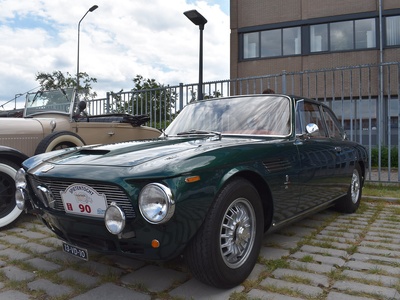
Iso Rivolta IR 300
Italian GT with elegant coachwork and a powerful engine, blending comfort and performance. While more GT than pure sports car, IR 300s marketed for sporty driving and attract collectors for style and exclusivity.
De Tomaso Mangusta (late 1960s development)
Striking mid-engine Italian sports car with aggressive styling and V8 power. Early Mangustas are noted for rarity and dramatic looks; they appeal to collectors of late-1960s exotic sports cars.
Abarth 850/1000 Zagato (sport compacts)
Small Italian coachbuilt sports compacts tuned by Abarth for spirited driving. Low production numbers, unique coachwork and motorsport heritage make these models appealing to niche collectors.
Iso A3/C (race-bred roadcar)
Limited-production Iso roadcars shared components with sporting models and offered strong V8 power in stylish bodies. These rare automobiles draw collectors who prize uncommon Italian-American hybrids.
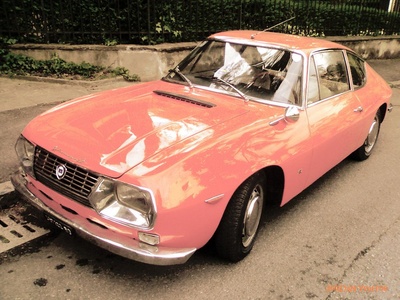
Lancia Fulvia Sport (Zagato)
Lightweight Italian coupe with sporting handling and attractive Zagato bodywork. Rally-derived credentials and limited numbers make the Fulvia Sport desirable to classic Italian sports-car enthusiasts.