Mid‑1950s automotive culture mixed postwar optimism with new engineering and style. From local shows to private collections, enthusiasts still hunt down models that defined the year and the era.
There are 50 1956 Car Models, ranging from 100‑6 to XK140. Each entry is organized with Manufacturer,Country,Body style so you can quickly compare origins and body types, and you’ll find below.
Which 1956 cars tend to be most collectible today?
Sports cars and limited-production variants often lead collector interest — think early Jaguars, low-production European roadsters, and notable American V8 models. Value depends more on rarity, originality, condition, and documentation than on model name alone; provenance and matching numbers usually increase desirability.
How were the model details compiled and checked for this list?
The list was assembled from period catalogs, marque registries, and specialist references, then cross-checked against club records and authoritative databases. Each row lists Manufacturer,Country,Body style to keep comparisons consistent; if you spot a discrepancy, noting the source helps refine accuracy.
1956 Car Models
| Model | Manufacturer | Country | Body style |
|---|---|---|---|
| Bel Air | Chevrolet | USA | sedan/coupe |
| 210 | Chevrolet | USA | sedan/coupe |
| Corvette | Chevrolet | USA | convertible |
| Fairlane | Ford | USA | sedan/coupe |
| Thunderbird | Ford | USA | convertible |
| Crown Victoria | Ford | USA | hardtop/coupe |
| Montclair | Mercury | USA | sedan/coupe |
| Continental Mark II | Lincoln | USA | coupe |
| 300 | Chrysler | USA | coupe/convertible |
| Coronet | Dodge | USA | sedan/coupe |
| Fury | Plymouth | USA | coupe |
| Savoy | Plymouth | USA | sedan |
| Roadmaster | Buick | USA | sedan |
| Century | Buick | USA | sedan/coupe |
| Super/88 | Oldsmobile | USA | sedan |
| 98 | Oldsmobile | USA | sedan |
| Series 62 | Cadillac | USA | sedan/convertible |
| Eldorado | Cadillac | USA | convertible |
| Caribbean | Packard | USA | convertible |
| Golden Hawk | Studebaker | USA | coupe |
| Star Chief | Pontiac | USA | sedan/coupe |
| Chieftain | Pontiac | USA | sedan |
| Nomad | Chevrolet | USA | two-door wagon |
| 300S/300B influenced models | Chrysler | USA | coupe |
| 300SL | Mercedes-Benz | Germany | coupe/roadster |
| 190SL | Mercedes-Benz | Germany | convertible |
| 356 | Porsche | Germany | coupe/convertible |
| Beetle | Volkswagen | Germany | sedan |
| DS19 | Citroën | France | sedan |
| Dauphine | Renault | France | sedan |
| 4CV | Renault | France | sedan |
| 600 | Fiat | Italy | hatchback/compact |
| 1100 | Fiat | Italy | sedan |
| Giulietta | Alfa Romeo | Italy | sedan/coupe |
| Aurelia | Lancia | Italy | coupe/sedan |
| 250 GT | Ferrari | Italy | coupe/roadster |
| XK140 | Jaguar | UK | coupe/convertible |
| Mark VIII | Jaguar | UK | sedan |
| TR3 | Triumph | UK | roadster |
| MGA | MG | UK | roadster |
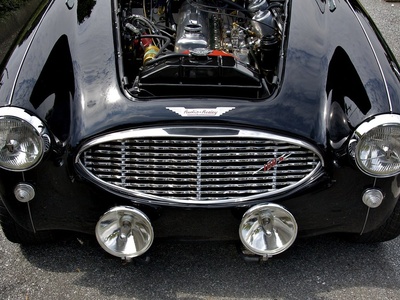
| 100‑6 | Austin‑Healey | UK | roadster/convertible |
| 4CV/Dauphine transition models | Renault | France | sedan |
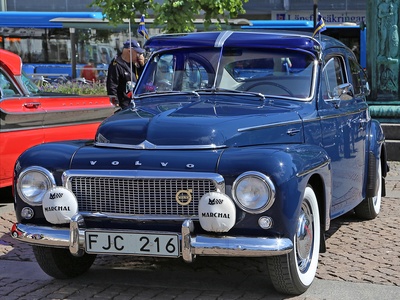
| PV544 | Volvo | Sweden | sedan |
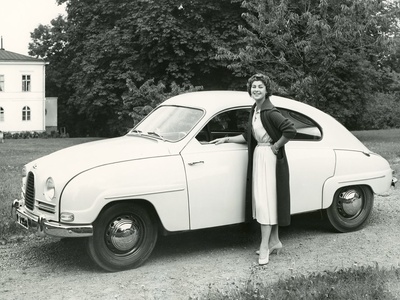
| 93 | Saab | Sweden | sedan |
| Toyota Crown | Toyota | Japan | sedan |
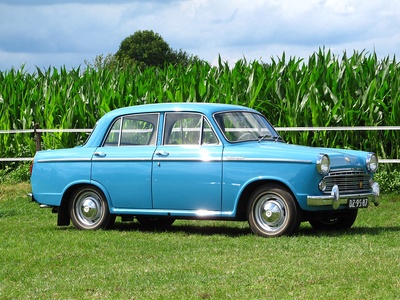
| Bluebird | Datsun | Japan | sedan |
| Rekord | Opel | Germany | sedan |
| 502 | BMW | Germany | sedan |
| Rambler | American Motors | USA | compact/sedan |
| Lancia Appia | Lancia | Italy | sedan |
Images and Descriptions
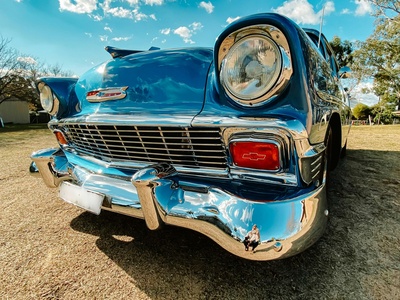
Bel Air
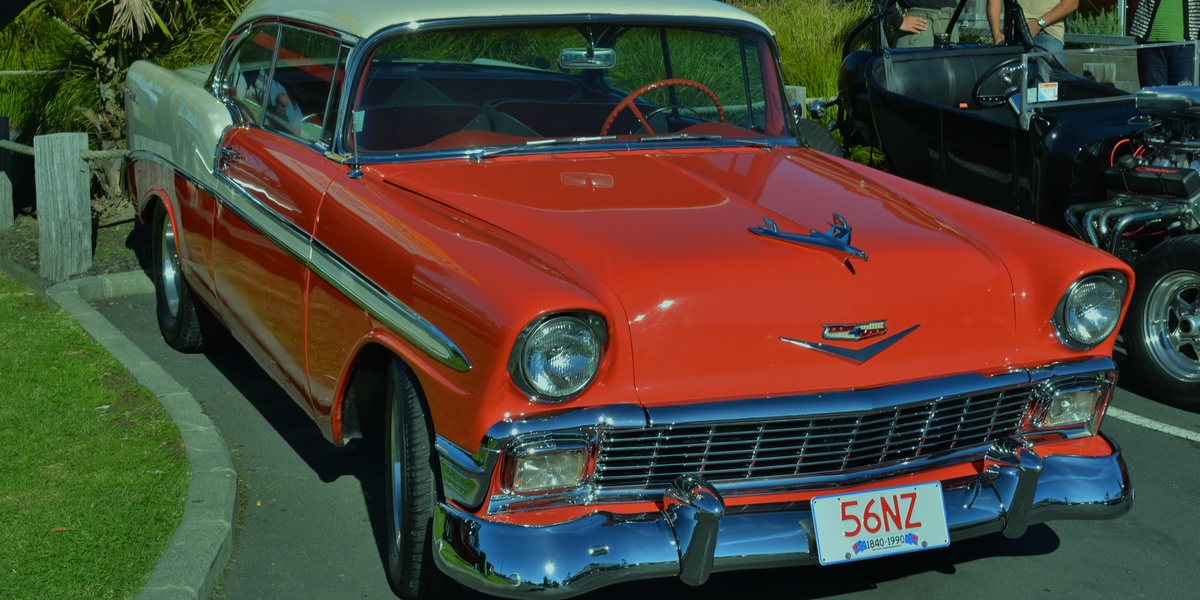
Iconic 1956 Bel Air featured rounded chrome, two-tone paint and V8 power that cemented Chevy’s postwar image; the 1956 model is prized for its styling, driveability, and popularity among collectors and hot-rodders today.
210
The Chevrolet 210 was the mid-range 1956 Chevy offering sensible appointments, available V8 engines, and updated styling shared with the Bel Air; it balanced value and performance for families wanting modern looks without top-tier prices.
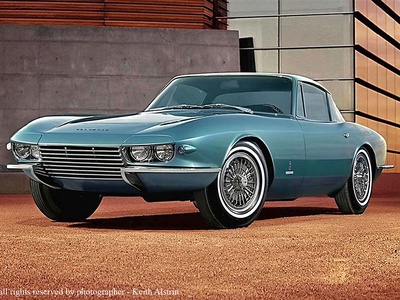
Corvette
The 1956 Corvette saw Chevrolet embrace V8 power in its American sports car, improving performance and desirability; hand-built fiberglass bodywork, sport-focused tuning and growing enthusiast appeal made the 1956 Corvette a defining early model.
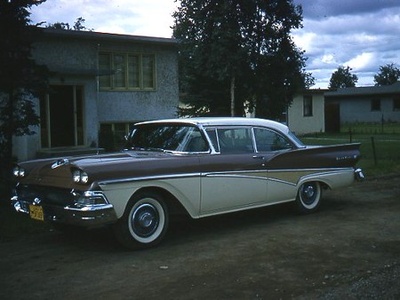
Fairlane
Ford Fairlane in 1956 combined fresh mid‑50s styling with a range of inline-six and V8 engines; positioned as Ford’s comfortable family car, the Fairlane offered modern features and sporty trims in a popular, widely sold package.
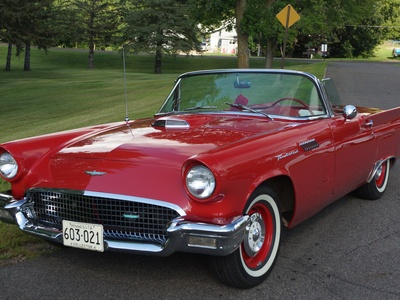
Thunderbird
The 1956 Thunderbird continued as Ford’s two-seat personal luxury icon with refined styling, comfortable appointments and V8 power; it bridged sportscar looks with daily drivability, increasing appeal among buyers seeking style and comfort.
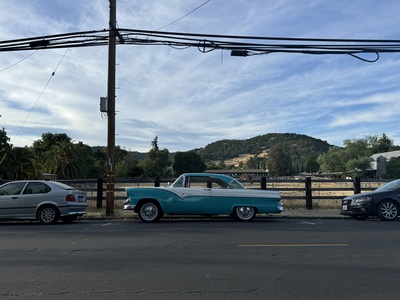
Crown Victoria
The 1956 Ford Crown Victoria featured the distinctive chrome “basket handle” roof trim and premium Fairlane trim levels; it was marketed as a fashionable hardtop coupe offering V8 performance and upscale appointments in Ford’s lineup.
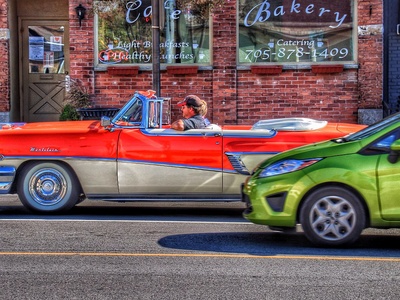
Montclair
Mercury Montclair for 1956 offered upscale styling, two-tone paint schemes and V8 power that slotted between Ford and Lincoln; it emphasized comfort and appearance to attract buyers seeking a stylish, well-equipped mid-luxury American car.

Continental Mark II
Introduced as a 1956 model, the Continental Mark II was a hand-built, ultra-luxury coupe from Ford’s Lincoln division, boasting refined coachwork, high craftsmanship and exclusivity; it revived the Continental name as a pinnacle luxury statement.

300
The 1956 Chrysler 300 (300B) continued the letter‑series tradition of high‑performance, limited-production luxury cars; powerful Hemi‑derived V8s, race-bred engineering and distinctive styling made it a benchmark for American performance-luxury in 1956.
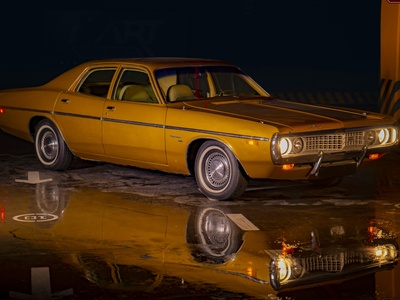
Coronet
Dodge Coronet for 1956 was a full‑size family car offered with straight-six and V8 power, refreshed styling and a variety of body styles; it represented Dodge’s mainstream offering during a year of postwar model evolution.
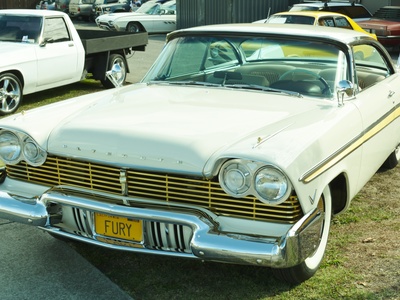
Fury
Introduced for 1956 as Plymouth’s new top-line model, the Fury moved from concept to production with flamboyant styling and powerful V8 options; the 1956 Fury began the nameplate’s reputation for performance and showy design.
Savoy
Plymouth Savoy in 1956 served as the brand’s affordable full‑size model, providing dependable six‑ and V8 engines with straightforward trim; it was widely sold to families wanting economy combined with contemporary mid‑50s styling.
Roadmaster
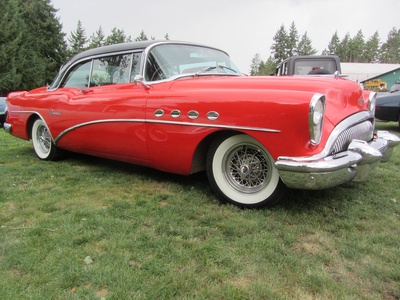
The 1956 Buick Roadmaster represented Buick’s top luxury offering with long‑wheelbase grandeur, refined interiors and strong V8 performance; its sweeping chrome and presence made it a desirable American luxury cruiser of the era.
Century
Buick Century in 1956 blended Roadmaster V8 power with a lighter body and sporty intent; it appealed to buyers seeking performance and comfort in a stylish mid‑50s Buick package and remains a sought-after classic.
Super/88
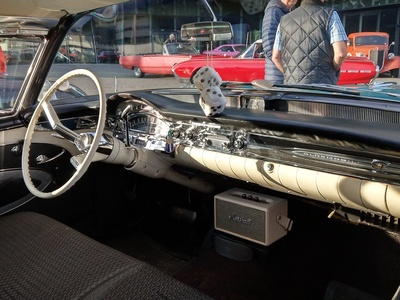
Oldsmobile 88 (often called Super 88 in 1956) offered Rocket V8 performance wrapped in new styling, making it a popular, spirited family car; the model continued Olds’ reputation for blending performance with everyday practicality.
98
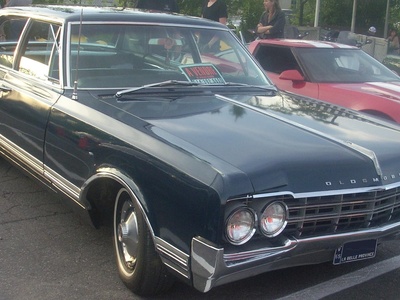
Oldsmobile 98 for 1956 was the marque’s top luxury saloon, featuring premium trim, available power options and a focus on comfort; it competed strongly in the American luxury segment with polished appointments and smooth V8s.
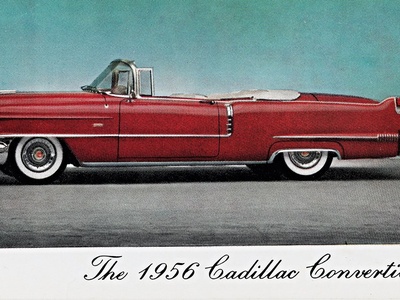
Series 62
Cadillac Series 62 in 1956 showcased pronounced tailfins, chrome trim and a range of luxurious body styles; it represented mainstream Cadillac luxury that year with advanced comforts and strong V8 propulsion.
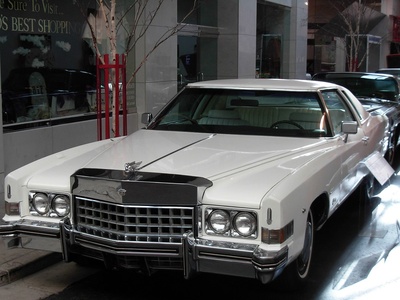
Eldorado
The 1956 Cadillac Eldorado was a limited‑production, top-tier convertible featuring exclusive trim, luxury features and prestige; as Cadillac’s halo model, the Eldorado embodied mid‑50s American luxury and style.
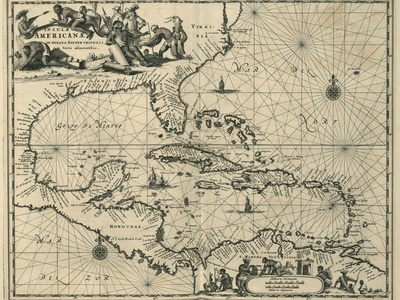
Caribbean
Packard Caribbean in 1956 stood as the marque’s glamorous, high‑end convertible with jet‑age styling and upscale appointments; 1956 marked one of the Caribbean’s final production years, making surviving examples historically significant.
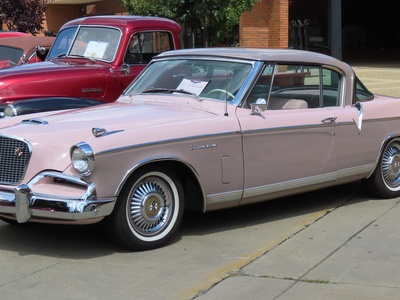
Golden Hawk
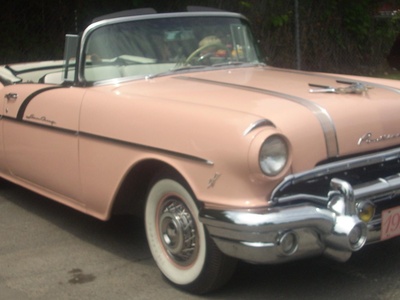
Introduced for 1956, the Studebaker Golden Hawk combined distinctive styling with a powerful supercharged V8, making it Studebaker’s sporty halo car; its bold looks and performance made it a standout among compact American competitors.
Star Chief
The 1956 Pontiac Star Chief offered full‑size comfort, V8 power and abundant chrome; as Pontiac’s top mainstream offering of the year, it emphasized style and performance to attract buyers in the booming mid‑50s market.
Chieftain
Pontiac Chieftain in 1956 was a reliable full‑size family car with classic styling and available V8s; positioned below the Star Chief, it delivered value-oriented transportation with contemporary mid‑century American looks.
Nomad
The 1956 Chevrolet Nomad was the fashionable two‑door station wagon blending sportscar lines with wagon practicality under Bel Air trim; its rarity and distinctive styling have made the 1956 Nomad highly collectible.
300S/300B influenced models
Chrysler’s performance‑oriented 300 series in 1956 continued to influence the marque’s performance image; the 300 models combined potent V8s, limited production and upscale appointments that appealed to enthusiasts and collectors alike.
300SL
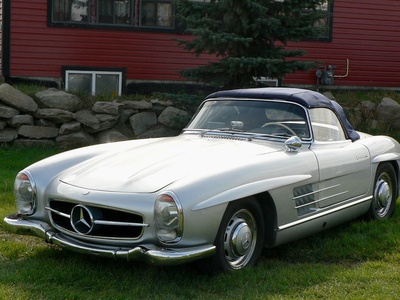
The Mercedes‑Benz 300SL (Gullwing and Roadster) was in production in 1956 as an exotic, fuel‑injected sports car known for its distinctive doors, advanced engineering and race‑bred performance, remaining one of the decade’s most celebrated sports cars.
190SL
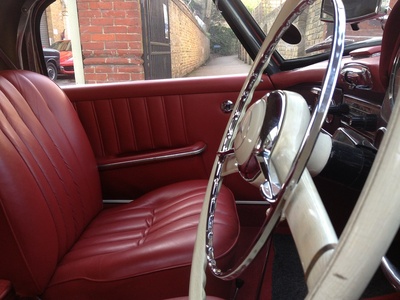
The 1956 Mercedes‑Benz 190SL offered a more affordable, stylish tandem to the 300SL with elegant roadster looks, comfortable touring manners and solid engineering; it became popular with buyers wanting Mercedes prestige in a convertible.
356
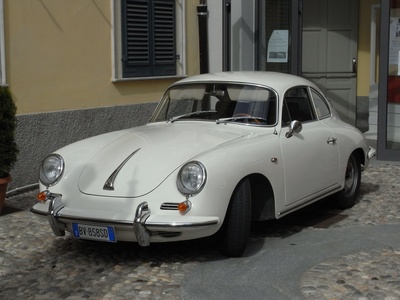
Porsche 356 in 1956 represented the marque’s lightweight, nimble sports car with refined engines and improved production quality; the 356A variants were notable for bringing Porsche’s racing spirit to broader road‑car buyers.
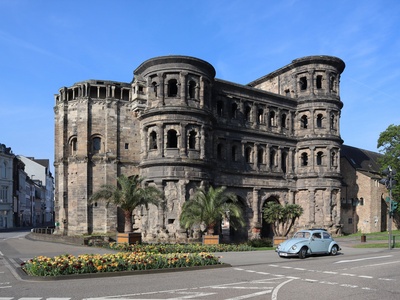
Beetle
The Volkswagen Beetle was a mass‑market staple worldwide in 1956, prized for economy, simplicity and durability; by mid‑decade it was becoming a familiar sight outside Europe, establishing Volkswagen’s global presence.
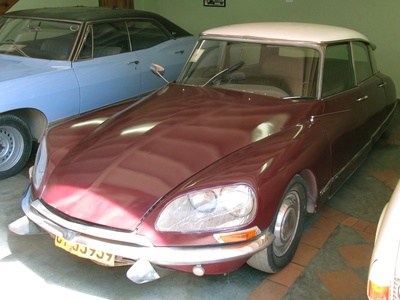
DS19
The Citroën DS19, still rare and revolutionary in 1956, stood out for its hydropneumatic suspension, aerodynamic body and advanced engineering; it symbolized French innovation and remained an icon of 1950s automotive futurism.
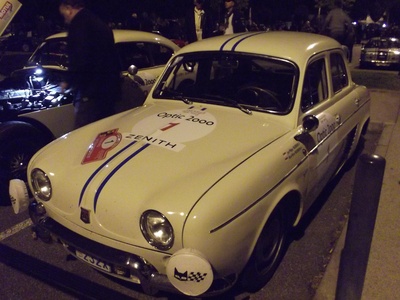
Dauphine
Introduced for 1956, the Renault Dauphine was a rear‑engine small car designed for economy and mass appeal; it quickly became a global seller thanks to its compact footprint, efficient use of space and affordable pricing.
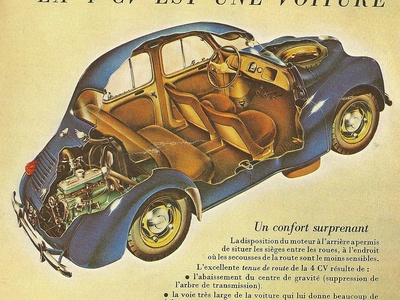
4CV
The Renault 4CV remained in production in 1956 as Renault’s popular economical city car; its rear‑engine layout and compact dimensions made it a pragmatic choice for European families while the Dauphine began to replace it.
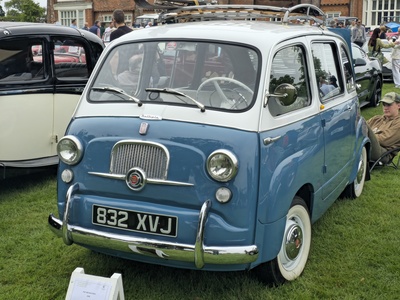
600
Fiat 600 in 1956 continued to provide affordable, efficient transportation for postwar Europe, featuring a compact rear‑engine layout and practical interior packaging that helped motorize many families across Italy and beyond.
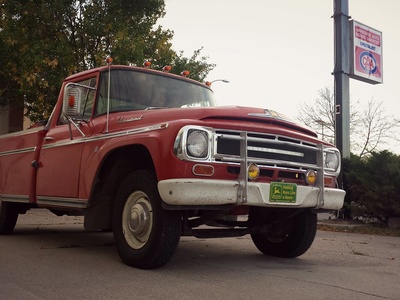
1100
The Fiat 1100 served in 1956 as a dependable small family saloon offering conservative styling, economical engines and versatile use; it was a mainstay on European roads for buyers seeking practical, affordable transport.
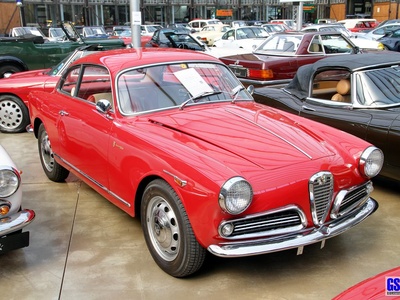
Giulietta
Alfa Romeo Giulietta in 1956 remained a sporty, small family car available in Berlina and Sprint coupe forms; its spirited engines and Italian design made it popular with drivers wanting style and performance in a compact package.
Aurelia
Lancia Aurelia continued through 1956 as a sophisticated grand tourer featuring advanced V6 engineering, refined chassis design and elegant coachwork; the Aurelia was admired for its handling and engineering innovation in postwar Italy.
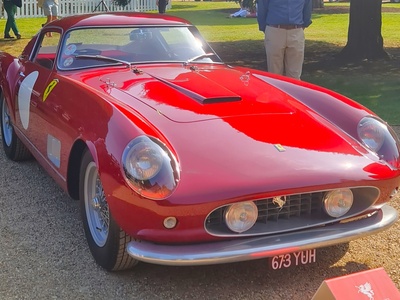
250 GT
Ferrari’s 250 GT family was active in 1956 with competition‑derived V12 models delivering exceptional performance and exclusivity; 1956 saw several 250 variants that are now celebrated classics prized by collectors and racers.
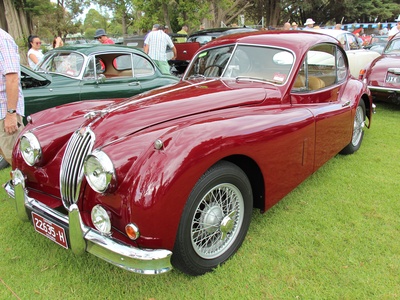
XK140
The Jaguar XK140 for 1956 updated the XK120 with improved brakes, suspension and comfort, making it a more usable sports car; its smooth straight‑six engine and elegant coachwork maintained Jaguar’s sporting reputation.
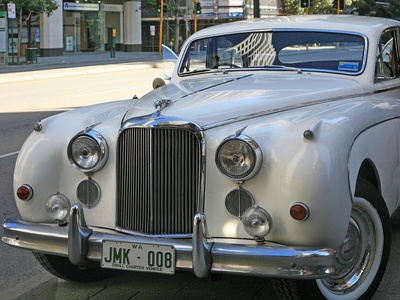
Mark VIII
Introduced around 1956 as an evolution of Jaguar’s Mark line, the Mark VIII offered refined luxury, a capable straight‑six engine and generous appointments; it served buyers seeking British saloon comfort with sporting manners.
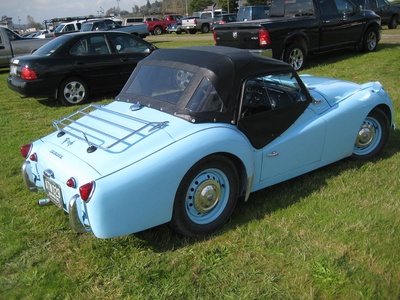
TR3
The Triumph TR3 was built in 1956 as an unpretentious, fun British roadster offering spirited performance, nimble handling and open‑top motoring at an affordable price; its sporting character made it popular among enthusiasts.
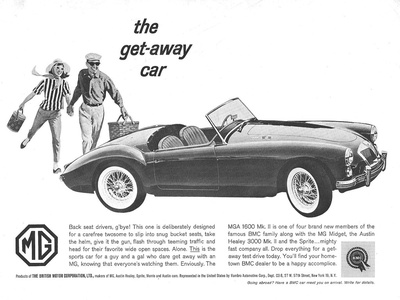
MGA
MGA production in 1956 solidified its place as MG’s modern sports car with clean, lower body styling and improved dynamics; the MGA appealed internationally as an accessible, stylish two‑seater for driving enthusiasts.
100‑6
Introduced in 1956, the Austin‑Healey 100‑6 added a straight‑six engine and optional 2+2 seating to the Healey line; it blended touring comfort with sporty performance and broadened the model’s appeal.
4CV/Dauphine transition models
In 1956 Renault’s model lineup featured both the outgoing 4CV and the newly launched Dauphine, representing the company’s move toward more modern, efficient small cars; both were key to Renault’s expanding market presence.
PV544
The Volvo PV544 in 1956 offered incremental updates over the PV444 with improved safety, a sturdier body and simple mechanicals; prized for durability and conservative design, it became a hallmark of Swedish reliability.
93
The Saab 93, produced in 1956, was a compact, aerodynamic car powered by a two‑stroke engine and designed with safety and economy in mind; its unusual engineering made it a distinctively Swedish small car.
Toyota Crown
The Toyota Crown of 1956 represented Japan’s early push into modern passenger cars, offering a durable, conservative sedan aimed at domestic and limited export markets; it helped establish Toyota’s automotive credentials.
Bluebird
The Datsun Bluebird series was produced in 1956 as Nissan’s growing compact family car, combining lightweight engineering with practical economy; it laid groundwork for Datsun’s later global expansion under the Bluebird name.
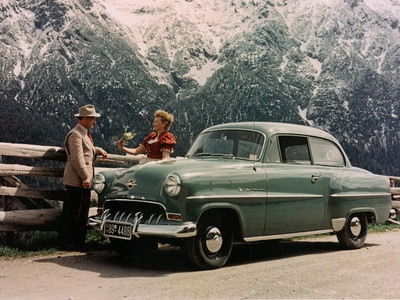
Rekord
Opel Rekord in 1956 served Germany’s postwar middle market with reliable engineering, conservative styling and practical interiors; it was a widely seen family car contributing to Opel’s recovery and growth in the 1950s.
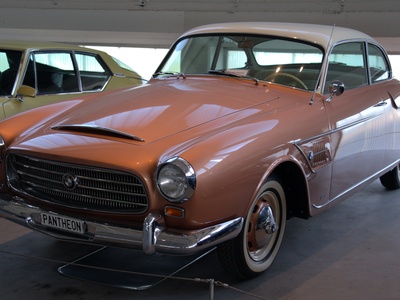
502
BMW 502, produced in 1956, was BMW’s luxury saloon featuring a V8 engine and upscale appointments; nicknamed the “Baroque Angel,” it marked BMW’s return to higher‑end cars in the postwar era.
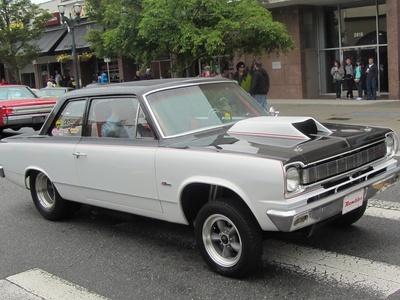
Rambler
The Rambler (Nash Rambler/American) was an influential compact offered in 1956 by AMC, emphasizing economy, practicality and sensible pricing; it attracted buyers seeking smaller, efficient cars amid a market of larger 1950s models.
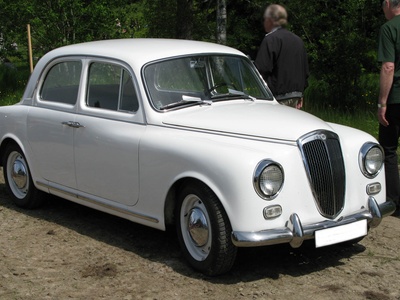
Lancia Appia
The Lancia Appia continued into 1956 as a compact, well-engineered sedan notable for refined handling and a focus on chassis sophistication; it represented Lancia’s engineering-first approach in a small family car package.