1952 was a year of transition for the auto industry, with postwar demand, new styling cues and regional specialties shaping a diverse set of releases. Collectors and researchers often look to lists like this to spot trends, compare output, or trace a model’s origins.
There are 56 1952 Car Models, ranging from 150,XK120; for each entry the data is organized as Manufacturer,Country,Production (units), which you’ll find below.
How reliable are the production figures for 1952 models?
Production numbers for 1952 can be a mix of exact factory records and later estimates; large manufacturers tend to have firm counts while smaller makers or custom coachbuilders may rely on reconstructed totals from registries, sales ledgers and club research. Treat figures as a strong starting point, check primary sources where possible, and note any footnotes or qualifiers in the list.
Will this list help me identify a specific 1952 car I own or want to buy?
Yes, the list gives model names, maker and production context to narrow possibilities, but positive ID usually requires chassis/VIN checks, visual comparison with period photos, and sometimes consultation with marque clubs or restoration experts for trim and coachwork details.
1952 Car Models
| Model | Manufacturer | Country | Production (units) |
|---|---|---|---|
| Bel Air | Chevrolet | United States | unknown |
| 210 | Chevrolet | United States | unknown |
| 150 | Chevrolet | United States | unknown |
| Crestline | Ford | United States | unknown |
| Customline | Ford | United States | unknown |
| Mainline | Ford | United States | unknown |
| Monterey | Mercury | United States | unknown |
| Chieftain | Pontiac | United States | unknown |
| Roadmaster | Buick | United States | unknown |
| Special | Buick | United States | unknown |
| Series 62 | Cadillac | United States | unknown |
| Super | Oldsmobile | United States | unknown |
| 88 | Oldsmobile | United States | unknown |
| New Yorker | Chrysler | United States | unknown |
| Windsor | Chrysler | United States | unknown |
| Coronet | Dodge | United States | unknown |
| Wayfarer | Dodge | United States | unknown |
| Cranbrook | Plymouth | United States | unknown |
| Patrician | Packard | United States | unknown |
| Packard 200 | Packard | United States | unknown |
| Champion | Studebaker | United States | unknown |
| Commander | Studebaker | United States | unknown |
| Hornet | Hudson | United States | unknown |
| Ambassador | Nash | United States | unknown |
| Deluxe | Kaiser | United States | unknown |
| R-Type | Bentley | United Kingdom | unknown |
| Mark VII | Jaguar | United Kingdom | unknown |
| XK120 | Jaguar | United Kingdom | unknown |
| Mark VII (Rolls) | Rolls-Royce | United Kingdom | unknown |
| MG TD | MG | United Kingdom | unknown |
| Morris Minor | Morris | United Kingdom | unknown |
| Austin A40 Devon | Austin | United Kingdom | unknown |
| Austin A30 | Austin | United Kingdom | unknown |
| Porsche 356 | Porsche | Germany | unknown |
| Volkswagen Beetle | Volkswagen | Germany | unknown |
| Mercedes 220 (W187) | Mercedes-Benz | Germany | unknown |
| BMW 501 | BMW | Germany | unknown |
| Lancia Aurelia B20 | Lancia | Italy | unknown |
| Alfa Romeo 1900 | Alfa Romeo | Italy | unknown |
| Fiat 1100 | Fiat | Italy | unknown |
| Fiat Topolino | Fiat | Italy | unknown |
| Ferrari 212 Export | Ferrari | Italy | unknown |
| Maserati A6 | Maserati | Italy | unknown |
| Renault Frégate | Renault | France | unknown |
| Renault 4CV | Renault | France | unknown |
| Traction Avant | Citroën | France | unknown |
| 2CV | Citroën | France | unknown |
| Panhard Dyna Z | Panhard | France | unknown |
| Porsche 356 Pre-A | Porsche | Germany | unknown |
| Rolls-Royce Silver Dawn | Rolls-Royce | United Kingdom | unknown |
| Bentley R-Type Continental | Bentley | United Kingdom | unknown |
| Toyota SA | Toyota | Japan | unknown |
| Datsun DB/DS | Datsun/Nissan | Japan | unknown |
| Holden 48-215 (FX) | Holden | Australia | unknown |
| Sunbeam-Talbot 90 | Sunbeam-Talbot | United Kingdom | unknown |
| Alvis TA14 | Alvis | United Kingdom | unknown |
Images and Descriptions
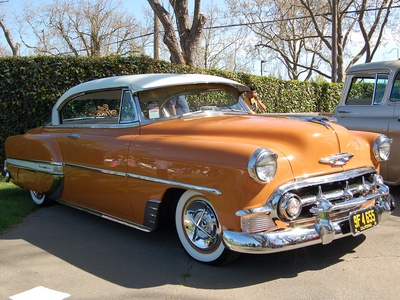
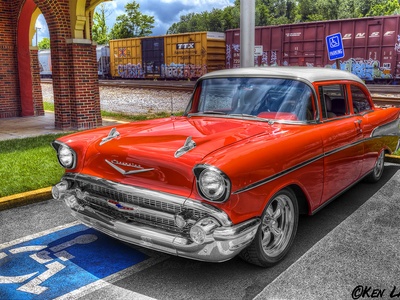
Bel Air
Iconic full-size American two-door and four-door model, known for chrome trim and comfortable V8/inline-six options. Popular family and cruiser car of 1952, widely seen across US roads and collectible today for its classic styling.
210
Mid-range Chevrolet offering sedan, coupe, and wagon bodies in 1952, bridging the base 150 and upscale Bel Air. Practical, affordable family transport with simple mechanics and strong sales presence in suburban America.

150
Entry-level Chevrolet sedan and coupe in 1952, focused on value and basic transportation. Simple straight-six engines and roomy interiors made it a common, workaday car for postwar families and fleets.
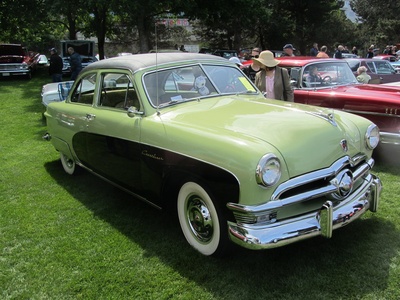
Crestline
Ford’s top-trim 1952 model line, offered as two- and four-door sedans and convertibles with upgraded trim and options. Represented Ford’s more luxurious offering for buyers wanting style and comfort without premium pricing.
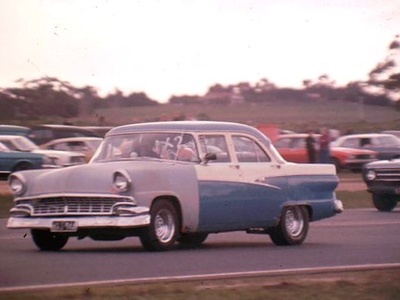
Customline
Mid-level Ford for 1952 positioned between Crestline and Mainline, available in popular sedan and coupe shapes. Balanced price, equipment, and appeal made it a common family seller across American dealerships.
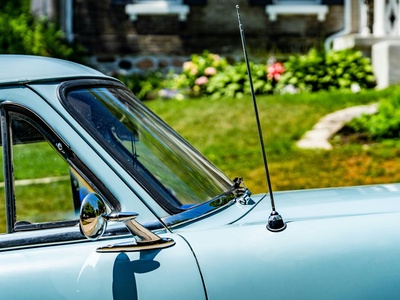
Mainline
Ford’s entry-level model in 1952, entry-priced two- and four-door cars with straightforward features and durable mechanicals. Frequently used as fleet and utilitarian family transport during early 1950s America.

Monterey
Mercury’s sporty-upscale model available in 1952, combining V8 power, distinctive styling, and nicer interiors. Positioned between Ford and Lincoln, the Monterey appealed to buyers wanting performance with refinement.
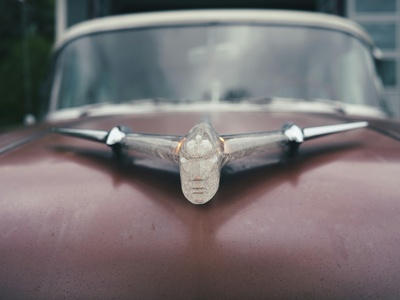
Chieftain
Pontiac’s mainstream model in 1952 featuring straight-eight engines, chrome-rich styling and roomy cabins. Popular in North America as a step up from basic transportation toward more style and performance.
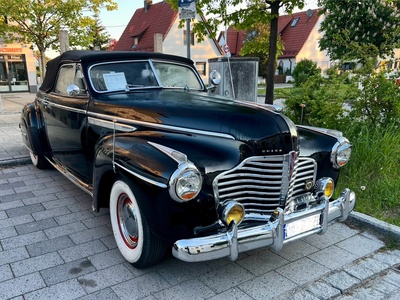
Roadmaster
Large luxury Buick with inline-eight engines in 1952, noted for plush interiors, flowing ‘vestibule’ styling and roomy accommodations. Favored by buyers wanting near-luxury comfort without top-tier Cadillac pricing.
Special
Buick’s approachable, well-appointed mid-range car for 1952. Delivered smooth performance, comfortable ride and conservative styling, making it a ubiquitous choice among middle-class American families.
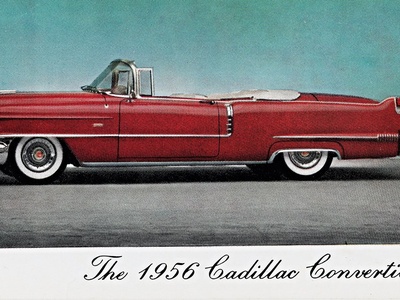
Series 62
Cadillac’s mainstream luxury model in 1952 with big V8 power, extensive chrome, and sumptuous interiors. Symbolic of American postwar luxury motoring and popular with affluent buyers and executives.
Super
Oldsmobile’s higher-trim line in 1952 combining performance-oriented Rocket V8 heritage (in some models) with comfortable accommodations and distinctive styling, marketed to professionals and upwardly mobile families.
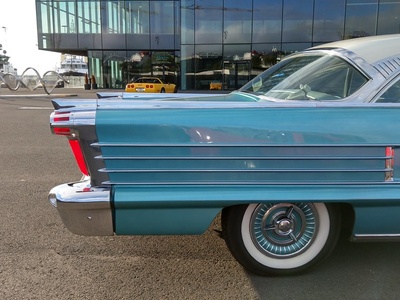
88
Popular entry-level Oldsmobile in 1952 known for lively performance and good value. Straightforward styling and reliable mechanicals made it a common family car with a sporting reputation.
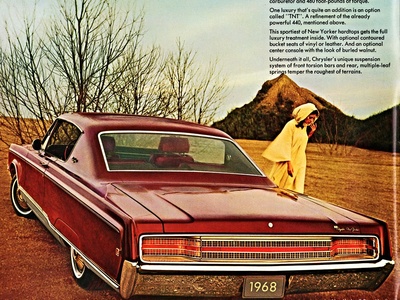
New Yorker
Chrysler’s flagship for 1952, offering large V8 power, plush interiors and formal styling. Targeted to buyers desiring top-tier luxury with conservative American elegance and advanced engineering for the era.
Windsor
Mid-range Chrysler for 1952 offering comfortable accommodation and solid straight-six or V8 options. Positioned to compete with mainstream full-size cars while offering Chrysler engineering and prestige.
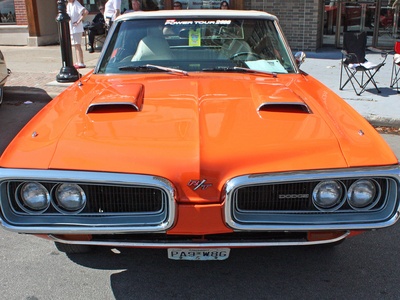
Coronet
Dodge’s mainstream family car in 1952, available in multiple body styles with straightforward engineering. Durable and practical, the Coronet was a common sight and offered value-conscious buyers reliable transport.
Wayfarer
Dodge’s simple, affordable two-door roadster/sedan line through early 1950s; 1952 models emphasized basic motoring and low cost. Less common than sedan rivals but notable for being a low-priced option.
Cranbrook
Plymouth’s 1952 full-size model available in sedan and coupe forms, emphasizing affordability and family-friendly practicality. Simple engines and conservative styling made it a staple in many American households.
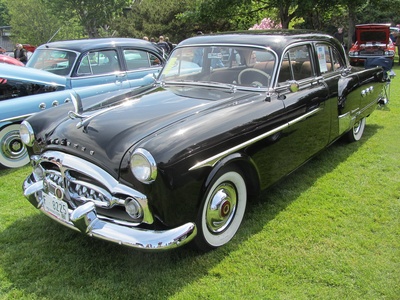
Patrician
Packard’s top luxury model in 1952 offering refinement, conservative luxury and traditional coachbuilt character. Represented classic pre-war luxury values continuing into the early 1950s Packard lineup.
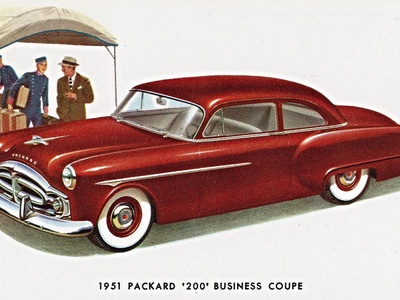
Packard 200
Entry-level Packard introduced in postwar years and sold in 1952 as an attempt to broaden the brand’s market; simpler finishes and more modest engines made it more accessible to middle-class buyers.
Champion
Studebaker’s compact and economical line in 1952, prized for distinctive styling and fuel-efficient engines. Sold as practical, stylish transport with an independent engineering approach compared to Big Three rivals.
Commander
Larger Studebaker offering for 1952 with more equipment and stronger engines than the Champion. Known for aerodynamic, distinctive bodywork and appeal to buyers who wanted something different from mainstream American cars.
Hornet
Hudson Hornet in 1952 combined low-slung “step-down” chassis with strong inline-six power, famed for handling and racing success. Sporty image and durable mechanicals made it notable in both street and stock-car circles.
Ambassador
Nash’s established full-size model in 1952, offering innovative economy-minded features, comfortable interiors and unified body design. Marketed to buyers wanting solid, independent alternatives to mainstream brands.
Deluxe
Kaiser passenger cars in 1952 were modest, economical models produced by postwar independent Kaiser-Frazer. The Deluxe embodied affordable transport with basic comforts and distinctive small-company character in the American market.
R-Type
Introduced in 1952, the Bentley R-Type replaced prewar-derived models with a modern four-door luxury saloon emphasizing craftsmanship and smooth inline-six engines. A quietly elegant British luxury alternative to American marques.
Mark VII
Jaguar’s large, comfortable saloon in 1952 blended sporting heritage with everyday usability. The Mark VII offered straight-six power and upscale appointments, becoming a favored British executive car and export success.
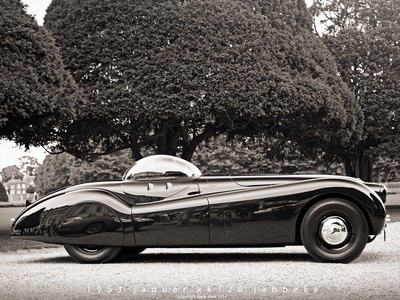
XK120
Famed sports car continuing strong sales in 1952 as a two-seat roadster/coupe with a powerful inline-six, excellent performance and attractive coachbuilt styling. A desirable postwar British sporting icon and racing presence.
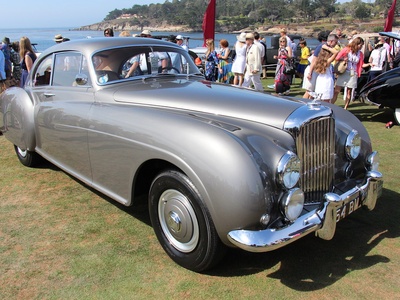
Mark VII (Rolls)
Rolls‑Royce and Bentley sibling models like the Silver Wraith and similarly luxurious saloons were produced in 1952; known for hand-built luxury, smooth engines and stately presence favored by elites and diplomats.
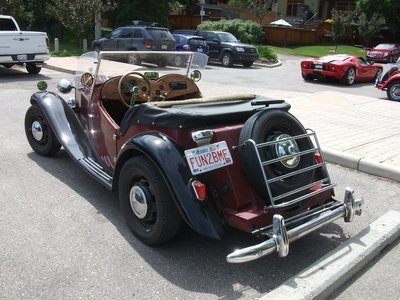
MG TD
Traditional British two-seat roadster popular in the early 1950s, the MG TD combined prewar looks with improved suspension for 1952. Lightweight, fun-to-drive and a favorite among American servicemen and sports car enthusiasts.
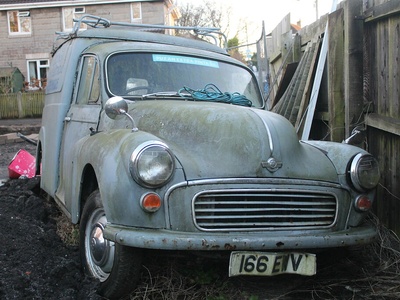
Morris Minor
Small, practical family car produced in large numbers through the 1950s, offering surprising interior space, simple mechanics and a friendly appearance. A ubiquitous British everyday car in 1952 and into the decade.
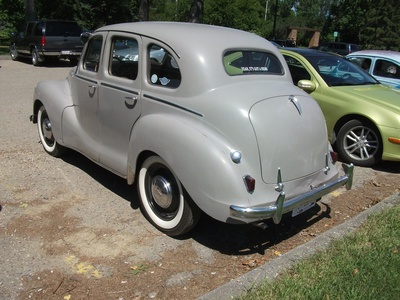
Austin A40 Devon
Compact four-door family saloon for 1952, the A40 Devon offered economical four-cylinder engines, a roomy cabin for its class and value for postwar buyers in Britain and export markets.
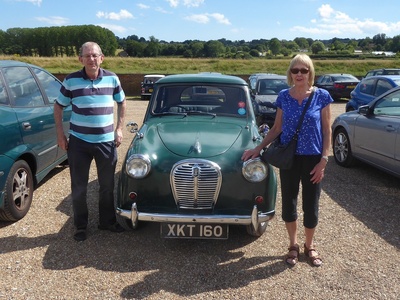
Austin A30
Tiny economy car introduced in 1951 and sold through 1952, aimed at budget-minded buyers. Simple, lightweight, and economical to run, it helped motorize British households after WWII.
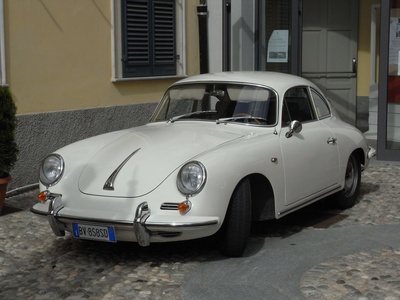
Porsche 356
Early Porsche sports coupe and roadster produced in 1952, notable for lightweight construction, nimble handling and an air-cooled rear-mounted flat-four engine. Laid the foundation for Porsche’s future sports car reputation.
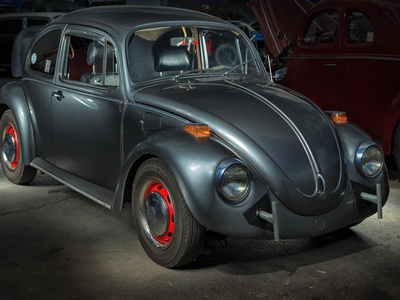
Volkswagen Beetle
The ubiquitous rear-engined, air-cooled compact sold globally in 1952. Known for simplicity, durability and enormous global presence, the Beetle was a defining people’s car of the postwar era and common worldwide.
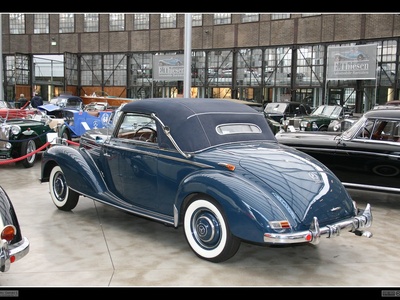
Mercedes 220 (W187)
Mercedes’ early-1950s luxury saloon offering for 1952 with inline-six engines and conservative, elegant bodywork. Marketed to buyers desiring traditional German engineering, comfort and smooth touring performance.
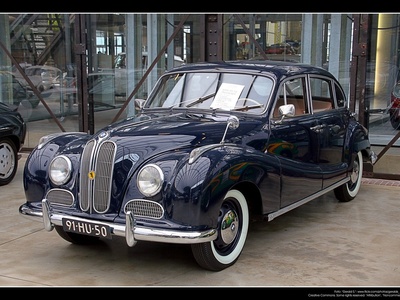
BMW 501
Introduced into production in 1952, the “Baroque Angel” 501 was BMW’s return to large luxury saloons after the war. Noted for substantial build, straight-six engines and a distinctly upscale postwar German statement.
Lancia Aurelia B20
Elegant Italian grand tourer offered as a fast and refined coupe in 1952. Introduced pioneering V6 engine technology, excellent handling and sophisticated engineering that influenced European GT car design.
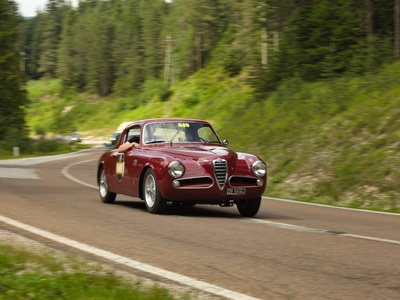
Alfa Romeo 1900
Modern postwar Alfa offering in 1952 with a twin-cam four-cylinder, sporting handling and stylish coachbuilt bodies. Marketed as a more accessible sporting car with genuine performance credentials and racing pedigree.
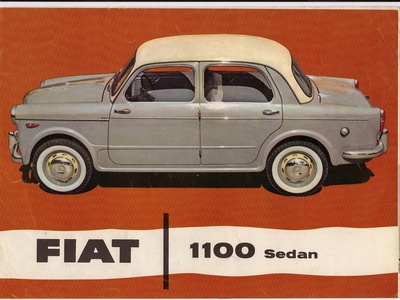
Fiat 1100
Compact, well-engineered family car popular across Europe in 1952, offering economical engines, practical interiors and durable running gear. A common sight in Italian and export markets as a sensible everyday car.
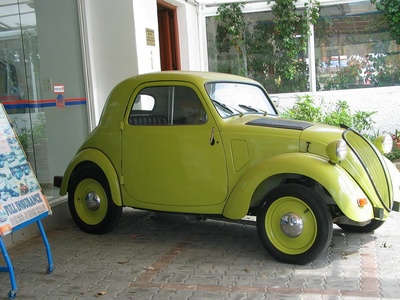
Fiat Topolino
Very small city car continuing in early 1950s production and sales, the Topolino provided ultra-economical mobility. Noted for tiny dimensions, frugal engines and importance in motorizing Italy’s postwar population.
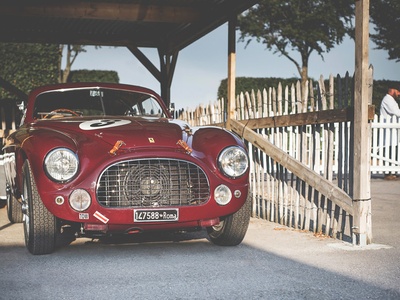
Ferrari 212 Export
Sporting two-seat roadsters and chassis sold to privateers in 1952, the 212 Export featured potent inline-six engines and lightweight coachwork. Notable for competition success and helping establish Ferrari’s early reputation.
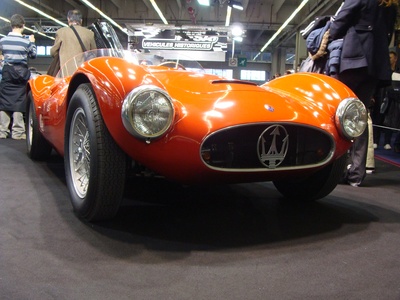
Maserati A6
Elegant small-displacement sports and GT cars produced around 1952, the A6 series combined sporting engines, light bodies and coachbuilt styling. Popular with enthusiasts seeking Italian performance and exclusivity.
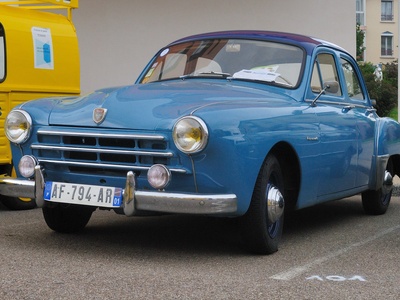
Renault Frégate
Large family saloon introduced in 1951 and produced through 1952, the Frégate aimed at middle-class buyers with upscale appointments and comfortable ride but mixed commercial success. Typical French postwar large car.
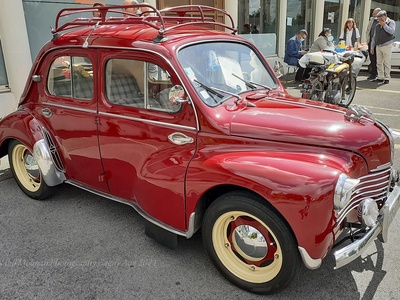
Renault 4CV
Small rear-engined family car remaining a popular economical choice in 1952, noted for compact packaging and good fuel economy. Widely used in France and export markets as practical, low-cost transportation.
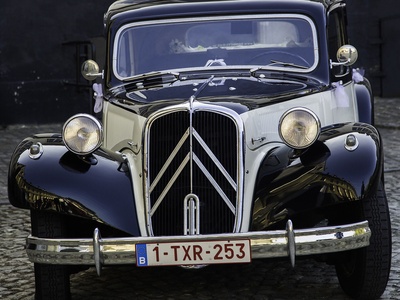
Traction Avant
Innovative front-wheel-drive saloon continuing production into 1952, famed for unitary body construction, independent suspension and excellent handling. A groundbreaking prewar design that remained influential in the early 1950s.
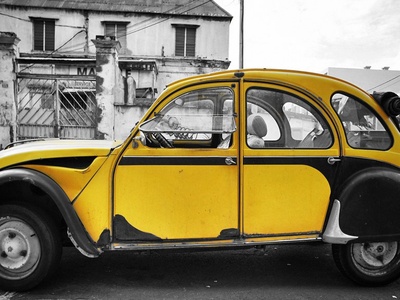
2CV
Spartan, ultra-economical “people’s car” still sold in 1952, designed for rural users and simple living. Famous for minimalism, endurance in difficult conditions and long production life as an icon of French motoring.
Panhard Dyna Z
Advanced lightweight small saloon produced in early 1950s with efficient engines and aerodynamic body. In 1952 the Dyna Z represented technical innovation in economy and touring within the French market.
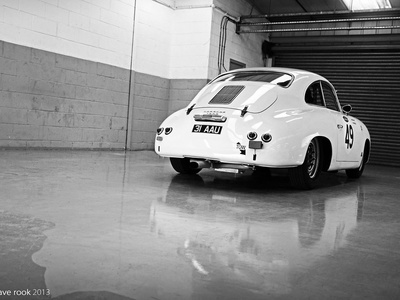
Porsche 356 Pre-A
Early variant of the 356 sold in 1952 offering compact, aerodynamic coupe and cabriolet bodies, excellent handling and sporty use of lightweight construction. Became a cult favorite among enthusiasts.
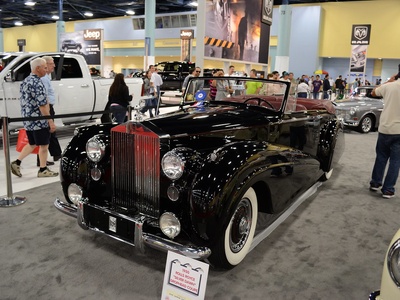
Rolls-Royce Silver Dawn
Hand-built luxury saloon offered in 1952 with refined straight-six power and bespoke coachwork options. Represented classic British luxury motoring, aimed at wealthy clientele and dignitaries.
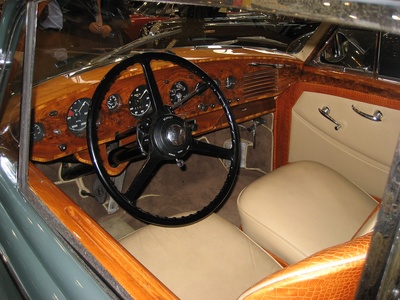
Bentley R-Type Continental
Coachbuilt performance variant of the R‑Type introduced in the early 1950s; focused on long-distance speed with tuned engines and lightweight bodies. Rare, exclusive and a high-performance flagship of British coachbuilding.
Toyota SA
Postwar compact saloon sold in Japan and some export markets through 1952, the SA offered practical transport during the country’s recovery. Early Toyota passenger cars were modest, domestically focused and historically significant.
Datsun DB/DS
Early Datsun postwar passenger cars sold in domestic markets in 1952, featuring small-displacement engines and simple mechanicals. Important in the foundation of Japan’s passenger car industry and local motorization.
Holden 48-215 (FX)
Australia’s first mass-produced postwar sedan continued production and sales in 1952, offering rugged construction suited to Australian conditions. Extremely common locally and foundational to Australia’s automotive industry.
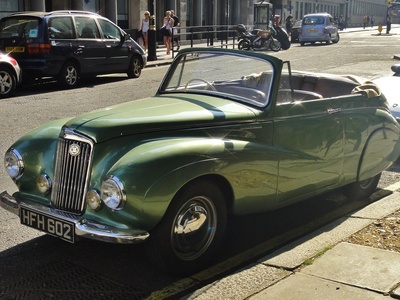
Sunbeam-Talbot 90
British sporting saloon sold in 1952 combining lively engines with comfortable touring ability. Popular among buyers wanting a blend of sporting character and everyday usability from a smaller prestige marque.
Alvis TA14
Refined British saloon produced into the early 1950s, known for strong engineering, smooth performance and hand-built quality. Offered to buyers seeking conservative luxury and durable touring capability.