Post-war Britain reshaped transportation and style, and nothing sums that era up like the rows of Triumphes leaving the factory and heading for the roads, scouts, and café corners across the country. Those bikes defined practical commuting and weekend tinkering for a generation.
There are 11 1950s Triumph Motorcycles, ranging from 3T to Twenty One (3TA). Data is organized as Production years,Engine (cc),Key features (max 15 words); you’ll find below.
How can I identify which model I’m looking at?
Start with stamped engine and frame numbers, then check obvious visual cues like tank badges, headlamp style, and gearbox layout; cross‑reference the serials and visual traits with the production years and engine (cc) entries in the list below or with marque registries and owner clubs.
Where should I look for parts or restoration advice for these bikes?
Use specialist classic Triumph suppliers, owners clubs, and dedicated forums for parts and technical help; many common items are repro or NOS, but always match part numbers to the Production years and Engine (cc) info you’ll find below to ensure correct fit.
1950s Triumph Motorcycles
| Model | Production years | Engine (cc) | Key features (max 15 words) |
|---|---|---|---|
| Speed Twin | 1938–1966 | 498 | 500cc parallel twin, road sport benchmark, pre-unit design |
| Tiger 100 | 1939–1967 | 498 | 500cc sport twin, tuned for speed, lightweight chassis |
| Thunderbird (6T) | 1949–1966 | 649 | 650cc twin, American touring focus, larger crank |
| Tiger 110 (T110) | 1953–1962 | 649 | High-compression 650cc, sport-tuned, faster gearing |
| TR5 Trophy | 1949–1958 | 498 | Competition-oriented 500cc twin, desert/trials capable |
| TR6 Trophy | 1956–1973 | 649 | Competition 650cc twin, high compression, rallying pedigree |
| Tiger Cub (T20) | 1954–1968 | 199 | 200cc single, light commuter, trials-capable |
| Twenty One (3TA) | 1957–1966 | 348 | 350cc unit-construction twin, named ‘Twenty One’, Meriden-built |
| 5TA (Speed Twin unit) | 1958–1966 | 498 | Unit-construction 500cc twin, simplified electrics, modernized frame |
| 3T | 1946–1954 | 348 | Pre-unit 350cc twin, early postwar touring machine |
| Bonneville (T120) | 1959–1975 | 649 | High-performance 650cc twin, iconic sport-touring flagship |
Images and Descriptions
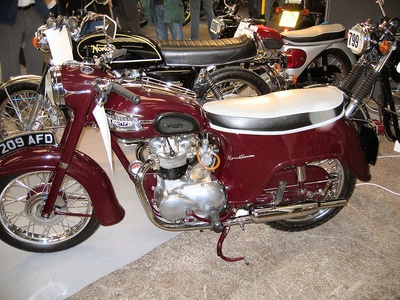
Speed Twin
The Speed Twin was Triumph’s benchmark 500cc parallel twin through the 1950s, prized for its balance of power and rideability. A cornerstone of the range, it set sporting standards and was widely tuned and raced by privateers.
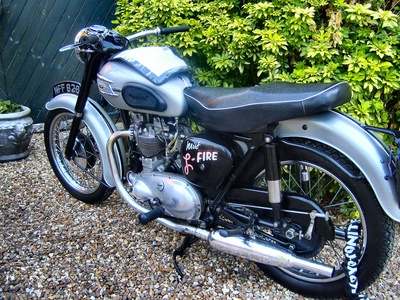
Tiger 100
The Tiger 100 was Triumph’s 500cc sporting model in the early 1950s, known for brisk performance and a racy character. It bridged racing heritage and road use, appealing to riders seeking an agile, tuneable classic twin.
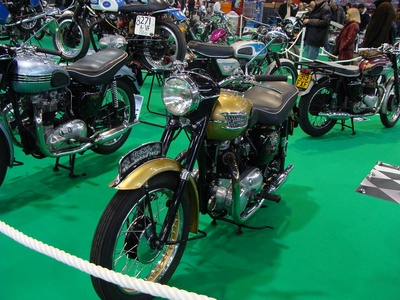
Thunderbird (6T)
The Thunderbird was Triumph’s larger 650cc twin aimed at the US touring market. Introduced late 1940s and strong through the 1950s, it offered relaxed torque, a comfortable chassis and helped cement Triumph’s transatlantic reputation.

Tiger 110 (T110)
The Tiger 110 was the high-performance 650cc variant introduced in 1953 for riders wanting speed from a big twin. With higher compression and sportier tuning, it became a favourite for spirited road use and informal competition.
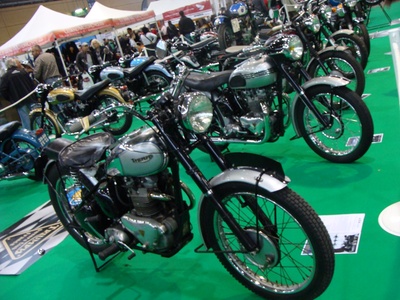
TR5 Trophy
The TR5 Trophy was Triumph’s competition-styled 500cc twin popular with American desert racers and scramblers. Lightweight tuning and rugged gearing made it a versatile machine for off-road events and postwar adventure riding.
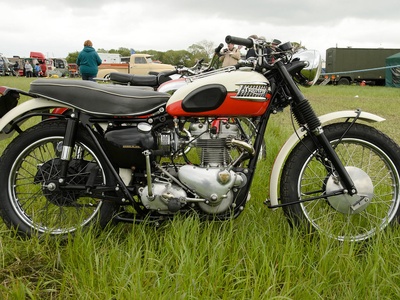
TR6 Trophy
The TR6 Trophy translated Triumph’s 650cc power into a competition-ready package from the mid‑1950s. Known for its strong torque and durability, it became a US rally and desert favourite and a collectible classic today.
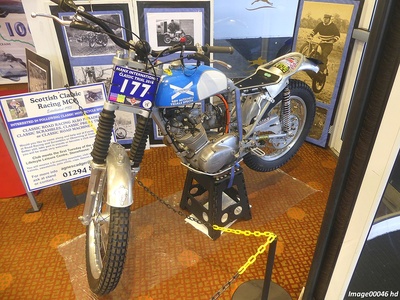
Tiger Cub (T20)
The Tiger Cub was Triumph’s popular 200cc single introduced in the mid‑1950s for economical commuting and light trials. Its small displacement, simple mechanics and tunability made it a common first classic and a restoration favorite.
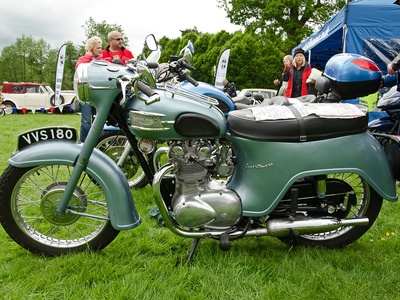
Twenty One (3TA)
The Twenty One (3TA) marked Triumph’s move to unit-construction 350cc twins in the late 1950s. Marketed as a modern, easier-to-maintain machine, it appealed to riders wanting twin-cylinder character in a compact package.
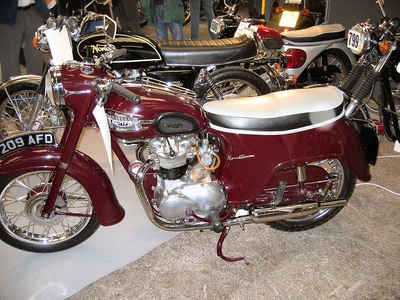
5TA (Speed Twin unit)
The 5TA updated the classic 500cc Speed Twin with unit construction and simplified electrics late in the decade. It offered familiar twin power with more integrated engineering, aimed at keeping Triumph competitive into the 1960s.
3T
The 3T was Triumph’s pre-unit 350cc twin produced in the immediate postwar years into the early 1950s. It served riders seeking a lighter twin for touring and daily use and represents early postwar Triumph engineering.
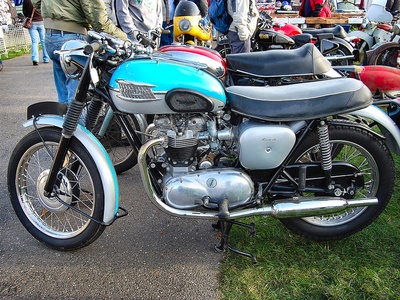
Bonneville (T120)
Introduced in 1959, the Bonneville T120 became Triumph’s high-performance flagship. With tuned heads and a sporting edge, it captured the late‑50s appetite for speed and style and quickly became an icon of British motorcycling.