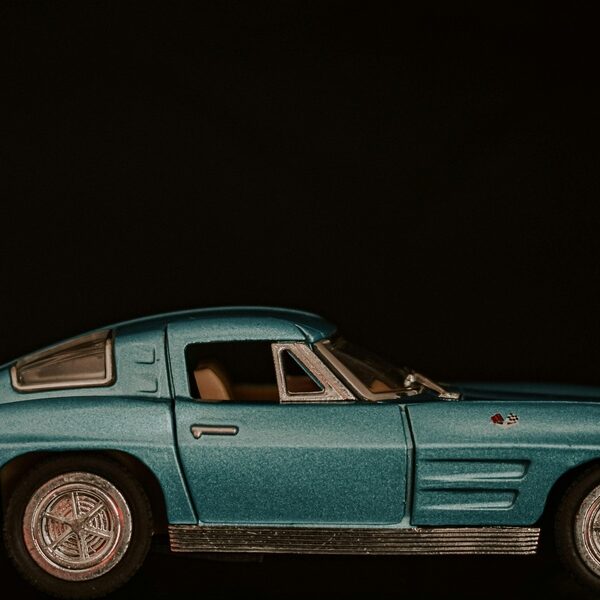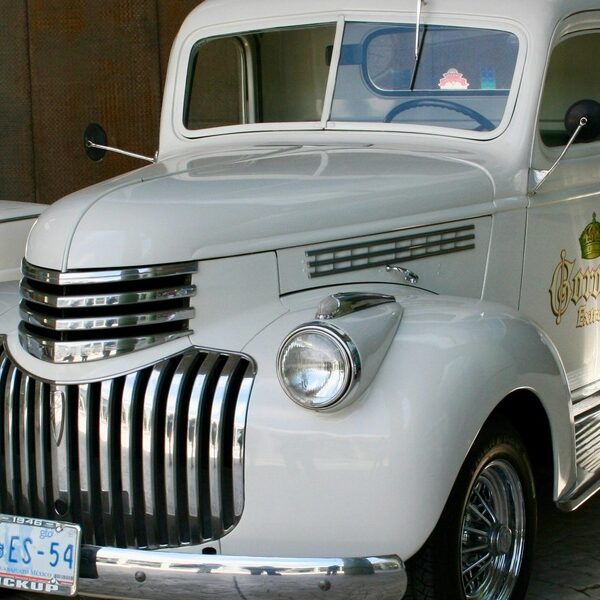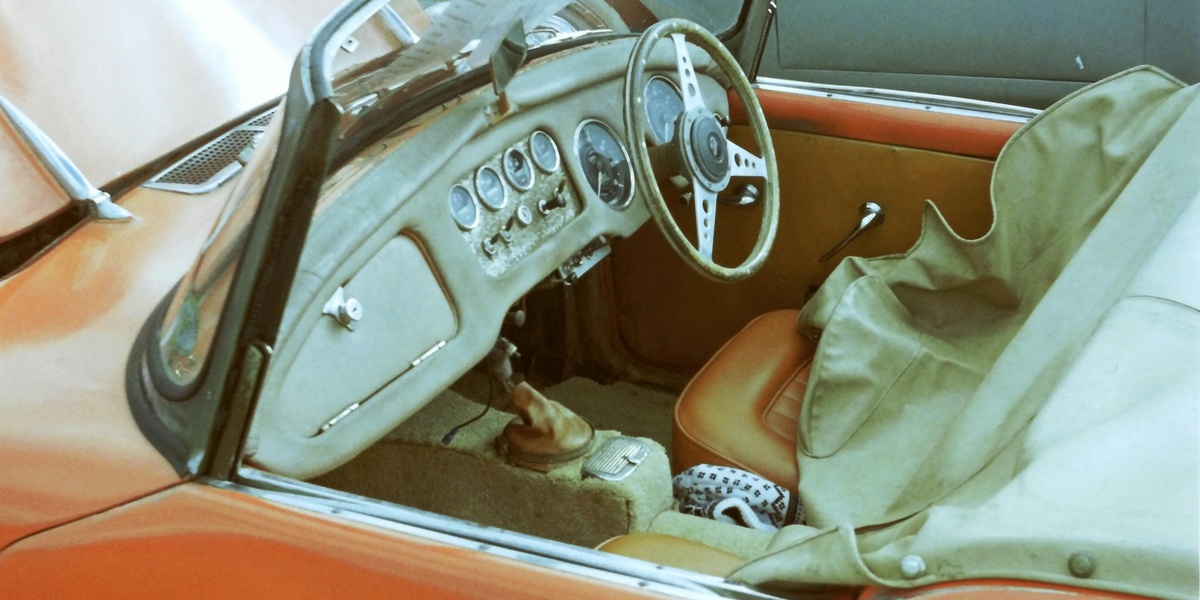
Post-war roads and racetracks shaped an era of lean, driver-focused machines that still turn heads today — low-slung bodies, simple gauges and lively engines built for open roads and weekend races from Europe to the U.S. These cars were made for feel and fun rather than luxury, so they reward hands-on driving and careful restoration.
There are 20 1950s sports cars, ranging from AC Ace to Triumph TR3 to show the span from rare British roadsters to more common drivers. The list is organized so that for each car you’ll find Years (yr),Engine (L / hp),Production (units); you’ll find below.
What should I check before buying a 1950s sports car?
Inspect rust-prone areas (sills, floors, wheelarches), verify chassis/body numbers and paperwork, and assess mechanical condition (engine, gearbox, brakes). Decide whether you want a driver-quality car or a concours restoration — parts availability and expertise for marques vary, so factor ongoing maintenance into the budget.
Do production numbers heavily influence collectibility and price?
Yes — lower production usually increases rarity and demand, but condition, provenance and originality often matter more than raw numbers; a well-documented, well-maintained example of a common model can outvalue a neglected rare car.
1950s Sports Cars
| Name | Years (yr) | Engine (L / hp) | Production (units) |
|---|---|---|---|
| Jaguar XK120 | 1950–1954 | 3.4 / 160 hp | 12,000 |
| Jaguar XK140 | 1954–1957 | 3.4 / 190 hp | 8,800 |
| Jaguar XK150 | 1957–1959 | 3.4–3.8 / 250 hp | 9,000 |
| MG TD | 1950–1953 | 1.3 / 54 hp | 29,700 |
| MG TF | 1953–1955 | 1.3 / 57 hp | 9,000 |
| MG A | 1955–1959 | 1.5–1.6 / 68 hp | 101,000 |
| Austin-Healey 100 | 1953–1956 | 2.6 / 90 hp | 14,000 |
| Austin-Healey 100-6 | 1956–1958 | 2.6 / 102 hp | 7,000 |
| Triumph TR2 | 1953–1955 | 2.0 / 90 hp | 8,600 |
| Triumph TR3 | 1955–1959 | 2.0 / 100 hp | 58,000 |
| AC Ace | 1953–1959 | 2.0 / 100 hp | 1,000 |
| Porsche 356 | 1950–1959 | 1.3 / 75 hp | 76,000 |
| Porsche 550 Spyder | 1953–1956 | 1.5 / 110 hp | 90 |
| Mercedes-Benz 300SL (Gullwing) | 1954–1957 | 3.0 / 215 hp | 1,400 |
| Mercedes-Benz 190SL | 1955–1959 | 1.9 / 105 hp | 25,881 |
| BMW 507 | 1956–1959 | 3.2 / 150 hp | 252 |
| Chevrolet Corvette (C1) | 1953–1959 | 3.9–4.6 / 195 hp | 55,000 |
| Ford Thunderbird (two-seat) | 1955–1957 | 4.8 / 212 hp | 48,000 |
| Alfa Romeo Giulietta Spider | 1955–1959 | 1.3 / 80 hp | 10,000 |
| Lancia Aurelia B20 GT | 1950–1955 | 2.5 / 110 hp | 3,700 |
Images and Descriptions
Jaguar XK120
Iconic British roadster renowned for its 120 mph top speed when new, lightweight chassis, and handsome coachwork. Its 3.4‑litre XK engine made about 160 hp; large postwar sales helped Jaguar establish an international sporting reputation.
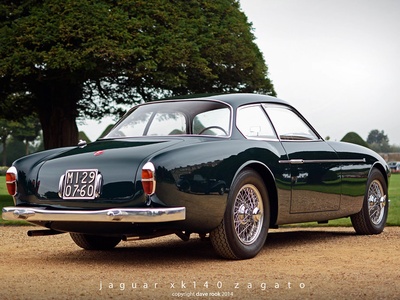
Jaguar XK140
Developed from the XK120, the XK140 added improved comfort, disc brakes option, and more power in a refined package. Loved by drivers for its brisk performance, it bridged Jaguar’s early XK sports cars toward more luxurious grand tourers.
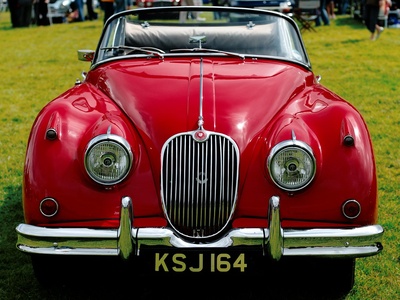
Jaguar XK150
The XK150 modernized Jaguar’s roadster with a wider, more comfortable body, disc brakes, and higher-output engines. The S models offered strong performance and better handling, making the XK150 a desirable blend of classic styling and usable sportiness.
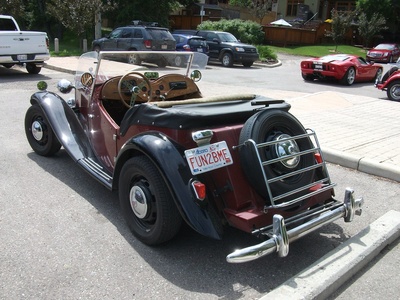
MG TD
A transitional MG roadster combining prewar styling with more modern independent front suspension and practical features. Affordable, light, and easy to drive, the TD introduced American buyers to British sports-car fun and sold in large numbers during the early 1950s.

MG TF
The MG TF updated the T‑series with curved bodywork, roll-up windows, and revised suspension. It offered modest power but strong handling and charm, serving as a comfortable, budget-friendly British sports car before the arrival of the MGA in 1955.
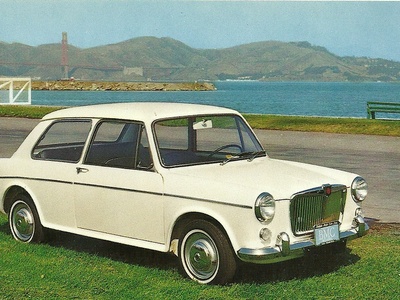
MG A
A clean-sheet sports car, the MGA traded prewar appearance for modern lines, independent front suspension, and improved performance. Widely exported, it became MG’s best-selling postwar model and established a template for accessible British two-seaters through the late 1950s.
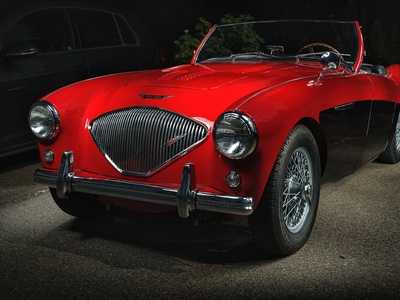
Austin-Healey 100
The original Healey 100 combined Donald Healey’s sporting chassis with Austin engines and styling; it could exceed 100 mph and was competitive in rallies. Its strong performance and solid construction made it an immediate hit with enthusiasts.
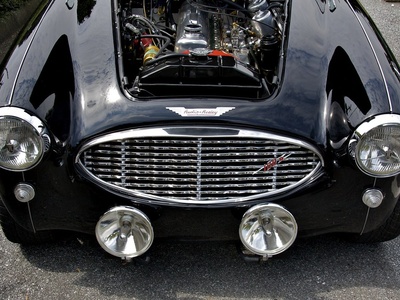
Austin-Healey 100-6
The 100-6 added a six-cylinder engine and more passenger room, smoothing power delivery and broadening appeal as a comfortable sporting tourer. Though heavier than the 100, it offered better torque for long-distance driving and club competition.
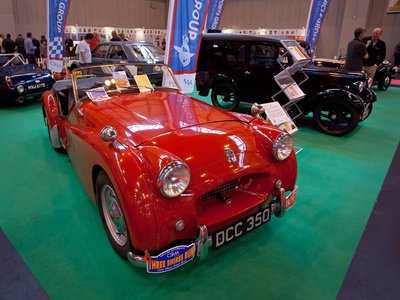
Triumph TR2
Basic, affordable, and competitive, the TR2 emphasized brisk performance from its 2.0‑litre four-cylinder and minimal weight. Its combination of value and capability made it a popular entry-level sports car and a successful club-racing platform.
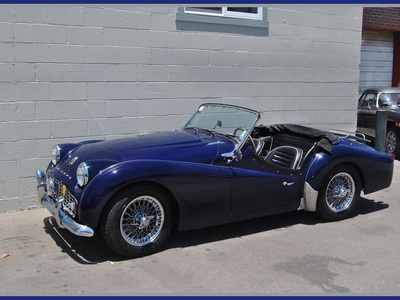
Triumph TR3
Building on the TR2, the TR3 added a more powerful engine, better brakes, and a distinctive upright grille. It offered genuine performance at a modest price and became a ubiquitous sight on European rallies and U.S. roads.
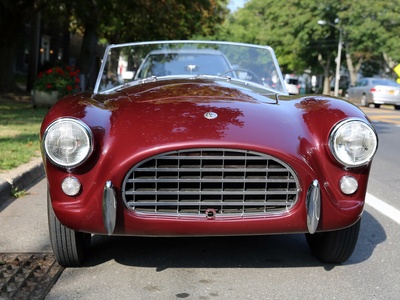
AC Ace
Handbuilt and light, the AC Ace combined simple English chassis design with responsive engines and excellent handling. Its graceful bodywork and sporty manners laid the groundwork for the later, famed AC Cobra collaboration with Carroll Shelby.
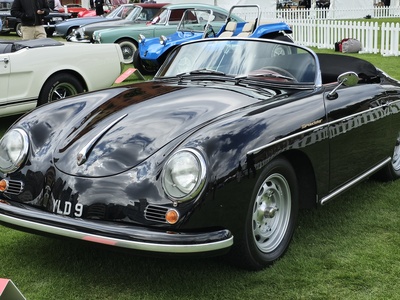
Porsche 356
Porsche’s first production sports car, the 356 combined lightweight construction, rear‑engine balance, and efficient flat-four engines. Its nimble handling and build quality won motorsport success and built Porsche’s reputation as a maker of driver’s cars throughout the 1950s.
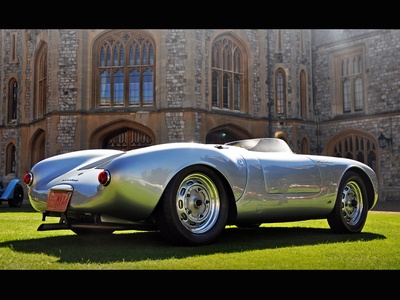
Porsche 550 Spyder
The mid‑engine 550 Spyder was a pure sporting machine built for racing and select road use, featuring light alloy construction and a punchy flat-four. Its race pedigree and rarity made it an instant icon among enthusiasts.
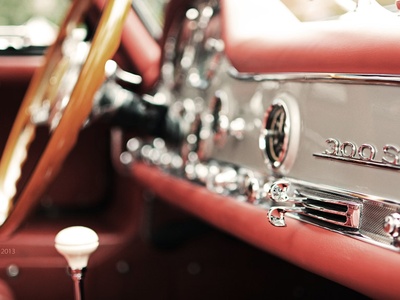
Mercedes-Benz 300SL (Gullwing)
The 300SL Gullwing stunned with exotic doors, a fuel‑injected inline‑six, and advanced tubular chassis; it was among the fastest production cars of its day. Limited production and race success cemented its standing as a mid‑century automotive masterpiece.
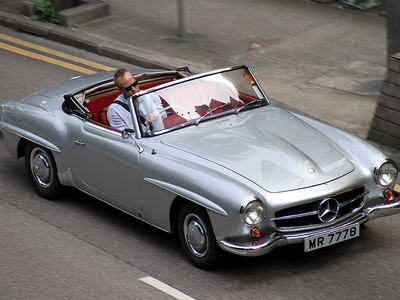
Mercedes-Benz 190SL
A softer, more affordable alternative to the 300SL, the 190SL offered elegant coachwork, comfortable cruising manners, and respectable performance from its 1.9‑litre engine. It brought Mercedes’ style and refinement to a broader sports‑car audience.
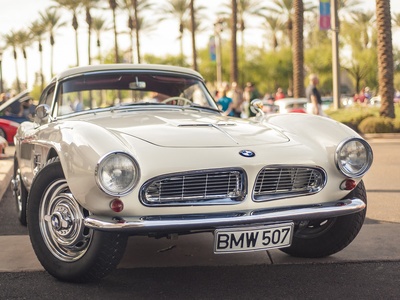
BMW 507
A striking, handbuilt roadster aimed at the American market, the BMW 507 combined V8 power with elegant Pininfarina design. High costs limited sales, making it an ultra‑exclusive and highly collectible grand tourer from the late 1950s.
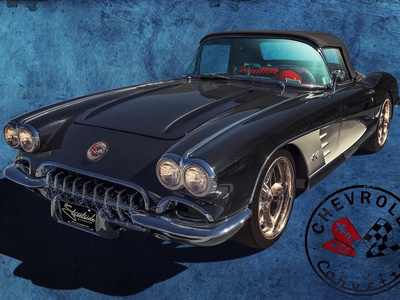
Chevrolet Corvette (C1)
America’s first mass‑market sports car, the first‑generation Corvette combined fiberglass bodywork with evolving V8 power and improving performance through the 1950s. It became an enduring U.S. sports‑car icon and a platform for continuous development.
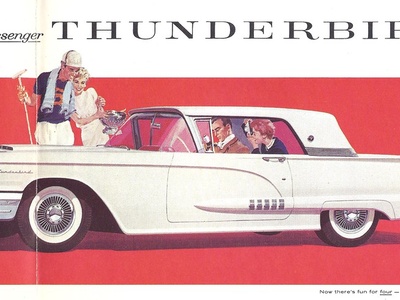
Ford Thunderbird (two-seat)
Introduced as a personal‑luxury two‑seater, the first Thunderbird combined V8 power with a comfortable cabin and stylish looks. While not an out‑and‑out racer, it defined a new American niche blending performance, comfort, and flair.
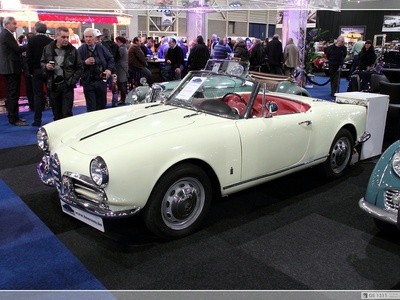
Alfa Romeo Giulietta Spider
Delicate coachwork from Pininfarina, lively twin‑cam engine, and balanced handling made the Giulietta Spider an archetypal Italian sports car. Practical enough for daily use yet eager on twisty roads, it helped Alfa Romeo regain postwar sporting credibility.
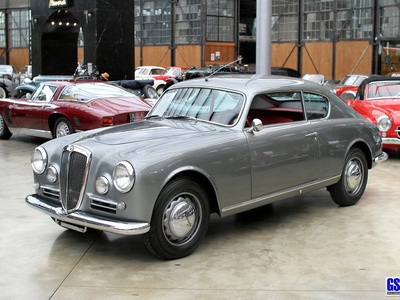
Lancia Aurelia B20 GT
Lancia’s Aurelia B20 GT pioneered technical advances like a V6 engine and sophisticated transaxle layout, delivering exceptional balance and refined road manners. Its beautiful coachwork and engineering influenced grand touring design through the 1950s.